October Allotment Jobs
Harvest the last of summer, get winter crops settled in and give your plot a head start for next spring.
October brings a definite change of pace to the allotment. The mornings are cooler, daylight is disappearing noticeably faster and summer crops are making way for leeks, brassicas, squashes and other autumn favourites.
There is still plenty to do, though. October is one of the best months for improving your soil, planting for next year and tackling those jobs that are much easier before cold, wet winter weather arrives.
And with pumpkins ready to harvest, leaves changing colour and perhaps the first frosts on their way, it's also a wonderful month simply to enjoy being on the plot.
Tidy Up – But Not Too Much
As crops finish, clear away spent plants and add healthy material to the compost heap. Anything showing signs of disease is best dealt with separately rather than added to your home compost.But don't feel the whole allotment has to be spotless.
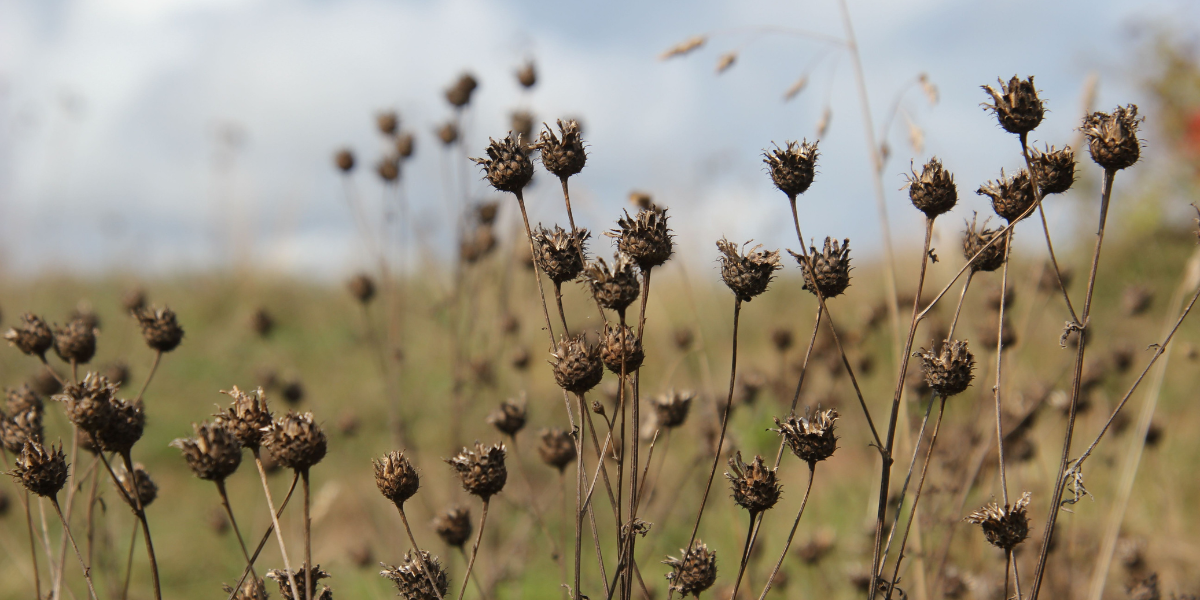
Leaving some seedheads, hollow stems and undisturbed corners provides valuable food and shelter for wildlife over winter. The aim is to remove potential problems while allowing a little useful untidiness to remain.
Take the opportunity to weed beds too. Removing perennial weeds now can mean considerably less competition when your crops start growing again in spring.
Look After Your Soil
Once a bed is empty, try not to leave the soil bare throughout winter.Spread well-rotted manure, garden compost or another suitable organic mulch over vacant beds. Worms and other soil organisms will gradually draw material down, while the covering helps protect the soil surface from heavy winter rain.
If you prefer to dig your plot, heavier soils can be roughly turned over and left for winter weather to help break down larger clods.
You could also sow suitable green manures where ground will remain unused for a while.
Whatever method you choose, October is a good time to give something back to soil that has been working hard all summer.
October Harvests
There should still be plenty coming off the allotment this month.Pumpkins and winter squash: Harvest mature fruits before hard frost arrives. Leave a good length of stalk attached and cure them properly if you're planning to store them. And, of course, there's always the option of sacrificing one to a Halloween lantern before turning the flesh into soup!
Maincrop potatoes: If you still have potatoes in the ground, lift them in suitable dry conditions and check carefully for damage before storing.
Leeks: Early varieties can start coming up now, while hardier varieties can usually remain in the ground until needed.
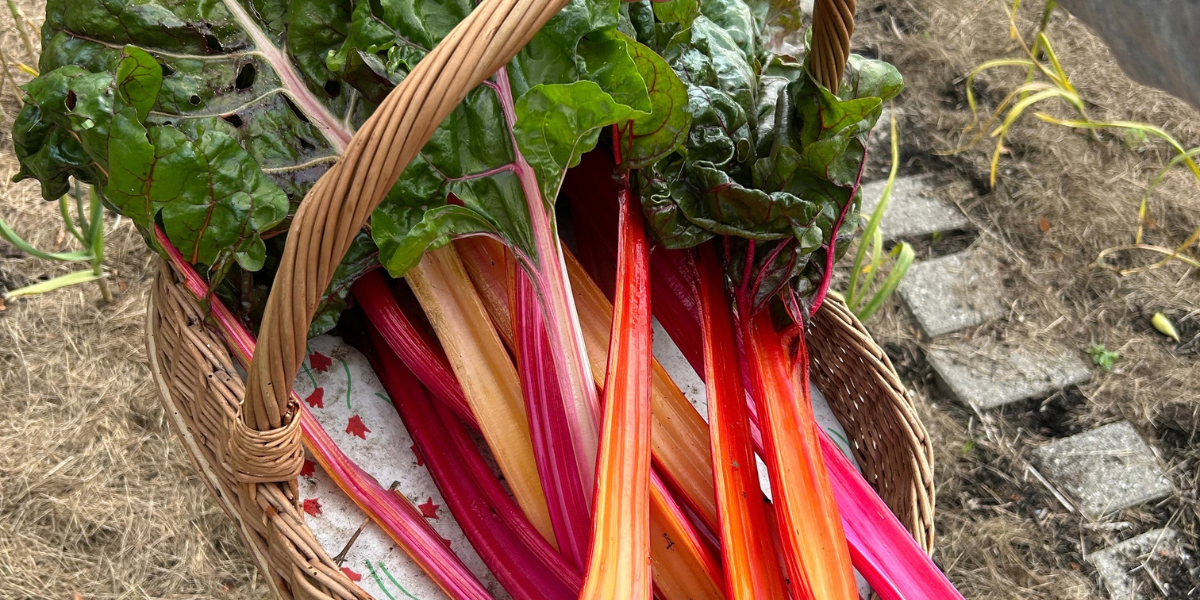
Carrots and beetroot: Continue harvesting as required. Depending on your soil and conditions, some roots can remain in the ground for later harvesting, although protection may be necessary.Chard and spinach: Keep picking leaves regularly to encourage further growth.
Runner and French beans: Gather the final fresh beans. If you're saving seed, allow selected pods to mature and dry fully.
Florence fennel: Harvest remaining bulbs before severe frost damages them
What Can You Plant in October?
The main growing season may be ending, but October certainly isn't the end of planting.Garlic
October is an excellent time to plant garlic. Individual cloves can be planted directly into prepared ground, where the colder period ahead helps support bulb development.
Choose a variety suitable for autumn planting and avoid planting supermarket garlic, which may not be suited to UK growing conditions.
Overwintering onions
Autumn onion sets can go into well-drained ground now for an earlier crop next year. Avoid waterlogged areas, as sitting wet over winter can cause problems.
Broad beans
Hardy broad bean varieties can be sown in autumn in suitable areas. Autumn sowing can provide an earlier crop, although on cold, exposed or very wet plots it may be better to wait until spring.
Winter salads
Under cloches, cold frames or other protection, you may still be able to sow or grow winter lettuce, rocket, lamb's lettuce and other hardy leaves.
Growth will become much slower as light levels fall, so don't expect summer speed.
Spring cabbage
Spring cabbage plants can be planted out if they're ready, giving them time to establish before winter.
Give Your Fruit Some Attention
October is a busy month in the fruit garden too.
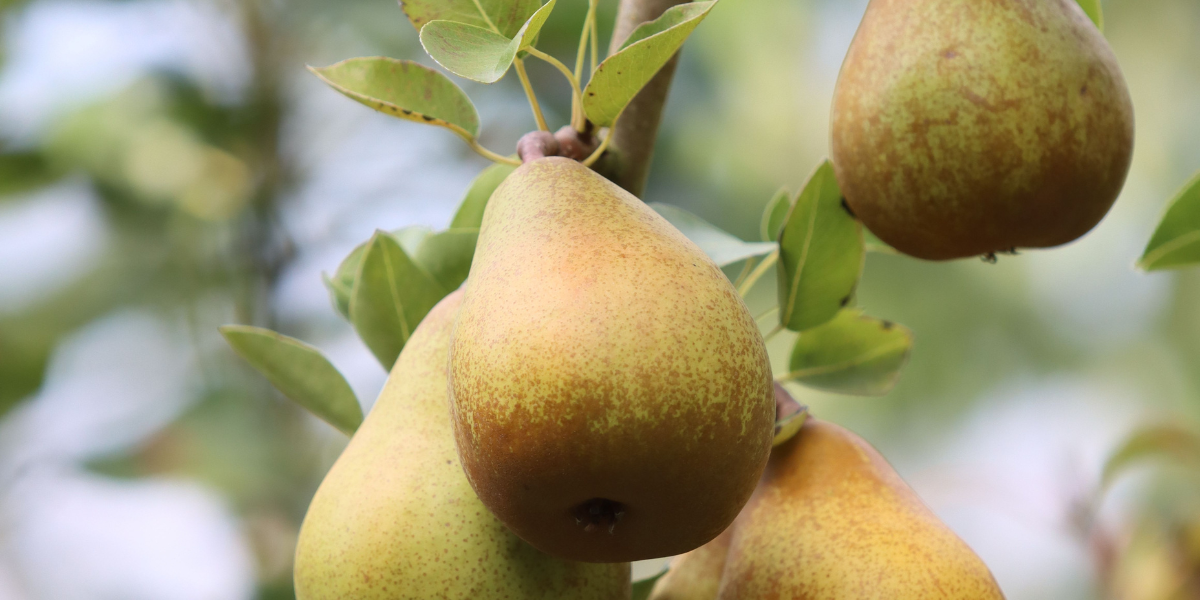
Apples and pears: Continue picking varieties as they ripen. Handle fruit intended for storage carefully and only store undamaged specimens.
Strawberries: Remove dead or damaged foliage and tidy plants, while avoiding unnecessary disturbance to healthy crowns.Raspberries: If you haven't already done so, cut fruited canes of summer-fruiting raspberries down to ground level, leaving this year's new canes for next year's crop. Autumn-fruiting raspberries are pruned differently, so make sure you know which type you have.
Fruit trees and bushes:Keep the ground around them free from competing weeds and consider adding a suitable organic mulch, taking care not to pile it directly against stems or trunks.
October can also be a good planting month for some fruit trees and bushes as dormant planting season begins, depending on the plant and conditions.
Greenhouse and Polytunnel Jobs
After a busy summer, your greenhouse may be ready for a little attention.Remove crops as they finish and clear fallen leaves and old plant material where pests and diseases could overwinter.
Wash the glass or plastic to maximise the limited winter light reaching your plants. Clean pots, trays and benches while you're at it.
Tender plants that are spending winter under cover may need additional protection as temperatures fall. Keep fleece or other suitable insulation handy and pay attention to forecasts.
Continue harvesting any remaining peppers and chillies. Chillies can be dried, frozen or preserved for use over winter.
And don't forget ventilation. Even in cooler weather, opening doors or vents on suitable days can help reduce condensation and fungal problems.
Plant Some Spring Colour
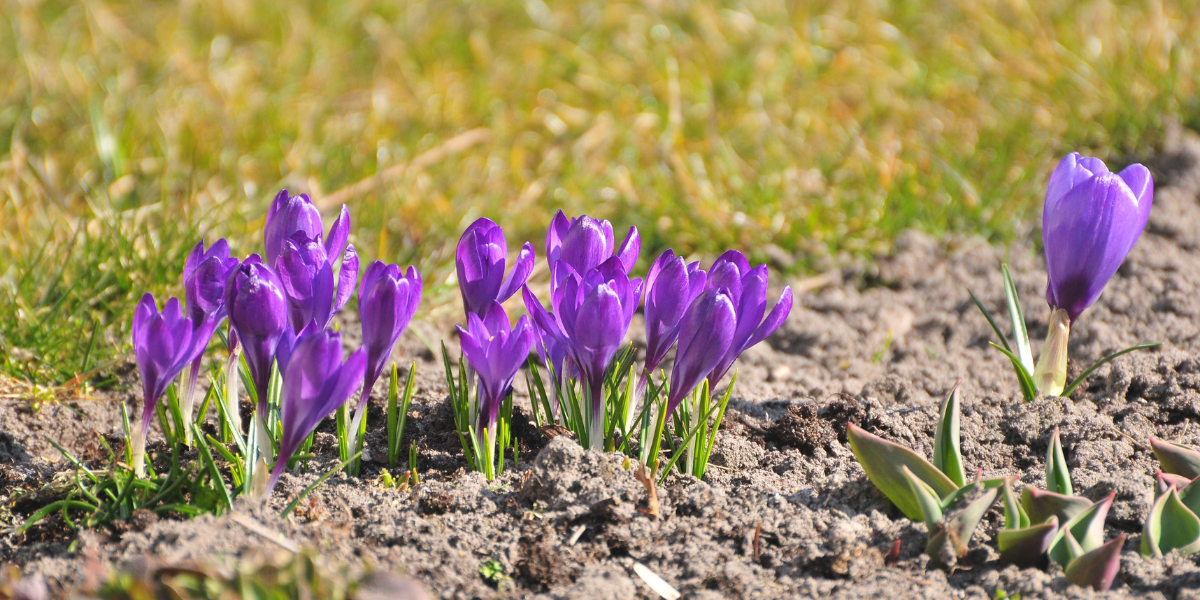
October is a great month for planting many spring-flowering bulbs.Daffodils, crocuses, alliums and hyacinths can all provide an early splash of colour, while also providing useful sources of nectar for pollinators emerging in spring.
Tulips are generally better planted a little later, often in November, when cooler soil conditions can help reduce the risk of disease.
Flowers don't have to occupy a dedicated flower bed either. Bulbs can be tucked around fruit trees, along plot edges or into suitable containers.
Keep an Eye on Pests and Disease
Cooler weather doesn't mean every allotment pest has disappeared.
Slugs and snails: can become particularly active in damp autumn weather, so check vulnerable young plants.
Leek moth and allium leaf miner: may cause problems with allium crops. Inspect plants and use appropriate protection where required.
Brassicas: may still need protection from pigeons and other hungry visitors as alternative food becomes less plentiful.
This is also the time to start checking stored produce regularly. One rotten potato, apple or onion can quickly affect those around it, so remove anything deteriorating as soon as you spot it.
Get Your Compost Working
Autumn provides plenty of composting material, but remember that a good heap needs a mixture.
Combine wetter green material with drier brown ingredients such as shredded cardboard, woody prunings and dry leaves. Avoid simply adding thick layers of one material.
If you have an established heap, turning it can introduce oxygen and help mix the contents before colder temperatures slow decomposition.
Autumn leaves are also perfect for making leaf mould. Collect them into a suitable container or leaf-mould cage, keep them damp and let nature do the rest.

Don't Forget the Wildlife
As food and shelter become scarcer, your allotment can provide an important refuge for wildlife.
Leave some seedheads standing for birds and insects, and don't be too quick to remove every fallen leaf from quiet areas.
A small pile of logs or woody prunings can provide shelter for invertebrates, while a shallow source of fresh water can be valuable to birds and other wildlife.
If you have a pond, remove excessive fallen leaves before they sink and decay, but leave some vegetation and cover around the edges where appropriate.
And before disturbing compost heaps, piles of leaves or other sheltered areas, check carefully in case something has already decided to make itself at home.
Start Planning Next Year's Plot
It may seem early, but October is an excellent time to think about next season.
Make a note of what performed particularly well this year – and what didn't. Were the courgettes too close together? Did the beans shade something else? Was the water butt inconveniently far from the crops that needed it most?
Those observations are easily forgotten by spring.
Sketch out a rough crop rotation and think about anything you'd like to grow differently next year. If you're planning new beds, fruit bushes, a greenhouse or other changes, winter gives you time to work out where everything will go.
It's also worth checking your seed packets. Knowing what you already have could prevent an enthusiastic seed order from turning into quite such a large one!
.png)
Final Thoughts
Make the Most of October. October is less about shutting the allotment down for winter and more about changing gear.There are still vegetables to harvest, crops to plant and plenty of jobs to keep you busy. But the work you do now – protecting your soil, adding organic matter, tidying growing areas and making plans – can make a real difference when spring comes around again.
So enjoy those crisp autumn mornings, harvest the last of the season's bounty and get your plot ready for the months ahead.
Become a National Allotment Society member and help to preserve and protect allotments for future generations.
You'll also gain a range of benefits, including free liability insurance, initial legal support, expert advice and much more.
Non Member Newsletter Signup

National Society of Allotment & Leisure Gardeners Ltd
Registered in 1930 under the Industrial & Provident Societies Acts no. 11144R
VAT No. 1212930 14
Patron His Majesty King Charles III
© 2022-2023 National Society of Allotment & Leisure Gardeners Ltd