The Ultimate Guide to Garlic
Garlic is a hardy, sun-loving member of the onion family and a must-grow for any allotment. Simple to grow, it takes up little space, requires minimal maintenance, and rewards you with a reliable harvest and months of storage. October is one of the best times to start planting garlic in the UK, giving cloves time to establish roots before winter. Garlic is ready to harvest the following late spring or summer.
.png)
Why Grow Your Own Garlic?
Garlic is one of the easiest and most satisfying crops to grow. It’s hardy, relatively pest-free, and thrives in a wide range of soils. Home-grown garlic has a far superior flavour and aroma compared with supermarket bulbs, which are often treated to prevent sprouting.
Even better, garlic is a long-lasting crop. Plant in autumn and harvest in summer, then enjoy your bulbs for months in storage. You’ll also get the bonus of garlic scapes (the curly flower stalks), which are delicious sautéed or added to salads and pesto.


When and Where to Plant Garlic in the UK
Garlic prefers full sun and well-drained, fertile soil. Avoid waterlogged areas, which can cause root rot. Heavy clay soils can be improved with compost or grit, and a slightly acidic to neutral pH (6.0–7.0) is ideal.Planting Times
Autumn (preferred): October–November for summer harvest.
Spring: February–March in milder areas; bulbs may be smaller but remain full of flavour.
Choosing Bulbs
Select firm, healthy bulbs with no mould or soft spots. Break into individual cloves just before planting and use the largest cloves for best results.
October is an ideal time for planting many varieties of garlic, as the cooler conditions help encourage strong root development ahead of spring growth. Always check the planting recommendations for your chosen variety.
How to Plant Garlic
Planting garlic is straightforward, making it an excellent crop for beginners and experienced allotment growers alike.
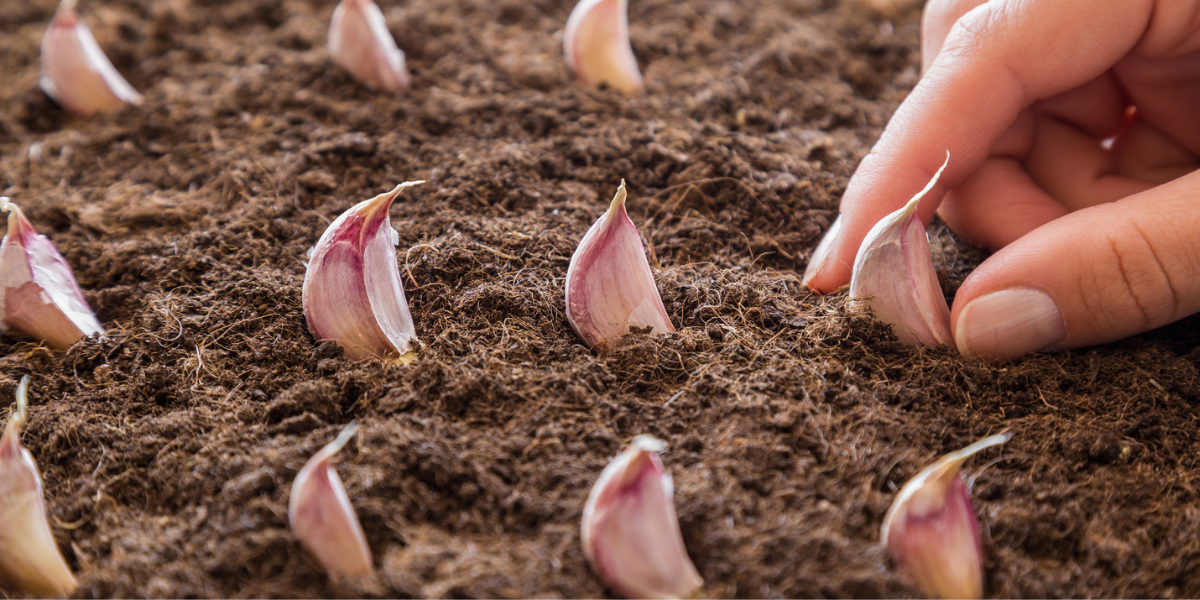
Separate the bulb into individual cloves just before planting, keeping the papery skin intact. Plant each clove with the pointed end facing upwards, approximately 5cm deep, with 10–15cm between cloves and around 30cm between rows.
Water lightly after planting if the soil is dry and keep the area free from weeds as the plants establish. Garlic generally needs little attention over winter, although good drainage is essential to prevent cloves from rotting.
Soil Preparation & Technical Details
Clear weeds and dig in well-rotted compost or manure (avoid fresh manure).For no-dig systems, mulch with organic matter and plant cloves directly into the mulch.
Optional: cover soil with a biodegradable weed-suppressing membrane to reduce weeding later.

Garlic Varieties
Hardneck garlic: Large cloves, strong flavour, stores 4–6 months, produces edible flower stems (scapes). Can bolt in poor conditions.
Softneck garlic: Smaller, tightly packed cloves, store up to a year, rarely bolts, good for braiding.Elephant garlic: Related to leeks, mild flavour, large single bulbs, requires a long growing season.
Popular varieties:
Cristo – softneck, strong flavour, long storage.
Germidour – softneck, mild flavour, large bulbs.
Lautrec Wight – hardneck, pink-purple cloves, classic French variety.
Solent Wight – softneck, robust flavour, good storage, reliable crop.
German Extra Hardy – hardneck, large cloves, pungent flavour, stores 4–6 months.
Music – hardneck, hardy in cold climates, strong flavour, produces scapes.
Georgian Crystal – softneck, mild and sweet, long storage potential.
Common Garlic Pests and Diseases (and How to Beat Them)
Garlic is generally a hardy, low-maintenance crop, but it can occasionally be affected by pests and diseases. Regular monitoring, good hygiene, and careful crop rotation will help keep your plants healthy.
Pests
1. Allium Leaf Miner
Symptoms: Tiny white or brown tunnels appear on leaves; larvae may d
Prevention & Control: Cover young plants with fine mesh or horticultural fleece to prevent egg-laying. Remove affected leaves promptly. Rotate crops to reduce infestation.
2. Onion Fly
Symptoms: Yellowing, stunted leaves, and rotting bulbs caused by larvae feeding at the base.
Prevention & Control: Use row covers or fleece to protect seedlings. Avoid planting garlic where onions, leeks, or other alliums grew the previous year. Remove and destroy infested plants.
3. Slugs & Snails
Symptoms: Holes in leaves and young shoots.
Control: Hand-pick pests, use grit or crushed eggshells around plants, or set beer traps. Mulching with coarse material can also deter them.
Diseases
1. White Rot (Sclerotium cepivorum)
Symptoms: Yellowing leaves, blackened roots, and bulb decay.
Prevention & Control: Avoid planting garlic in infected soil for at least four years. Remove and burn affected plants. Practice strict garden hygiene.
2. Downy Mildew
Symptoms: Grey, fuzzy growth on leaf undersides, stunted shoots.
Prevention & Control: Improve air circulation by spacing plants adequately. Avoid overhead watering. Remove and destroy infected leaves immediately.
3. Fusarium Basal Rot
Symptoms: Bulbs rot from the base; leaves yellow and die back prematurely.
Prevention & Control: Plant in well-drained soil. Avoid overwatering and ensure good crop rotation. Remove affected bulbs and compost carefully away from healthy crops.
4. Bolting (Premature Flowering)
Cause: Stress from temperature fluctuations or irregular watering.
Effect: Bulbs may be smaller and less storable.
Prevention: Plant appropriate varieties for your region, maintain consistent moisture, and remove flower stems (scapes) as they appear.


Growing Tips for a Healthy Garlic Crop
- Rotate crops yearly, avoiding planting garlic or onions in the same bed consecutively.
- Use clean tools and avoid working in wet conditions to minimise disease spread.
- Keep beds weed-free to reduce pest habitats.
- Harvest promptly when leaves yellow to prevent over-mature bulbs from rotting.
Nutritional Benefits of Garlic
Garlic isn’t just a flavour powerhouse – it’s packed with nutrients and compounds that support health and wellbeing. Regular consumption can enhance immunity, cardiovascular health, and overall vitality. .png)

Harvesting Garlic
- Harvest when leaves turn yellow.
- Autumn-planted garlic: late spring to early summer.
- Spring-planted garlic: mid-summer to early autumn.
- Lift bulbs gently to avoid bruising.
Storing Garlic
Dry bulbs thoroughly in a ventilated greenhouse, shed, or sunny spot for 2–4 weeks.
Trim and store in a cool, dark place (5–10°C).
Hardneck: 4–6 months storage. Softneck: up to a year.


From Plot to Plate
Culinary Uses- Roasted bulbs: Whole roasted bulbs become soft, sweet, and caramelised – perfect to spread on bread or add to mashed vegetables.
- Raw cloves: Minced or crushed, garlic adds punch to dressings, marinades, sauces, and dips.
- Sautéed or fried: Enhance vegetables, meats, and pasta dishes with aromatic garlic.
- Pickled garlic: Preserve for months in vinegar or brine, adding a tangy kick to salads or charcuterie boards.
- Scapes: The tender flower stalks of hardneck garlic can be sautéed, grilled, or blended into pesto for a milder, fragrant flavour.
- Top sets: Occasionally, cloves form on the flower stem due to variable spring weather. These can be harvested and used like regular cloves.
Cooking Tips
- For the best flavour, crush or chop garlic and leave it for 5–10 minutes before cooking – this allows allicin to develop.
- Garlic pairs beautifully with olive oil, lemon, fresh herbs, roasted vegetables, or grilled meats.
- Young garlic leaves and shoots can be used like chives for a milder taste and added freshness to salads.
- Dried garlic bulbs store for months when kept in a cool, dry, ventilated place.
- Softneck varieties can last up to a year, while hardneck bulbs generally keep for 4–6 months.
- Properly stored, garlic ensures your allotment harvest provides flavour and nutrition well beyond the growing season.
Garlic truly bridges the gap between your plot and your plate, offering both culinary delight and long-term storage. Every bulb tells the story of your care, soil, and season – from planting in autumn to enjoying the rich, robust flavours in your kitchen.
Final Thoughts
Garlic is a low-maintenance, high-reward crop that thrives on allotments. From planting to harvest, it provides flavourful bulbs, tender shoots, and scapes, along with long storage and health benefits. Easy to grow and versatile in the kitchen, garlic is a must-have for any gardener.
With October providing an excellent opportunity to get started, planting garlic is a simple way to make productive use of your allotment throughout the colder months.
Join The National Allotment Society
Become a National Allotment Society member and help to preserve and protect allotments for future generations.
You'll also gain a range of benefits, including free liability insurance, initial legal support, expert advice, and much more.
Non Member Newsletter Signup

National Society of Allotment & Leisure Gardeners Ltd
Registered in 1930 under the Industrial & Provident Societies Acts no. 11144R
VAT No. 1212930 14
Patron His Majesty King Charles III
© 2022-2023 National Society of Allotment & Leisure Gardeners Ltd