How Much Does an Allotment Cost in the UK? A Complete Guide
Thinking about getting an allotment but wondering how much it will cost? The good news is that allotment gardening can be a surprisingly affordable way to grow your own fruit and vegetables, enjoy the outdoors and learn new skills.
In the UK, council allotment rents typically range from around £30 to £90 per year , while privately managed allotments may cost approximately £50 to £200 annually . However, prices vary depending on where you live, the size of your plot and what facilities are included.
But rent is only part of the picture. If you're taking on your first allotment, you'll also need to think about tools, seeds, compost and possibly a few other essentials. The condition of your plot can also make a big difference to how much you spend getting started.
The good news? You don't need a big budget or expensive equipment to enjoy allotment gardening, and many of your initial purchases can last for years.
But rent is only part of the picture. If you're taking on your first allotment, you'll also need to think about tools, seeds, compost and possibly a few other essentials. The condition of your plot can also make a big difference to how much you spend getting started.
The good news? You don't need a big budget or expensive equipment to enjoy allotment gardening, and many of your initial purchases can last for years.How Much Is Allotment Rent in the UK?
There is no standard national allotment rental price. Each council, allotment association or private provider sets its own charges.
As a general guide:
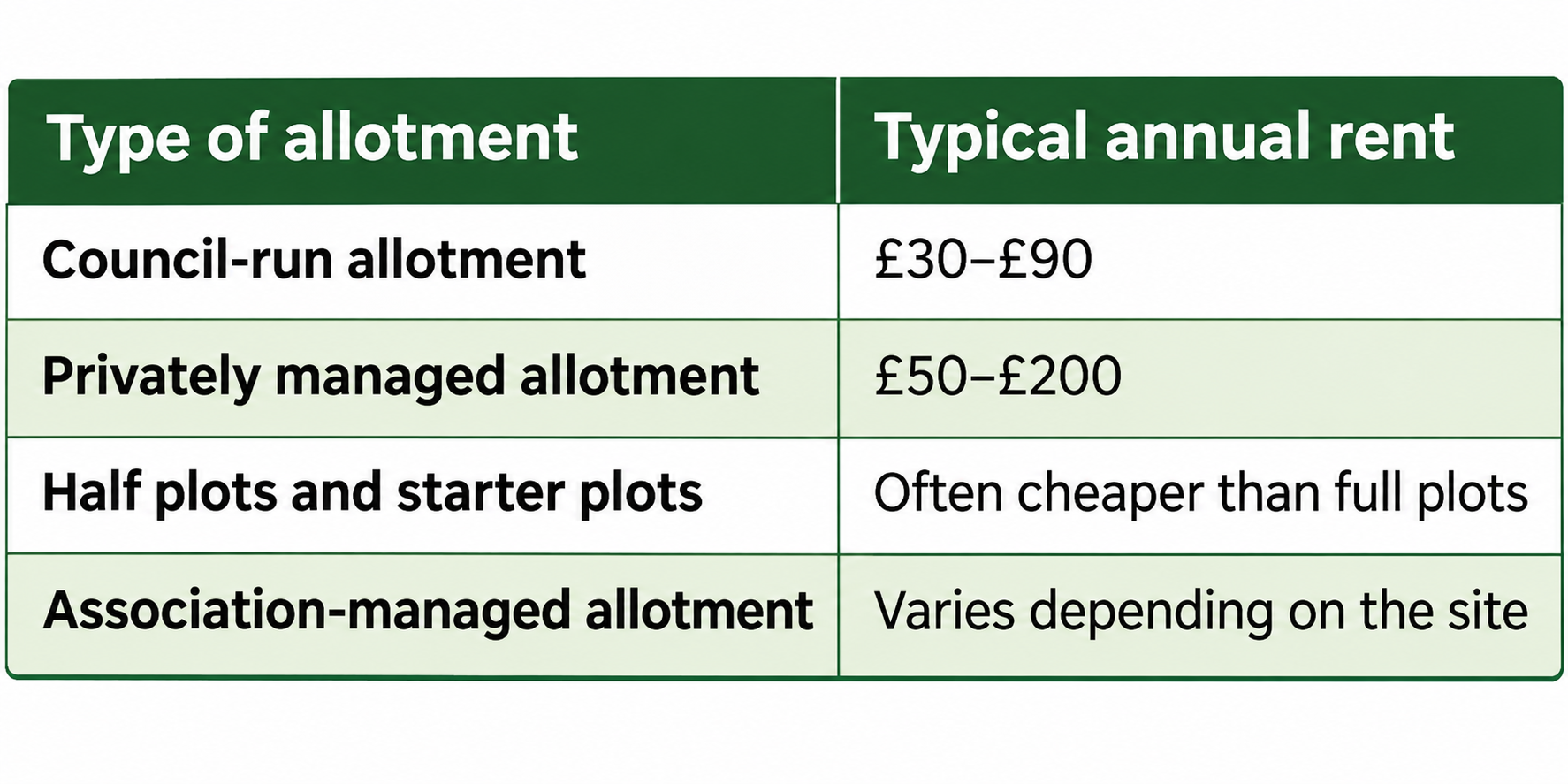
These are indicative ranges. Actual rents may be higher or lower depending on the location, plot size and facilities.
Several factors influence the amount you pay:
Plot size:
A traditional full allotment is approximately 250 square metres, but many sites offer half plots or smaller starter plots at a lower cost.
Location:
Rents can vary between rural areas, towns and cities, particularly where demand for land is high.
Site management:
Council-run, association-managed and privately owned allotments may have different charging arrangements.
Facilities:
Access to water, toilets, security fencing and communal facilities can influence rental charges.
Before accepting a plot, ask for a breakdown of the annual fees and check exactly what is included.

Council Allotments vs Private Allotments – What's the Difference?
Not all allotments are managed in the same way, and who provides your plot can influence both the rent you pay and what you get for your money.
Council-Run Allotments
Council-run allotments typically cost around £30–£90 per year, making them an affordable option for many growers.
However, the condition of plots can vary considerably. Some may be well maintained and ready to plant, while others may have been vacant for some time and require clearing, weeding and soil preparation before you can start growing.
An overgrown plot isn't necessarily a bad choice, but it's worth considering the time, effort and potential expense involved in bringing it back into cultivation.
Privately Managed Allotments
Privately managed allotments may cost around £50–£200 per year, although prices vary depending on location, plot size and facilities.
Some private sites offer plots that have already been cleared and prepared for growing, potentially with established beds, water access or additional facilities.
This can make getting started easier, particularly for beginners who may not have the time, equipment or experience to tackle an overgrown plot.
However, not all private sites offer these benefits, so it's important to check what is included rather than assuming a higher rent means better facilities.
Association-Managed Allotments
Some allotment associations manage council-owned sites, while others lease or own their land.
Charges and facilities vary depending on the individual site, and there may be additional membership fees.
Associations may also provide communal equipment, organise seed swaps or offer other benefits to their members.
The cheapest allotment to rent isn't necessarily the cheapest to get started on.
A plot that costs a little more but is ready for growing could save considerable time and money compared with one that needs extensive clearing and preparation
Are There Additional Allotment Charges?
Water Charges
- Some allotment sites include water in the annual rent, while others charge a separate fee or divide the cost between plot holders.
- Not all sites have a mains water supply, so it's worth checking what facilities are available.
- Collecting rainwater in water butts can help reduce reliance on mains water, particularly during dry periods.
- Some allotment associations charge an annual membership fee to help cover administration, maintenance or shared facilities.
- You may also be asked to pay a refundable deposit for a gate key or other site access arrangements.
- Some councils and allotment providers offer reduced rental rates for pensioners, people receiving certain benefits or people with disabilities.
- Concessions and eligibility criteria vary, so contact your local council or allotment association to find out what is available.
How Much Does It Cost to Set Up Your First Allotment?
However, the amount you spend will depend on the condition of your plot, what you already have and how you choose to develop it.
A well-maintained plot with established growing beds may need very little investment, while an overgrown plot could require more work and materials.
Here are the main expenses to consider.
1. Essential Gardening ToolsYou don't need an extensive collection of tools to get started. A few basics will usually be enough:
- Spade and garden fork
- Hand trowel
- Hoe and rake
- Watering can
- Secateurs
- Gardening gloves
It's also worth asking whether any tools have been left by the previous plot holder.
Our tip:
Start with the essentials and buy additional equipment as you need it. A good-quality second-hand fork may be a better investment than several inexpensive tools you rarely use.
Good soil is the foundation of a productive allotment, but improving it doesn't have to be expensive.
Depending on the condition of your plot, you may want to add compost, well-rotted manure or other organic matter.
There are plenty of ways to keep costs down:
- Make your own compost from suitable garden and kitchen waste.
- Check whether your site has a communal composting area.
- Look for local sources of well-rotted manure.
- Collect fallen leaves to make leaf mould.
- Use suitable organic mulches to protect and improve the soil.
If you're taking on a neglected plot, start with a small growing area rather than trying to improve everything at once.
Our Beginner's Guide to Composting explains how to turn everyday organic waste into a valuable resource for your allotment.
Seeds are one of the most affordable ways to grow your own food.
A single packet can often provide plenty of plants, and many vegetables can be sown directly into the soil without expensive equipment.
Good choices for beginners include:
- Radishes and salad leaves
- Peas and beans
- Courgettes
- Beetroot
- Potatoes
- Swiss chard
You can also save money by sharing seed packets, swapping spare seedlings and saving suitable seeds for future growing seasons.
If you're wondering what to grow on your first allotment, take a look at our Best Crops for First-Time Allotmenteers guide.
- Depending on what you grow, you may need netting, horticultural fleece or supports to protect your crops from birds, pests and the weather.
- These don't have to be expensive, and many materials can be reused over several seasons.
- Only buy what you need for the crops you're growing, and always ensure netting is properly secured to prevent wildlife becoming trapped.
- Raised beds can be useful, particularly where access or soil conditions make traditional growing difficult, but they aren't essential.
- Building raised beds can add to your initial costs, especially if you need to purchase timber and fill them with growing material.
- Before investing, consider whether you could grow directly in the existing soil or create simple beds without permanent edging.
- If you do want raised beds, recycled or reclaimed materials may offer a more affordable option, provided they are safe for growing food.
- A shed, greenhouse or polytunnel can be a useful addition to an allotment, but none is essential when you're starting out.
- Many growers successfully cultivate their plots without them.
- Second-hand structures can be considerably cheaper than buying new, and occasionally a previous plot holder may leave a shed or greenhouse behind.
Before purchasing or installing a shed, greenhouse, polytunnel or other structure, always check your allotment association's rules and tenancy agreement. Some sites have restrictions on the size, materials, type and positioning of structures, and permission may be required before installation.
- Once your allotment is established, your ongoing costs may be relatively low.
- You might occasionally need to replace tools, buy additional seeds, maintain paths or purchase materials for repairs.
- Some sites also require plot holders to maintain the grass paths surrounding their plots, which may involve access to a mower or strimmer.
- Sharing equipment with neighbouring plot holders or using communal tools can help reduce these expenses.
How to Keep Allotment Costs Down
One of the pleasures of allotment gardening is discovering how much can be achieved with relatively little.Here are a few simple ways to make your money go further.
1. Start small
You don't need to cultivate your entire plot immediately. Concentrate on a manageable area and expand as your confidence grows.
2. Plan before you buy
Think about where your crops will grow, how you'll access them and what equipment you genuinely need. A little planning can help prevent unnecessary spending.
3. Grow from seed
Growing from seed is usually cheaper than buying established plants, particularly for vegetables such as beans, peas and salad crops.
4. Make your own compost
Composting garden waste and suitable kitchen scraps can help improve your soil while reducing the need to buy compost.
5. Reuse and recycle
Second-hand tools, reused plant pots and suitable reclaimed materials can all help reduce costs.
6. Share with other plot holders
Allotment communities are often generous with spare plants, seeds, equipment and advice. Some sites also organise seed swaps or communal purchases.
7. Grow what you enjoy eating
There's little financial benefit in growing large quantities of vegetables that your household doesn't particularly like. Choose crops you'll use and enjoy.
For more ideas, read our 10 Budget Tips for Allotment Gardeners
Can an Allotment Save You Money on Food?
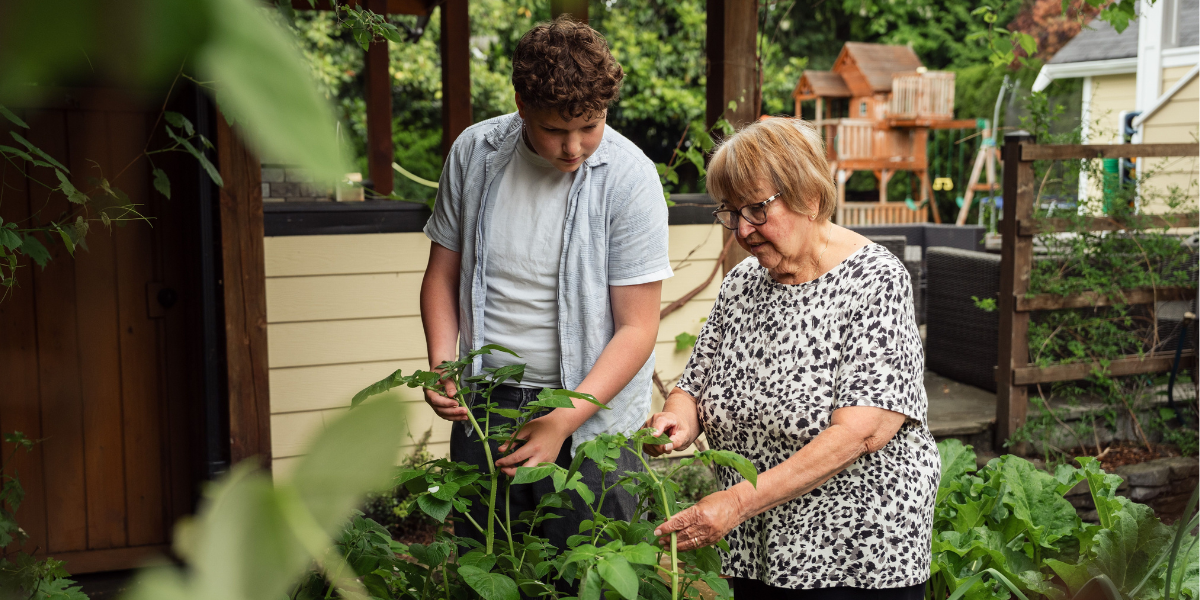
Growing your own fruit and vegetables can help reduce your grocery bills, particularly once you've established your plot and purchased your basic equipment.Some crops can offer particularly good value because they produce repeated harvests throughout the growing season.
These include:
Salad leaves:
Pick regularly and enjoy fresh leaves over several weeks.
Courgettes:
A few healthy plants can produce an impressive harvest.
Runner and French beans:
Productive crops that can also be frozen for later use.
Herbs:
Harvest small amounts as needed rather than buying supermarket packets.
Soft fruit:
Established raspberry, currant and strawberry plants can provide harvests year after year.
Swiss chard and kale:
Useful crops that can provide harvests over an extended period.
However, it's important to be realistic. Not every crop will be successful, and the value of your harvest will depend on the weather, growing conditions, time available and what you choose to grow.
An allotment isn't a guaranteed way to save money, particularly in the first year, but careful planning and productive crops can make a worthwhile contribution to your household's food supply.
And, of course, there are benefits that can't easily be measured in pounds and pence.
Time outdoors, physical activity, learning new skills, meeting people and the satisfaction of eating something you've grown yourself are all part of the allotment experience.

Questions to Ask Before Taking on an Allotment
Before accepting a plot, it's worth asking a few questions so you understand the full cost and what you're committing to.What is the annual rent?
And when is it due?
Are there additional charges?
Check for water fees, association membership or deposits.
What condition is the plot in?
Will it need clearing or soil improvement before you can start growing?
What facilities are available?
Is there water, storage or communal equipment?
Are there restrictions on structures?
Check the rules for sheds, greenhouses, polytunnels and other additions.
What are my responsibilities?
Find out whether you need to maintain paths, hedges or communal areas.
A little research beforehand can help you avoid unexpected expenses and choose a plot that suits your needs.
Frequently Asked Questions About Allotment Costs
How much does an allotment cost per year in the UK?
Council allotment rents typically range from around £30 to £90 per year, while privately managed allotments may cost approximately £50 to £200 annually. Actual charges vary depending on location, plot size and facilities.
Is a half allotment cheaper than a full plot?
Generally, yes. Smaller plots often have lower rents, although charges are set by the individual allotment provider.
Are private allotments more expensive than council allotments?
They can be, although this isn't always the case. Some private sites offer ready-to-grow plots or additional facilities, which may be reflected in the rent.
Are there reduced allotment rental rates?
Some councils and allotment associations offer concessions for eligible groups, including pensioners and people receiving certain benefits. Check with your local provider for details.
Do you have to pay for water on an allotment?
Not always. Some sites include water in the annual rent, while others charge separately. Some allotments have no mains water supply.
Do I need to buy a shed or greenhouse?
No. Neither is essential, particularly when you're starting out. Always check your allotment association's rules before installing any structures.
Is having an allotment worth the cost?
For many people, yes. Alongside the opportunity to grow fresh produce, allotments provide physical activity, time outdoors, social connections and the satisfaction of growing your own food.
Ready to Start Growing?
With council allotment rents typically around £30–£90 per year, and private sites offering a range of options, allotments can be an affordable way to enjoy growing your own fruit and vegetables.
If you're considering taking on a plot, visit our How to Get an Allotment guide for advice on finding an allotment and applying for one in your area. guide for advice on finding an allotment and applying for one in your area.
The National Allotment Society is here to support allotment growers at every stage, from complete beginners to experienced plot holders.
Join The National Allotment Society
Become a National Allotment Society member and help to preserve and protect allotments for future generations.
You'll also gain a range of benefits including free liability insurance, initial legal support, expert advice and much more.
Non Member Newsletter Signup

National Society of Allotment & Leisure Gardeners Ltd
Registered in 1930 under the Industrial & Provident Societies Acts no. 11144R
VAT No. 1212930 14
Patron His Majesty King Charles III
© 2022-2023 National Society of Allotment & Leisure Gardeners Ltd