Making the Most of September on the Allotment
September can be one of the best months on the allotment. Baskets are still coming back full, but cooler mornings and shorter evenings bring a noticeable change of pace. Rather than simply clearing away summer, this is the month to decide how you want your plot to work through autumn and winter.
Some beds can keep producing, others can be planted for next year, and those taking a rest can be covered and fed. Here are the key September allotment jobs to tackle this month.
Make the Most of the September Harvest
Before thinking about next year, there is still plenty to enjoy now.
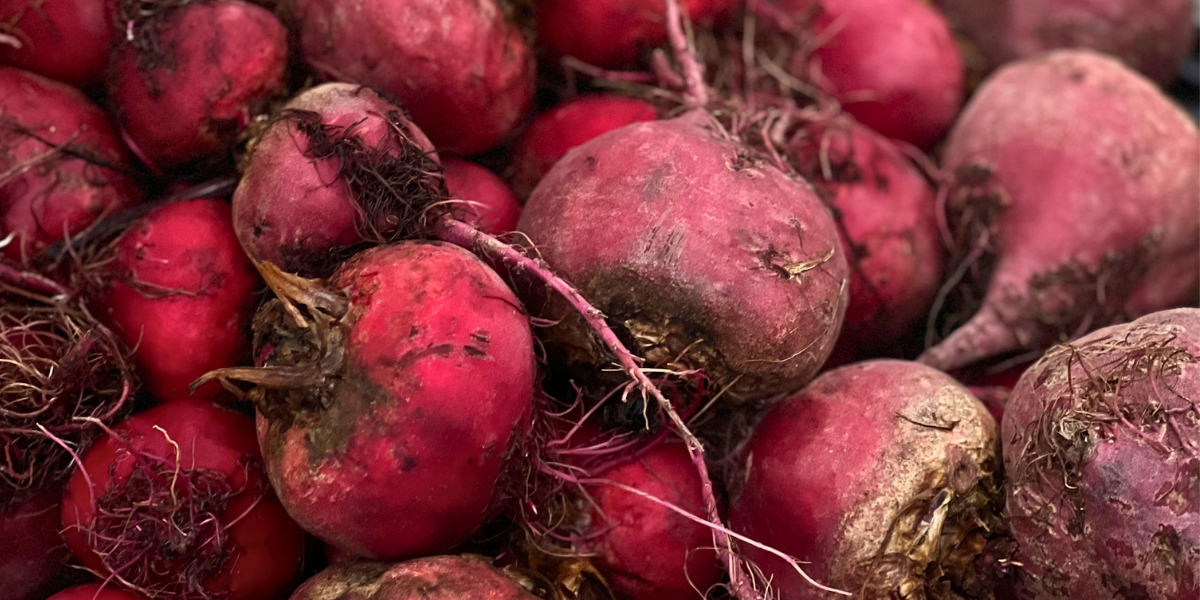
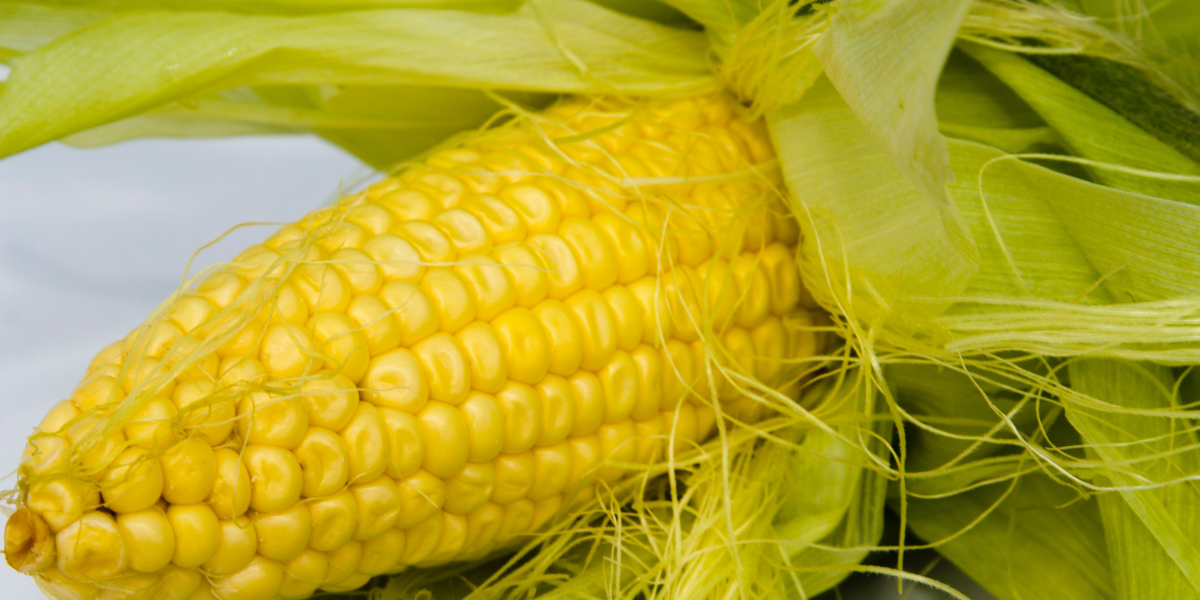
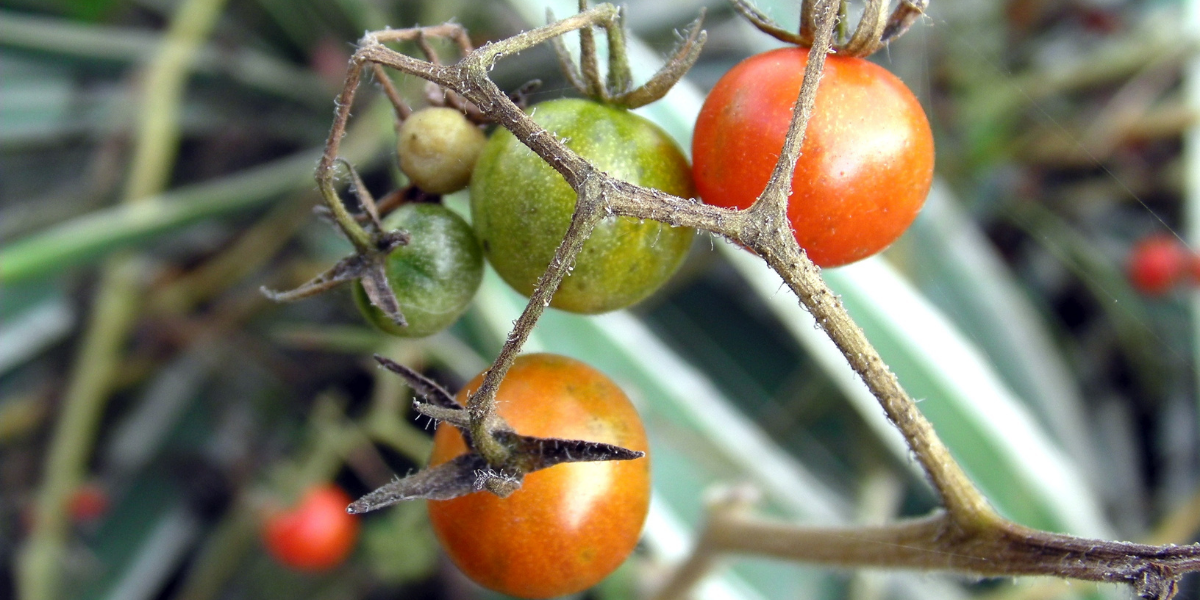
Runner and French beans, courgettes, tomatoes, beetroot, carrots, chard and sweetcorn can all still be producing. Apples, pears, blackberries, autumn raspberries and plums may also be ready depending on where you are in the country.
Keep picking beans and courgettes regularly while plants remain productive and harvest tomatoes as they ripen.
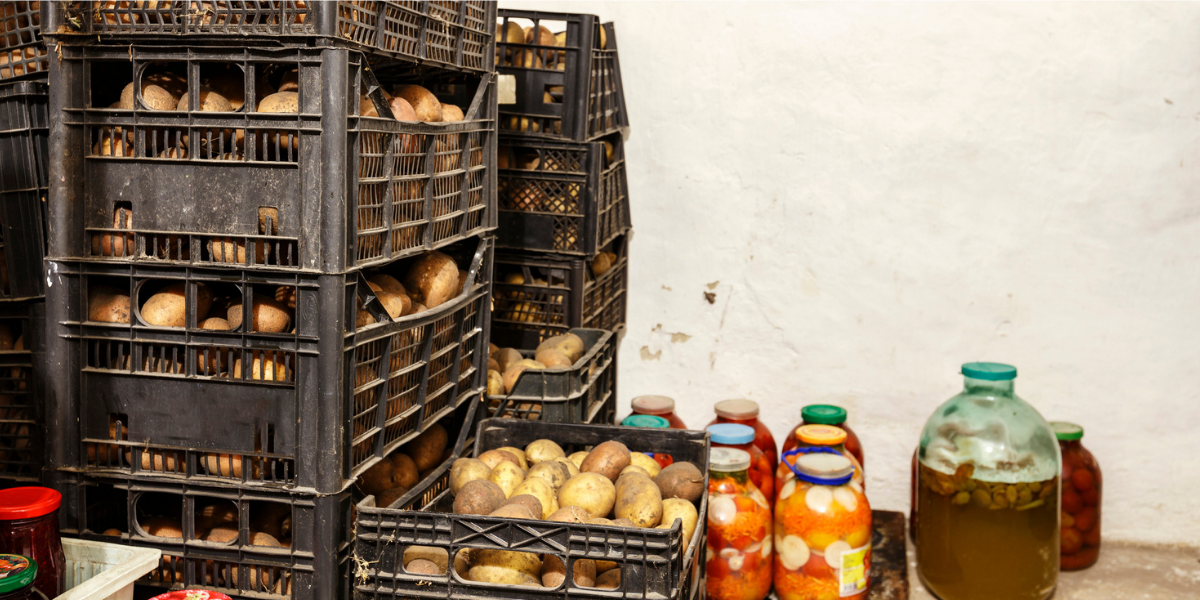
Maincrop potatoes can be lifted once the foliage has died back. Choose a dry day, allow the skins to dry and store only sound, undamaged tubers somewhere cool, dark and frost-free.
Check pumpkins and winter squash too. Give developing fruits as much sunshine as possible and lift them away from damp soil using a tile, piece of wood or similar support. Leave them to develop hard skins before bringing them into storage.
What to Sow in September
September doesn't have to mean the end of sowing. The soil retains some summer warmth, while cooler conditions suit a number of leafy crops.
Try sowing:
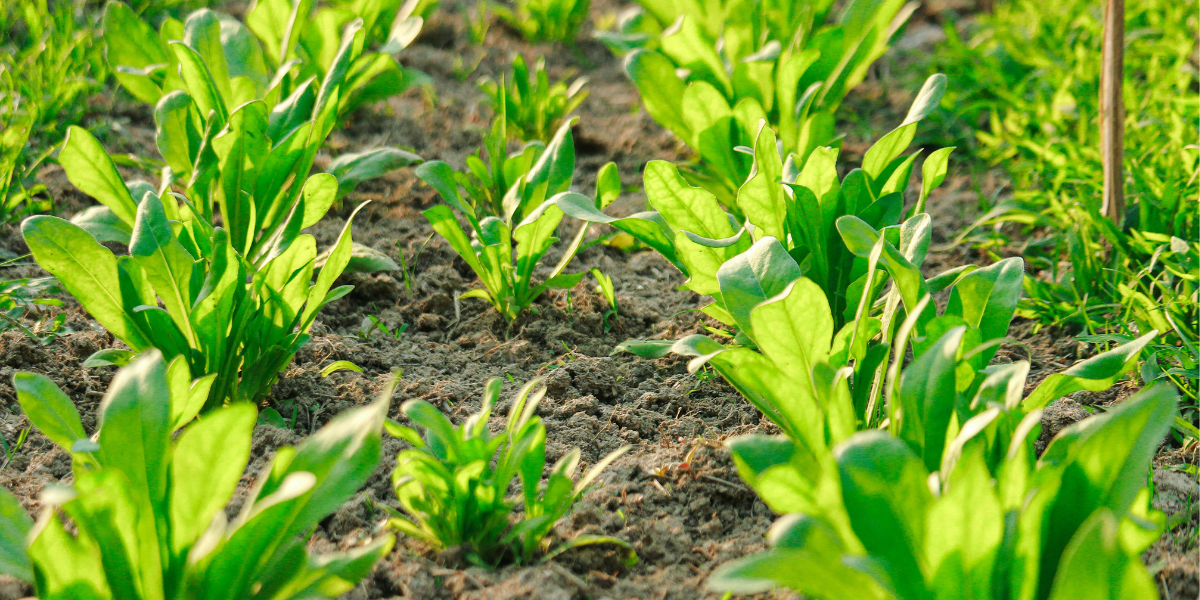
- Winter spinach
- Rocket
- Mizuna
- Lamb's lettuce
- Winter lettuce
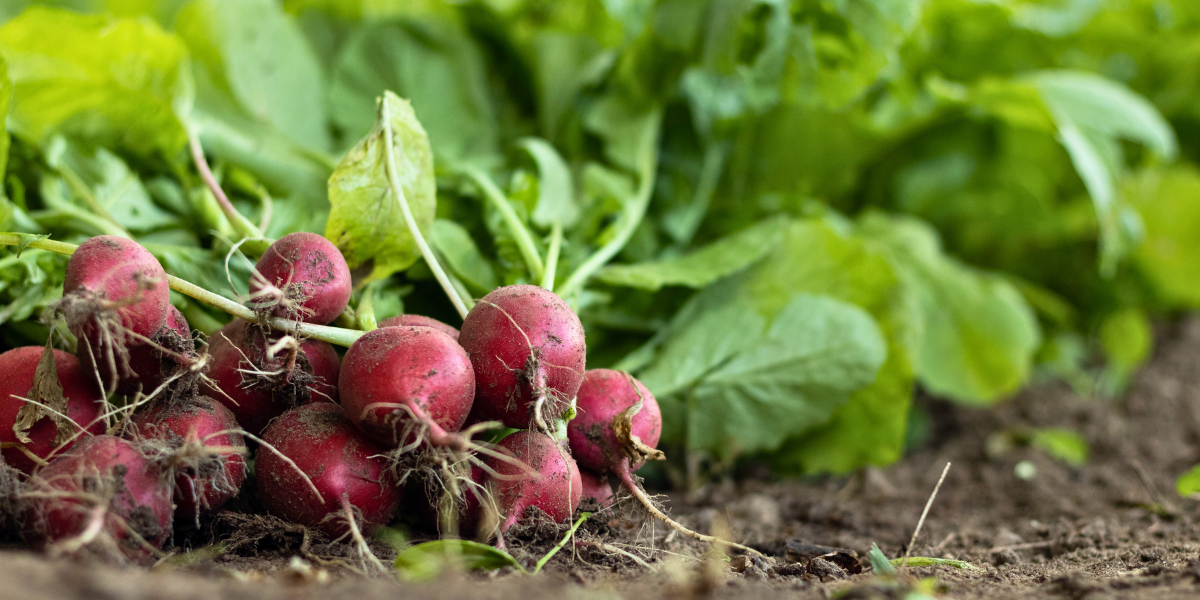
- Radishes
- Pak choi
- Land cress
A greenhouse, polytunnel, cold frame or cloche can extend the season considerably and provide fresh leaves when outdoor growth has slowed.

Give Empty Beds a New Job
As summer crops finish, think about what each empty bed will do next. A simple approach is to decide whether it will be growing, covered or resting.Keep it growing
September still offers opportunities to sow quick-growing crops such as spinach, rocket, mizuna and lamb's lettuce, or to prepare ground for autumn-planted garlic and onions.
If you don't need the bed straight away, avoid leaving the soil bare. Autumn and winter rain can damage soil structure and wash away nutrients, while weeds quickly move in. Add compost or well-rotted organic matter and mulch or cover the surface until it is needed again.
Try a green manureGrazing rye, winter field beans and other overwintering green manures can protect the soil, suppress weeds and add valuable organic matter. Choose varieties with your crop rotation in mind — for example, avoid mustard before growing brassicas.
A bed doesn't have to be growing something to be productive. Weed it, add organic matter where needed and protect the surface. By spring, you'll have fewer weeds and soil that's ready to get growing again.
Turn September Waste into Next Year's Compost
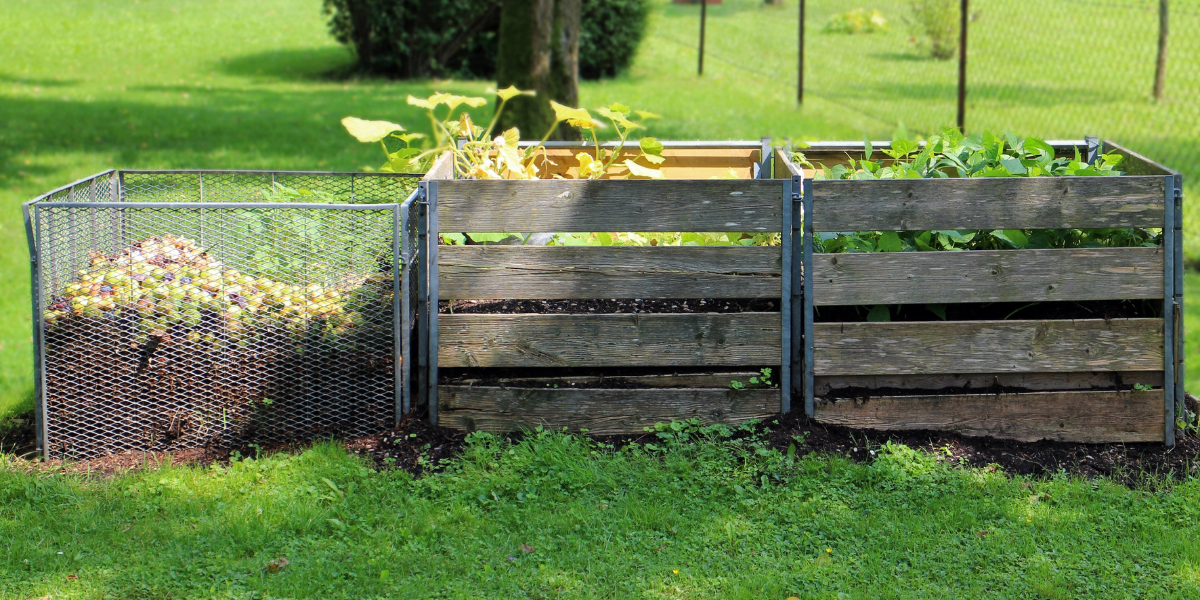
September's clear-up can produce a surprising amount of compostable material, making it a great time to replenish or restart the compost heap.
Spent vegetable plants, grass clippings and fresh prunnings provide plenty of nitrogen-rich 'greens' . Balance these with carbon-rich.
Balance these with carbon-rich 'browns' such as shredded cardboard, dry stems, small amounts of woody material and fallen leaves. Aim for a varied mixture rather than adding large quantities of one material at once.
Chop up tough stems and larger plants before adding them. Smaller pieces have more surface area for composting organisms to work on and will generally break down more quickly.
If the heap looks dry, add a little water; if it becomes wet and compacted, mix in more dry brown material. Turning the contents occasionally will introduce air and help decomposition.
As autumn leaves begin to fall, consider collecting some separately to make leaf mould . Pack damp leaves into a simple wire cage or reusable sack with air holes and leave nature to do the work. It takes longer than ordinary compost, but the finished leaf mould makes an excellent mulch and soil conditioner.
Most importantly, be selective about what goes onto the heap. Avoid adding diseased plant material and troublesome perennial weeds that could survive the composting process. A little attention now can turn this season's allotment waste into something valuable for next year's soil.
Help Summer Crops Over the Finish Line
Don't give up on productive plants simply because autumn has arrived.
Tomatoes, peppers, chillies, aubergines and cucumbers under cover can continue cropping if conditions remain favourable. Keep harvesting and maintain good ventilation, particularly as colder nights increase condensation.
Outside, remove leaves that are heavily shading pumpkins and squash so the fruits receive more light.
Tender crops are increasingly vulnerable as September progresses, however, so keep an eye on your local forecast rather than relying on the calendar.
Start Thinking About Autumn Planting
September is an ideal time to prepare areas that will be planted later in autumn.
Decide where garlic and autumn onion sets will go and clear perennial weeds from the area. Good drainage is particularly important because bulbs sitting in wet winter soil are more likely to rot.
Spring cabbages can also be planted out this month. Firm them in well and protect them from pigeons and remaining cabbage white butterflies where necessary.
New strawberry plants can be established while the soil is still relatively warm, giving them time to develop roots before winter.
Pick, Check & Store
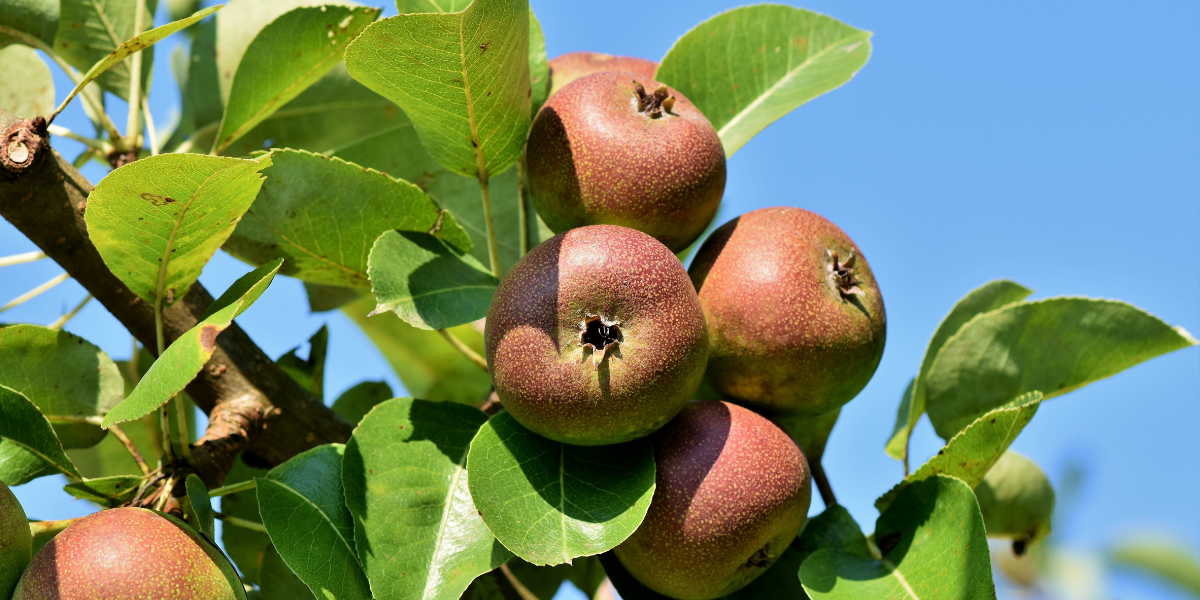
Apples and pears can produce one of the month's biggest harvests, but don't assume every fruit on a tree is ready at once.
Gently lift and twist the fruit. If it comes away easily, it is usually ready to pick. Check trees regularly as different varieties — and even different parts of the same tree — can ripen at slightly different times.
Fruit intended for storage needs careful handling. Set aside bruised, damaged or blemished fruit to use first and store only sound specimens.
Clear windfalls regularly. Fallen fruit can attract wasps and other pests and quickly begins to rot.
Don't Make the Plot Too Tidy
The instinct to clear everything away in autumn isn't always helpful.Seed heads, hollow stems, small log piles and undisturbed corners can provide food and shelter for insects, birds and other allotment wildlife.
Late flowers are particularly valuable. Dahlias, asters, sedums, rudbeckia, cosmos and verbena can continue supplying nectar and pollen while conditions remain mild.
Remove diseased plant material and anything causing a problem, but consider whether the rest genuinely needs to be cleared.
September Problems to Look Out For
Changing weather brings changing challenges.
Slugs and Snails can become more noticeable as conditions turn wetter, particularly around young autumn sowings.
Cabbage white caterpillars may still be feeding on brassicas, so continue checking leaves and protective netting.
Leek moth and allium leaf miner can cause problems in susceptible areas. Fine insect-proof mesh provides useful protection.
Powdery mildew often becomes obvious on courgettes and squash towards the end of their season.
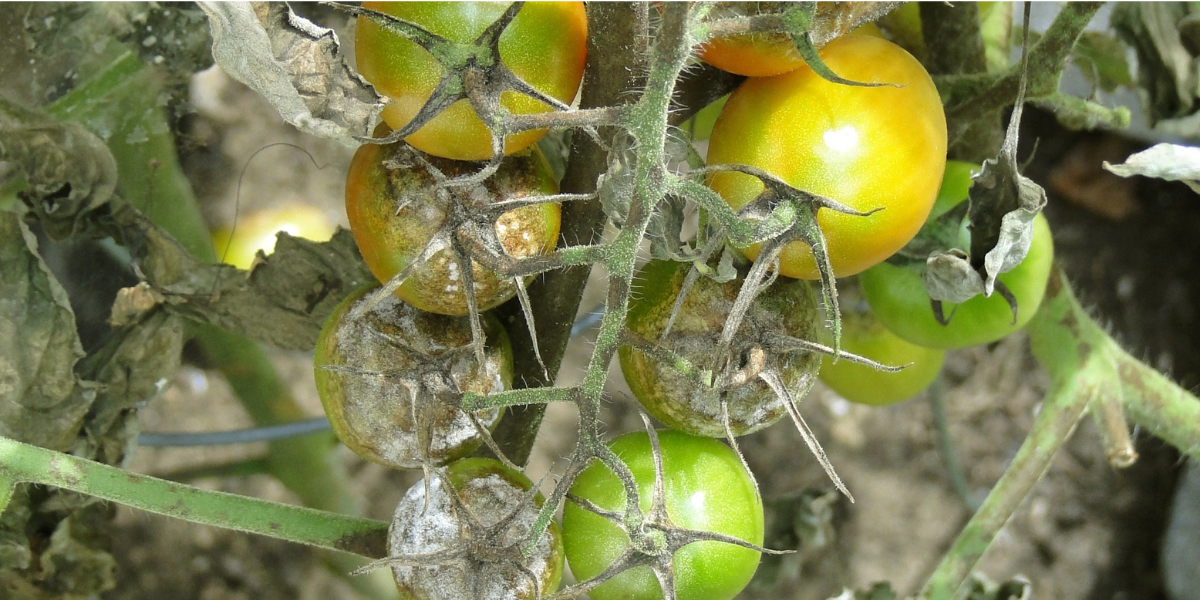
Blight can still affect tomatoes and potatoes during suitable weather conditions. Remove affected material promptly rather than adding it to the compost heap.
Five Jobs for the End of September
Before the month is over:
Photograph your plot .It is surprisingly useful when planning next year's layout and crop rotation.
Label stored produce. Add the variety and harvest date, particularly to potatoes, squash and apples.
Check water collection. Clear gutters and make sure water butts are ready to capture autumn rainfall.
Inspect structures. Secure loose greenhouse panels, shed roofing, netting and other structures before autumn winds arrive.
Write down what worked. Record successful varieties, disappointing crops, pest problems and anything you want to grow differently next year.
By spring, you may have forgotten far more than you expect.
What Can You Harvest in September?
Depending on your location and growing conditions, the September allotment harvest could include:
- Apples and pears
- Autumn raspberries and blackberries
- Beetroot
- Carrots
- Chard
- Courgettes and marrows
- French and runner beans
- Leeks
- Maincrop potatoes
- Onions
- Peppers and chillies
- Plums and damsons
- Pumpkins and squash
- Sweetcorn
- Tomatoes
Looking Towards October
By the end of September, the allotment can look very different from the beginning of the month.
More beds will become available, leaves will be falling and attention will increasingly turn towards garlic, autumn onion sets, winter protection and improving the soil.
There is no need to clear everything at once. Work through the plot as crops finish, keep productive plants going for as long as conditions allow and protect the ground you won't be using.
September on the Allotment
September isn't simply about putting the allotment to bed. It is a month for getting more from the current season while quietly beginning the next one.
Harvest what is ready, sow where there is still an opportunity, protect empty soil and make a record of this year's successes and failures. A few well-chosen September jobs can keep the plot productive through autumn and make life considerably easier when spring comes around again.
Join The National Allotment Society
Become a National Allotment Society member and help to preserve and protect allotments for future generations.
You'll also gain a range of benefits, including free liability insurance, initial legal support, expert advice and much more.
Non Member Newsletter Signup

National Society of Allotment & Leisure Gardeners Ltd
Registered in 1930 under the Industrial & Provident Societies Acts no. 11144R
VAT No. 1212930 14
Patron His Majesty King Charles III
© 2022-2023 National Society of Allotment & Leisure Gardeners Ltd