Designing an Allotment –Plan a Plot That Works for You
Taking on an allotment is exciting, but standing in front of a new or overgrown plot can also be a little overwhelming. Where should the beds go? Where will you put the shed or greenhouse? What should you grow first? And how can you make space for wildlife without sacrificing valuable growing ground?

Good allotment preparation starts before you pick up a spade. Taking some time to understand your plot and think about its layout can make it easier to manage, more productive and better for biodiversity.
Whether you're starting from scratch, looking for allotment garden ideas , or redesigning an established plot, here are some things to consider.
Get to know your plot first
Consider:
- Which direction does your plot face?
- How does the sun move across it during the day?
- Are areas shaded by trees, hedges, sheds or neighbouring structures?
- Is the plot exposed to prevailing winds?
- Are there particularly wet or dry areas?
- Could any part of the plot be a frost pocket?
- What is already growing there?
Talking to established plot holders can be particularly useful. They may know which parts of the site are prone to frost or flooding, where the wind causes problems and which crops perform especially well in your local conditions.
If you've inherited an overgrown plot, don't rush to clear everything. You may discover established fruit bushes, perennial plants or areas already providing valuable habitat for wildlife.

Check your allotment rules before you start
Rules can vary considerably from one site to another. There may be restrictions on sheds and greenhouses, ponds, raised beds, fencing, fruit trees, livestock, beekeeping and other structures or activities. You may also need permission before making certain changes.
This is an important part of allotment preparation . A quick check at the beginning could save you time, money and the frustration of having to move or remove something later.
If you're unsure, speak to your allotment association, site secretary, landlord or local authority before going ahead. It's also worth checking the rules before buying anything substantial for the plot.
And this applies to some of the more creative allotment garden ideas
too. Before installing lighting, larger decorations or other features, make sure they're permitted and won't inconvenience neighbouring plot holders.

Designing an allotment around how you'll use it
Think practically about how you will move around the plot. Can you reach the middle of your beds without standing on the soil? Can you get a wheelbarrow down the paths? Where will you store tools? How far will you need to carry water or compost?
Accessibility is important too. Wider paths, raised beds, seating and conveniently positioned water can make a plot much easier and more enjoyable to use.
Most importantly, be realistic about how much time you have. You don't have to cultivate every inch in your first year. Starting with a manageable growing area and gradually expanding it can be much more achievable.
.jpg)
Planning a low maintenance allotment
If you don't have hours to spend on your plot every week, build that into your design from the beginning.A low maintenance allotment doesn't mean a neglected allotment. It simply means making choices that reduce unnecessary work.
Permanent fruit bushes and perennial crops can reduce the amount of annual sowing and planting required. Mulching can help suppress weeds and retain moisture, while clearly defined beds and paths can make maintenance easier.
Ground-covering materials on suitable paths may reduce weeding, and installing water butts close to where water is needed can save countless journeys across the plot.
You could also consider growing crops that give plenty back without requiring constant attention. Courgettes, squash, chard, rhubarb, soft fruit and some perennial herbs can all earn their space.
A slightly smaller growing area that you can look after properly is often more rewarding than a huge area that becomes difficult to manage.
.png)
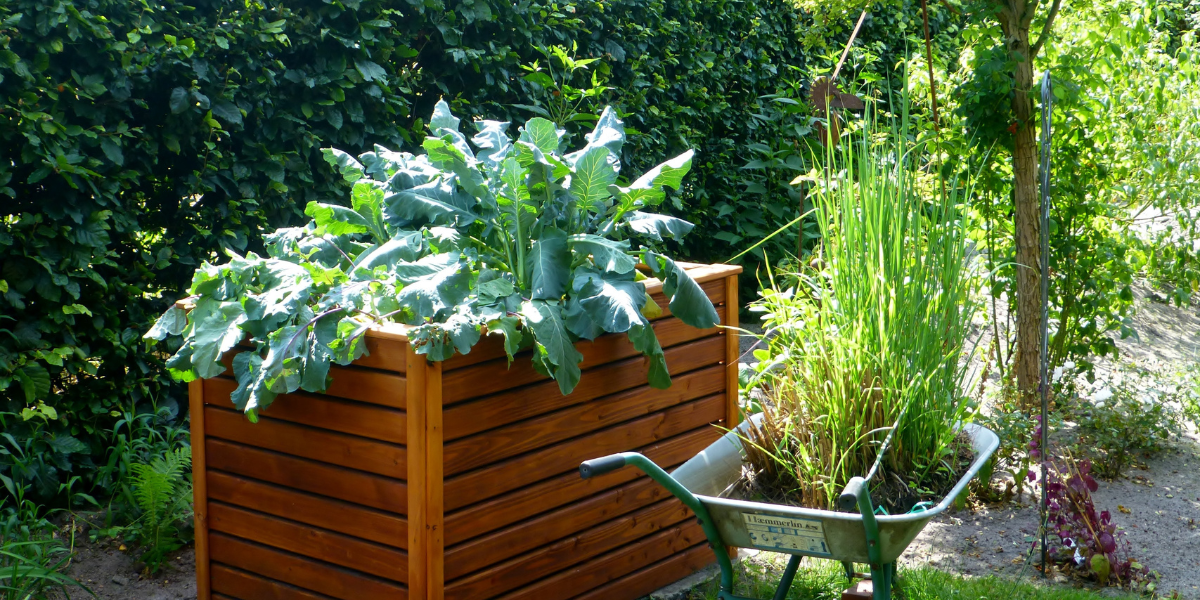
Decide where your growing beds will go
Fruit and vegetables will naturally be at the heart of most allotments, so give your main growing areas priority when choosing the sunniest and most accessible parts of the plot.If you're creating beds, make sure they're a comfortable width so you can reach the centre without walking on the soil. Leave practical paths between them and think about how the layout will work when plants are at their largest in midsummer, rather than when beds are relatively empty in winter.
You may also want a dedicated nursery bed for young plants, an area for cut flowers or somewhere for crops that need a little more space.
Sketching your ideas on paper before you start is one of the simplest forms of allotment preparation , and it can prevent a lot of moving things later.
Plan permanent crops carefully
Some crops will occupy the same space for many years, so decide where they belong before planting.Asparagus beds can remain productive for many years, while raspberries, gooseberries and red, white and blackcurrants are all long-term additions to a plot.
Fruit trees need careful thought too. Consider their eventual height and spread and whether they could cast shade over your own or neighbouring growing areas.
Permanent planting can also be excellent for biodiversity. Fruit blossom provides food for pollinating insects, while shrubs and perennial plants add different heights, shelter and habitats to the allotment.
Think about crop rotation
Your layout should allow you to move annual crops around the plot.
Growing the same crop family in exactly the same place year after year can encourage a build-up of certain pests and diseases. A simple rotation helps avoid repeatedly growing susceptible crops in the same ground.
You might divide your growing area broadly between:
- Brassicas – cabbages, kale, broccoli and Brussels sprouts
- Legumes – peas and beans
- Roots and alliums – carrots, parsnips, onions, garlic and leeks
- Potatoes and other crops

Make wildlife part of your allotment garden ideas
A wildlife-friendly allotment doesn't require you to hand over half your plot to nature. Instead, biodiversity can be incorporated throughout the design.Flowers grown alongside vegetables and around bed edges can provide nectar and pollen for bees, hoverflies and other insects. Herbs can be particularly useful when allowed to flower, and choosing plants that bloom at different times can provide food over a longer season.
Fruit trees and bushes offer blossom for pollinators as well as a harvest for you. A small pile of logs tucked into a quiet corner can provide habitat for invertebrates, while hollow plant stems left standing over winter can offer shelter.
Wildlife-friendly doesn't have to mean untidy either. A deliberately managed wildlife area is very different from allowing invasive plants or weeds to spread onto neighbouring plots.

Give compost a proper home
Don't design the entire plot and then squeeze your compost bins into whatever corner happens to be left.Compost is one of an allotment's most useful resources, turning garden waste into valuable organic matter for the soil.
If you have room, more than one compost bay makes managing the process easier, allowing fresh material to be added to one while another matures.
Compost heaps can also provide habitat for worms and many other organisms, adding another little ecosystem to your plot.
Put them somewhere practical too. You'll appreciate the decision when you're moving barrowloads of material around.

Position sheds and greenhouses carefully
A greenhouse or shed can be extremely useful, but don't automatically put it in the first available space.
For a greenhouse, choose a level site with good light and, where possible, enough room around it for cleaning and maintenance. Observe how sunlight falls across the plot at different times before deciding on its position.
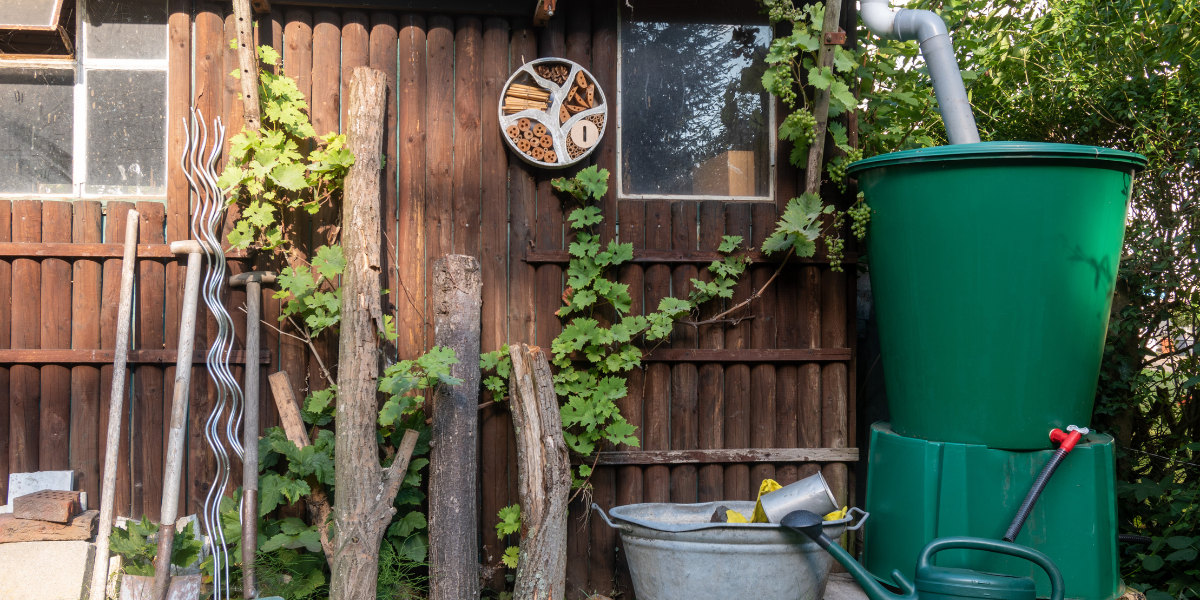
Think about water at the same time. Guttering on a greenhouse or shed provides an ideal opportunity to collect rainwater, so include space for water butts in your design.
Structures can create shade and affect neighbouring plots, so consider their position and eventual impact.
Again, check your tenancy agreement and site or association rules before buying or erecting a greenhouse, shed or other structure . Permission may be required and there may be restrictions on size, materials or positioning.

Plan for water
Where will your water come from and how far will you have to carry it?
It sounds simple, but it can make an enormous difference to how easy your plot is to manage.
Where permitted, collect rainwater from sheds and greenhouses and position water butts somewhere convenient. Mulching, adding organic matter and choosing plants suited to your conditions can also reduce the amount of additional watering required.
For anyone trying to create a low maintenance allotment , good water planning can save a considerable amount of time during a hot, dry summer.
Grow upwards as well as outwards
When space is limited, look upwards.
Beans, peas and climbing flowers can all make use of vertical structures, while suitable fruit can be trained against boundaries.
Vertical growing makes productive use of limited space and introduces different heights and structures to the plot, which can benefit wildlife too.
Remember what is happening underground as well. Healthy allotment soil is full of life, so adding organic matter and avoiding unnecessary disturbance can be just as valuable for biodiversity as the wildlife features you can see.

Make it your allotment
Not every part of designing an allotment needs to be entirely practical.
Your plot is somewhere you'll hopefully spend many happy hours, so there is nothing wrong with giving it a little personality.
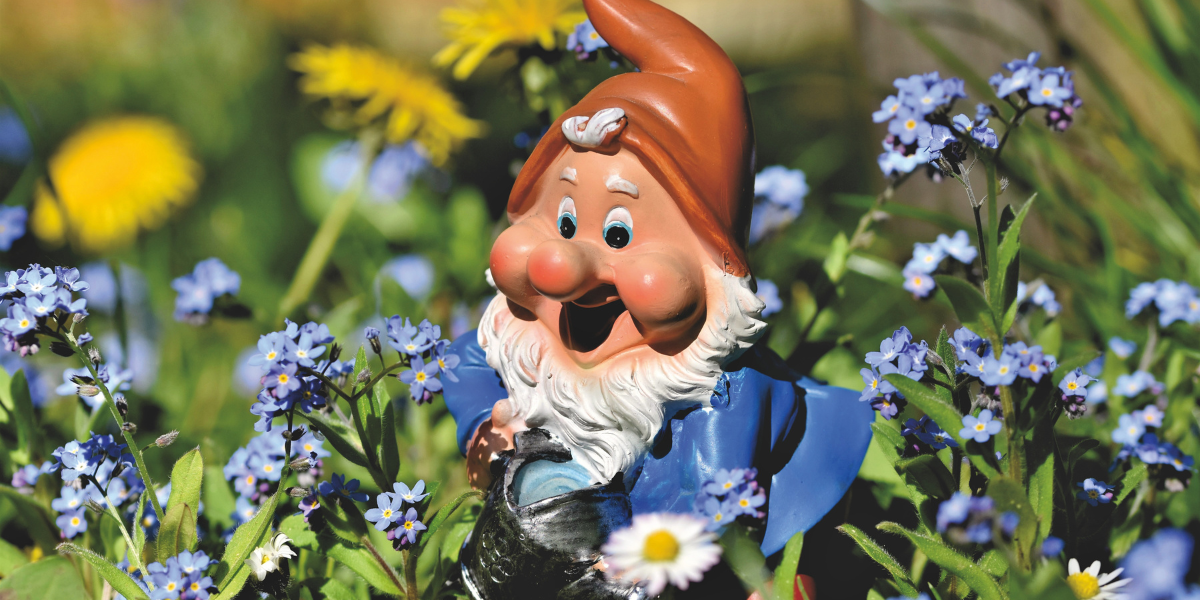
Perhaps that means a brightly painted shed, a handmade plot sign, an old teapot planted with flowers or a particularly magnificent allotment gnome keeping watch over the cabbages.
Solar fairy lights can add a little sparkle around a seating area or shed, while bunting, painted containers, homemade scarecrows and recycled decorations can make a plot feel distinctly yours. Just make sure anything you add is secure, suitable for outdoor use and, of course, allowed under your allotment rules.
And if garden gnomes aren't your thing, that's fine too. One person's cheerful allotment decoration is another person's clutter!
The best allotment garden ideas are often those that make you smile when you open the gate.
Don't forget somewhere to sit
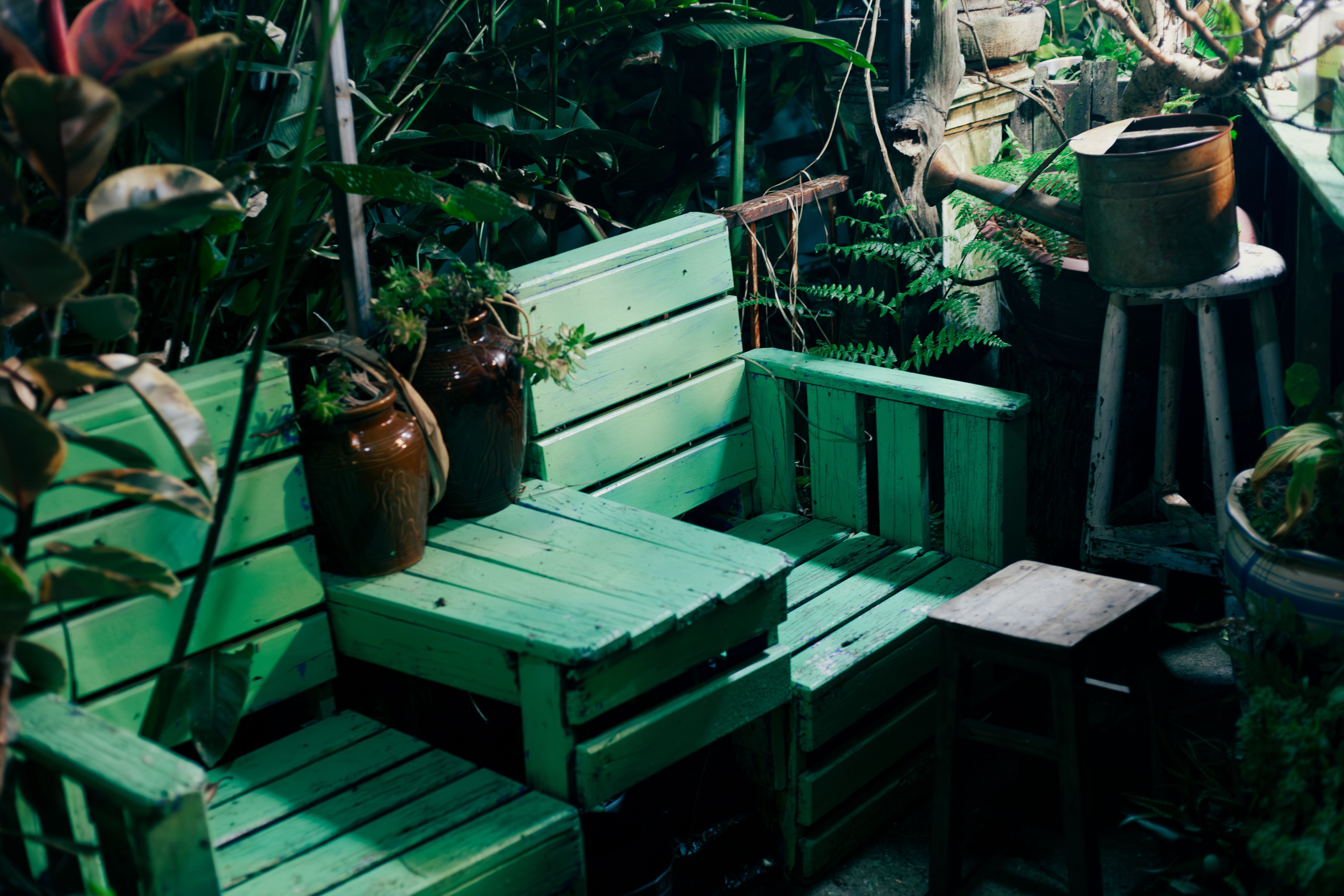
Amid all the beds, compost bins, water butts and growing structures, leave yourself somewhere to enjoy the results.
A well-positioned bench or chair gives you somewhere to stop for a cup of tea, but it can also change how you experience your allotment.
Sit quietly for ten minutes and you may notice which flowers the bees prefer, where birds are searching for food or which insects are visiting your crops.
Allotments aren't simply places to produce fruit and vegetables. For many people, spending time outdoors, meeting other plot holders and observing the changing seasons are just as important.
Your allotment will evolve
There is no single correct way to design an allotment.
One plot holder might favour traditional rows of vegetables, while another may choose raised beds surrounded by flowers, herbs and fruit. Some will want a greenhouse and large composting area; others may prioritise perennial crops, wildlife or creating a
low maintenance allotment
they can comfortably manage.
You probably won't get everything right first time – and that's part of the enjoyment.
Over the seasons you'll discover which areas receive the most sun, where water collects, which crops thrive, which flowers attract the most pollinators and which parts of the plot you use most.
By thinking about food, soil, water, biodiversity and wildlife
from the beginning – and checking your site rules before making major changes – you can create a productive and manageable allotment that is also full of life.
food, soil, water, biodiversity and wildlife
from the beginning – and checking your site rules before making major changes – you can create a productive and manageable allotment that is also full of life.
And whether your finishing touch is a wildlife pond, a row of sunflowers or a slightly wonky garden gnome, make it a plot you enjoy spending time on.
Join The National Allotment Society
Become a National Allotment Society member and help to preserve and protect allotments for future generations.
You'll also gain a range of benefits including free liability insurance, initial legal support, expert advice and much more.
Non Member Newsletter Signup

National Society of Allotment & Leisure Gardeners Ltd
Registered in 1930 under the Industrial & Provident Societies Acts no. 11144R
VAT No. 1212930 14
Patron His Majesty King Charles III
© 2022-2023 National Society of Allotment & Leisure Gardeners Ltd