How to Get More Volunteers for Your Allotment Association
One of the challenges allotment associations regularly tell us about is finding enough people willing to volunteer.
You might have dozens – or even hundreds – of plot-holders, but when it comes to joining the committee, helping at a work party, organising an event or taking responsibility for a particular task, it can sometimes feel as though the same few names appear every time.
If that sounds familiar, you are certainly not alone.
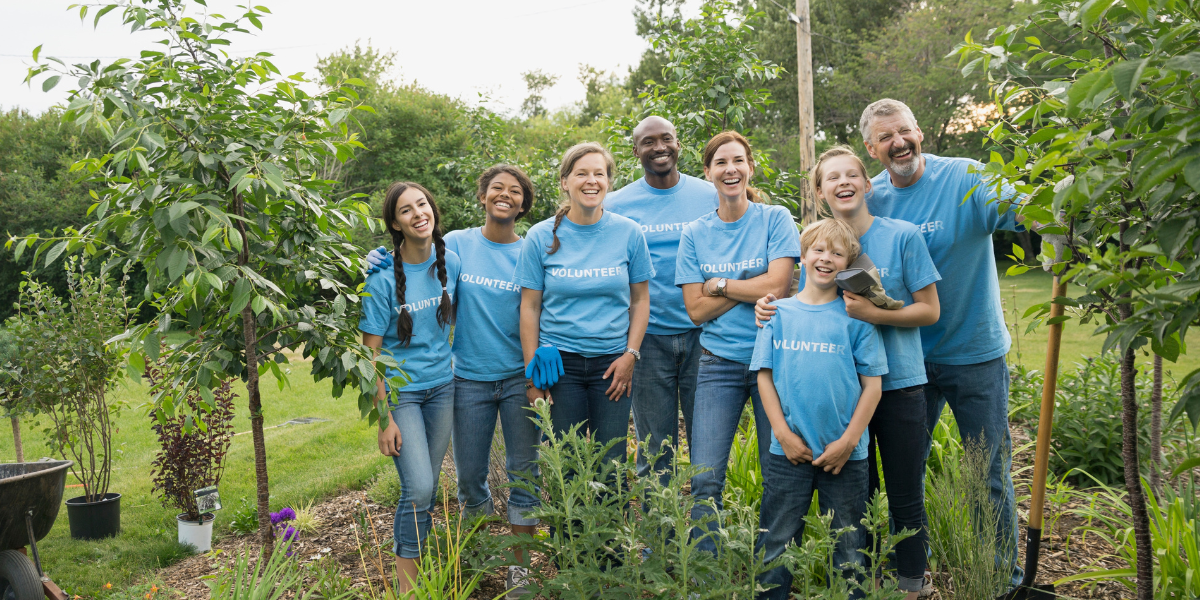
Volunteers are essential to many allotment associations, but simply asking for “more volunteers” doesn't always work. People may be short of time, unsure about what is involved, worried about taking on too much responsibility or simply unaware that help is needed.
So, how can you encourage more people to get involved?
Here are some practical ideas your association can try.
1. Find out why people aren't volunteering
Some members may:
- Have limited spare time.
- Think volunteering means joining the committee.
- Be worried about making a long-term commitment.
- Not know what help is actually needed.
- Feel they don't have the right experience.
- Be new to the site and not know many people.
- Assume existing committee members have everything covered.
- Have previously offered to help but haven't been asked again.
- Find meetings intimidating or inconvenient.
- Simply be waiting for someone to ask them personally.
A member who can't commit to monthly committee meetings might still happily give two hours to a work party twice a year.
Volunteering doesn't have to mean joining the committee.
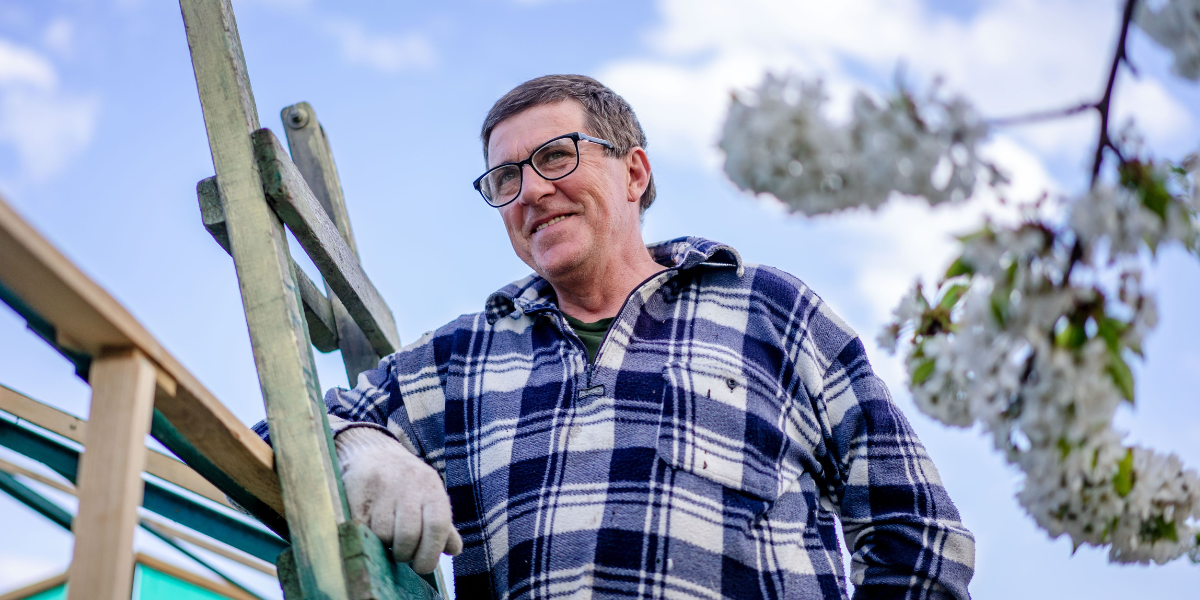
2. Ask for something specific
Compare these two requests:“We desperately need more volunteers. Can anyone help?”
and:
“Could two people spare an hour on Saturday morning to help clear the area around the communal shed?”
The second is much easier to respond to.
When asking for help, explain:
What needs doing?
Be specific about the task.
How much time will it take?
An hour sounds far less daunting than an unspecified commitment.
When does it need doing?
Give people a clear date or timeframe.
Does the volunteer need any particular skills?
If not, say so.
Will someone be there to help them?
People may be more willing to volunteer if they know they won't be left to work everything out themselves.
Small, clearly defined jobs are a good way of introducing people to volunteering.
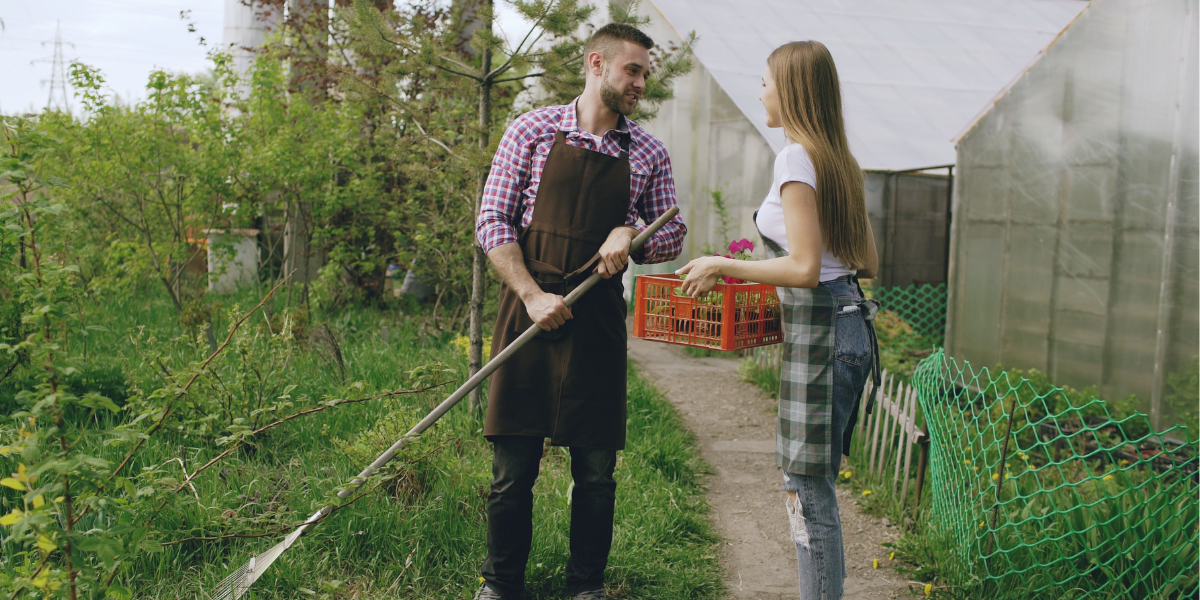
3. Break big jobs into smaller ones
For example, instead of looking for one person to “organise the summer show”, could several people take responsibility for different elements?
One person could manage entries, another could organise refreshments, someone else could promote the event and another volunteer could help set up on the day.
The same principle can be applied to many association activities.
Rather than having one person responsible for all communications, you might have one person updating the noticeboard, another looking after social media and someone else sending member emails.
Many small contributions can be more sustainable than one large commitment.
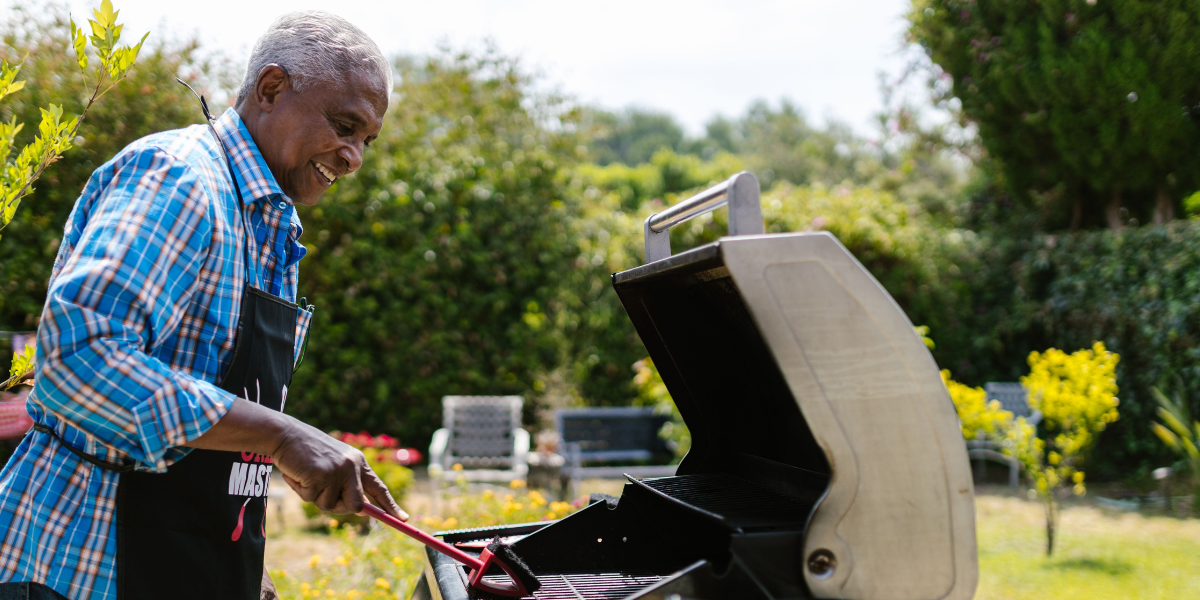
4. Don't just advertise committee vacancies
If the only volunteering opportunities members hear about are Chair, Secretary and Treasurer, you may be missing a large group of potential volunteers.Think about all the activities involved in running your association.
Depending on your site, volunteers could help with:
- Welcoming new plot-holders.
- Showing prospective tenants around.
- Supporting new growers.
- Organising work parties.
- Maintaining communal areas.
- Managing a communal composting area.
- Updating noticeboards.
- Social media.
- Website updates.
- Photography.
- Newsletter content.
- Organising events.
- Refreshments.
- Fundraising.
- Grant applications.
- Wildlife projects.
- Seed swaps.
- Tool libraries.
- Plot inspections.
- Site maps and plot planning.
- Taking minutes.
- Helping at the AGM.
- Maintaining sheds or other communal facilities.

5. Carry out a simple skills audit
Your allotment association probably contains far more expertise than you realise.Among your plot-holders there may be accountants, builders, administrators, designers, teachers, electricians, gardeners, IT specialists, photographers, social media users, event organisers and people with experience of community organisations.
You won't know unless you ask.
A simple voluntary skills audit could ask members:
Do you have a skill or area of experience you would be happy to occasionally share with the association?
You could provide examples such as:
- Administration
- Finance
- IT
- Social media
- Photography
- Event organisation
- DIY and maintenance
- Growing knowledge
- Fundraising
- Grant applications
- Training
- Community engagement
It simply helps the committee understand what knowledge exists within the association.

6. Ask people personally
A general email asking 100 people for help can sometimes result in nobody responding because everyone assumes somebody else will do it.
A personal conversation can be much more effective.
Perhaps you've noticed that someone is particularly welcoming to new plot-holders. You could ask:
“You're really good at helping new people settle in. Would you be interested in helping us welcome new members?”
Or perhaps someone regularly takes excellent photographs of the site:
“Would you be happy to take a few photos for our newsletter occasionally?”
People may not see themselves as “volunteers”, but they may be very happy to contribute something they already enjoy doing. The important thing is to ask rather than pressure.
7. Make it easy for new people to get involved
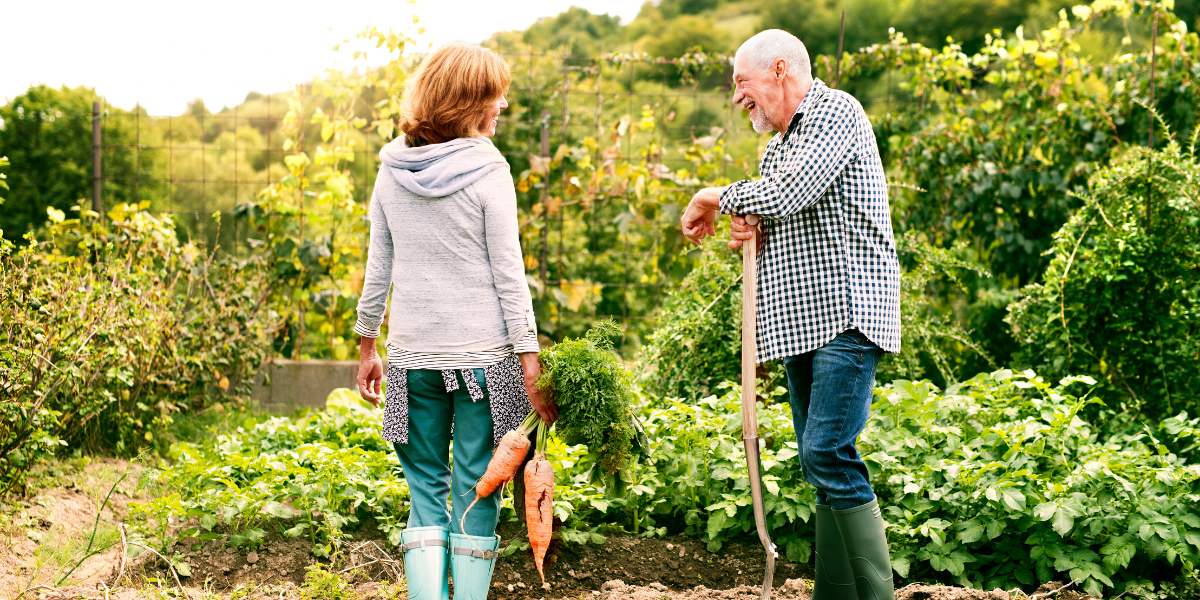
Walking into a committee meeting where everyone else has known each other for years can be intimidating.
Think about what volunteering looks like from the perspective of somebody new.
Do people know who to contact?
- Are volunteering opportunities advertised?
- Would somebody welcome them when they arrive?
- Do they know what they're expected to do?
- Are committee meetings explained clearly?
- Small changes can make an association feel much more accessible.
“I'd like to help”
option on membership forms, newsletters or your website so people can register an interest without committing to a particular role.
8. Turn work parties into social occasions
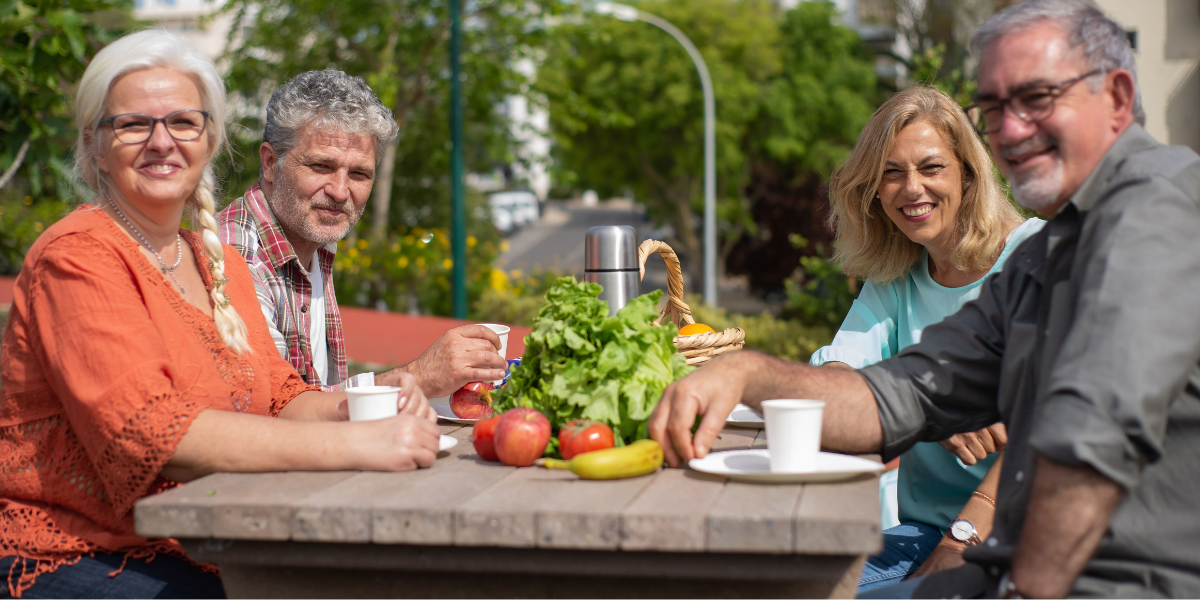
- Work parties are important for maintaining many sites, but they can also help build your allotment community.
- Rather than presenting them purely as a list of jobs, make them enjoyable.
- Plan achievable tasks, make sure people know what to bring and build in time for tea, coffee, sandwiches or cake.
- Pair newer members with people who know the site.
- Most importantly, make sure volunteers can see what has been achieved.
You can then thank everyone publicly and show other members what volunteering actually looks like.
It may encourage more people to join the next one.
9. Give new volunteers a good experience
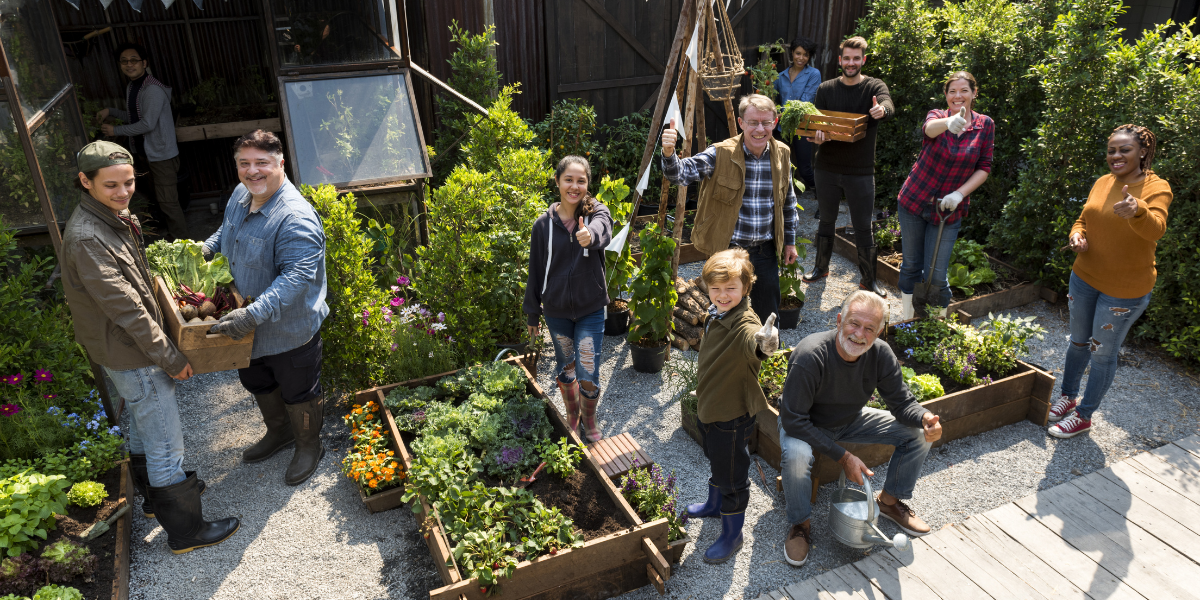
If their first experience of volunteering is confusing, stressful or unwelcoming, they may not volunteer again.
Make sure someone explains the task, introduces them to other people and checks that they have what they need.
Don't assume that because something has “always been done this way” a new volunteer will automatically know what that means.
Afterwards, ask how they found it.
A simple:
“Thanks for helping today – was everything clear, and is there anything we could do differently next time?”
can provide useful feedback and demonstrate that their experience matters.
10. Make volunteering inclusive
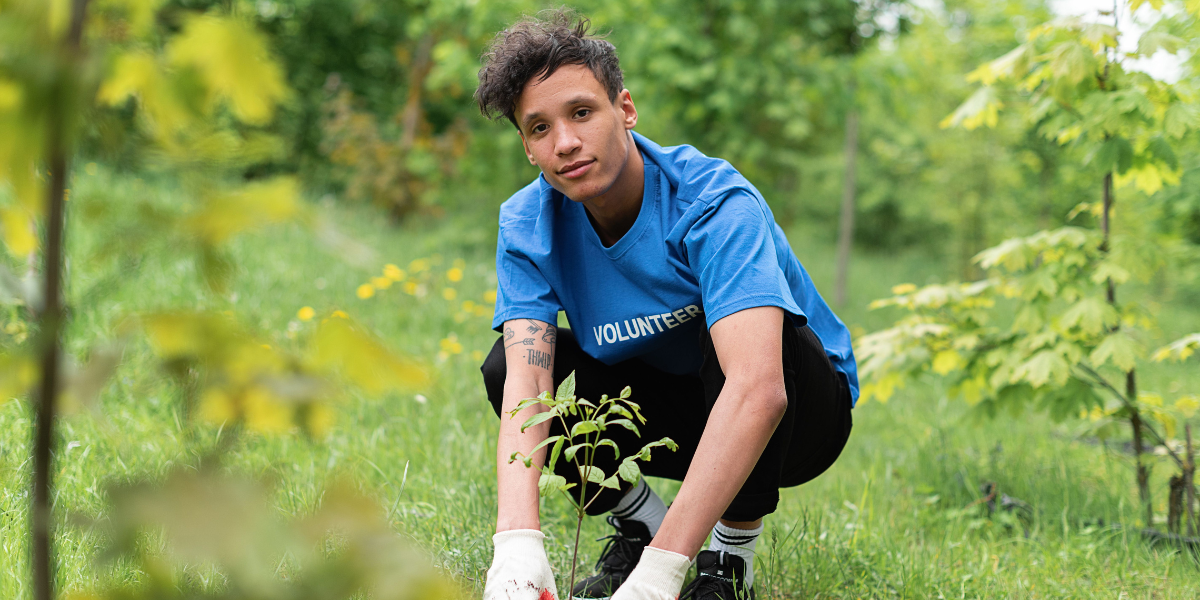
Someone may be unable to take part in physical maintenance work but could help with administration from home. Another member may have caring responsibilities and only be available occasionally. Someone else may prefer a practical job to attending meetings.
Try to provide different ways to contribute.
Volunteering might mean:
- 10 minutes – putting up a notice.
- 30 minutes – welcoming a new plot-holder.
- An hour – helping at an event.
- A morning – joining a work party.
- Occasionally – taking photographs or helping with social media.
- Regularly – taking responsibility for an association activity.
- Longer term – becoming a committee member or officer.
11. Don't let willing volunteers become overloaded
“I'll do it.”
- Those people are incredibly valuable – but they are also the people most at risk of becoming overloaded.
- If the same person is Secretary, organising events, answering member queries and managing the website, ask whether those responsibilities could be shared.
- Regularly review who is doing what.
- If one volunteer is carrying significantly more responsibility than everyone else, don't wait for them to say they are struggling.
- Ask what could be taken off their plate.
- A healthy association should be able to function when somebody goes on holiday, becomes unwell, moves house or decides it is simply time to step down.
12. Recognise and thank people
their time.
Make sure that contribution is recognised.That doesn't necessarily mean awards or formal presentations.
You could:
- Thank volunteers in your newsletter.
- Recognise their contribution at the AGM.
- Post photographs after a successful work party.
- Send a personal thank-you.
- Provide refreshments at volunteer activities.
- Celebrate the completion of a project.
- Simply say “thank you” when you see them on site.
- Don't only recognise committee officers either.

13. Create deputies and opportunities to learn
That can make recruitment difficult. Instead, ask whether somebody could learn the role.
Consider appointing deputies where appropriate or allowing potential future committee members to shadow existing officers.
An experienced Treasurer, for example, might spend several months showing a deputy how the association's finances operate.
A Secretary could involve another committee member in preparing agendas, taking minutes and managing correspondence.
This makes the eventual transition much less daunting.
It also means important knowledge isn't held by just one person.
14. Plan for succession before somebody leaves
“Our Secretary is standing down next month – does anyone want the job?”
Ideally, associations should always be thinking about who might become more involved in the future.
Look for opportunities to gradually increase responsibility.
Someone might:
Year one:
Help at a work party.
Year two:
Organise part of an event.
Year three:
Join the committee.
Year four:
Become a deputy officer.
Later:
Feel confident enough to take on an officer role.
It doesn't need to follow this exact path, of course, but the principle is important.
Give people the opportunity to grow into volunteering.
15. Create a committee people actually want to join
Members are unlikely to volunteer for a committee they perceive as argumentative, closed or dominated by a small number of people.
A healthy, inclusive committee should:
- Rotate roles where appropriate to reduce burnout and encourage new ideas.
- Foster a sense of community through shared goals and social events.
- Promote democracy and shared responsibility.
- Keep communication regular, clear and two-way.
- Be transparent about processes and decision-making.
- Acknowledge and celebrate volunteers.
- Value teamwork.
- Make space for different people to contribute.
- Listen respectfully to members.
- Recognise that allotments can generate passionate views.
People who feel valued, informed and listened to are more likely to become involved.

16. A simple volunteer recruitment plan
Try these five steps:
1. List what needs doing.
Include committee responsibilities, practical jobs, events and occasional tasks.
2. Break the list into manageable opportunities.
Identify jobs that might take an hour, a morning, once a month or a few times each year.
3. Ask your members what skills they have.
A simple voluntary skills audit can uncover expertise you didn't know existed.
4. Ask people personally.
Match individuals with opportunities that suit their skills and interests.
5. Look after the people who say yes.
Welcome them, explain the task, listen to them, thank them and don't overload them.
Then review what's working.
Ultimately, finding volunteers isn't simply about filling vacancies.
It is about building an allotment community where people feel that the association belongs to all of its members , rather than to the handful of people currently sitting on the committee.
Make it easy to contribute. Give people meaningful jobs. Listen to their ideas. Share responsibility. Support people to learn. Thank them for what they do.
And don't underestimate the person who says:
“I can only help for an hour.”
That hour could be their first step into your association. With the right experience and encouragement, they could become one of the people helping to keep it thriving for years to come.
Join The National Allotment Society
Become a National Allotment Society member and help to preserve and protect allotments for future generations.
You'll also gain a range of benefits including free liability insurance, initial legal support, expert advice and much more.
Non Member Newsletter Signup

National Society of Allotment & Leisure Gardeners Ltd
Registered in 1930 under the Industrial & Provident Societies Acts no. 11144R
VAT No. 1212930 14
Patron His Majesty King Charles III
© 2022-2023 National Society of Allotment & Leisure Gardeners Ltd