From Windowsills to Patios – Keep Growing This Winter
You don't need a large garden or an allotment to enjoy growing your own. Even the smallest spaces can offer opportunities to grow fresh food, connect with nature and enjoy the benefits of gardening throughout winter.
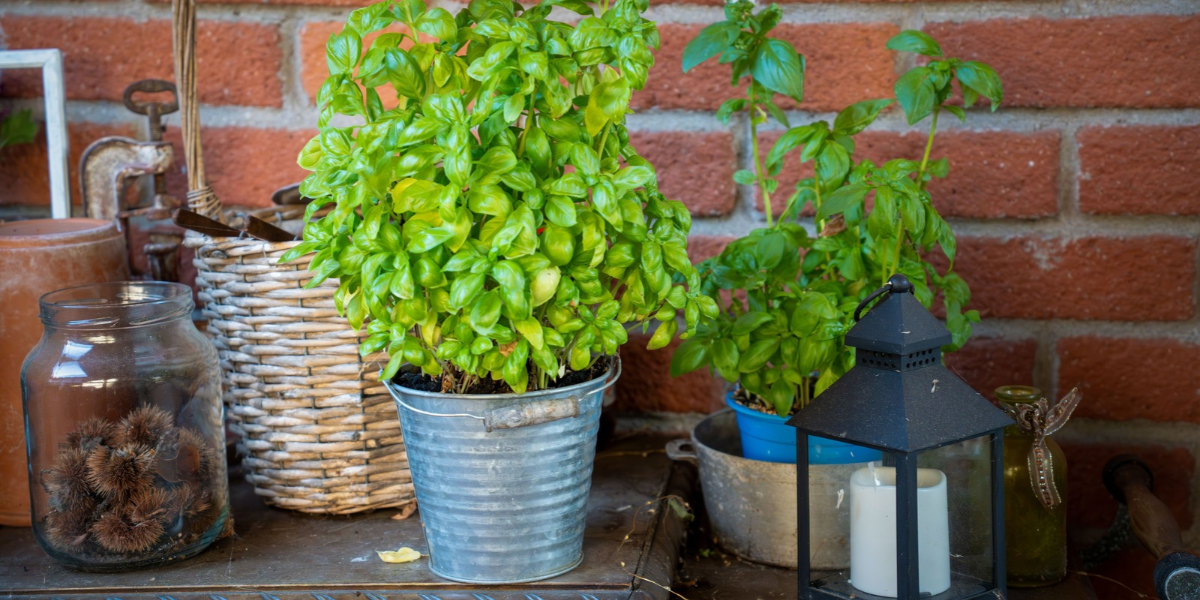
A sunny windowsill, sheltered balcony, patio or even a few well-placed containers can provide space to grow something rewarding.
And while winter brings shorter days and colder temperatures, there are still plenty of ways to keep gardening. At the National Allotment Society, we believe growing should be accessible to everyone, whatever space they have available.
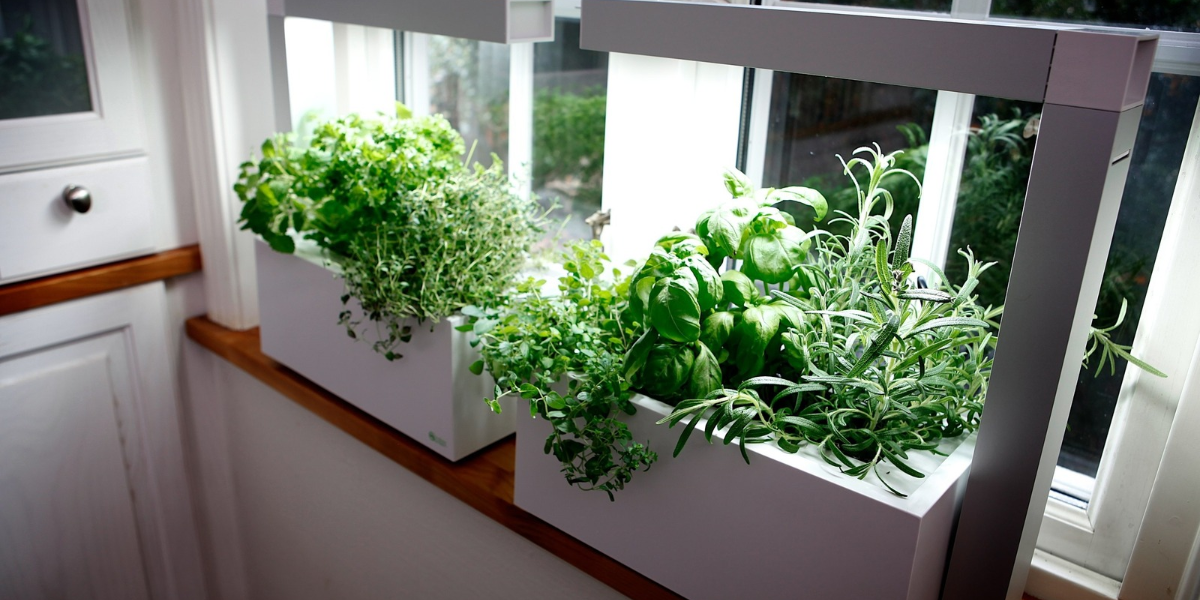
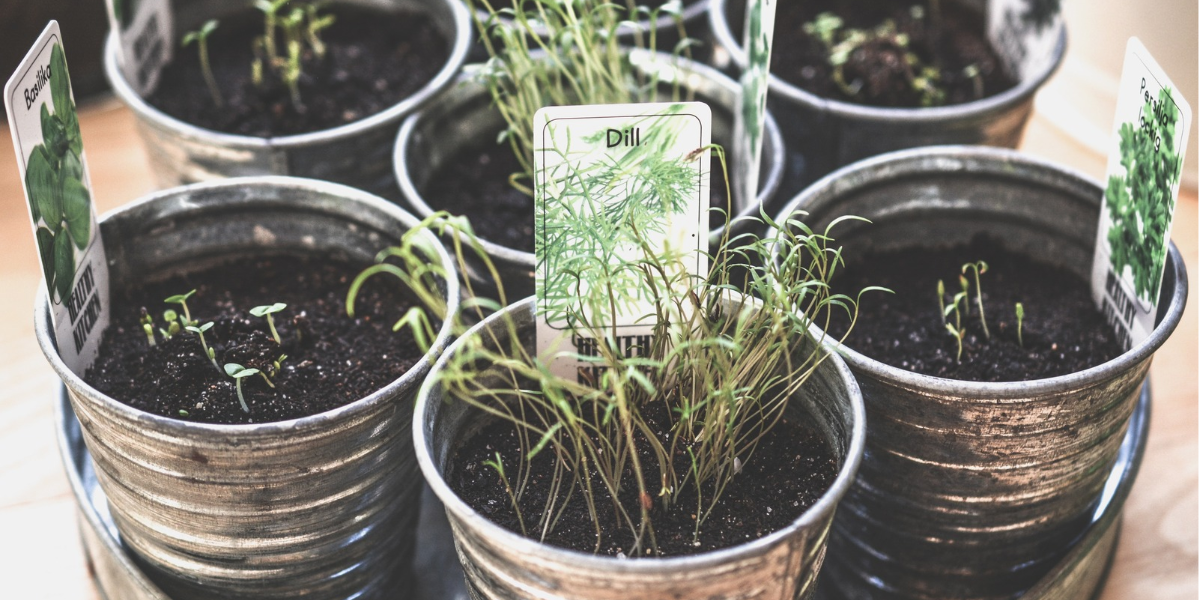
Growing on a Winter Windowsill
A windowsill can be a surprisingly productive growing space, particularly if it receives plenty of natural light.During winter, indoor growing is often more successful with crops that can be harvested young, rather than those that need months to mature.
What can you grow?
- Pea shoots – Quick to grow and ideal for adding to salads and sandwiches.
- Microgreens – Radish, broccoli and mustard can provide fresh young shoots in a small space.
- Chives – Established plants can provide occasional harvests throughout winter.
- Parsley – A useful kitchen herb that can continue growing indoors with sufficient light.
- Mint – Best grown in its own pot, with occasional harvesting when growth allows.
Remember that winter light levels are much lower, so growth will be slower. A small grow light can help if natural light is limited.
Top tip: Microgreens are particularly suitable for beginners because they need very little space and can often be ready to harvest within two to three weeks.
Making the Most of a Balcony
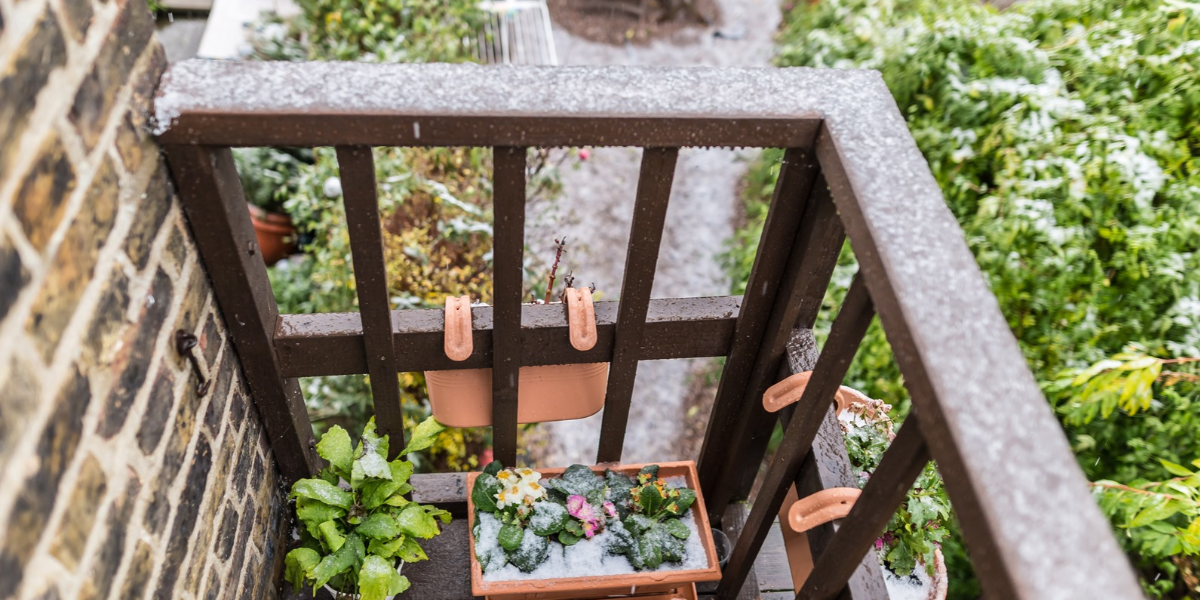
A balcony can offer plenty of growing potential, even if there's only room for a few pots. Containers allow you to grow a surprising variety of crops, and you can move smaller pots to more sheltered positions when temperatures fall.
Good winter options include:
- Winter lettuce varieties.
- Lamb's lettuce.
- Winter purslane.
- Hardy spinach.
- Kale.
- Chard.
- Established rosemary and thyme.
Balconies can be particularly exposed to wind, so secure pots carefully and consider grouping containers together for protection.
Check any building restrictions and balcony weight limits before installing large containers or raised beds.
Top tip: Use vertical space. Wall-mounted planters, shelves and tiered containers can increase growing room without taking up valuable floor space, provided they are safely secured.
Winter Growing on a Patio or in a Courtyard
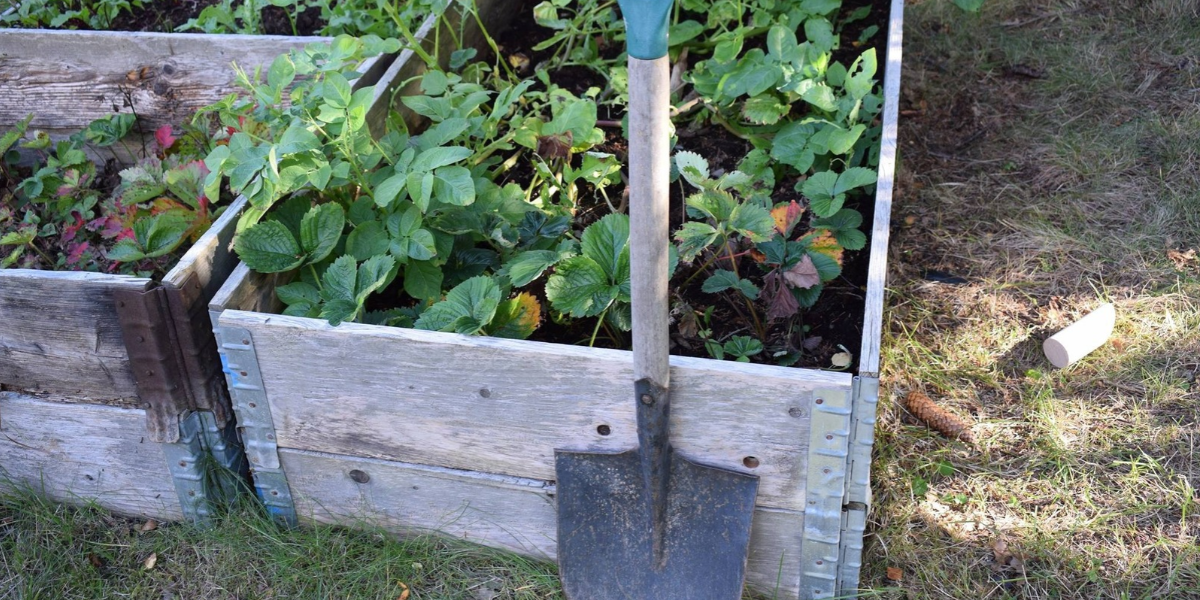
A patio or courtyard can provide a productive growing area, especially if it receives some winter sunshine. Large pots, troughs and raised containers are ideal for growing vegetables without needing a traditional garden bed.
What can you grow?
- Garlic – Many varieties can be planted in autumn or early winter for harvesting the following summer.
- Broad beans – Suitable overwintering varieties can be sown in autumn in sheltered locations.
- Winter salads – Hardy leaves can be grown in containers with some protection.
- Spring onions – Autumn-sown crops can overwinter for spring harvests.
- Strawberries – Established plants can remain in containers over winter, ready to grow again in spring.
Top Tip: Be careful not to overwater containers during winter. Compost stays wet for longer in cold conditions, and waterlogged roots can quickly become a problem.
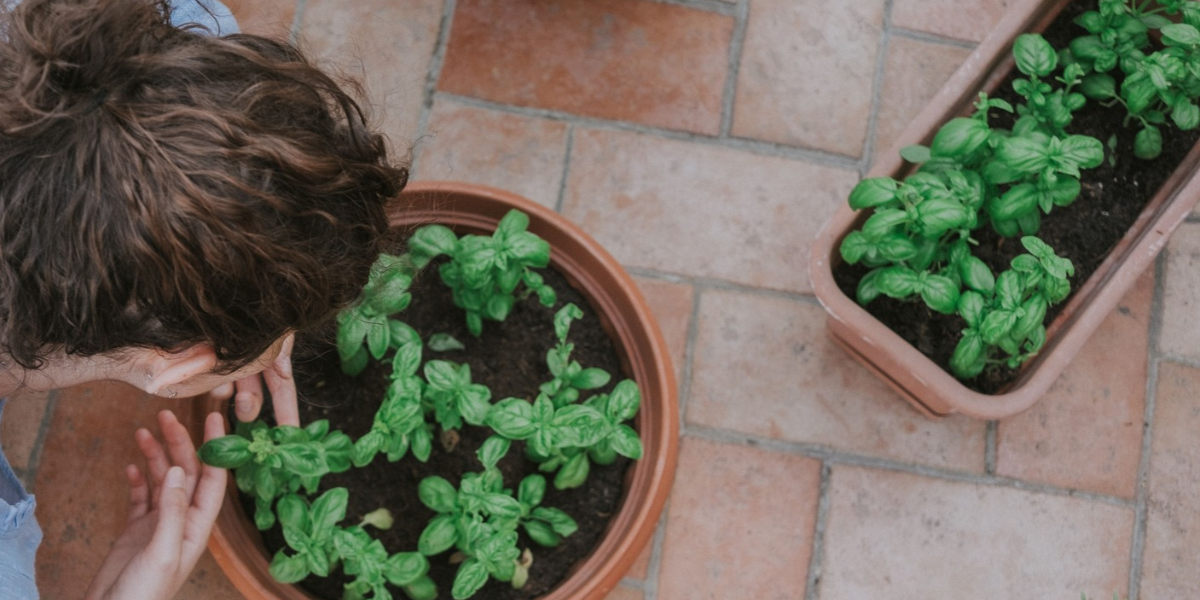
Five Ways to Make Small-Space Growing More Successful
1.Make the most of available light - Position plants where they receive the most daylight. Even hardy crops grow slowly when light levels are low.2. Choose the right containers - Use pots with drainage holes and enough space for the roots to develop. Deep-rooted crops need larger containers than salad leaves.
3. Water carefully - Check the compost before watering. Indoor heating can dry pots quickly, while outdoor containers may remain damp for days.
4. Protect plants from the worst weather - Move vulnerable containers into sheltered positions and use horticultural fleece or cloches where appropriate.
5. Start small and build confidence - Begin with one or two crops you enjoy eating. Learning what works in your particular space is part of the pleasure of growing.What If You Don't Have Any Outdoor Space?
You can still enjoy gardening.Growing microgreens, tending a few herbs or starting seedlings indoors can help maintain a connection with nature throughout winter.
You could also use the colder months to plan what you'd like to grow in spring, explore container-friendly varieties or learn more about composting and sustainable gardening.
And remember, gardening isn't just about producing food. Caring for plants can provide a sense of achievement, encourage learning and offer a welcome opportunity to slow down.
Gardening Is for Everyone
At the National Allotment Society, we're passionate about encouraging people to grow, whatever their experience, circumstances or available space.As the National Allotment and Leisure Gardeners Society, we support and champion all forms of growing, from traditional allotments and gardens to balconies, patios and windowsills.
Whether you're tending a full allotment, growing vegetables in raised beds, making the most of a small patio or nurturing herbs on a windowsill, you're part of a wider community of people who share a love of gardening.
Small-space growing can also be a wonderful starting point, helping new gardeners develop confidence, practical skills and an understanding of how plants grow.
You don't need acres of land to enjoy the benefits of growing. Sometimes, all it takes is a pot, a packet of seeds and the enthusiasm to give it a go.
Whatever you grow and wherever you grow it, the National Allotment Society is here to encourage, inform and support allotment holders and leisure gardeners of all shapes and sizes.
Join The National Allotment Society
Become a National Allotment Society member and help to preserve and protect allotments for future generations.
You'll also gain a range of benefits including free liability insurance, initial legal support, expert advice and much more.
Non Member Newsletter Signup

National Society of Allotment & Leisure Gardeners Ltd
Registered in 1930 under the Industrial & Provident Societies Acts no. 11144R
VAT No. 1212930 14
Patron His Majesty King Charles III
© 2022-2023 National Society of Allotment & Leisure Gardeners Ltd