Who’s Been Eating My Allotment?
You arrive at the allotment to find your lettuces nibbled, seedlings missing, strawberries disappearing or something has dug a sizeable hole exactly where you planted yesterday.
But before reaching for a deterrent, there is an important question to answer:
Who – or what – has been eating your allotment?
Common pipistrelle
Photo Credit :Hugh Clark/www.bats.org.uk
Deer – Browsed Plants and Damaged Shoots
Deer can cause significant damage surprisingly quickly, particularly where allotment sites border woodland, fields or other green spaces.Look for:
- Hoof prints in soft ground
- Plants browsed from above
- Torn or ragged stems and foliage
- Damage to young trees and shoots
- Bark rubbed or stripped from trees
- Droppings and flattened vegetation along regular routes
Physical barriers provide the most reliable protection. Protect individual beds with sturdy mesh or suitable netting and use guards around young trees.
Deer have a strong sense of smell, so some gardeners also experiment with strongly scented deterrents. Garlic, chilli-based preparations and commercial deer repellents are among the options available.
For example:
Crush several cloves of garlic, steep them in hot water, allow the mixture to cool, then strain and dilute before spraying around vulnerable plants. The strong smell may help discourage deer, although it will need to be reapplied regularly, particularly after rain.
Movement can provide another temporary deterrent. Reflective tape, wind spinners and moving ribbons can make deer cautious, while motion-activated sprinklers may help around known entry points.
The key is variety. Deer can become accustomed to sights, smells and sounds, so change deterrents periodically rather than relying on one method.
If deer are affecting numerous plots, look at the whole site. A damaged boundary or regularly open gate may be giving them easy access.


.
Rabbits – Everything Disappears at Ground Level
A row of healthy seedlings can become a row of stalks remarkably quickly when rabbits discover them.Look for:
- Young plants eaten close to ground level
- Fairly clean bites through stems
- Small round droppings
- Scraped soil or shallow digging
- Burrows nearby
- Damage concentrated on tender young growth
Mesh barriers are one of the simplest solutions. Protect vulnerable beds or young plants with fine, sturdy wire mesh, remembering that rabbits can squeeze through surprisingly small gaps and may dig underneath barriers.
Individual plant guards can be useful when plants are first establishing.
Strong-smelling plants such as lavender, rosemary, thyme, sage, garlic and chives can be planted around vulnerable crops. Commercial rabbit or animal-repellent sprays and granules are also available, although these may need to be reapplied after rain. Physical barriers are generally more dependable.

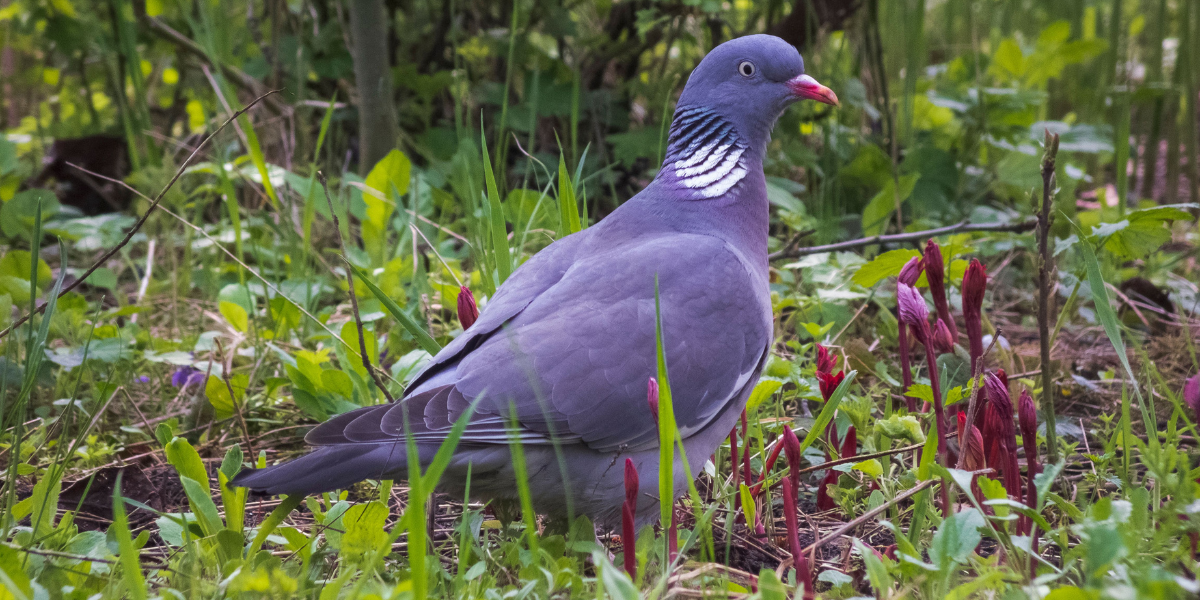
Pigeons – Brassicas Looking Particularly Bare?
If your cabbages and other brassicas are rapidly losing their leaves, look upwards as well as downwards.Pigeons can strip brassicas and other leafy crops, particularly when alternative food is scarce.
Look for:
- Leaves stripped from brassicas
- Damage concentrated on exposed upper leaves
- Plants eaten while stems remain intact
- Bird droppings nearby
Properly secured bird netting or a fruit cage can provide effective protection.
Make sure netting is taut, clearly visible and regularly checked. Loose netting can pose an entanglement risk to birds and other wildlife.
Visual deterrents such as reflective tape or moving objects may provide short-term help, but birds can quickly become accustomed to them.
.
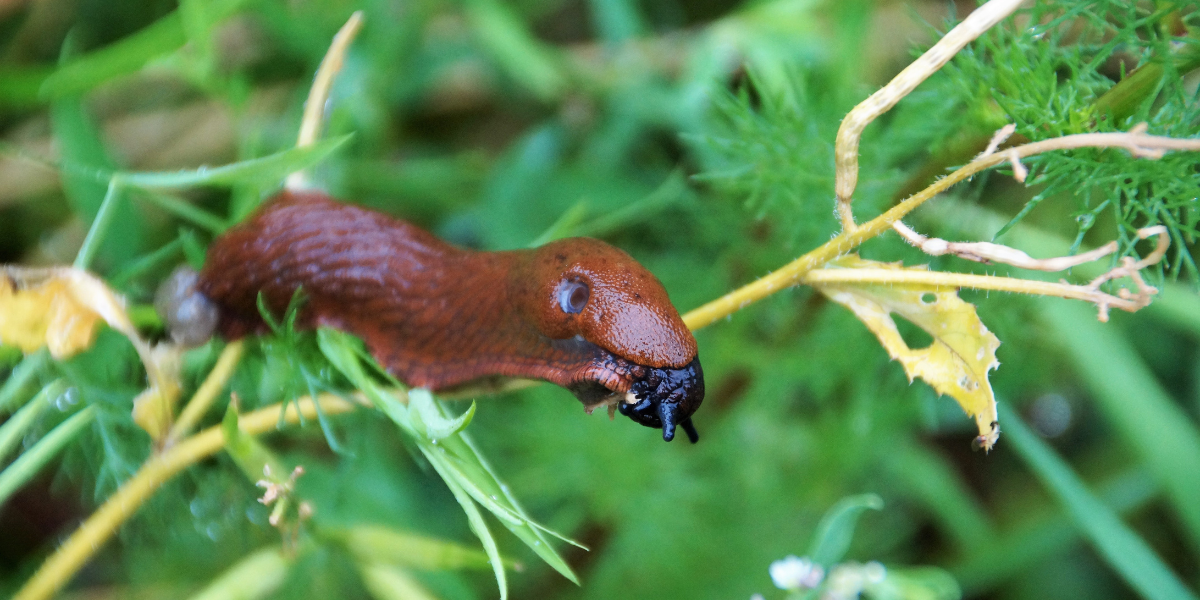
Slugs and Snails – The Night-Time Diners
Slugs and snails can cause extensive damage to seedlings, lettuces, hostas and other tender plants, particularly during damp conditions.
Look for:
- Irregular holes in leaves
- Seedlings disappearing overnight
- Slime trails
- Damage after wet weather or overnight
- Leaves eaten from their edges and centres
Reduce the places where slugs can hide immediately around vulnerable crops and check underneath pots, boards and other damp hiding places.
Going out at dusk to remove slugs and snails by hand can make a surprising difference.
Barriers around particularly vulnerable plants can also be tried, although effectiveness varies.
If using slug pellets, choose products approved for current UK use and always follow the manufacturer's instructions.
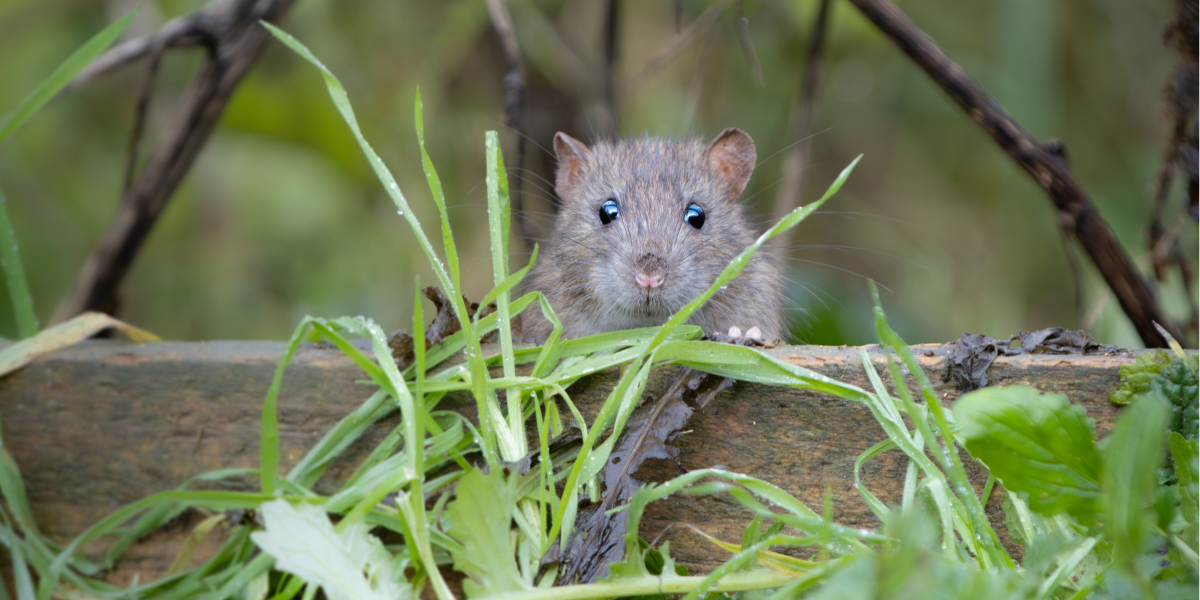
Mice, Voles and Rats – Missing Seeds, Fruit and Roots
Rodents may take newly sown seeds, stored produce, fruit and vegetables.Look for:
- Seeds disappearing after sowing
- Gnaw marks
- Partially eaten fruit or vegetables
- Small tunnels or holes
- Droppings
- Damage to stored crops
Start by removing easy food sources.
Store seeds and harvested produce in secure containers and avoid leaving food waste around the plot. Manage compost heaps carefully and don't add cooked food or other unsuitable materials that could attract rats.
Fine mesh can protect newly sown seeds and vulnerable crops.
Where rats are regularly being seen, particularly across several plots, report the problem to your association, site manager or landowner rather than treating it simply as an individual plot issue.

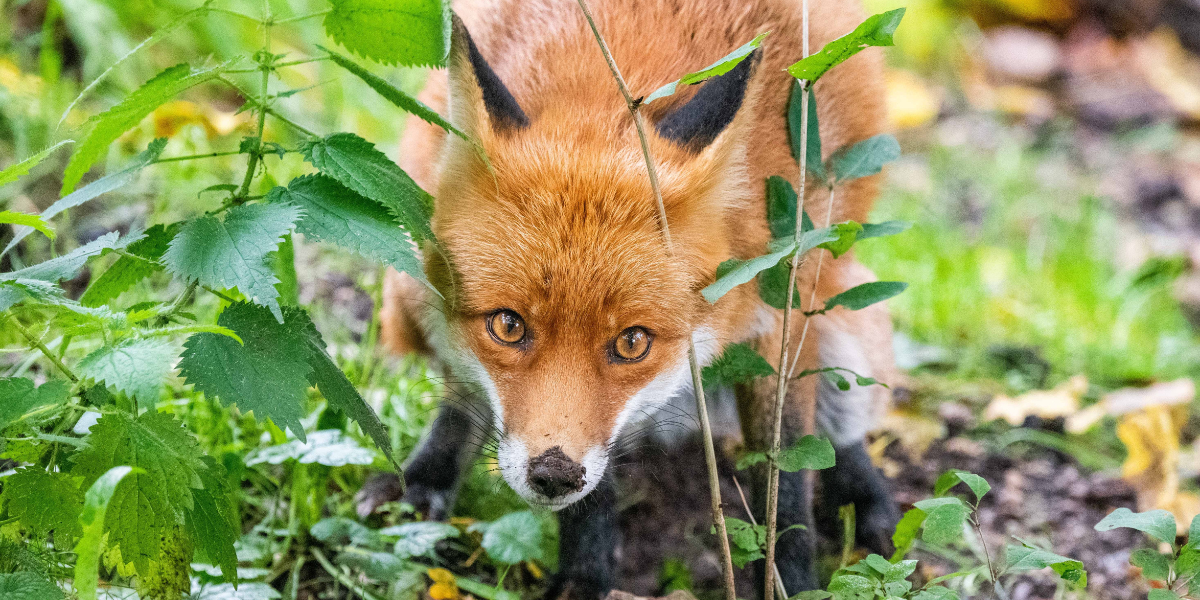
Foxes – Digging Rather Than Dining
Foxes aren't necessarily interested in eating your vegetables, but they can create considerable disruption while investigating an allotment.
Look for:
- Holes dug in beds
- Plants pulled up or disturbed
- Droppings
- Strong scent
- Tracks through beds
- Items moved around the plot
- Freshly cultivated soil can be particularly inviting for investigating animals.
Secure vulnerable areas with mesh until plants are established.
Motion-activated sprinklers may discourage repeat visits.
Avoid leaving food on the allotment and make sure rubbish is properly secured.
Badgers – Powerful Diggers
Badgers can cause much more substantial digging and may visit allotments looking for worms, grubs, fruit and other food.
Look for:
- Significant digging or disturbed turf
- Strong, well-used tracks
- Powerful-looking holes or excavations
- Damage occurring overnight
- Footprints showing five toes
Badgers and their setts are legally protected, so don't attempt to interfere with a sett or use anything that could harm or trap them.
Protect individual crops with robust barriers where appropriate and remove obvious food sources.
If badgers are causing a significant problem across an allotment site, seek specialist advice before taking further action.


Don't Forget Caterpillars
Not every allotment thief has four legs.
Cabbage white caterpillars can quickly turn healthy brassica leaves into a collection of holes and stalks.
Look for:
- Numerous holes in brassica leaves
- Caterpillars on the undersides of leaves
- Clusters of eggs
- Dark green caterpillar droppings
Check brassicas regularly, particularly underneath leaves, and remove eggs and caterpillars by hand where practical.
Fine insect mesh can prevent butterflies reaching crops to lay their eggs in the first place.
Become an Allotment Detective
When damage appears, resist the temptation to immediately blame the most obvious visitor.
Look at
where the damage is, how high it is, whether the plant has been torn or cleanly bitten, whether the ground has been disturbed and whether there are tracks or droppings nearby.
If you're still unsure, a wildlife camera can be a fascinating way to discover exactly what visits the allotment when nobody is around.
You might be surprised by just how busy your plot becomes after dark.
Protect, Rather Than Harm
Allotments are valuable growing spaces, but they are also important habitats and feeding grounds for wildlife. The objective should be to find ways to protect our crops without unnecessarily harming the animals that share these spaces with us.
Often the best approach is a combination of methods: physical barriers around particularly valuable crops, good allotment hygiene, appropriate deterrents and removing easy access or food sources.
And remember to talk to your allotment neighbours. If several people suddenly have disappearing lettuces or dug-up beds, comparing the evidence might help you identify the culprit.
So, who's been eating your allotment?
Become a National Allotment Society member and help to preserve and protect allotments for future generations.
You'll also gain a range of benefits, including free liability insurance, initial legal support, expert advice and much more.
Non Member Newsletter Signup

National Society of Allotment & Leisure Gardeners Ltd
Registered in 1930 under the Industrial & Provident Societies Acts no. 11144R
VAT No. 1212930 14
Patron His Majesty King Charles III
© 2022-2023 National Society of Allotment & Leisure Gardeners Ltd