The Ultimate Guide to Broad Beans
Hardy, productive and wonderfully versatile, broad beans are one of the most rewarding crops you can grow on an allotment. From the first fresh green shoots of spring to the generous pods of early summer, broad beans offer excellent flavour, valuable nutrition and a welcome harvest at a time when many other vegetables are only just getting started.
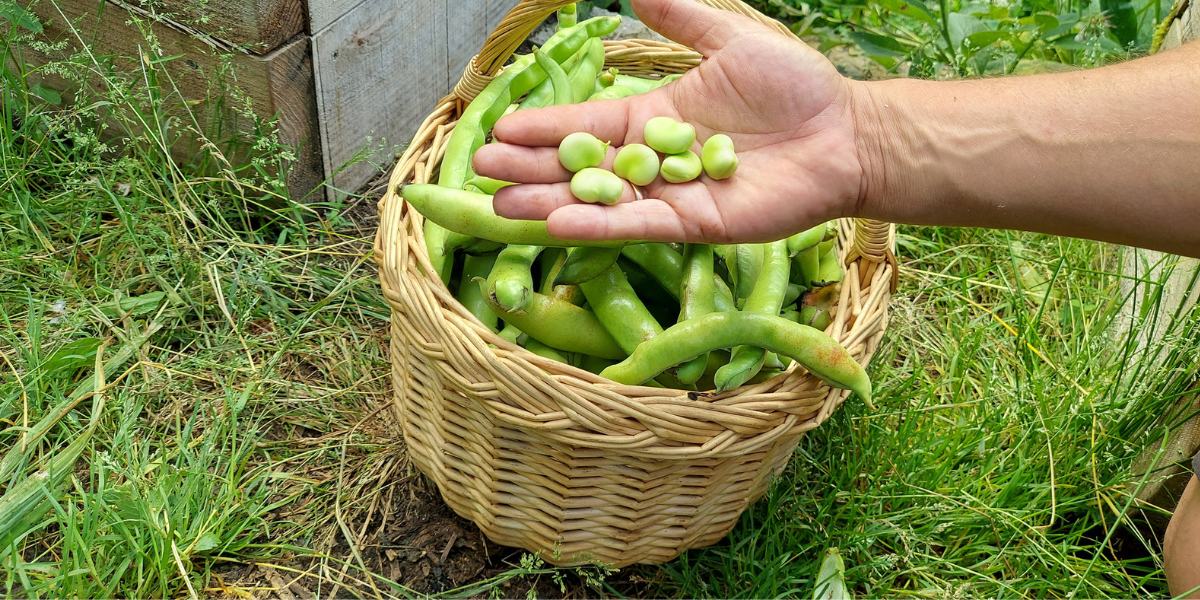
One of their greatest advantages is the opportunity to sow in autumn. Hardy varieties planted in October or November can establish before winter and produce an earlier harvest the following year. Spring sowing is equally rewarding, offering a reliable crop for growers in colder or more exposed locations.
This guide covers everything you need to know – from choosing varieties and sowing seeds to supporting plants, encouraging pollination, dealing with pests and diseases, harvesting, storing and making the most of your crop in the kitchen.
Why Grow Your Own Broad Beans?
Few vegetables offer quite the same satisfaction as picking your first broad beans of the season.Their sturdy plants, attractive flowers and generous pods make them a traditional allotment favourite, while their ability to grow in cooler weather means they can help extend the productive growing season.
Broad beans are:
- Easy to grow and suitable for beginners
- Hardy and well adapted to the UK climate
- Suitable for autumn and spring sowing
- Productive in relatively small spaces
- Attractive to bees and other pollinators
- A valuable source of plant-based protein and fibre
- Excellent for freezing and preserving
- Available in compact varieties for raised beds and containers
- Useful within a varied crop rotation
- Perhaps their greatest advantage is their timing.
Choosing the Best Broad Bean Varieties
Not all broad beans are the same. Some are particularly hardy, others are compact enough for small spaces, while certain varieties are valued for their flavour, productivity or attractive flowers. Aquadulce Claudia
One of the most popular varieties for autumn sowing.
'Aquadulce Claudia' is known for its winter hardiness and long pods, making it an excellent choice for growers hoping for an early harvest.
It is particularly suitable for October and November sowing in areas where winter conditions are not excessively severe.
The Sutton
A compact, dwarf variety that generally grows to around 30–45cm tall.
Ideal for smaller allotments, raised beds and large containers, 'The Sutton' produces good crops without requiring the substantial supports needed by taller varieties.
Masterpiece Green Longpod
A productive variety producing long pods containing tender green beans.
It is particularly popular for spring sowing and provides a reliable crop when grown in fertile soil with adequate moisture.
Witkiem Manita
An early-maturing variety that produces long pods and good-sized beans.
It is a useful choice for spring sowing and for growers wanting to harvest relatively early in the season.
Crimson Flowered
An attractive heritage variety producing striking crimson-red flowers rather than the more familiar white and black blooms.
It is particularly appealing where vegetables and ornamental planting are grown together.
Imperial Green Longpod
A traditional variety known for its long pods and productive plants.
It is a good choice for growers who want a substantial harvest for eating fresh or freezing.
Choosing the right variety: For autumn sowing, prioritise varieties specifically described as winter hardy. For smaller spaces, choose compact plants, while taller varieties are often better suited to traditional allotment beds where supports can be installed.
When and Where to Grow Broad Beans
Season and Position Broad beans are cool-season crops and generally grow best in mild conditions.
A typical UK growing calendar is:
Autumn sowing:
October–November, using suitable hardy varieties.
Spring sowing:
February–April, depending on weather and soil conditions.
Planting out:
February–May for plants started under protection.
Harvesting:
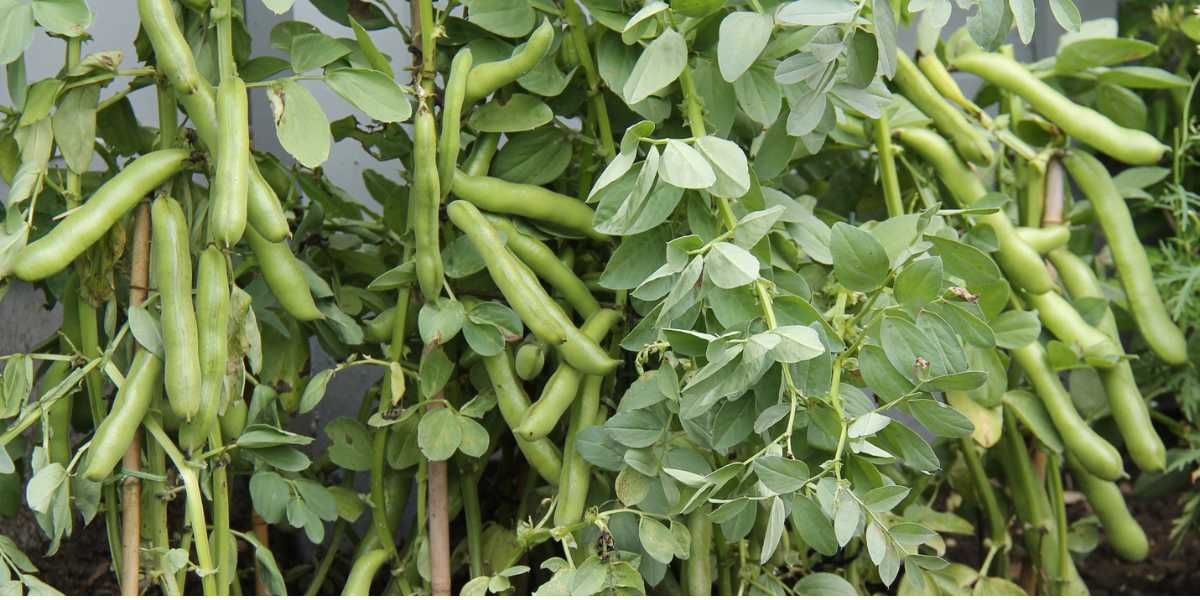
May–August, depending on sowing date and variety.
Autumn-sown broad beans usually crop earlier than spring-sown plants, although severe winter weather can damage young growth.
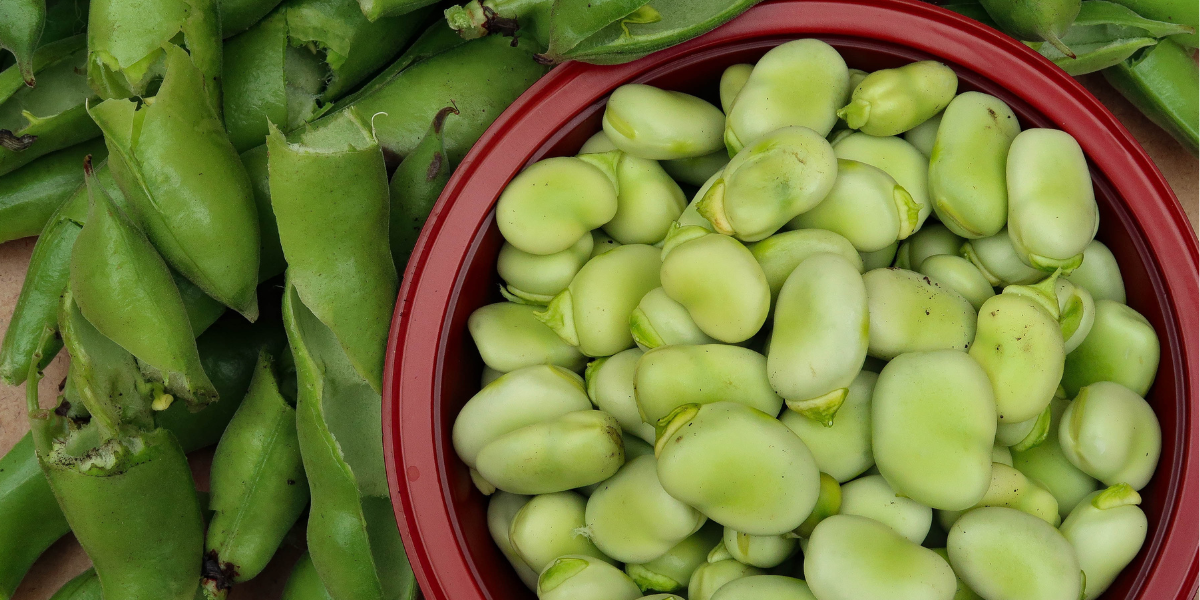
Can You Sow Broad Beans in October?
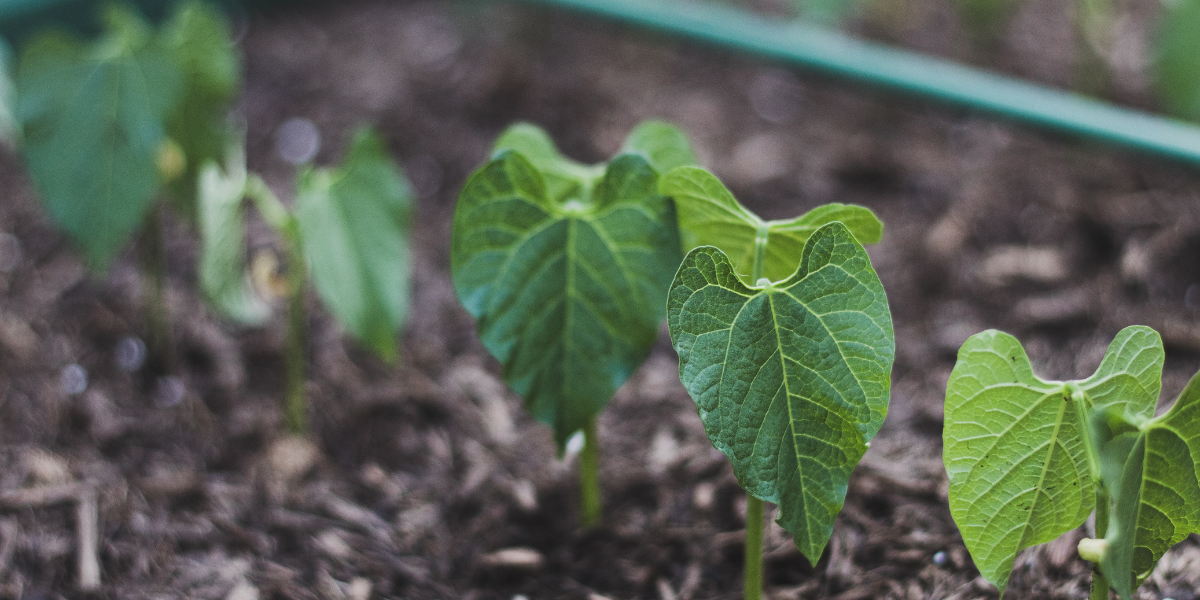
Yes – and for many allotment holders, October is an excellent time to start.Autumn sowing allows plants to establish roots before winter, ready to resume growth when temperatures rise in spring.
However, the success of autumn sowing depends on local conditions.
In colder parts of the UK, exposed allotments or areas with heavy, waterlogged soil, spring sowing may be more reliable.
Avoid sowing into saturated ground, as prolonged wet conditions can cause seeds to rot.
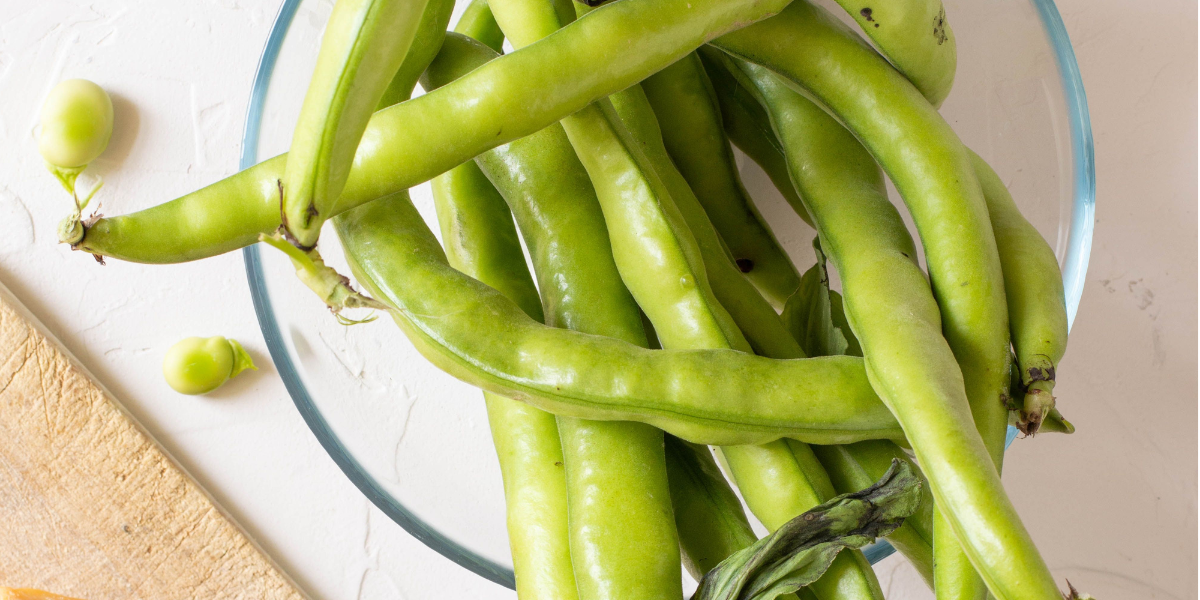
The Best Position
Choose somewhere:
- Sunny and reasonably sheltered
- With fertile, well-drained soil
- Protected from strong winter winds
- Where plants have room to develop
- Where supports can be installed if necessary
Soil Requirements
Broad beans grow best in fertile, moisture-retentive but well-drained soil.They are relatively adaptable, although very acidic, compacted or waterlogged soil can restrict growth.
Before sowing, remove weeds and incorporate well-rotted compost or other suitable organic matter where needed.
Avoid excessive nitrogen-rich fertiliser. Broad beans can form a relationship with nitrogen-fixing bacteria in their roots, and too much additional nitrogen may encourage leafy growth at the expense of flowers and pods.
For no-dig systems, spread a layer of mature compost over the soil surface and sow directly into the prepared bed.

Do Broad Beans Improve the Soil?
Broad beans belong to the legume family and can form a beneficial relationship with bacteria that fix atmospheric nitrogen.These bacteria live in small nodules on the roots and convert nitrogen into forms the plant can use.
However, it is a misconception that growing broad beans automatically leaves large amounts of nitrogen available for the next crop.
Much of the nitrogen is used by the plant and removed when the beans are harvested.
Leaving healthy roots to decompose and returning suitable plant material to the compost heap can help recycle nutrients and organic matter.
Broad beans remain a useful part of a varied crop rotation, particularly when combined with good soil management.
Sowing Broad Bean Seeds
Broad beans can be sown directly outdoors or started in pots under protection.Direct Sowing Outdoors
For most allotment holders, direct sowing is the simplest method.
- Prepare the soil and make a drill approximately 5cm deep.
- Place seeds around 15–20cm apart and allow approximately 45–60cm between rows, depending on the variety.
- Cover with soil, firm gently and water if the ground is dry.
- Broad beans are often grown in double rows, making it easier to support the plants as they grow.
- Germination usually takes around one to three weeks, although colder soil can delay emergence.
- Starting seeds in pots can be particularly useful where the ground is too wet or cold for direct sowing.
- Use individual deep pots or root trainers filled with peat-free multipurpose compost.
- Sow one seed per pot, approximately 5cm deep, and keep in a cool, bright, sheltered position.
- Once the seedlings are established and outdoor conditions are suitable, gradually harden them off before planting.
- Broad beans develop substantial root systems, so avoid leaving them in small pots for too long.
- Mice can sometimes dig up broad bean seeds before they germinate, while birds may damage young seedlings.
- Where this is a problem, protect newly sown areas with suitable mesh or other secure coverings.
- Ensure any netting is correctly installed and regularly checked to prevent wildlife becoming trapped.
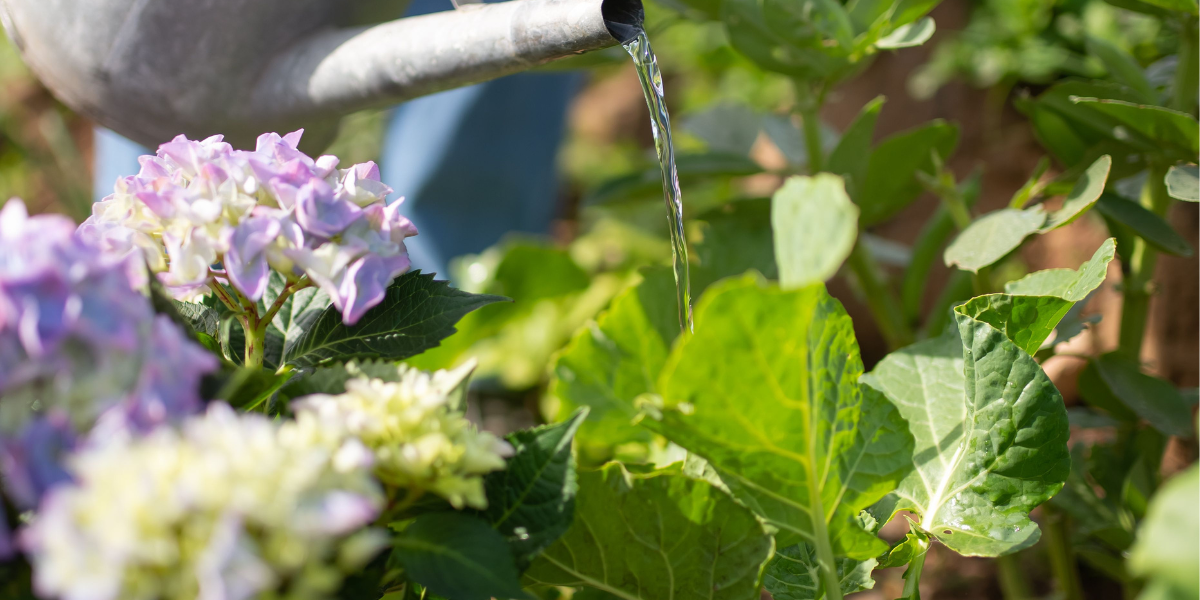
Caring for Broad Bean Plants
Watering- Broad beans are generally less demanding than many summer vegetables, but they still need adequate moisture.
- Watering becomes particularly important during flowering and pod development.
- Dry conditions at this stage can cause flowers to drop or reduce the number and size of developing pods.
- Water deeply rather than little and often
- Direct water towards the soil
- Avoid unnecessarily wetting foliage
- Use collected rainwater where possible
- Mulch around established plants to conserve moisture
- Autumn-sown plants usually require little additional watering over winter.
- Taller varieties can become top-heavy, particularly once their pods begin to develop.
- Strong winds may cause stems to bend or collapse.
- A simple support system can make a considerable difference.
- Place sturdy stakes around the bed and run garden string between them at different heights.
- Double rows are particularly suitable for this approach, as the plants can support one another within the framework.
- Compact varieties such as 'The Sutton' may require less support, although exposed locations can still benefit from it.
Broad beans benefit from a layer of organic mulch around established plants.
Mulching can:
- Help retain soil moisture
- Suppress weeds
- Protect the soil surface
- Reduce competition for water
- Gradually contribute organic matter
- Keep the area around the plants free from weeds, taking care not to damage their relatively shallow feeding roots.
- One of the most useful broad bean growing techniques is pinching out the soft growing tips.
- This is usually done once the first pods have begun forming on the lower part of the plant.
- Removing the tender tips can help discourage blackfly, which often gathers around new growth.
- It may also encourage the plant to direct more energy towards developing pods.
- The young growing tips are edible when healthy and can be lightly cooked like spinach.
Broad Bean Flowers and Pollination
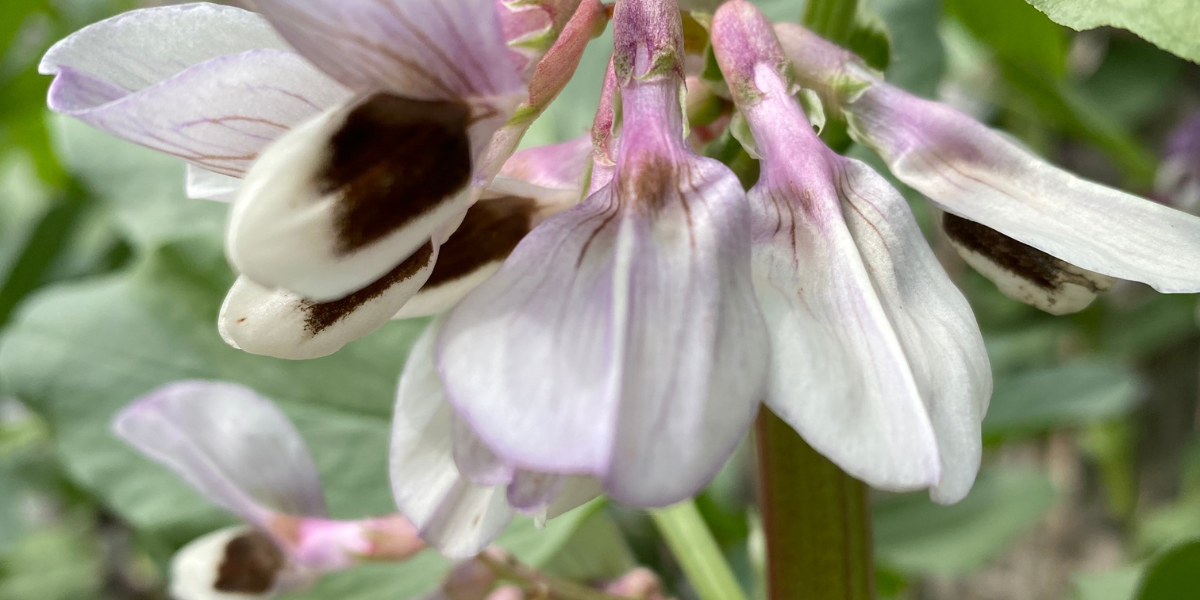
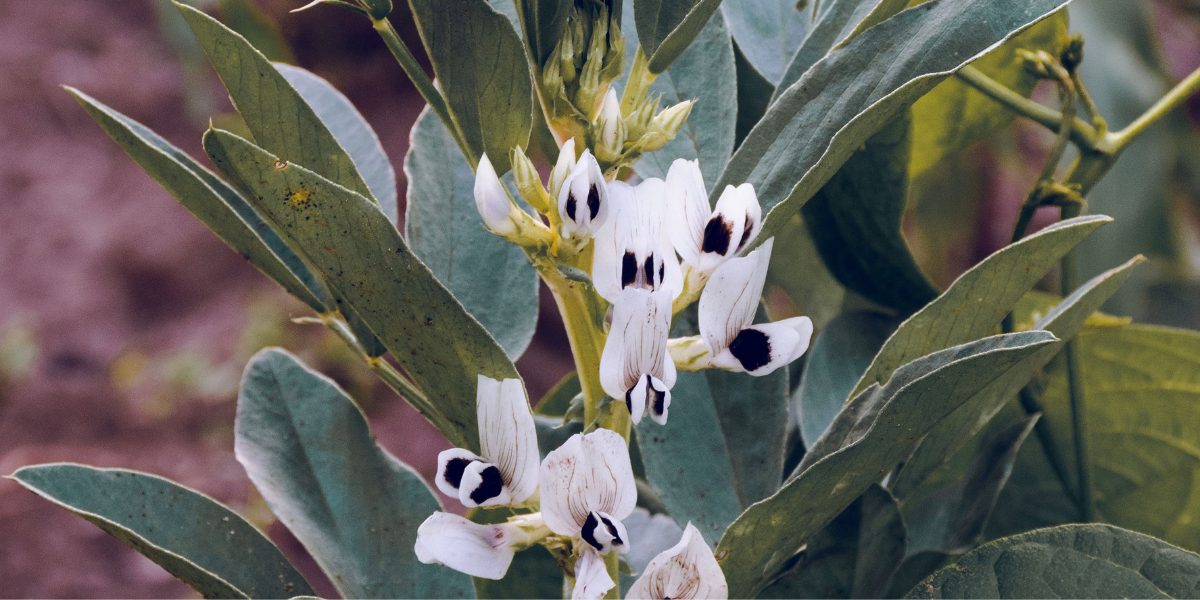
Broad bean flowers are particularly attractive, with most varieties producing white petals marked with distinctive black patches.They are also an important source of food for bees and other pollinating insects.
How Are Broad Beans Pollinated?
- Broad beans are capable of self-pollination, but insects, particularly bumblebees, can improve pollination and pod development.
- The flowers are especially attractive to long-tongued bees, which can reach the nectar inside.
- Some bees may also obtain nectar by making small holes near the base of the flowers, a behaviour known as nectar robbing.
- Broad bean plants can produce plenty of flowers without every flower developing into a pod.
- This is not necessarily a problem.
- Cold or excessively hot weather
- Lack of moisture
- Poor pollination
- Plant stress
- Unfavourable growing conditions
- Broad beans generally produce their best crops in relatively cool conditions.
- Very high temperatures can interfere with flower development and pod setting.
Common Broad Bean Pests and Diseases
Broad beans are generally reliable crops, but several pests and diseases can affect their growth.Blackfly
- Blackfly, also known as black bean aphid, is one of the most familiar broad bean pests.
- Large colonies of small black insects gather around tender shoots, stems and growing tips.
- They feed on plant sap and can cause distorted growth, weakened plants and reduced yields.
- Check plants regularly, particularly during late spring and early summer.
- Pinch out growing tips once the first pods have set.
- Encourage natural predators such as ladybirds, lacewings and hoverflies.
- Small infestations can sometimes be removed by hand or washed away with water.
- Avoid excessive nitrogen feeding, which can encourage soft growth attractive to aphids.
- Chocolate spot is a fungal disease that produces reddish-brown spots on broad bean leaves.
- In severe cases, spots merge, causing larger areas of damaged foliage and affecting stems and pods.
- The disease is particularly associated with cool, damp conditions and overcrowded plants.
- Space plants adequately to encourage airflow.
- Avoid prolonged leaf wetness where possible.
- Remove badly affected material and clear crop debris after harvesting.
- Practise crop rotation and avoid repeatedly growing broad beans in the same position.
- Rust causes orange-brown pustules on leaves and sometimes stems.
- It is often more noticeable later in the growing season.
- Severe infections can cause premature leaf loss and reduce the plant's ability to develop pods.
- Maintain good airflow around plants.
- Avoid overcrowding and remove heavily affected foliage where appropriate.
- Clear infected crop debris after harvesting.
- These small beetles feed on the edges of leaves, creating distinctive semicircular notches.
- Young plants may look badly damaged, but established broad beans can usually tolerate some feeding.
- Encourage healthy early growth.
- Protect young seedlings where damage is severe.
- In most cases, chemical control is unnecessary.
- Young broad bean seedlings can be vulnerable to slugs and snails, particularly during damp autumn and spring weather.
- Check plants regularly and use suitable wildlife-conscious control methods where necessary.
- Mice may eat newly sown seeds, while pigeons and other birds can damage emerging plants.
- Secure mesh or other suitable protection may be useful until seedlings are established.
Growing Broad Beans Through Winter
- Autumn-sown broad beans can tolerate a degree of frost, particularly when grown from hardy varieties.
- However, prolonged freezing conditions, strong winds and waterlogged soil can still cause problems.
- In exposed locations, horticultural fleece may provide some protection during severe weather.
- Check plants periodically throughout winter and replace any supports that have become loose.
- Avoid working the soil when it is saturated, as this can damage soil structure.
- Some winter leaf damage is normal, and plants may recover as temperatures rise in spring.
- If autumn sowings fail, there is usually still time to sow again in spring.
- When Are Broad Beans Ready to Harvest?
- Broad beans are generally ready to harvest from late spring through summer.
- Autumn-sown crops may begin producing in May or June, while spring-sown varieties often crop from June onwards.
- The exact timing depends on the variety, local conditions and sowing date.
How Do You Know When Broad Beans Are Ready?
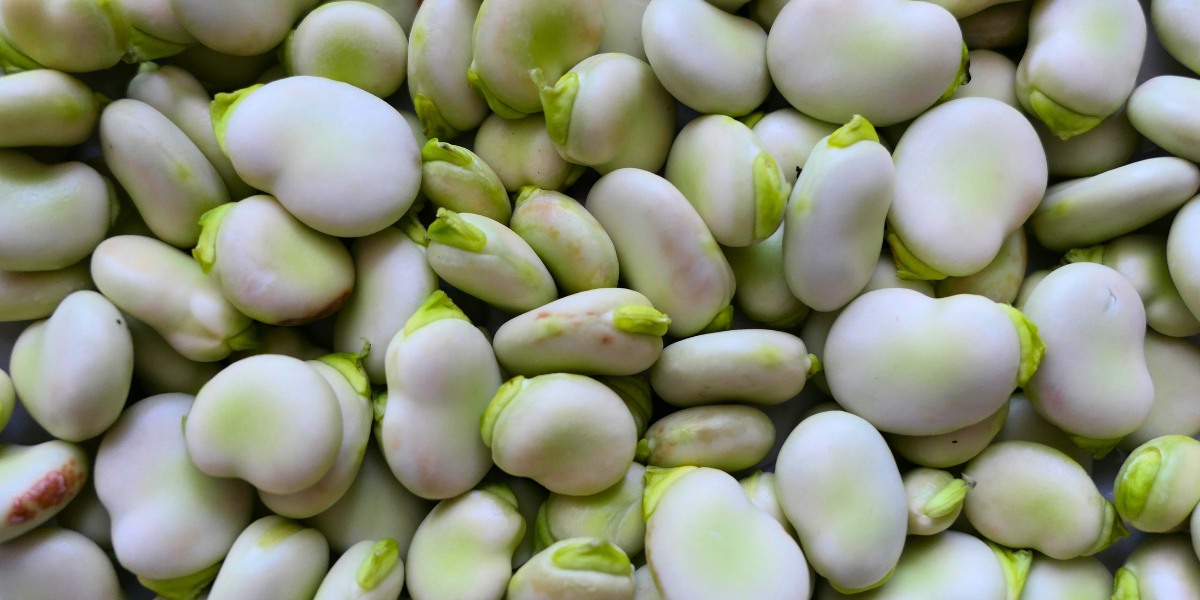
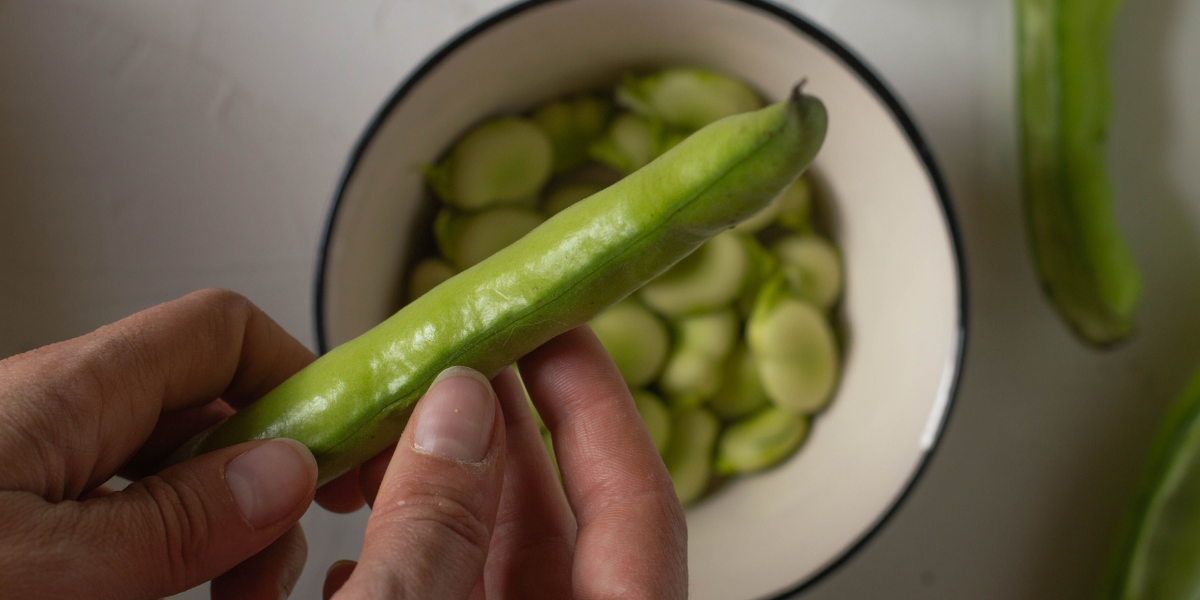
For tender, sweet beans, harvest pods while they are still green and before the beans become excessively large.Young pods often contain small, tender beans that can be eaten with minimal preparation.
As the beans mature, they become larger and develop a stronger flavour.
Very mature beans may become floury and develop tougher outer skins.
Harvesting Tips
- Pick regularly as pods reach the desired size.
- Hold the stem while removing pods to avoid damaging the plant.
- Harvest carefully, as broad bean stems can be relatively brittle.
- Use freshly picked beans promptly for the best flavour.
- If you want to save seed, leave selected pods on healthy plants until they have fully matured.
Storing and Freezing Broad Beans
Freshly harvested broad beans are best eaten as soon as possible.Like peas, their natural sugars begin changing after picking, so the flavour and sweetness are generally best when freshly harvested.
Store unshelled pods in the refrigerator and use them within a few days.
Freezing Broad Beans
- Freezing is one of the best ways to preserve a generous harvest.
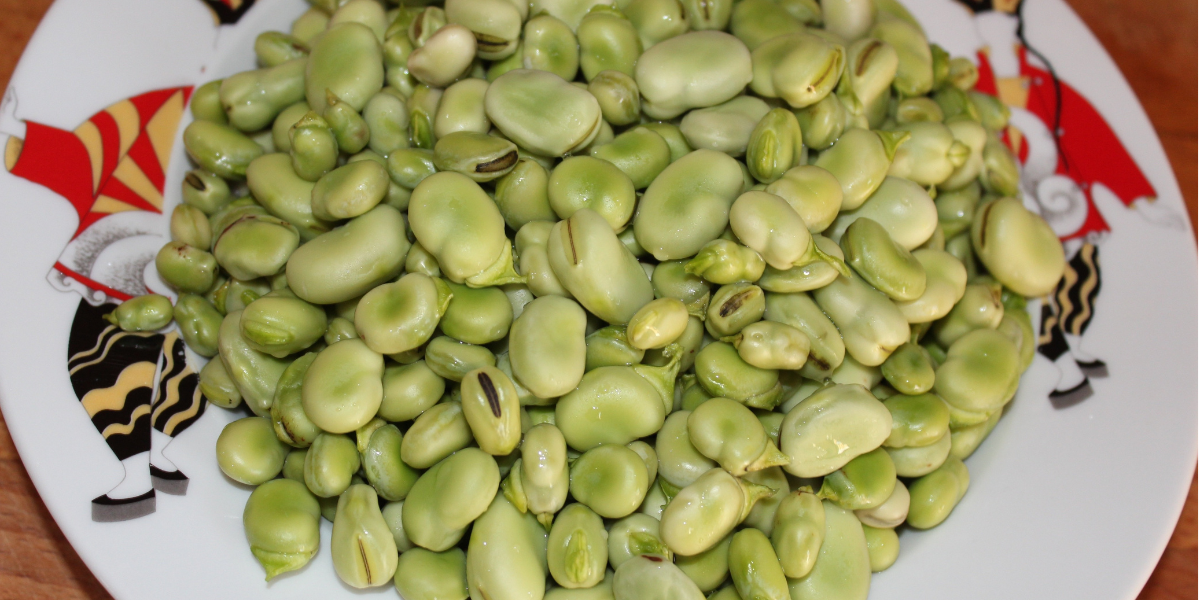
- Remove the beans from their pods and blanch briefly in boiling water.
- Cool immediately in iced water, drain thoroughly and pack into suitable freezer containers or bags.
- Blanching helps preserve colour, flavour and texture.
- Frozen broad beans are excellent for soups, stews, risottos and vegetable dishes.
- Broad beans can also be dried for longer-term storage.
- Leave selected pods on the plants until fully mature and dry, then remove the beans and finish drying them thoroughly in a well-ventilated place.
- Store completely dry beans in airtight containers somewhere cool and dry.
- Dried broad beans need soaking and thorough cooking before eating.
Companion Planting and Crop Rotation
Broad beans can fit well into a varied allotment planting plan.Because they are often harvested relatively early, the space can sometimes be used for a second crop later in the season.
What Can You Grow After Broad Beans?
Depending on when the beans finish cropping, suitable follow-on crops may include:
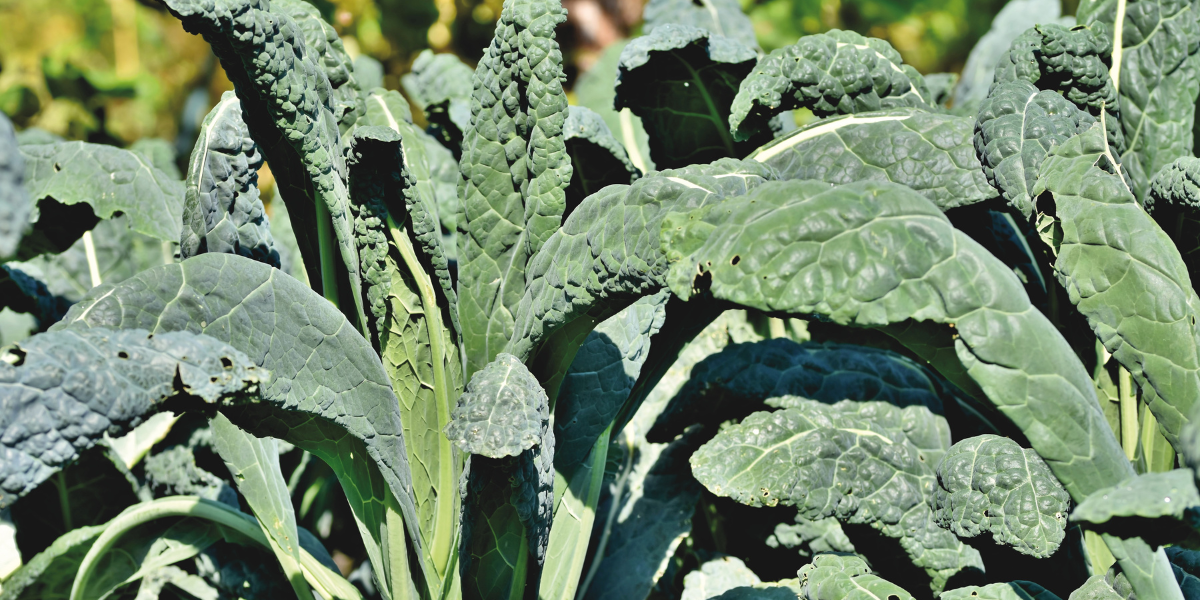
- Kale
- Spring cabbage plants
- Lettuce
- Chard
- Beetroot
- Autumn salads
Growing Flowers Nearby
Broad beans benefit from the presence of pollinating insects.Growing a range of flowers around the allotment can help provide nectar and pollen throughout the growing season.
Useful choices include:
- Calendula
- Borage
- Cornflowers
- Nasturtiums
- Phacelia
- Flowering herbs
Nutritional Benefits of Broad Beans
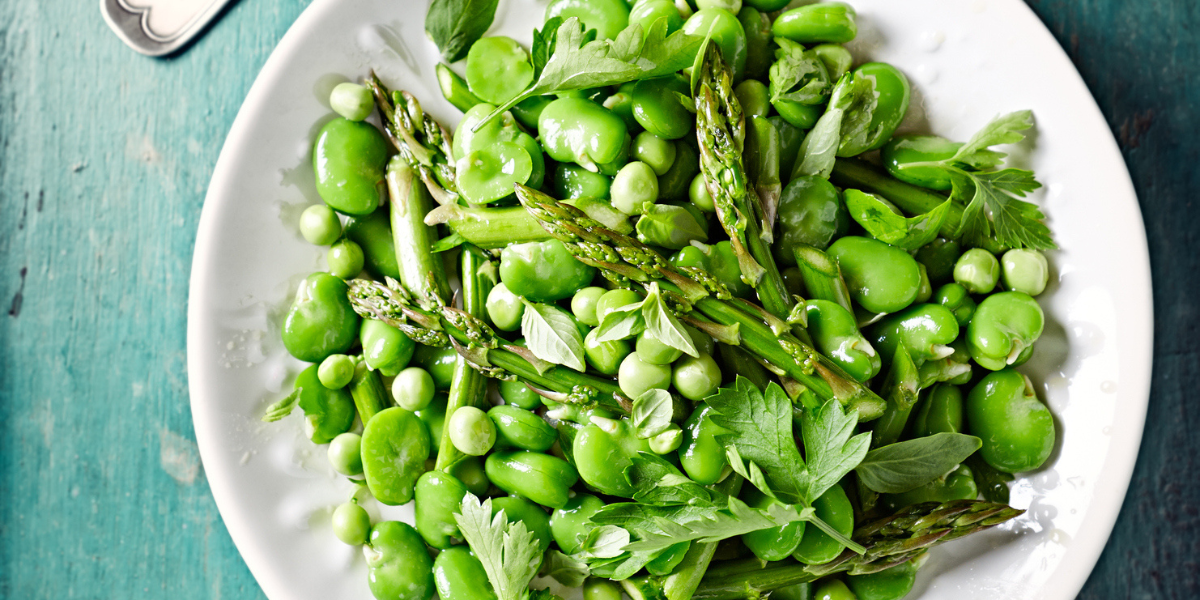
Broad beans are a nutritious addition to the diet, providing plant-based protein, fibre and a range of vitamins and minerals.They contain:
Protein – important for the growth and maintenance of body tissues.
Fibre – supports normal digestive function.
Folate – contributes to normal blood formation and is particularly important during pregnancy.
Iron – helps support the normal formation of red blood cells.
Potassium – contributes to normal muscle and nervous system function.
B vitamins – play important roles in energy metabolism and other body processes.
Broad beans are naturally low in fat and can form part of a varied, balanced diet.
From Plot to Plate
Freshly picked broad beans are one of the pleasures of early summer allotment gardening. Their distinctive flavour works particularly well with herbs, lemon, olive oil, cheese and other seasonal vegetables.Young beans are tender and sweet, while larger beans have a richer, more substantial flavour.
Broad Beans With Butter and Mint
- Sometimes the simplest preparation is the best.
- Cook freshly shelled broad beans until tender, then toss with butter, chopped mint and a little black pepper.
- Add a squeeze of lemon juice to bring out their fresh flavour.
- Combine cooked broad beans with crumbled feta, fresh herbs, lemon juice and olive oil.
- Add spring onions, peas or leafy greens for a colourful seasonal salad.
- This is an excellent way to make the most of the first broad bean harvest.
- Cook broad beans until tender and lightly crush them with olive oil, garlic, lemon juice and chopped herbs.
- Spread over toasted sourdough or other crusty bread.
- Finish with a little grated cheese or fresh mint.
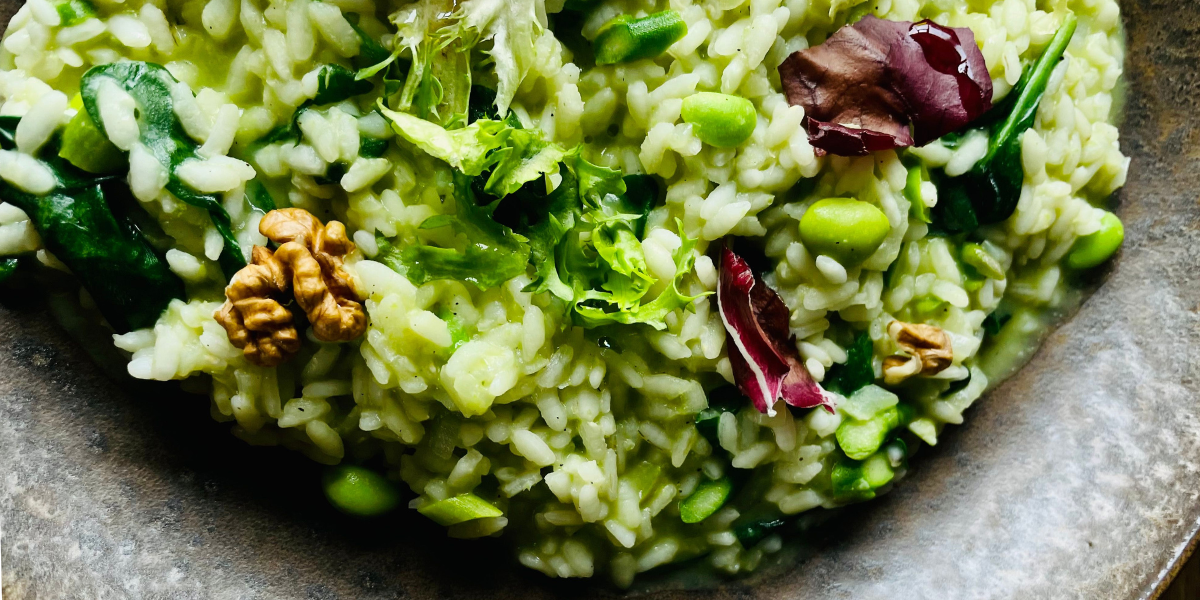
- Broad beans work beautifully in risottos, particularly alongside peas, asparagus and fresh herbs.
- Add cooked beans towards the end of cooking to preserve their colour and texture.
- Finish with Parmesan, lemon zest and black pepper.
- Broad beans can be used to make a delicious alternative to traditional chickpea hummus.
- Blend cooked beans with tahini, garlic, lemon juice and olive oil until smooth.
- Serve with vegetable sticks, flatbreads or toasted bread.
- Broad beans add flavour, texture and protein to vegetable soups and stews.
- They work particularly well with potatoes, leeks, tomatoes and seasonal greens.
Final Thoughts
Broad beans are among the most useful and rewarding crops for UK allotment holders.
They are hardy, productive and relatively straightforward to grow, offering the opportunity to harvest fresh vegetables early in the season.
With suitable varieties for autumn sowing, compact plants for smaller spaces and plenty of options for enjoying the harvest, broad beans deserve a place on almost every allotment.
Sow them in October for an early start, or wait until spring if conditions are less favourable.
Give them fertile soil, adequate moisture and a little support, and these traditional allotment favourites can reward you with an excellent harvest.
From their first flowers to the final handful of beans in the kitchen, broad beans are a reminder of just how satisfying growing your own food can be.
Non Member Newsletter Signup

National Society of Allotment & Leisure Gardeners Ltd
Registered in 1930 under the Industrial & Provident Societies Acts no. 11144R
VAT No. 1212930 14
Patron His Majesty King Charles III
© 2022-2023 National Society of Allotment & Leisure Gardeners Ltd