10 Late Summer Allotment Mistakes
By the time late summer arrives, many allotment holders are enjoying the rewards of months of hard work. Baskets are overflowing with tomatoes, beans, courgettes and potatoes, and it's tempting to think the busiest part of the year is behind us.
In reality, late summer is one of the most important times in the gardening calendar.
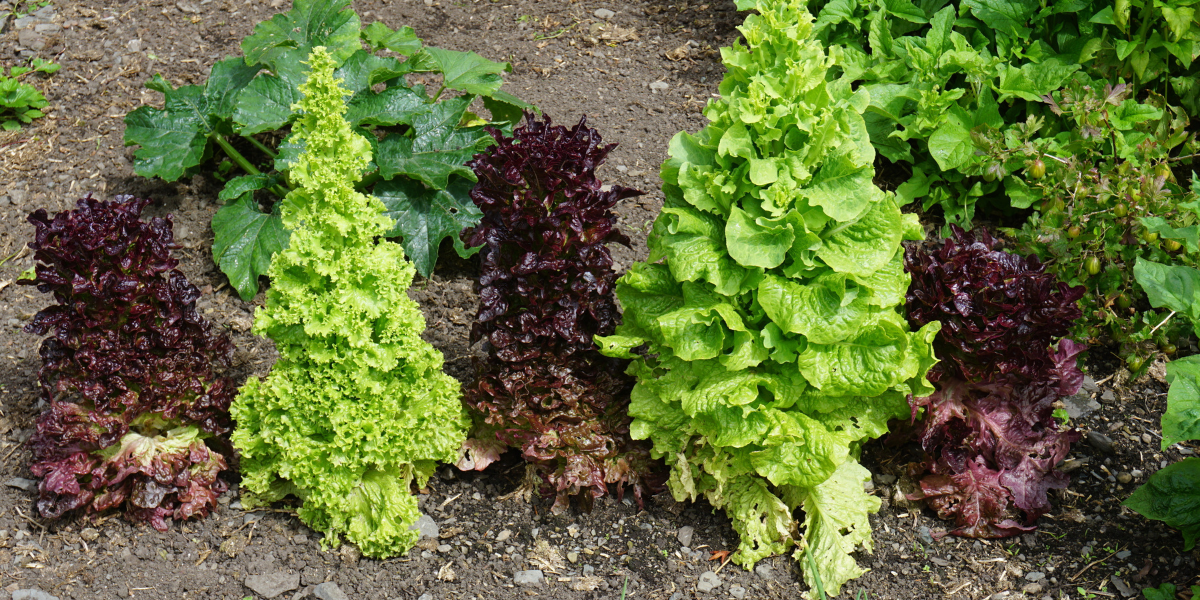
The decisions you make now can influence not only the rest of this year's harvest, but also how productive your allotment will be next spring. From forgetting to sow winter crops to neglecting your soil, it's easy to make mistakes that can cost you valuable growing time.
Here are ten of the most common late summer mistakes—and how to avoid them.
1. Letting Crops Bolt or Go Past Their Best
It's easy to miss a few vegetables during the busy summer months. Before you know it, courgettes have turned into marrows, French beans have become stringy and lettuces have bolted.Regular harvesting encourages many crops to keep producing and ensures vegetables are picked at their best.
Top tip:
Walk around your plot every few days with a basket—even if you don't think there's much to pick.
2. Forgetting to Sow for Autumn and Winter
Many people think sowing ends in spring, but some of the most rewarding crops are sown in late summer.
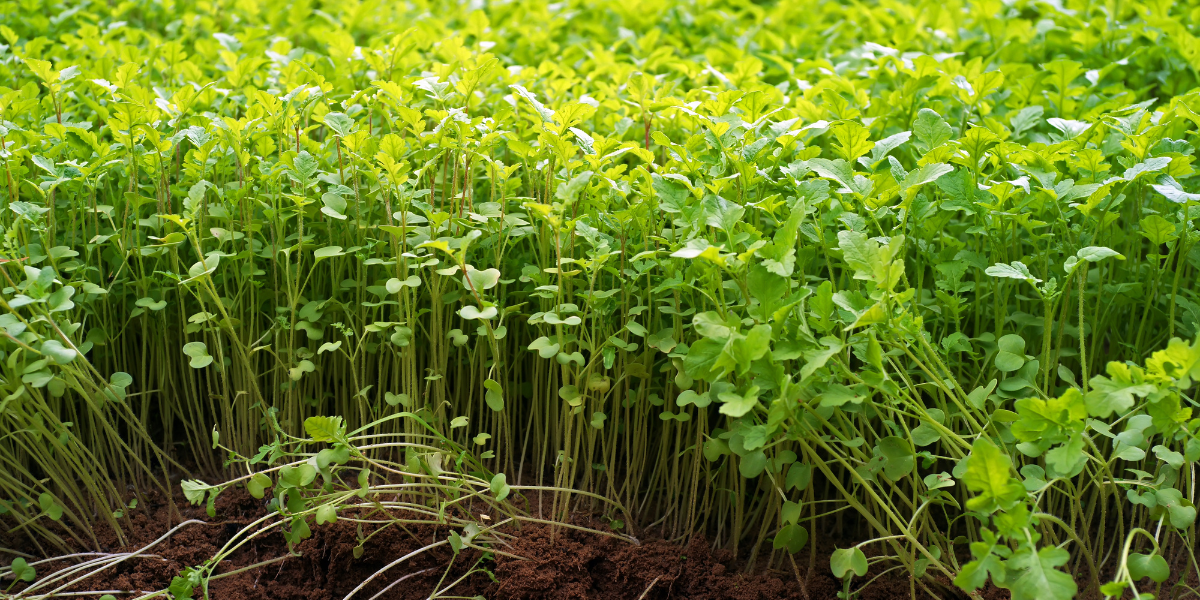
Hardy salads, spinach, pak choi, mizuna, winter purslane and spring onions can all provide fresh produce well into autumn and winter.
You can also plant overwintering onions and prepare beds for garlic later in the season.
Don't leave your plot standing still when it could still be producing food.
3. Stopping Watering Too Soon
Cooler mornings can give the impression that plants no longer need watering.However, tomatoes, squash, beans and newly sown crops still require consistent moisture while they're actively growing.
Water deeply rather than little and often, and continue collecting rainwater whenever possible.
4. Ignoring Your Soil
After months of producing crops, your soil has worked hard.
Leaving beds bare means nutrients can be lost, weeds quickly take over and heavy rain can damage soil structure.
Instead:
- Add homemade compost.
- Mulch empty beds.
- Sow green manures.
Healthy soil is the foundation of next year's harvest.
5. Leaving Empty Beds
It's tempting to think, "I'll sort that out in spring." But every empty bed is an opportunity.Late summer is ideal for sowing quick-growing salads, leafy greens or green manures that protect and improve the soil throughout winter.
Think of empty beds as unfinished jobs rather than completed ones.
6. Forgetting About Crop Rotation
When you're busy harvesting, it's easy to forget where everything has grown.
Before clearing beds, make a note of this year's layout.
Good crop rotation helps reduce pests and diseases while making the best use of soil nutrients.
A simple sketch or photo can save a lot of head-scratching next spring.
7. Leaving Plants to Struggle On
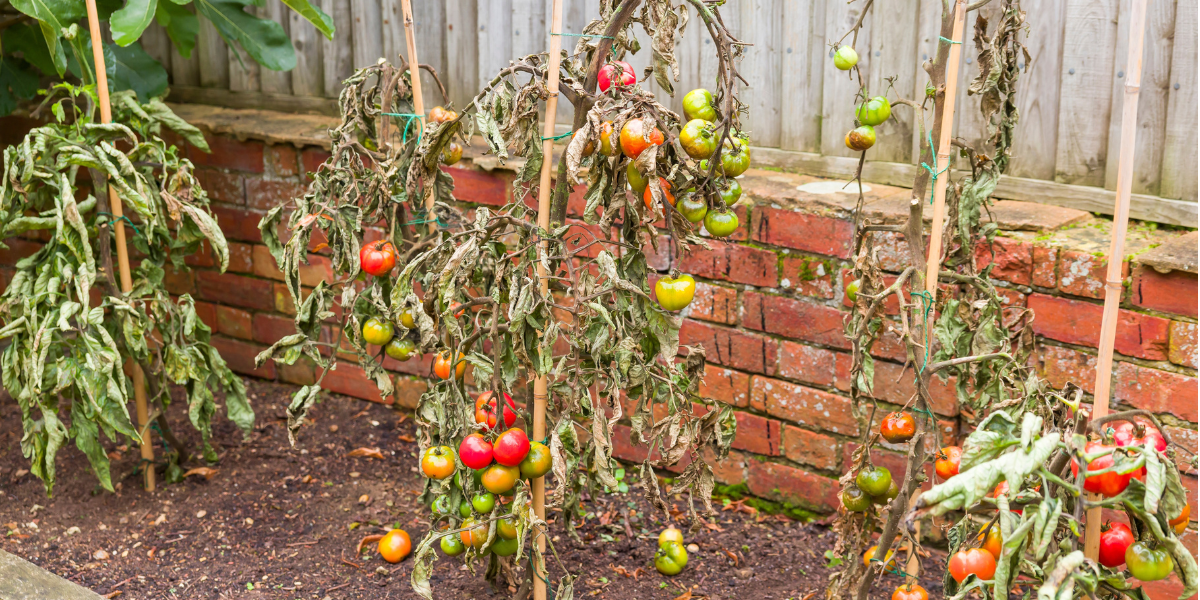
By late summer, some crops have simply reached the end of their useful life.Old pea plants, bolted lettuces and diseased tomatoes won't suddenly recover.
Removing tired plants makes room for new crops and improves airflow around healthy plants.
8. Forgetting About Wildlife
As flowers fade, wildlife still needs food and shelter.
Leave some seed heads for birds, continue growing late-flowering plants for pollinators and avoid tidying every corner of your plot.
Log piles, compost heaps and undisturbed areas can provide valuable habitats as wildlife prepares for winter.
9. Missing the Signs of Disease
Late summer often brings warm days, cool nights and increased humidity—ideal conditions for problems such as late blight, powdery mildew and grey mould.Check plants regularly and remove affected leaves promptly to stop diseases spreading.
Catching problems early is often the difference between saving a crop and losing it.
10. Not Planning for Next Year
It's easy to become focused on harvesting what's in front of you.
But experienced allotment holders know that next year's success often begins now.
Take a few minutes to ask yourself:
- Which tomato variety performed best?
- Which crops struggled?
- Did you grow enough salads?
- Were there gaps in production?
- Which flowers attracted the most pollinators?
Every Season Is a Chance to Learn
One of the wonderful things about allotment gardening is that no one ever knows everything.Every season teaches us something new. Even experienced growers make mistakes, discover better ways of doing things and learn from unexpected successes and failures.
Late summer isn't just about harvesting—it's about learning, improving and preparing for another productive year.
Join The National Allotment Society
Become a National Allotment Society member and help to preserve and protect allotments for future generations.
You'll also gain a range of benefits, including free liability insurance, initial legal support, expert advice and much more.
Non Member Newsletter Signup

National Society of Allotment & Leisure Gardeners Ltd
Registered in 1930 under the Industrial & Provident Societies Acts no. 11144R
VAT No. 1212930 14
Patron His Majesty King Charles III
© 2022-2023 National Society of Allotment & Leisure Gardeners Ltd