Understanding Your Allotment Soil and How to Improve It
Discover how understanding and improving your allotment soil can help you grow healthier crops, protect biodiversity and make your plot more resilient to climate change.
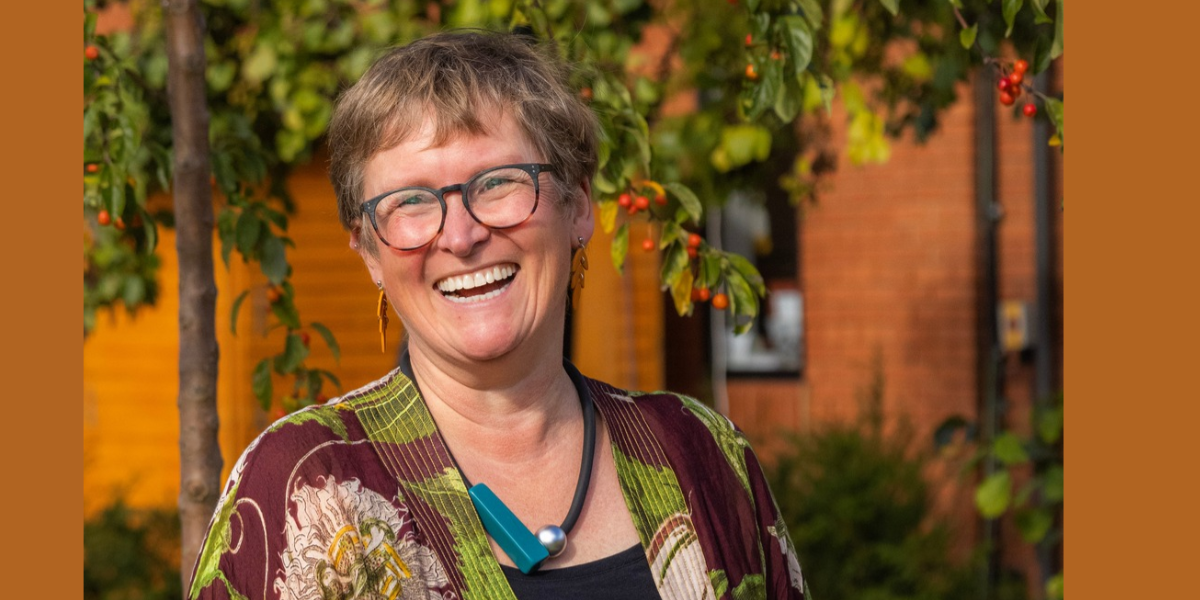
At a recent National Allotment Society Annual Development Programme (ADP), our ambassador Dr Sarah Owen-Hughes, Head Gardener at Rudding Park in Harrogate, delivered a fascinating presentation entitled Secrets of the Soil for Allotments and Climate Change.
Her message was clear: understanding and caring for our soil is one of the most important things we can do as gardeners, particularly as we face increasingly unpredictable weather conditions.
From the smallest microorganisms to the importance of organic matter, Sarah explored how healthier soil can help us grow more successfully, reduce unnecessary work and build more resilient allotments.
What Is Soil and Why Does It Matter?
It might look like a simple mixture of earth and stones, but healthy soil is a complex and living environment.Approximately half of its volume consists of solid particles, while the other half is made up of spaces, or pores, that can contain air and water.
These spaces are essential for healthy root development, drainage and the organisms that live within the soil.
Two important characteristics influence how soil behaves:
- Soil texture: The proportion of sand, silt and clay.
- Soil structure: How these particles are arranged and held together.
It can even help reduce the amount of work needed to maintain a productive plot.
Get to Know Your Allotment Soil
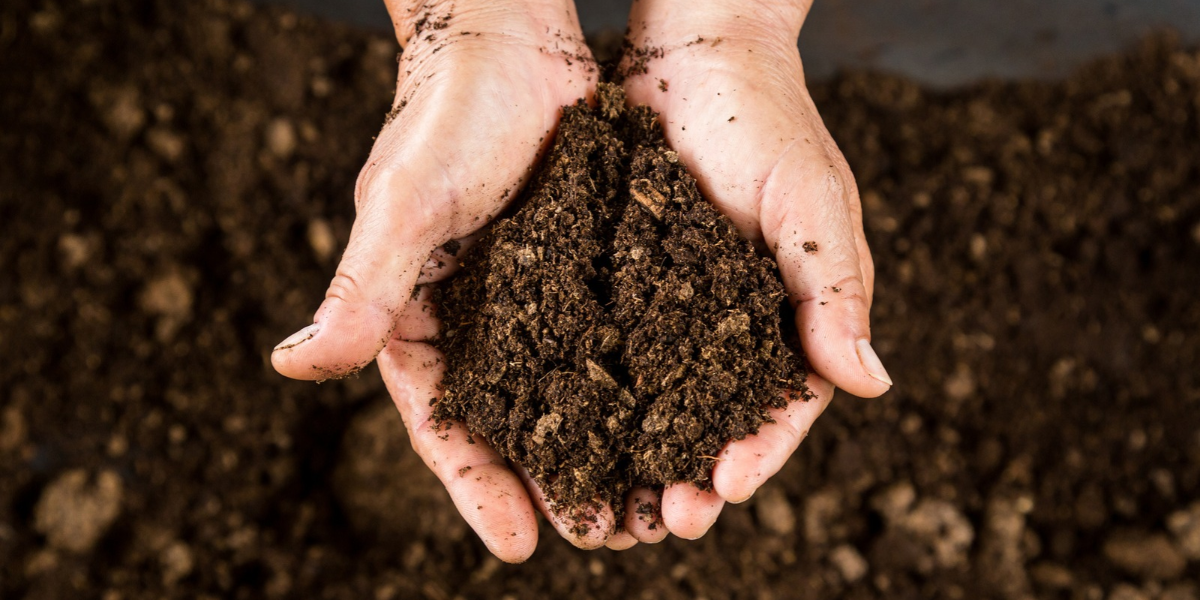
Before making changes to your soil, it is worth understanding what you are working with. Sarah highlighted several ways gardeners can assess soil health, including testing pH, examining soil texture and checking how effectively water drains through the ground.
You do not necessarily need expensive equipment to get started.
Look at your soil
Take a handful and examine its texture. Is it crumbly, sandy, sticky or compacted? Are earthworms present?
Test the pH: A simple soil testing kit can help establish whether your soil is acidic, neutral or alkaline, which can influence the crops you choose.
Observe drainage: Notice how quickly water disappears after heavy rainfall and whether certain areas remain waterlogged.The Cranfield University LandIS soil information service
can also provide a useful starting point for understanding the general soil characteristics of your area. However, remember that allotment soils may have been cultivated and improved over many years, so local observation remains essential.
How Is Climate Change Affecting Our Soil?
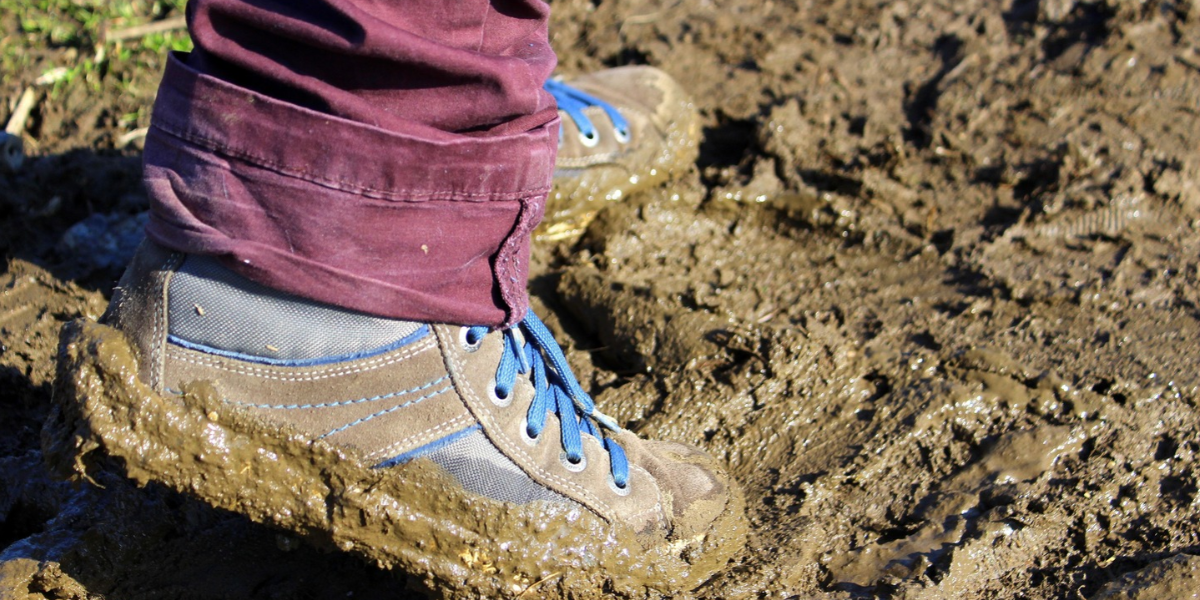
As gardeners, many of us are already experiencing the challenges of changing weather patterns. Prolonged dry spells, heatwaves and periods of intense rainfall can all affect the health and productivity of allotment soil.
The impact of heatwaves
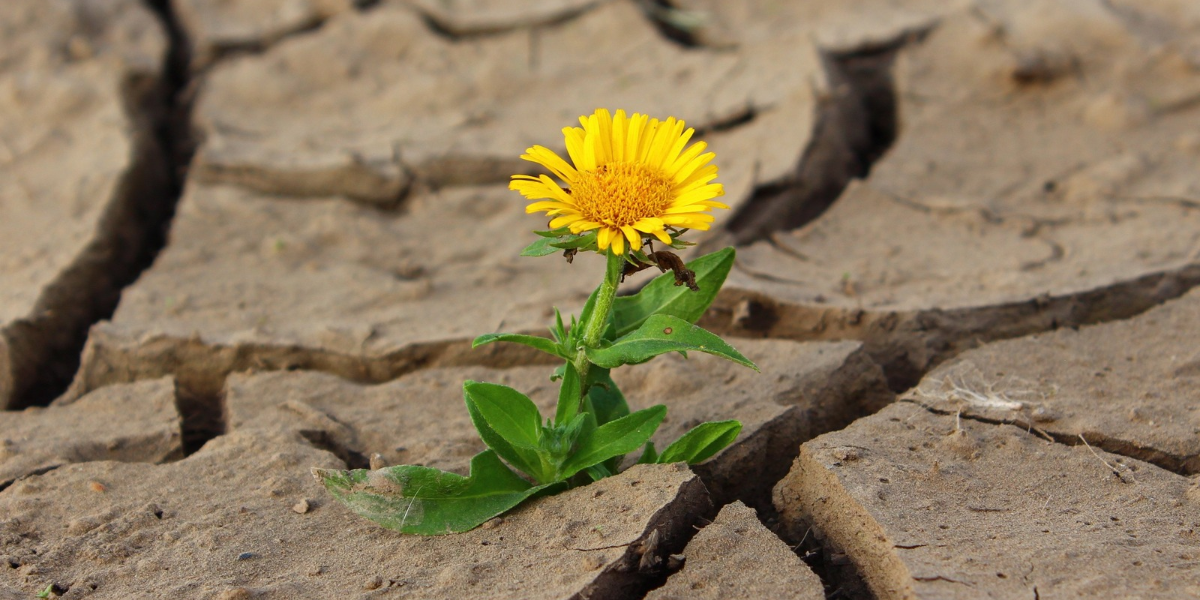
High temperatures can cause soil moisture to evaporate more quickly, leaving crops struggling to access the water they need.
Heatwaves can also affect nutrient availability and microbial activity, while dry soil may become harder and more difficult to cultivate.
Over time, these changes can reduce soil productivity and make growing conditions more challenging.
The impact of heavy rainfall and flooding
At the other extreme, excessive rainfall can lead to waterlogging, erosion and the loss of valuable topsoil.
When soil becomes saturated, the air spaces that roots and many beneficial organisms depend upon can fill with water.
Flooding can also damage soil structure and create conditions in which plant roots struggle to function.
The good news is that gardeners can take practical steps to make their soil more resilient to both drought and heavy rainfall.
Organic Matter Is One of Our Greatest Allies
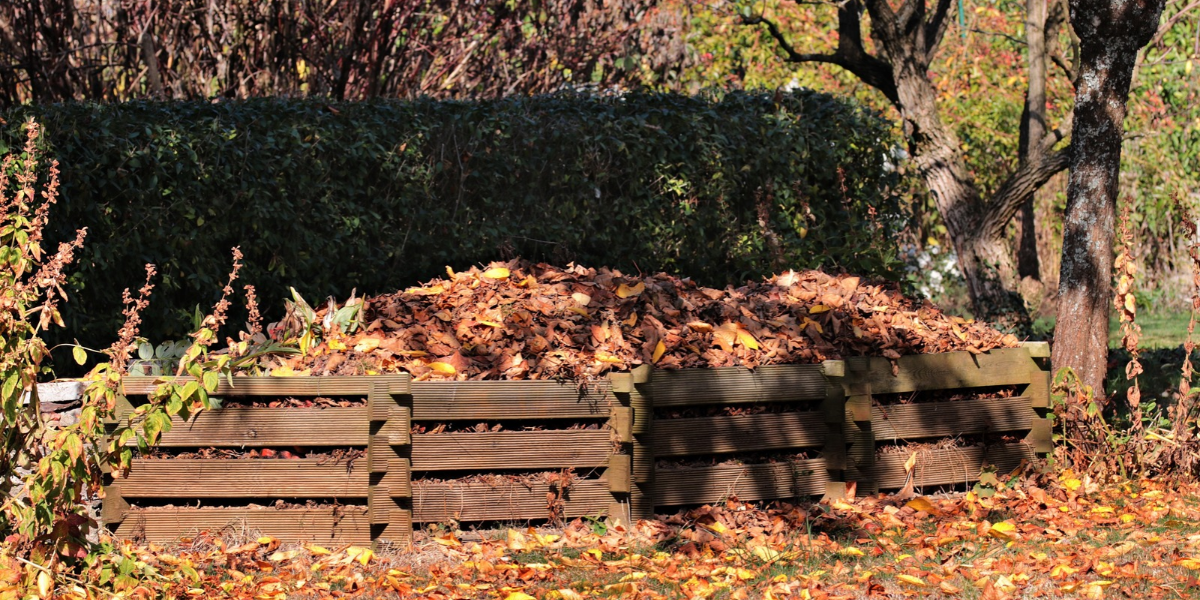
One of the most important messages from Sarah's presentation was the value of organic matter.Adding materials such as well-rotted compost, leaf mould and other suitable organic materials can gradually improve soil structure and support the organisms living within it.
Organic matter helps soil retain moisture during dry conditions while also supporting drainage and aeration.
It provides a valuable source of nutrients as it breaks down and can help protect the soil surface from extreme temperatures.
Best of all, much of the organic matter needed on an allotment can be produced using materials already available on the plot.
The Hidden Life Beneath Our Feet
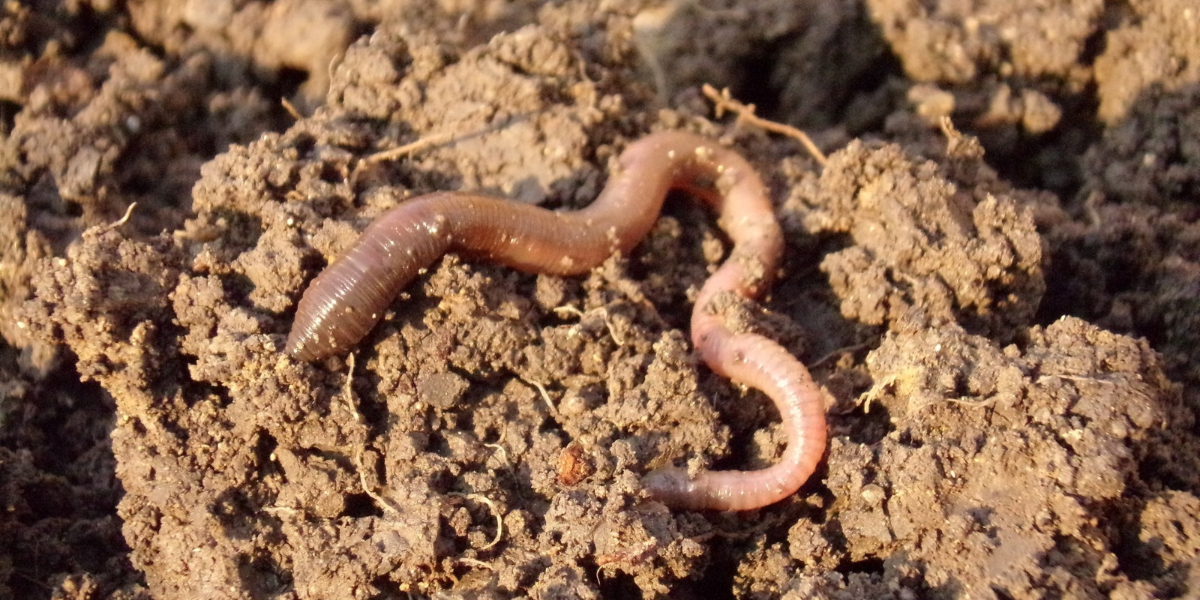
Healthy soil is alive with an extraordinary range of organisms, including bacteria, fungi, earthworms and other tiny creatures.These organisms play an essential role in breaking down organic material, cycling nutrients and supporting healthy plant growth.
Sarah highlighted the importance of creating conditions in which these beneficial organisms can thrive.
Rather than treating soil simply as something that holds plants upright, we should recognise it as a living ecosystem that needs looking after.
By feeding the soil with organic matter, keeping it protected and avoiding unnecessary disturbance, we can support the biological activity that makes productive growing possible.
Seven Ways to Improve Soil Health on Your Allotment
During her presentation, Sarah referred to the Soil Association's Seven Ways to Save Our Soils, highlighting practical approaches that can be adopted at a local level.These principles offer a useful guide for allotment holders and associations.
Add more organic matter. Incorporate suitable plant and animal-derived organic materials to improve soil condition.
- Monitor soil health. Regularly observe soil structure, drainage, pH and signs of biological activity.
- Encourage soil organisms. Create conditions that support earthworms, fungi and beneficial microorganisms.
- Keep soil covered. Use living plants, green manures or mulches to protect exposed ground.
- Include trees where appropriate. Trees can contribute to biodiversity and soil health, provided they are suitable for the site and permitted.
- Reduce compaction. Avoid walking on growing beds, particularly when the soil is wet.
- Plan crop rotations. Rotate crops thoughtfully to support soil health and manage pests and diseases.
- Small improvements, carried out consistently, can make a substantial difference over time.
Could No-Dig Gardening Help?
Another approach Sarah discussed was reducing soil disturbance through no-dig gardening.
Traditional digging has long been part of allotment gardening, but repeated cultivation can disrupt soil structure and the organisms living within it.
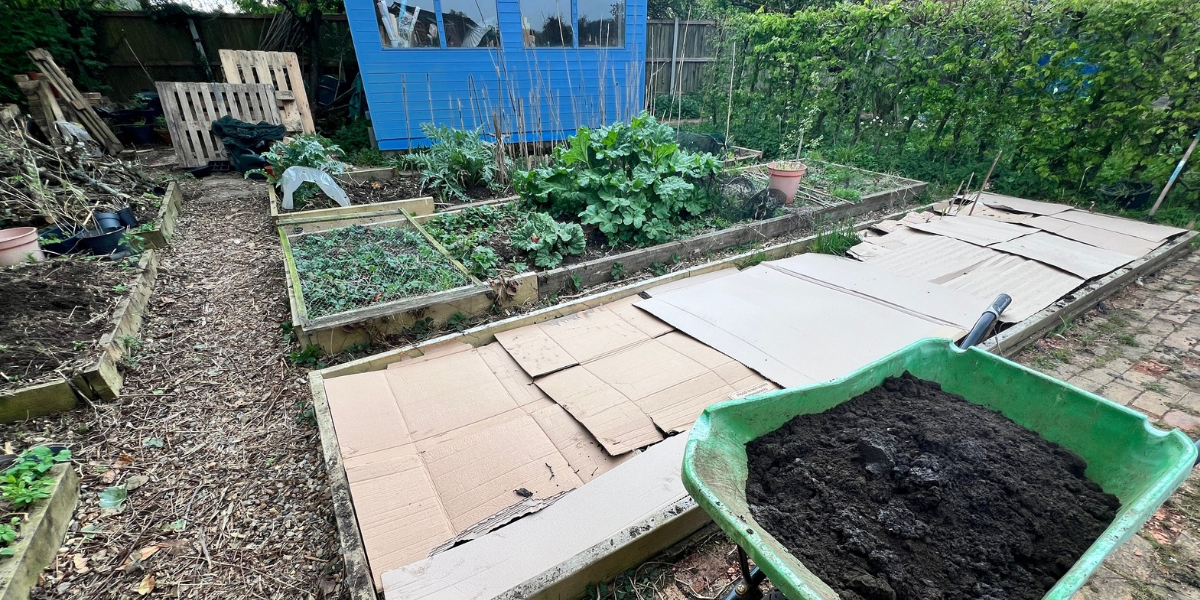
No-dig methods generally involve applying organic matter to the soil surface and allowing natural processes to incorporate it gradually.
This can help protect soil structure, support biological activity and reduce the physical effort required to maintain growing beds.
For allotment holders looking to reduce their workload while improving soil health, it is certainly an approach worth exploring.

.png)
Make the Most of Composting & Green Manures
Composting is another excellent way to improve soil health while making productive use of suitable garden materials.
Sarah encouraged gardeners to find a composting method that works for their circumstances, rather than feeling they must follow one particular system.
Options include traditional compost heaps, hot composting, wormeries and bokashi systems.
The important thing is to be realistic about the time, space and effort you can dedicate to composting.
Green manures can also play a valuable role in protecting and improving soil.
These are plants grown primarily to benefit the soil rather than for harvesting. Depending on the species, they can help cover bare ground, support soil structure and contribute organic matter.
However, Sarah emphasised the importance of choosing green manures carefully and timing their sowing appropriately.
Some are better suited to particular seasons or soil conditions, and others may be difficult to manage if allowed to grow for too long.
Three Simple Things You Can Do for Your Soil
If there were three practical messages to take away from Sarah's presentation, they would be:Mulch, mulch, mulch
Keep soil protected with suitable organic mulches to help conserve moisture, moderate temperatures and reduce exposed ground.
Create as much organic matter as you can
Compost suitable plant material, collect autumn leaves and make the most of resources available on your plot.
Minimise unnecessary digging
Protect soil structure and the living organisms beneath the surface by reducing disturbance wherever practical.
.png)
.png)
Healthy Soil for a Changing Climate
Looking after our soil is about much more than producing a good harvest this season.
Healthy soil supports biodiversity, helps manage water and contributes to the long-term sustainability of our growing spaces.
As climate change brings new challenges, understanding what is happening beneath the surface will become increasingly important for allotment gardeners.
Sarah's presentation was a valuable reminder that some of the most effective ways to improve our plots begin with the soil itself.
At the National Allotment Society, we are committed to encouraging sustainable growing practices and helping allotment holders develop the knowledge and skills needed to protect their plots for the future.
Because when we look after our soil, we are also looking after the future of our allotments.
Join The National Allotment Society
Become a National Allotment Society member and help to preserve and protect allotments for future generations.
You'll also gain a range of benefits including free liability insurance, initial legal support, expert advice and much more.
Non Member Newsletter Signup

National Society of Allotment & Leisure Gardeners Ltd
Registered in 1930 under the Industrial & Provident Societies Acts no. 11144R
VAT No. 1212930 14
Patron His Majesty King Charles III
© 2022-2023 National Society of Allotment & Leisure Gardeners Ltd