September Foraging After a Dry Summer
September is usually one of the most rewarding months for foraging. Summer berries overlap with the first nuts, hips, haws and other signs of autumn, making hedgerows and woodland edges particularly productive.
But this year, it may pay to forget the calendar and look a little more closely at what is actually happening around you.
After such a hot, dry summer, wild plants have experienced many of the same challenging conditions as our allotment crops. Depending on where you live, some fruits may have ripened earlier, while others may be smaller, drier or less abundant. Equally, plants growing in sheltered or damper spots may still be producing well.
So, what should you be looking for this September?
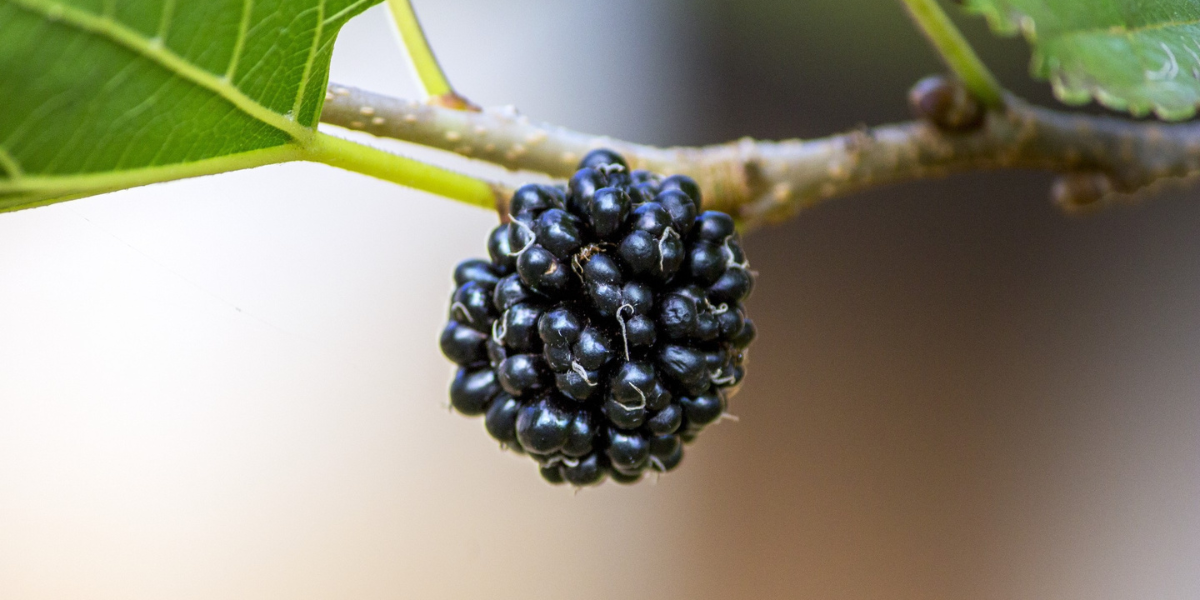
1.Blackberries
Where to find them:Hedgerows, woodland edges, footpaths and scrubland.
Choose plump, glossy, dark berries that come away easily. After a dry summer, avoid berries that have become hard or shrivelled and try looking in more sheltered locations.
Why eat them?Blackberries provide fibre and vitamin C and contain anthocyanins – the plant compounds responsible for their deep purple colour.
Eat fresh, freeze for later or use in crumbles, jams, compotes and sauces.
Blackberry & Apple CompoteCombine 300g blackberries with two or three chopped apples, two tablespoons of sugar or honey and a splash of water. Simmer gently for 10–15 minutes until soft.
Serve with yoghurt or porridge, spoon over pancakes or freeze in portions for winter.
2. Rosehips
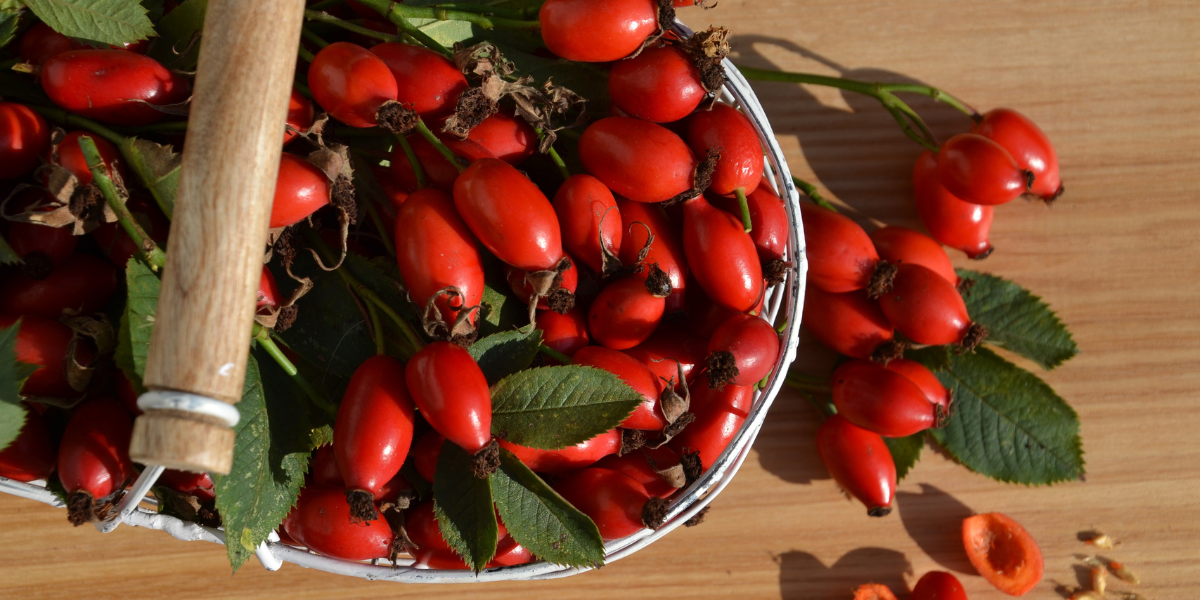
Where to find them:Wild and dog roses in hedgerows, scrub and woodland edges.
What to look for: Firm red or orange hips. They can remain on plants well into autumn, so there is no need to pick them all at once.
Rosehips are particularly rich in vitamin C and also contain carotenoids and other plant compounds.
How to use them:Traditionally made into rosehip syrup, jelly and preserves.
The fine hairs surrounding the seeds inside the hips can cause irritation, so rosehips need to be prepared carefully and any syrup or jelly thoroughly strained.
3. Hawthorn Berries
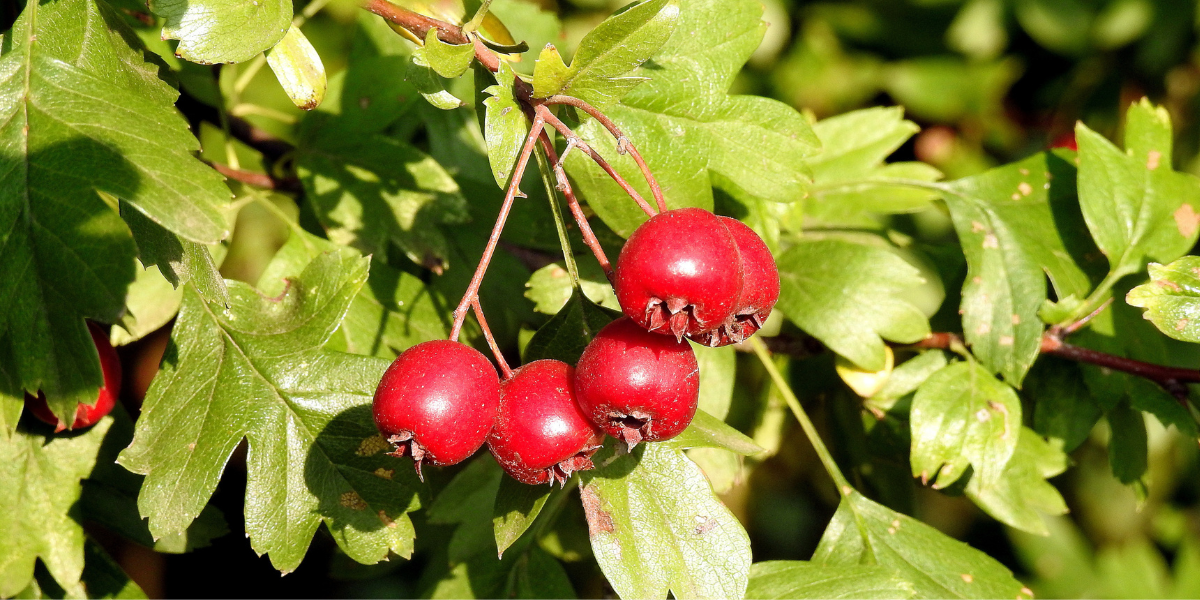
The familiar red berries of hawthorn – known as haws – become increasingly noticeable during September.Where to find them:
Hedgerows, field boundaries and woodland edges.
Clusters of ripe red berries. Availability can vary considerably, particularly following prolonged dry weather.
Haws contain fibre and a range of polyphenols and other plant compounds.
How to use them: Their texture and flavour mean they're rarely eaten straight from the tree, but they work well in jellies, chutneys and preserves, particularly when combined with apples.
4. Sloes
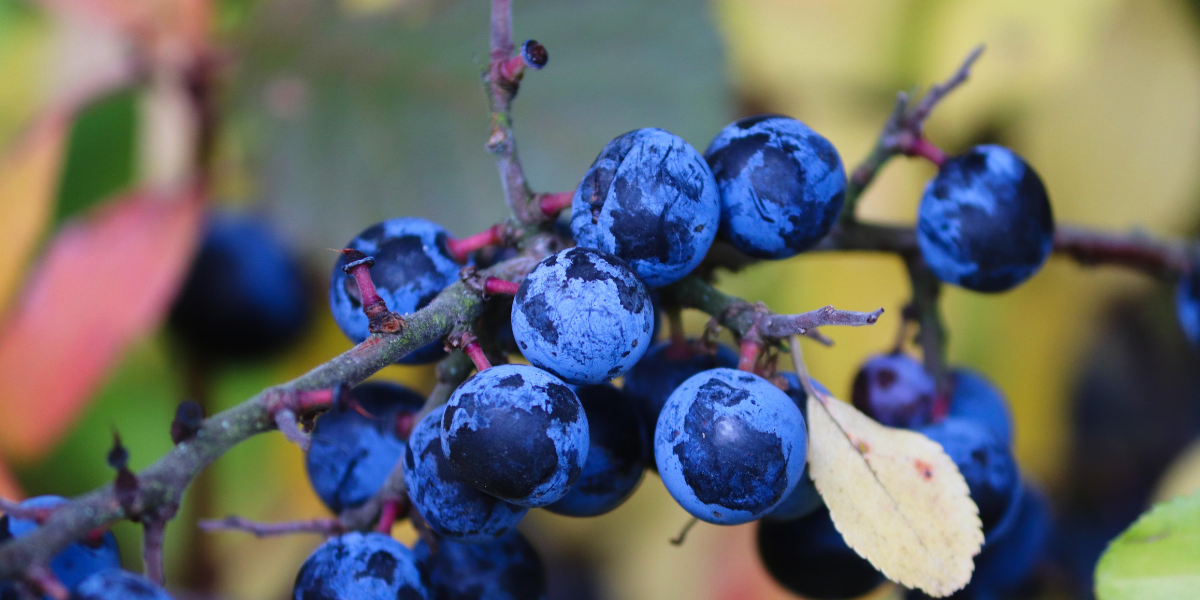
These small blue-black fruits grow on blackthorn and are one of the classic tastes of autumn.Where to find them: Hedgerows, scrub and woodland edges.
What to look for: Small, round, deep blue-purple fruits with a dusty-looking bloom. Blackthorn has sharp thorns, so pick carefully.
Why use them? Sloes contain vitamin C and polyphenols, although their intensely sharp, astringent taste means they're normally processed rather than eaten raw.
How to use them: Sloe gin is the classic choice, but they can also be used for jellies, syrups and preserves.
Simple Sloe GinYou will need:
- 500g ripe sloes
- 250g sugar
- 500ml gin
Leave for at least a couple of months before straining – making September a good time to start a bottle for Christmas.
5. Hazelnuts
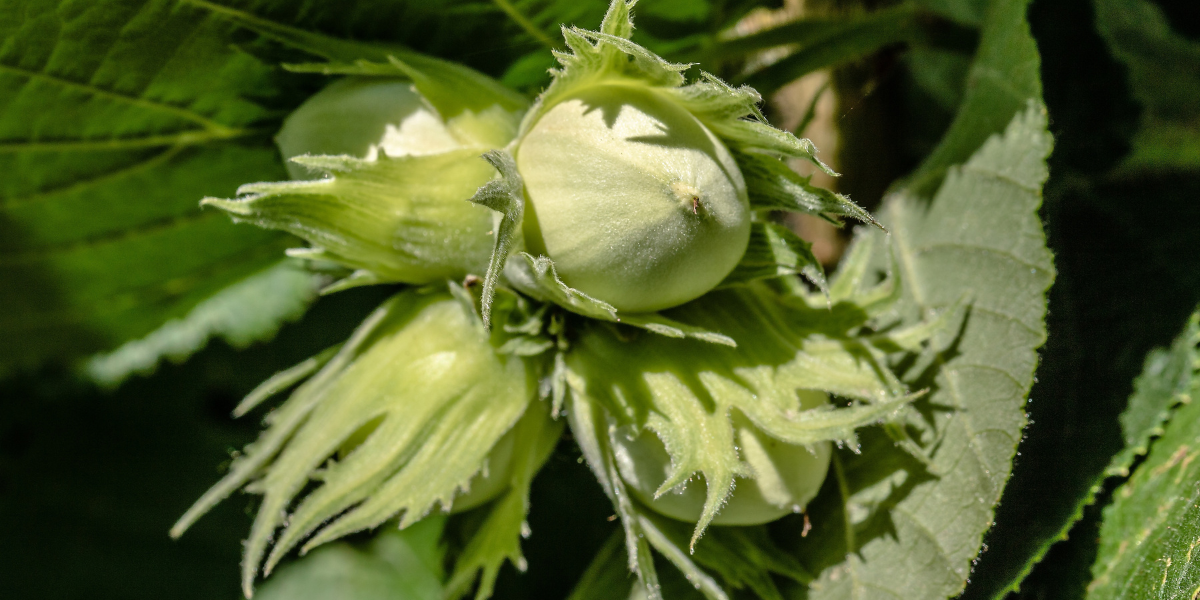
If you can get to them before the squirrels, hazelnuts are one of September's real treats. Where to find them: Hazel grows widely in hedgerows, woodland and scrub.
What to look for: Nuts developing inside their leafy husks. Check for small holes that can indicate something has already beaten you to the contents.
6. Walnuts
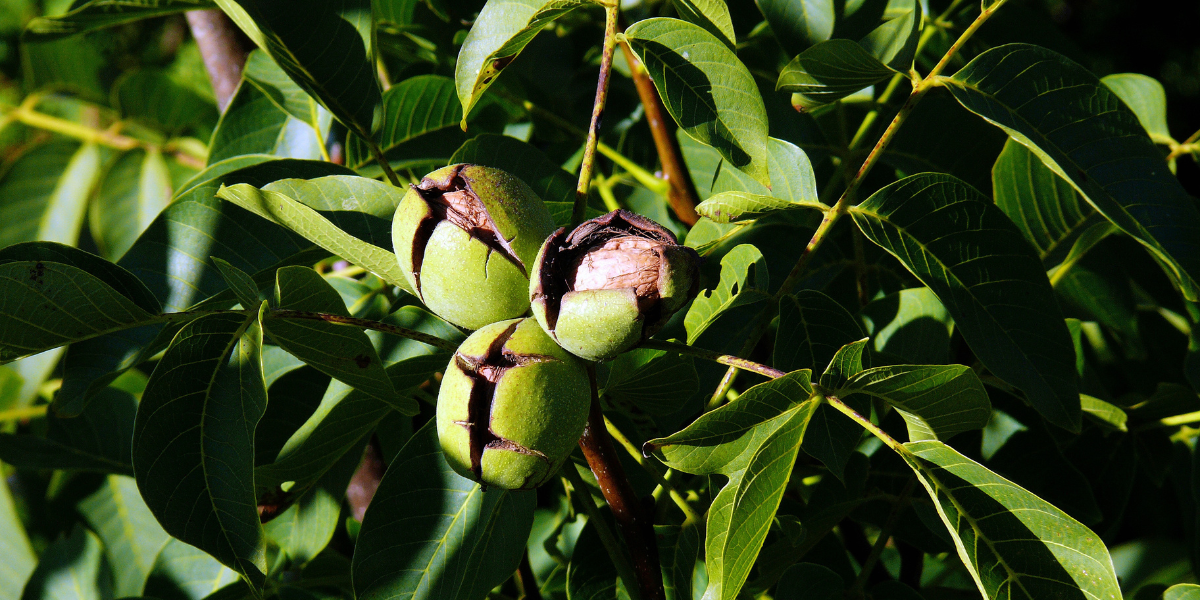
Walnuts can also begin appearing as summer gives way to autumn. Where to find them: Walnut trees are often found in parks, old gardens and orchards – although make sure you have permission before collecting.
What to look for: The familiar nut develops inside a fleshy green outer husk. Wear gloves when handling them, as walnut husks can stain skin and clothing.Why eat them? Walnuts provide protein, fibre and unsaturated fats, including the plant-based omega-3 fatty acid ALA.
How to use them:
Dry for storage, eat raw or toasted, add to baking and salads or turn them into pesto.
Walnut & Herb Pesto
You will need:
- 100g walnuts
- A generous handful of basil, parsley or mixed herbs
- 1 garlic clove
- 50g grated hard cheese
- Around 100ml olive oil
- A squeeze of lemon
- Salt and pepper
It's particularly good stirred through pasta or spooned over roasted allotment vegetables.
7. Sweet Chestnuts – One to Watch
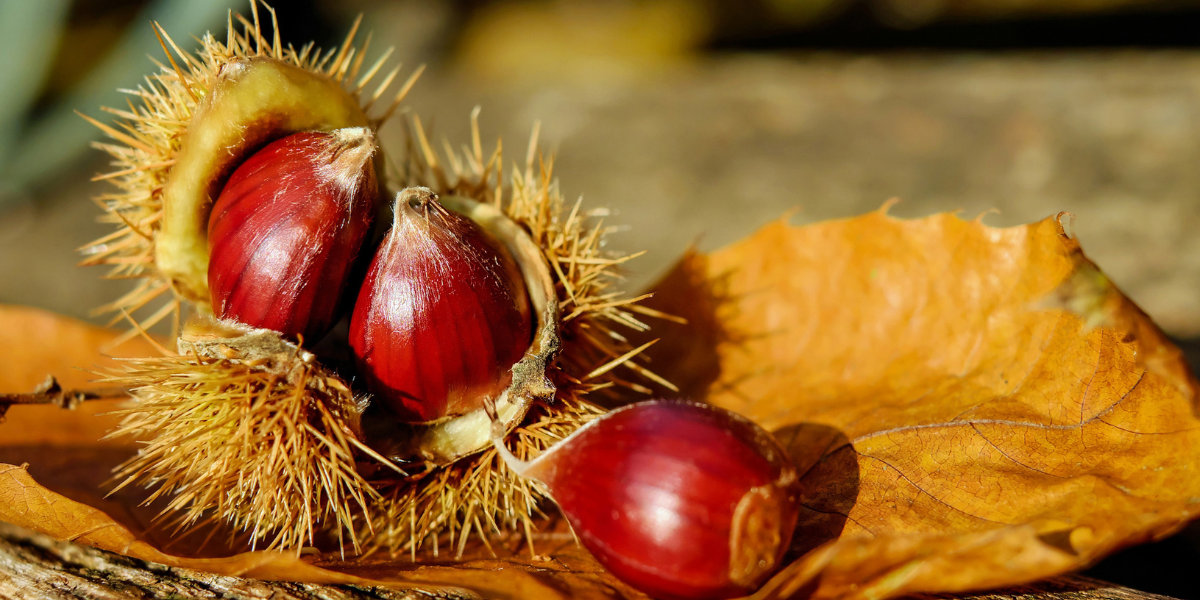
Depending on conditions and location, you may begin to see sweet chestnuts appearing as September progresses, although the main harvest often comes later in autumn.Where to find them: Mature sweet chestnut trees in woods, parks and larger green spaces.
What to look for: Sweet chestnuts are enclosed in densely covered, extremely prickly cases.Don't confuse them with horse chestnuts or conkers, which are not edible.
Why eat them? Unlike many nuts, sweet chestnuts are relatively low in fat and provide carbohydrate and fibre. They also contain vitamin C.
How to use them: Roast them, add cooked chestnuts to soups and stuffings or use them in autumn baking.
8. And What About Mushrooms?
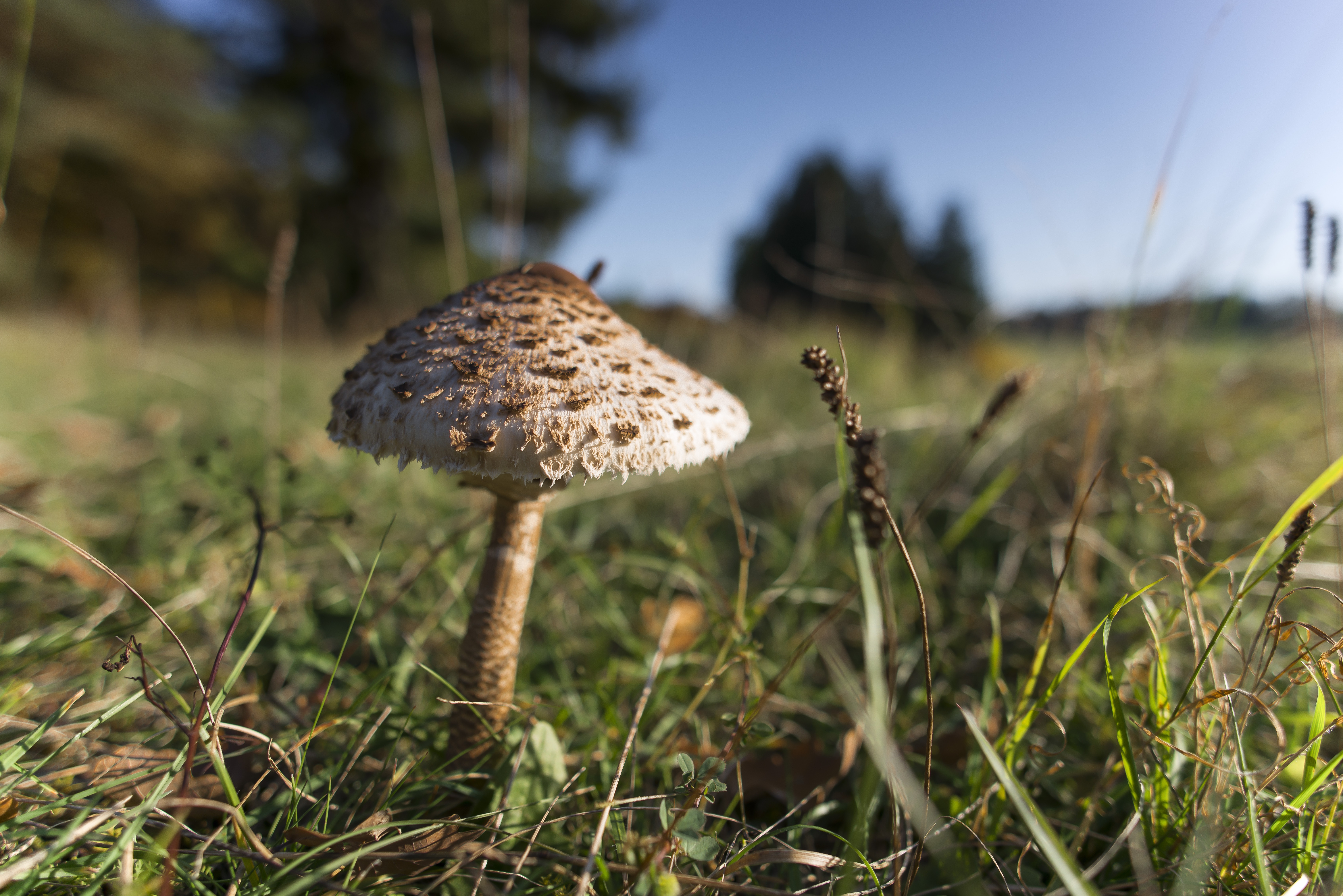
September can herald the start of an exciting period for fungi, but this is one area where the dry summer may make a particularly noticeable difference.Fungi need suitable moisture to produce the mushrooms we see above ground, so prolonged dry conditions can delay their appearance. A spell of autumn rain may change things remarkably quickly.
Wild mushroom identification, however, requires considerable expertise. Some poisonous species can closely resemble edible ones.
Never eat a wild mushroom unless you are completely certain of its identification. Don't rely solely on a photograph or an identification app.
Leave Something Behind
In a year when some wild harvests may be smaller, responsible foraging becomes even more important.Those berries, nuts and seeds are also autumn and winter food for birds, mammals and insects. Take only a small proportion of plentiful supplies, spread your picking across an area and leave scarce crops alone.
Only forage where you have permission and where collecting is permitted. Avoid plants growing close to busy roads or in places that may have been sprayed, and never uproot a wild plant without the landowner's permission.
Most importantly,
never eat anything unless you are completely confident that you have identified it correctly.
Let Nature Set the Calendar
One of the pleasures of foraging is that it makes us pay closer attention to the changing seasons.
After this year's dry summer, September could be particularly interesting. Some traditional autumn finds may have arrived early, some may be smaller or scarcer, and others may simply be waiting for rain.
Just as on the allotment, there is no such thing as a completely 'normal' growing year.
So, when you're next walking past a hedgerow, take a closer look.
What's ready to harvest where you are – and what has this summer's weather changed?
Happy foraging!
Join The National Allotment Society
Become a National Allotment Society member and help to preserve and protect allotments for future generations.
Non Member Newsletter Signup

National Society of Allotment & Leisure Gardeners Ltd
Registered in 1930 under the Industrial & Provident Societies Acts no. 11144R
VAT No. 1212930 14
Patron His Majesty King Charles III
© 2022-2023 National Society of Allotment & Leisure Gardeners Ltd