The Right to Grow and the Role of Allotments
The movement to encourage more people to grow their own food has never been stronger. Campaigns such as the Right to Grow are helping to highlight the many benefits of gardening, from improving physical and mental wellbeing to strengthening communities, supporting biodiversity and increasing food resilience.
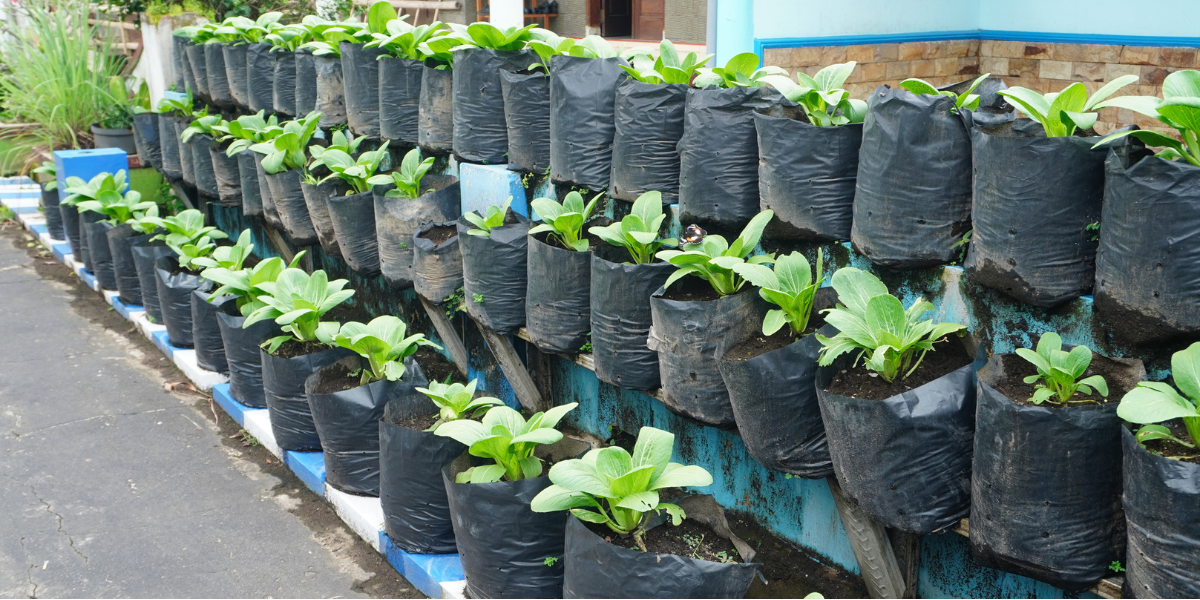
At the National Allotment Society, we welcome any initiative that inspires more people to grow. We share the belief that everyone should have the opportunity to experience the rewards of cultivating their own fruit, vegetables and flowers. Whether through an allotment, a community garden, a school growing project or an edible public space, encouraging people to connect with nature and food production is something we wholeheartedly support.
However, as the UK's leading organisation dedicated to allotments, we also believe it is important to recognise the unique role that statutory allotments play.
Why allotments matter
Allotments are far more than pieces of land where vegetables are grown. They are thriving communities, centres of learning, places of wellbeing and an important part of our national heritage. They bring together people of all ages and backgrounds, providing opportunities to learn new skills, improve health, support wildlife and build lasting friendships.
Perhaps most importantly, statutory allotments are protected in law.
This legal protection gives plot holders confidence that the time, effort and money they invest in improving their plots is worthwhile. Establishing productive soil, planting fruit trees, building compost systems and creating wildlife habitats are all long-term commitments that benefit from the security that statutory allotments provide.
Without that protection, growers may be less willing to make those investments, and communities can lose valuable growing spaces far too easily.
Perhaps most importantly, statutory allotments are protected in law.
This legal protection gives plot holders confidence that the time, effort and money they invest in improving their plots is worthwhile. Establishing productive soil, planting fruit trees, building compost systems and creating wildlife habitats are all long-term commitments that benefit from the security that statutory allotments provide.
Without that protection, growers may be less willing to make those investments, and communities can lose valuable growing spaces far too easily.
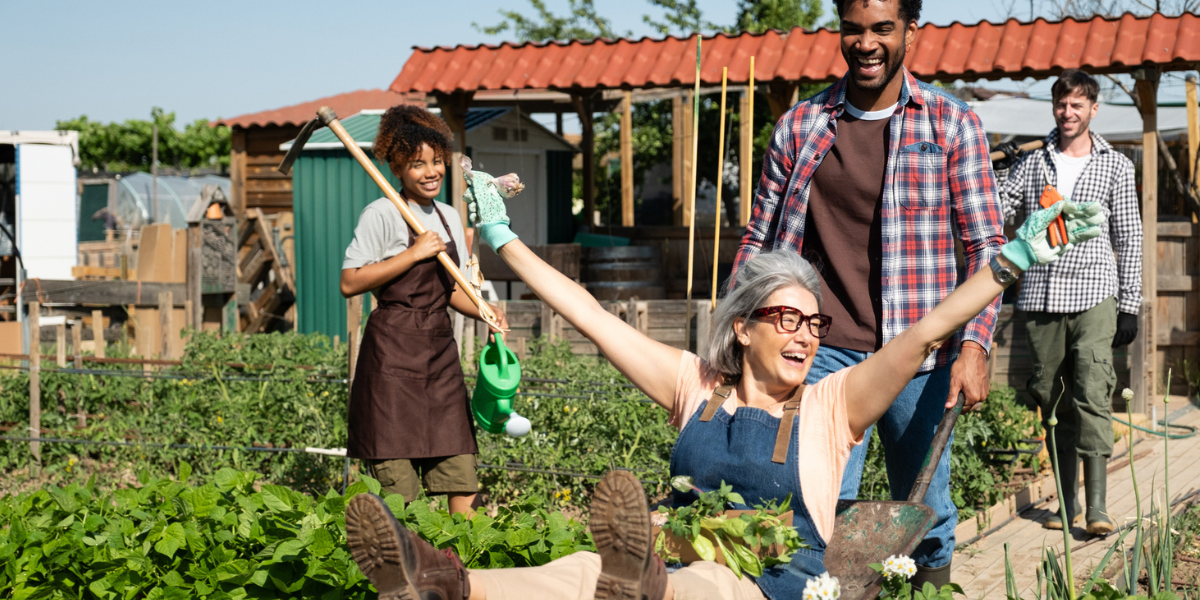
Growing opportunities should complement, not compete
The National Allotment Society believes that increasing access to growing spaces should not be viewed as an either/or choice.
Community gardens, orchards, edible landscapes, school gardens, rooftop growing projects and other innovative spaces all have an important role to play. They can introduce new audiences to growing, improve access in urban areas and strengthen local communities.
At the same time, they should complement—not replace—the provision of statutory allotments.
Waiting lists across the country continue to demonstrate the demand for secure, individual growing spaces. Many people want the opportunity to cultivate a plot over many years, developing their skills and creating productive gardens that contribute to local food production.
The answer is therefore not fewer allotments or weaker protection, but more opportunities to grow in a variety of ways.
Community gardens, orchards, edible landscapes, school gardens, rooftop growing projects and other innovative spaces all have an important role to play. They can introduce new audiences to growing, improve access in urban areas and strengthen local communities.
At the same time, they should complement—not replace—the provision of statutory allotments.
Waiting lists across the country continue to demonstrate the demand for secure, individual growing spaces. Many people want the opportunity to cultivate a plot over many years, developing their skills and creating productive gardens that contribute to local food production.
The answer is therefore not fewer allotments or weaker protection, but more opportunities to grow in a variety of ways.
Protecting the future of food growing
As interest in home-grown food continues to increase, we believe the UK needs a long-term strategy that:
- Protects existing statutory allotments.
- Creates new statutory allotments where demand exists.
- Encourages community gardens and other shared growing spaces.
- Includes food-growing opportunities within new housing developments.
- Recognises growing spaces as essential green infrastructure that supports health, biodiversity, climate resilience and local food production.
Working towards the same goal
Ultimately, the National Allotment Society and the Right to Grow movement share a common ambition: helping more people experience the benefits of growing their own food.By protecting statutory allotments while also expanding other forms of community growing, we can create a stronger, more resilient network of growing spaces that benefits individuals, communities and the environment alike.
The future of growing should not be about choosing between allotments and other community spaces. It should be about ensuring there are enough opportunities for everyone to get involved, while protecting the allotments that remain the cornerstone of community food growing across England and Wales.
Together, we can grow more food, support healthier communities and ensure that future generations enjoy the same opportunities to cultivate, learn and thrive.
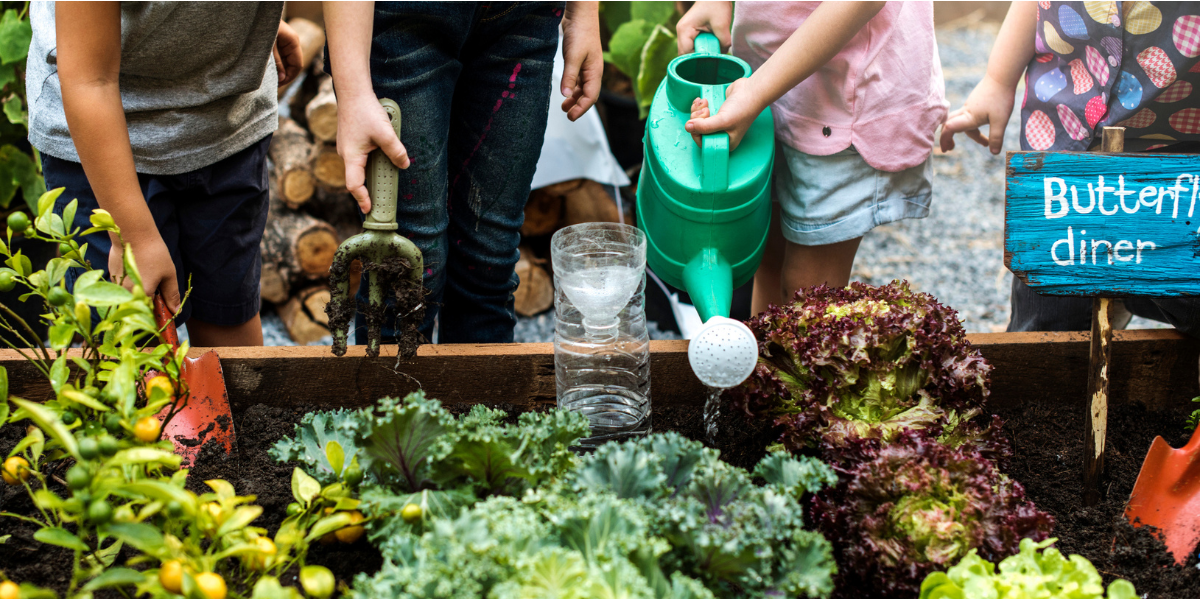
The challenge isn't choosing between allotments and other growing spaces—it's ensuring we have enough of both.
By protecting our statutory allotments, creating new sites where they are needed, and embracing community gardens, school growing projects and other innovative spaces, we can give more people than ever before the opportunity to grow their own food.
The National Allotment Society believes this is the future of food growing: protecting what works, embracing new ideas and ensuring that every generation has the chance to discover the life-changing benefits of growing their own.
By protecting our statutory allotments, creating new sites where they are needed, and embracing community gardens, school growing projects and other innovative spaces, we can give more people than ever before the opportunity to grow their own food.
The National Allotment Society believes this is the future of food growing: protecting what works, embracing new ideas and ensuring that every generation has the chance to discover the life-changing benefits of growing their own.
Join The National Allotment Society
Become a National Allotment Society member and help to preserve and protect allotments for future generations.
You'll also gain a range of benefits including free liability insurance, initial legal support, expert advice and much more.
Non Member Newsletter Signup

National Society of Allotment & Leisure Gardeners Ltd
Registered in 1930 under the Industrial & Provident Societies Acts no. 11144R
VAT No. 1212930 14
Patron His Majesty King Charles III
© 2022-2023 National Society of Allotment & Leisure Gardeners Ltd