Are Regenerative Allotments the Future of Growing
Regenerative farming is becoming an increasingly familiar term, but what does it actually mean, and could the same principles work on our allotments? From improving soil health to encouraging wildlife and making better use of natural resources, could regenerative growing help us create more resilient and productive plots?
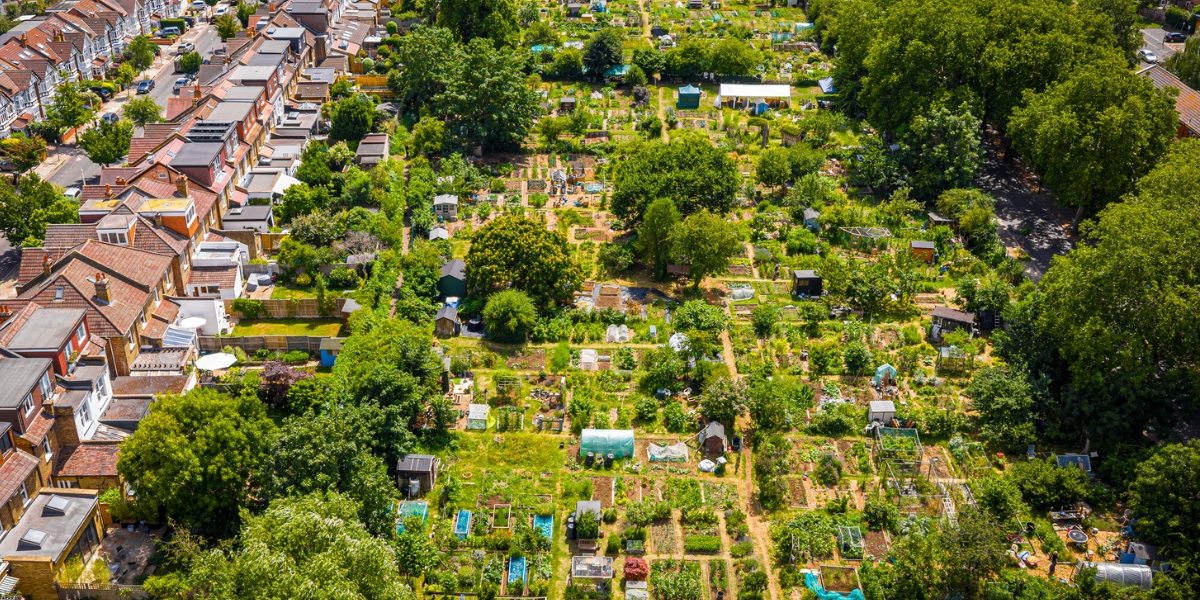
But with growing interest in regenerative agriculture, perhaps it's time to look at these familiar techniques in a slightly different way.
Could our allotments do more than simply produce food? Could they also help restore and improve the land we cultivate?
What Is Regenerative Growing?
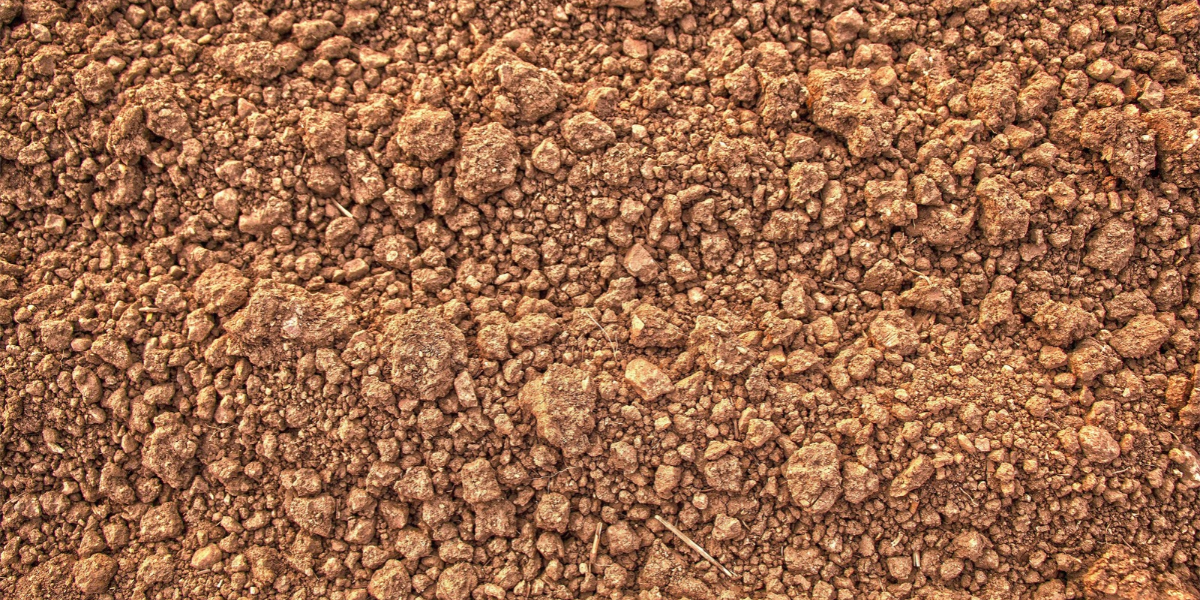
Regenerative agriculture is an approach to farming that aims to improve soil health, support biodiversity and strengthen the natural processes that make land productive.Rather than focusing solely on what can be harvested, it considers how growing practices can improve the condition of the soil and surrounding environment over time.
There is no single universally agreed definition of regenerative agriculture, and it isn't a particular gardening method or set of rules. Instead, it brings together a range of practices that aim to work with natural processes.
These can include reducing unnecessary soil disturbance, keeping soil covered, increasing plant diversity, adding organic matter and making better use of water and other resources.
While regenerative agriculture is generally discussed in relation to larger farms, many of its principles are equally relevant to allotment gardening.
And the interesting thing is that many allotment holders may already be practising elements of regenerative growing without ever using the term.
Could Your Allotment Already Be Regenerative?
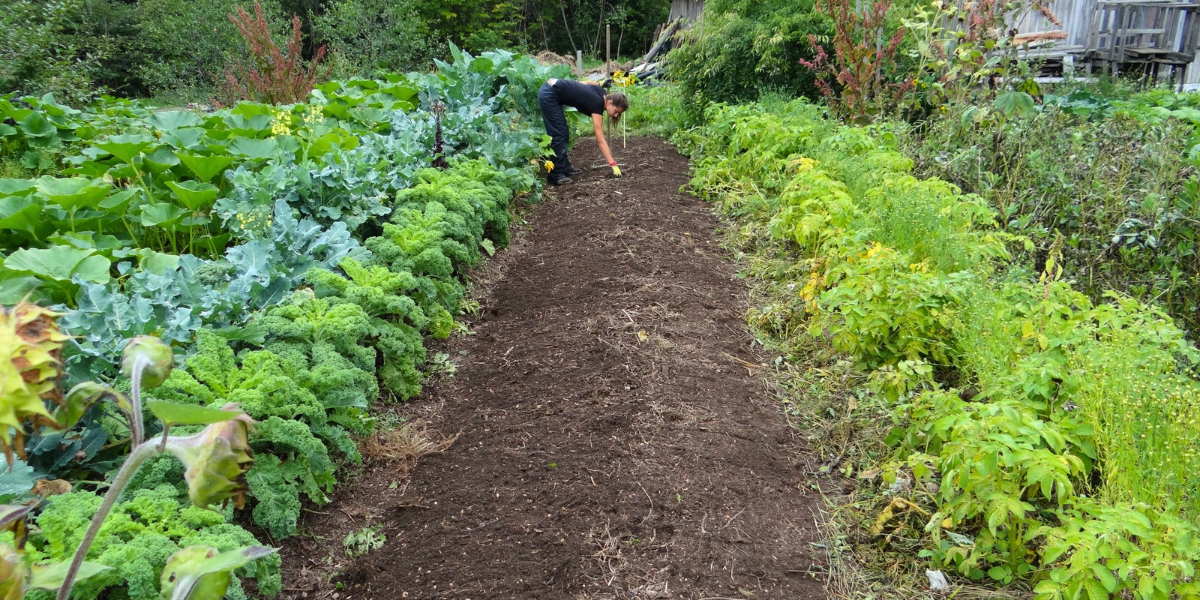
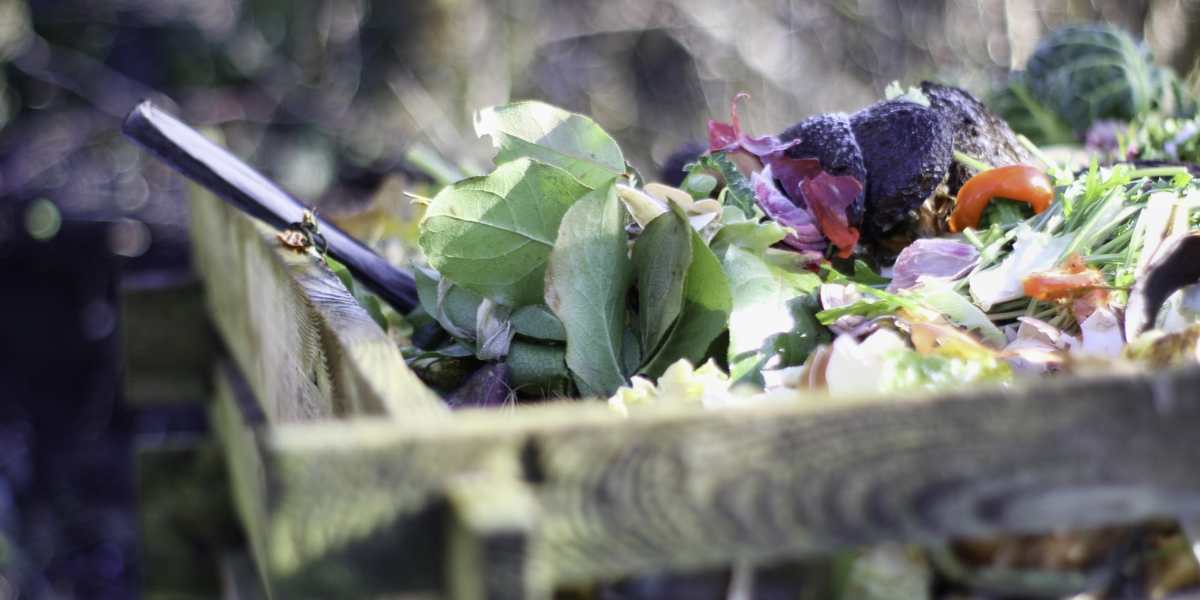
Think about what happens on a typical allotment. Kitchen and garden waste is turned into compost. Green manures are grown to protect the soil. Rainwater is collected in water butts. Flowers are planted to attract pollinators, and crops are rotated to help maintain soil fertility. These are all practices that can contribute to a healthier growing environment.
The difference with regenerative growing is perhaps less about introducing completely new techniques and more about considering how they work together.
Instead of simply asking, How can I grow a better crop this year?
, we might also ask, How can I leave my soil in better condition for next year?
It's an interesting change in perspective, particularly when we consider that some allotment sites have been cultivated for generations.
Five Ways to Explore Regenerative Growing on Your Allotment
1. Look After the Soil Beneath Your Feet
- Healthy soil is the foundation of a productive allotment.
- Beneath the surface is a complex community of earthworms, fungi, bacteria and other organisms that help break down organic matter, cycle nutrients and maintain soil structure.
- Adding compost and well-rotted manure can help improve soil structure, while avoiding unnecessary compaction allows air and water to move more freely through the ground.
- Some gardeners prefer no-dig methods to minimise soil disturbance, while others use traditional cultivation techniques to manage weeds, incorporate organic matter or improve difficult ground.
- Regenerative growing does not have to mean abandoning every established gardening practice. The important consideration is how different methods affect soil health over time.
2. Keep Your Soil Covered
- Bare soil can be vulnerable to erosion, particularly during periods of heavy rain or strong winds. It may also lose moisture more quickly during dry weather.
- One regenerative approach is to keep the ground covered wherever practical.
- This might involve growing green manures between crops, applying organic mulches or leaving suitable crop residues on the surface.
- Green manures such as field beans, clover and phacelia can help protect the soil, while some also provide food for pollinators or contribute to soil fertility.
- However, cover crops need managing. They can compete for water and nutrients if left growing alongside crops, and some need to be cut down or incorporated before the next planting.
- The aim is to find an approach that protects the soil while still allowing the plot to remain productive.
3. Grow a Greater Variety of Plants
- Walk around almost any allotment site and you'll find an impressive variety of plants.
- Vegetables, fruit bushes, herbs and flowers often grow side by side, creating a patchwork of different habitats.
- Plant diversity is an important principle of regenerative agriculture because different plants contribute to the growing environment in different ways.
- Some provide nectar and pollen for insects, others produce deep roots or add organic matter to the soil.
- Crop rotation can also help manage certain pests and diseases and make better use of soil nutrients.
- On an allotment, increasing diversity might be as simple as adding flowering plants around vegetable beds, trying a green manure or introducing a few perennial crops.
- It doesn't mean every plot needs to become a wildlife garden. Food production remains an important part of allotment gardening, and there are plenty of ways to combine productive growing with biodiversity.
4. Make Better Use of Water
- Recent periods of hot, dry weather have highlighted the importance of water management for allotment holders.
- Regenerative approaches often aim to improve the soil's ability to absorb and retain water.
- Adding organic matter can improve the structure of many soils, while mulching can help reduce evaporation from the surface.
- Other practical measures include collecting rainwater, watering directly around plants and choosing crops suited to local growing conditions.
- These methods won't eliminate the need for watering, particularly during prolonged droughts, but they may help gardeners make more efficient use of the water available.
- With changing weather patterns likely to present challenges for growers, improving water resilience could become an increasingly important part of allotment management.
5. Reduce Waste and Reuse Resources
- Allotment holders have a long tradition of making the most of what they have.
- Old containers become seed trays, suitable materials are reused for supports, and garden waste is transformed into compost.
- Regenerative growing encourages us to think about how resources can be kept in use rather than continually replaced.
- Composting suitable plant material returns organic matter to the soil, while saving seeds from appropriate crops can reduce the need to purchase new supplies each year.
- Sharing equipment, exchanging plants and making use of locally available materials can also help reduce costs.
- Of course, not every material is suitable for reuse, particularly where there may be concerns about contamination. But a little creativity can go a long way.
Is Regenerative Gardening the Same as No Dig?
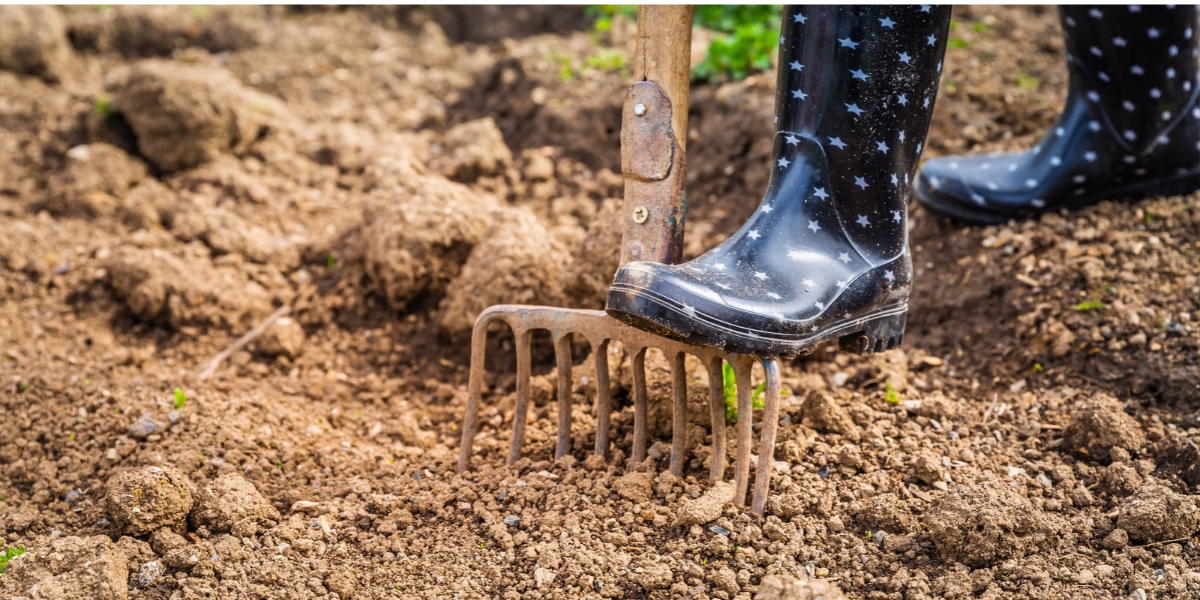
Not necessarily, and this is an important distinction.No-dig gardening is a particular approach to soil cultivation that aims to minimise disturbance, usually by applying organic matter to the surface rather than regularly turning the soil.
Regenerative growing is a broader concept concerned with improving the health and resilience of the growing environment.
No dig can form part of a regenerative approach, but it is not the only way to work towards healthier soil. Traditional cultivation methods can also have a place, particularly where soil is compacted, drainage needs attention or persistent weeds require management.
Can Regenerative Growing Really Make a Difference?
This is where the discussion becomes particularly interesting.Regenerative practices have the potential to improve soil structure, support biodiversity and help growing spaces become more resilient. However, the results depend on many factors, including soil type, weather, existing soil conditions and how particular techniques are used.
Adding more compost, for example, is not automatically better. Excessive applications of nutrient-rich materials can lead to nutrient imbalances and losses to the environment. Similarly, reducing digging may benefit soil structure in some situations, but it won't necessarily resolve severe compaction or drainage problems on its own.
Claims about carbon storage also need careful consideration. While increasing soil organic matter can offer benefits, the amount of carbon stored and how long it remains in the soil are influenced by many factors.
Regenerative growing should therefore be seen as an opportunity to explore and improve our gardening practices rather than a guarantee of better harvests or healthier soil.
And perhaps that's where allotment holders have something particularly valuable to contribute.
What Could We Learn from Regenerative Allotments?
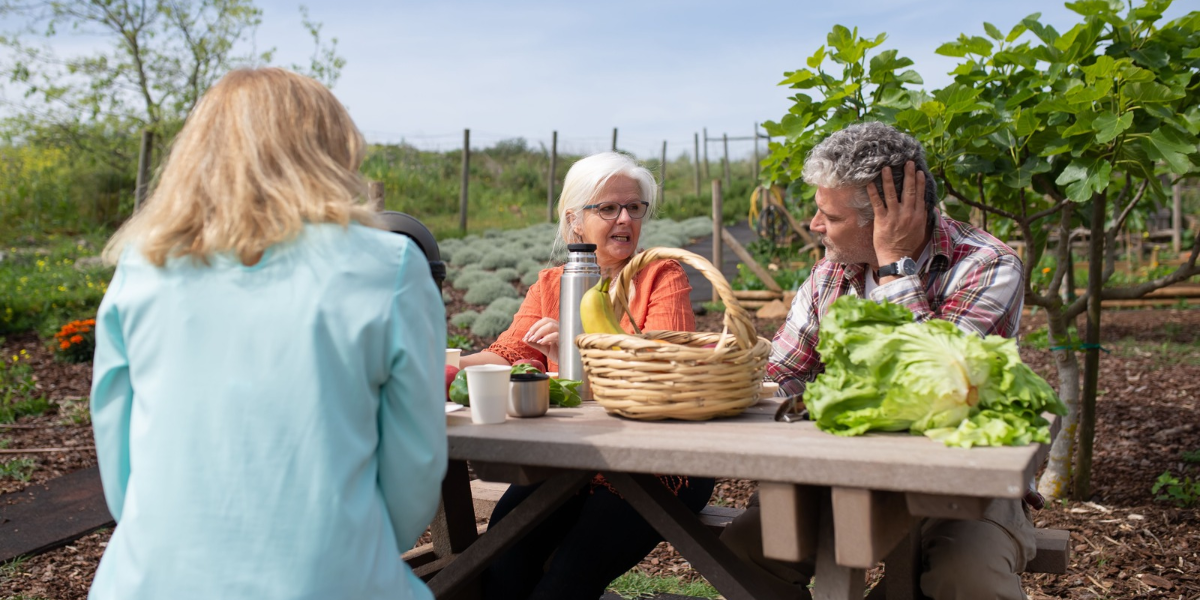
Imagine if allotment holders across the country began sharing their experiences of trying different soil-improvement techniques.One gardener might compare mulched and unmulched beds, while another could experiment with green manures over winter.
Others might record how their soil changes after several years of composting, or whether introducing more flowering plants makes a noticeable difference to the wildlife visiting their plot.
Not every experiment would produce the same results, and that would be part of the interest.
We could learn what works on heavy clay, what helps on sandy soil and which approaches are practical for gardeners with limited time or resources.
There is also an opportunity to bring together traditional knowledge and newer ideas.
Many experienced allotment holders have spent decades improving their soil through careful cultivation, composting and crop management. Their knowledge is just as valuable to the discussion as the experiences of gardeners trying more recent approaches.
Rather than viewing regenerative growing as a replacement for traditional gardening, perhaps we should see it as another opportunity to share ideas and learn from one another.
Could Regenerative Allotments Be Part of Our Future?
Allotments have always adapted to changing circumstances.
Over the years, growing methods, available materials and the crops we cultivate have evolved, but the fundamental purpose of allotments has remained much the same: providing people with space to grow food.
As we look towards the future, questions about soil health, biodiversity, water availability and sustainable food production are becoming increasingly important.
Regenerative growing offers one way of exploring these challenges, but it doesn't require every allotment holder to change the way they garden.
Small improvements, made consistently over time, may be just as valuable as adopting an entirely new system.
And with thousands of allotment sites across the country, there is considerable potential to share knowledge and encourage practical approaches to caring for our growing spaces.
After all, a successful allotment isn't just about what we take from the soil today, but also how we look after it for tomorrow.
Join The National Allotment Society
Become a National Allotment Society member and help to preserve and protect allotments for future generations.
You'll also gain a range of benefits including free liability insurance, initial legal support, expert advice and much more.
Non Member Newsletter Signup

National Society of Allotment & Leisure Gardeners Ltd
Registered in 1930 under the Industrial & Provident Societies Acts no. 11144R
VAT No. 1212930 14
Patron His Majesty King Charles III
© 2022-2023 National Society of Allotment & Leisure Gardeners Ltd