How to Protect Your Allotment for the Future
Understanding statutory protection, Assets of Community Value and the steps you can take to safeguard your allotment site
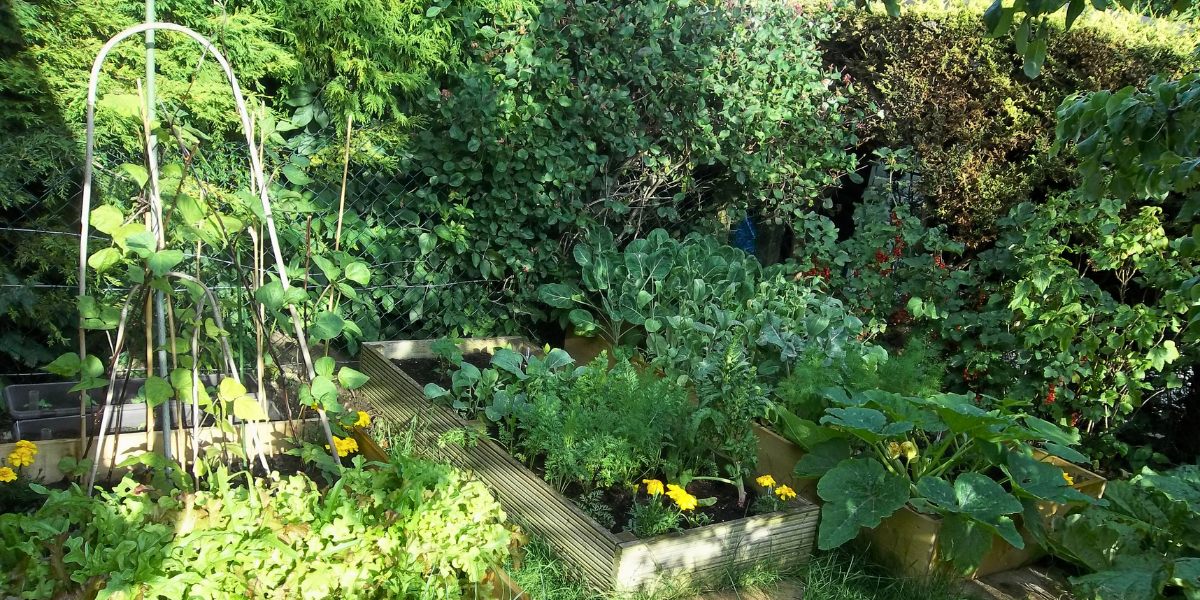
Allotments are much more than places to grow fruit and vegetables. They are valuable green spaces that support health and wellbeing, encourage biodiversity, strengthen communities and provide opportunities for people to grow their own food.
Yet allotment sites can face increasing pressure from development, changes in land ownership and competing demands for land. Whether you are an individual plot holder or part of an allotment association, understanding how your site is protected is an important step towards securing its future.
There are several ways to help safeguard allotments, from establishing their legal status to gaining recognition as an Asset of Community Value. However, not all allotments have the same level of protection, and no single measure guarantees that a site will be safe from development.
The best time to protect your allotment is before it comes under threat.
1. Is Your Allotment Statutory or Temporary?
One of the first things to establish is whether your allotment has statutory or temporary status.
Statutory Allotments
Statutory allotments are sites that a local authority has purchased or formally appropriated for allotment use.Under Section 8 of the Allotments Act 1925, a local authority cannot dispose of statutory allotment land or change its use without obtaining the relevant government consent.
In England, the Secretary of State must consider whether adequate alternative provision will be made for displaced allotment holders, or whether such provision is unnecessary or not reasonably practicable.
However, statutory protection does not mean an allotment can never be developed.
Consent can still be granted, making it important for allotment holders to remain informed about proposals affecting their site.
How Can You Find Out If Your Site Is Statutory?
- Start by contacting your local authority and requesting written confirmation of your site's legal status.
- If the position is unclear, historical records may provide valuable evidence.
- Council committee minutes, land acquisition documents and local archives can help establish why the land was originally purchased or allocated.
- For example, council minutes confirming that land was acquired specifically for allotments could provide important evidence of statutory status.
- You can submit this documentation to the relevant council department and request confirmation that the site is statutory under Section 8 of the Allotments Act 1925.
- If information is difficult to obtain, a Freedom of Information request may help you access relevant records.
Temporary Allotments
Temporary allotments are generally sites being used for allotment gardening without the land having been formally acquired or appropriated for that purpose.For example, a council may have originally purchased land for a burial ground or another purpose before allowing it to be used as allotments.
Even if a site has been used for growing for decades, this does not automatically give it statutory status.
Temporary allotments do not benefit from the same Section 8 protection and may therefore be more vulnerable to changes in land use.
However, other safeguards, including planning policies and community asset recognition, may still provide opportunities to protect these sites.

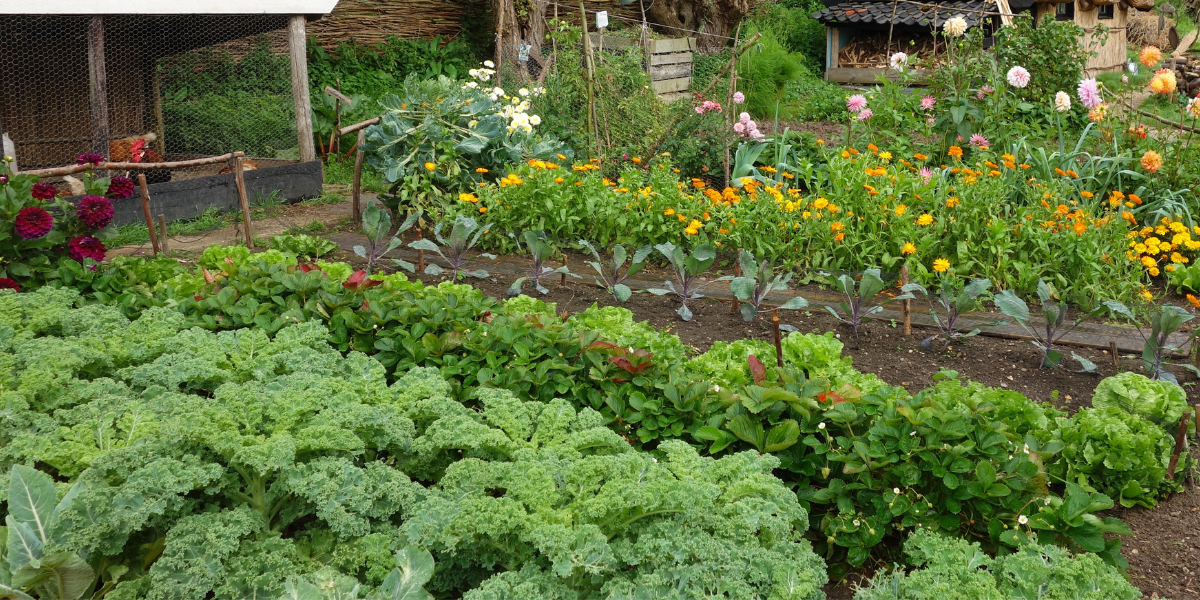
What About Private Allotments?
Private allotments may be managed directly by the landowner or leased to an allotment association, which is responsible for running the site.
Unlike statutory allotments, privately owned sites do not generally benefit from the same specific legal protections against disposal. This makes it particularly important to understand who owns the land and what arrangements are in place to secure its continued use as allotments.
Important considerations include:
Land ownership:
Who owns the site, and are they committed to its long-term use as allotments?
Lease agreements:
Is there a formal lease in place, and how long does it run?
Break clauses:
Can the landowner terminate the agreement early?
Renewal arrangements:
What happens when the current lease expires?
Management responsibilities:
Who is responsible for maintaining the site and its facilities?
Future protection:
Are there opportunities to strengthen the site's long-term security through planning policies or other arrangements?
Information about registered land ownership and leases may be available through HM Land Registry, while older agreements may be held by the landowner, allotment association or local archives.
For privately owned allotments, maintaining a positive relationship with the landowner and securing clear, long-term agreements can be particularly important.
Registering Your Allotment as an Asset of Community Value
Another way to strengthen the recognition of an allotment site's importance is through registration as an Asset of Community Value (ACV).
In England, eligible community organisations can nominate land or buildings that contribute to the social wellbeing or interests of their local community.
Allotments can be strong candidates because they provide opportunities for growing food, improving wellbeing, supporting wildlife and bringing people together.
How Does It Work?
An eligible community organisation can apply to the local authority to have a site added to its register of Assets of Community Value.
The application should demonstrate the benefits the site provides to the community.
Evidence might include community activities, educational projects, biodiversity improvements, local food production and the number of people who use the site.
ACV recognition can provide additional opportunities for community involvement if the landowner proposes to sell the site.
England's community asset legislation is changing following the English Devolution and Community Empowerment Act 2026, which introduces a stronger Community Right to Buy framework. Associations should check which provisions are in force when making an application.
Does ACV Status Prevent Development?
Not necessarily.
Registering an allotment as an Asset of Community Value does not automatically prevent development or guarantee that the land will remain in allotment use.
However, it provides formal recognition of the site's community importance and may offer additional opportunities for local groups to become involved in its future.
If your site is not already registered, contact your local council to find out about the nomination process.
The ACV arrangements described here relate to England. Different legal provisions apply in Wales.
Make Sure Your Allotment Is Recognised in the Local Plan
Local Plans help determine how land will be used and developed in the future. They can include policies relating to allotments, open spaces, green infrastructure and community facilities.
An allotment site identified as important open space may benefit from additional planning policy protection.
However, inclusion in a Local Plan does not guarantee that development can never take place.
What Can You Do?
- Check how your allotment site is identified on your council's planning maps.
- Look for policies relating to allotments, open space, biodiversity and community facilities.
- Respond to Local Plan consultations and highlight the importance of protecting existing allotments.
- Encourage your local authority to recognise the need for additional allotment provision, particularly where waiting lists demonstrate growing demand.
- You may also wish to explore whether your site could qualify for Local Green Space designation through the relevant planning process.
- Taking part in consultations before development proposals arise can be particularly valuable.

Demonstrate Your Allotment's Community Value
One of the most effective ways to strengthen the case for protecting an allotment is to demonstrate the benefits it provides.Allotments contribute to far more than food production. They support physical and mental wellbeing, encourage social connections, provide habitats for wildlife and help people develop practical skills.
Consider keeping a record of:
- The number of plots, active allotment holders and people on waiting lists.
- Community events, school visits and educational activities.
- Wildlife and biodiversity improvements.
- Food-growing initiatives and produce shared with local organisations.
- Accessibility improvements and opportunities for wider community involvement.
- Photographs and testimonials showing the site's contribution to local life.
It also helps demonstrate why allotments should be recognised as essential community spaces rather than simply undeveloped land.
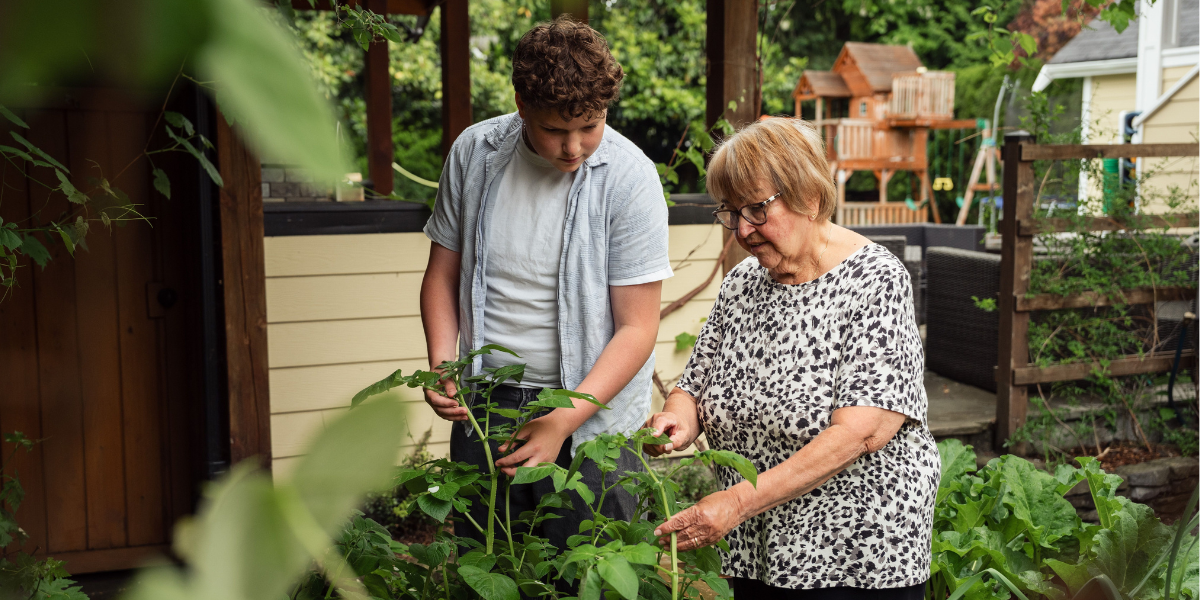
Good communication with your local council can make a significant difference.
Allotment associations should aim to maintain regular contact with the officers and councillors responsible for allotments, parks, planning and community services.Keeping local representatives informed about your site's activities, achievements and challenges helps reinforce its importance.
Invite councillors to visit, attend open days and meet plot holders. Seeing an active allotment community first-hand can be far more powerful than reading about it.
Where possible, encourage your council to develop a clear allotment strategy that recognises the importance of protecting existing sites and providing additional growing space.

What Should You Do If Your Allotment Is Under Threat?
If you become aware of proposals that could affect your allotment, acting promptly is important.- Start by gathering the facts.
- Find out who owns the land, whether it has statutory status and exactly what is being proposed.
- Check for planning applications, consultations or notices relating to the site.
- Contact your allotment association, local councillors and the National Allotment Society as early as possible.
- Bring plot holders together, keep accurate records and ensure any response is based on
- It may also be helpful to demonstrate local support through community meetings, consultation responses and engagement with neighbouring organisations.
do not wait until a decision has already been made before seeking advice.

Protecting Allotments Starts Today
There is no single measure that guarantees an allotment will be protected forever.Statutory status, community asset recognition, planning policies and strong local support can all play a part. Understanding how these protections work together is an important first step.
Allotments have served communities for generations, and their contribution to food security, wellbeing, biodiversity and sustainable living makes them just as important for the future.
By understanding our rights, working together and taking action early, we can help ensure allotments remain part of our communities for generations to come.
Need Advice?
The National Allotment Society is here to support its members and affiliated associations.If you have concerns about your allotment site's legal status, lease arrangements or potential development, contact us as early as possible.
Together, we can help protect and preserve allotments for future generations.
www.thenas.org.uk
Join The National Allotment Society
Become a National Allotment Society member and help to preserve and protect allotments for future generations.
You'll also gain a range of benefits including free liability insurance, initial legal support, expert advice and much more.
Non Member Newsletter Signup

National Society of Allotment & Leisure Gardeners Ltd
Registered in 1930 under the Industrial & Provident Societies Acts no. 11144R
VAT No. 1212930 14
Patron His Majesty King Charles III
© 2022-2023 National Society of Allotment & Leisure Gardeners Ltd