An October Foraging Walk
There’s something particularly satisfying about an October walk. The leaves are turning, the air is cooler and, if you know what to look for, there can be plenty of edible treasures hiding among the hedgerows and trees.
For allotment growers, foraging feels like a natural extension of what we already do. We spend much of the year noticing when things flower, ripen and go to seed – and many of those same clues tell us when wild food is ready to gather.
So, pull on your boots and take a bag with you. Here are some of the things you might discover on an October wander.
Look up: nuts are falling
October is a great month to look beneath mature trees.Sweet chestnuts
begin dropping from their unmistakably spiky cases. Don't confuse them with horse chestnuts (conkers), which aren't edible. Sweet chestnuts have a pointed end and usually several nuts packed inside a very densely spined husk.
Once gathered, they're wonderful roasted on a chilly evening, but they're also surprisingly versatile in the kitchen. Try adding cooked chestnuts to stuffing, casseroles or soup.
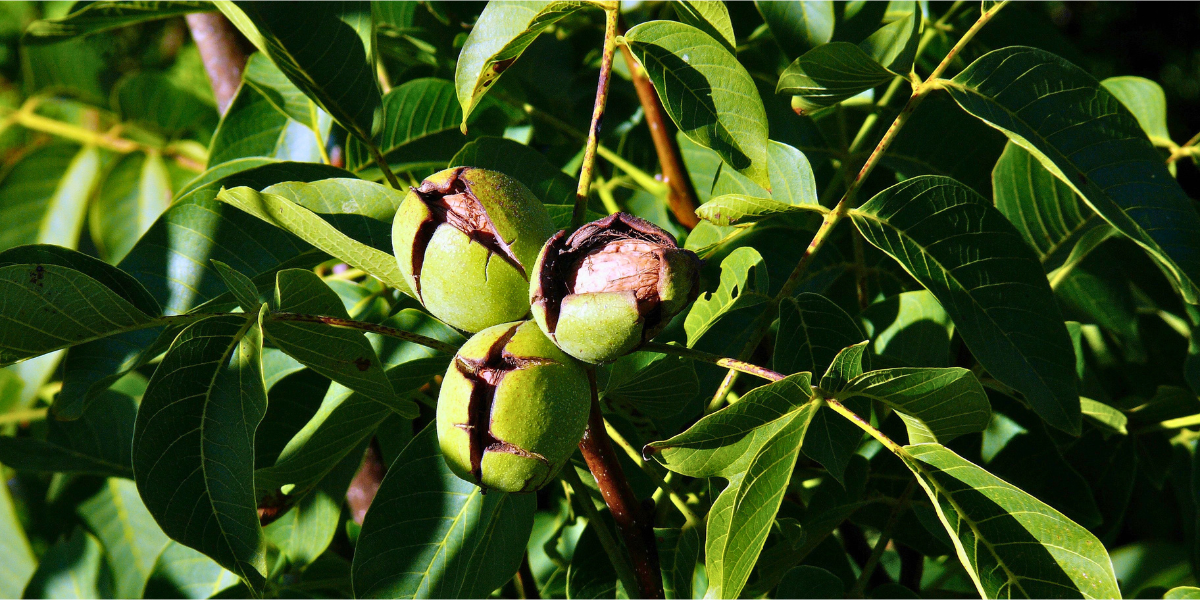
Walnuts
May also be ready, particularly where mature trees grow in parks, gardens and old estates. Their green outer husks gradually split as the nuts mature.
Hazelnuts
You may have some competition here – squirrels are remarkably good at knowing when they're ready. Look for nuts beginning to turn brown and fall naturally.
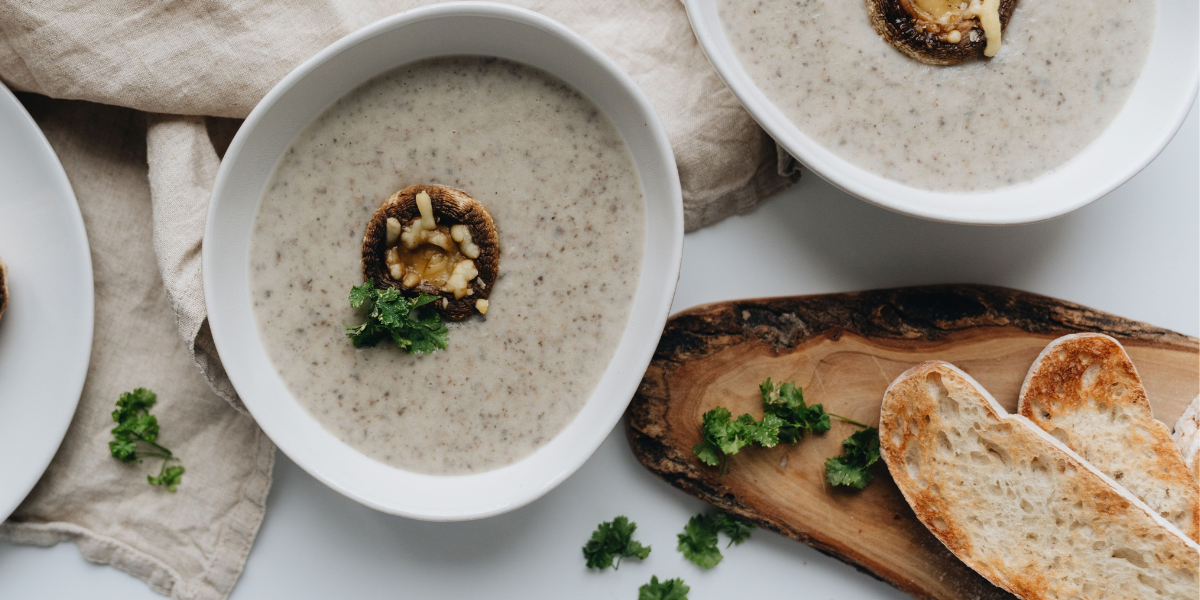
Chestnut & Mushroom Soup
A bowl of this is hard to beat after a cold day outside.You'll need:
- 250g cooked and peeled chestnuts
- 200g mushrooms
- 1 onion
- 2 garlic cloves
- 750ml vegetable stock
- 1 tsp thyme
- Butter or olive oil
- Salt and pepper
Blend until smooth, season and serve with crusty bread. Add a little cream if you fancy it.
Berries in the hedgerows
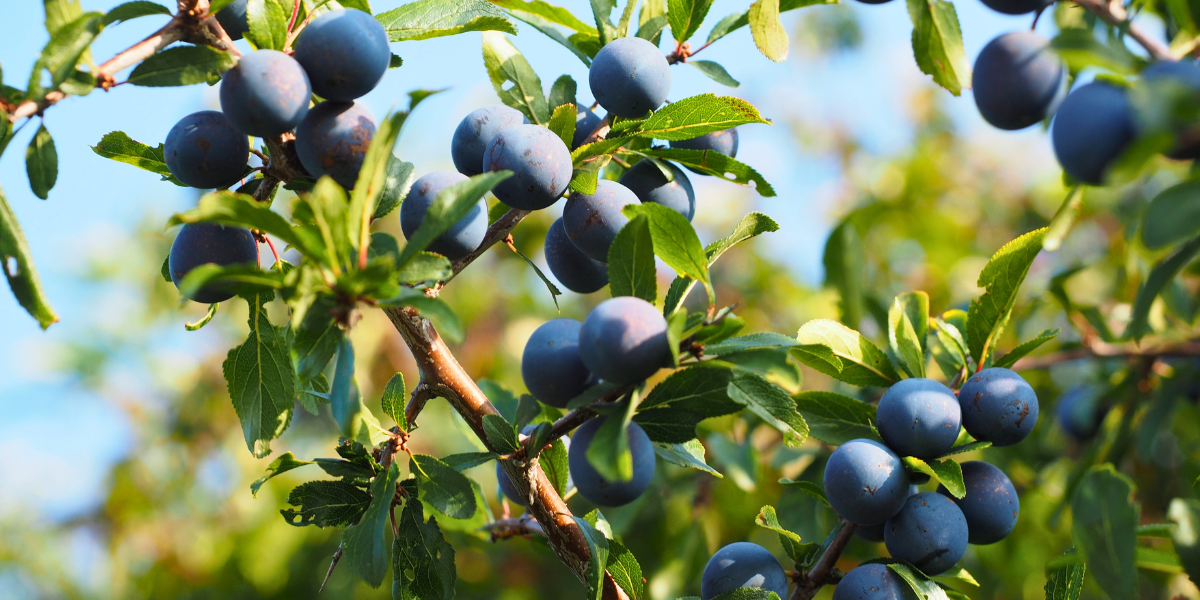
October hedgerows can still provide a varied selection of wild fruits.It is traditionally said that sloes should be picked after the first frost. However, ripe fruits can be gathered before a frost and frozen at home before use.
Bullace , a relative of cultivated plums and damsons, may also be found in hedgerows and around woodland margins. The fruits vary in colour and can be used for jams, chutneys, puddings and preserves.
Blackberries may still be available during October, particularly after mild weather or in sheltered locations. Later fruits can be used in crumbles, pies, jams or combined with apples for a simple autumn pudding.
More Berries
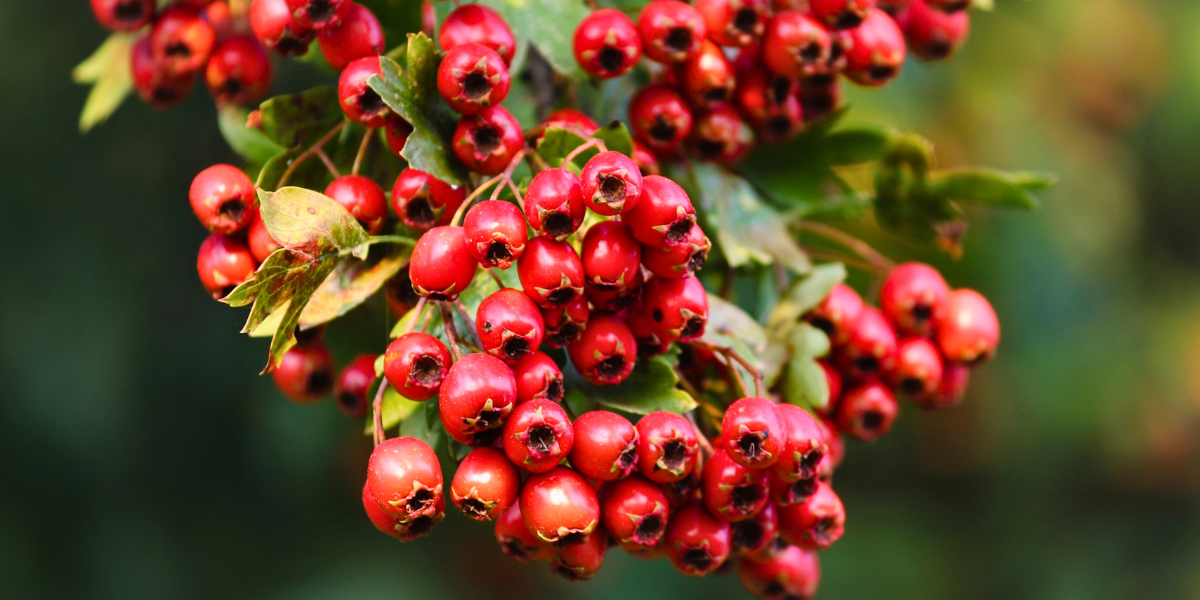
Hawthorn berriesClusters of red hawthorn berries, or haws, are a familiar sight in British hedgerows during autumn.
Although they are sometimes overlooked as a food source, haws have traditionally been used in jellies, chutneys and sauces. Their natural pectin content also makes them useful in preserve-making.
The seeds should not be eaten, so the berries need to be properly prepared, cooked and strained before use.
Rosehips
Bright red and orange rosehips are another distinctive feature of autumn hedgerows.
The fruits of wild roses have traditionally been used for syrups, jellies and teas and are naturally rich in vitamin C. During the Second World War, people in Britain were encouraged to collect rosehips for syrup when imported citrus fruits were difficult to obtain.
Care is required when preparing them. The seeds are surrounded by fine, irritating hairs, so rosehip preparations should be thoroughly strained before consumption.
Crab apples
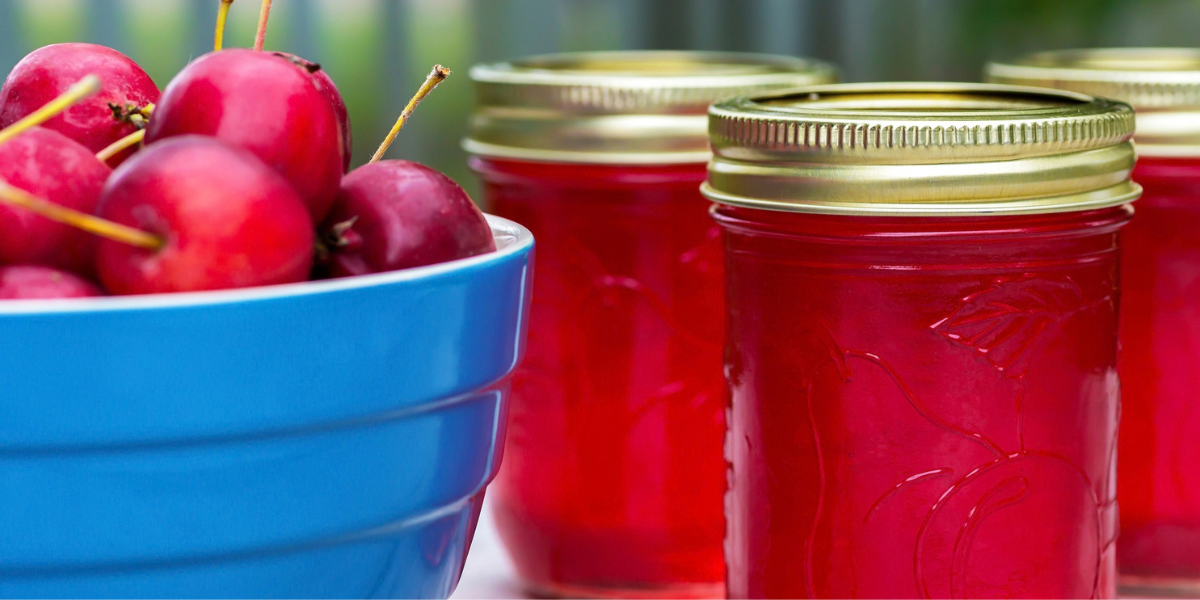
October is also an excellent month for crab apples , which may be found in hedgerows, old orchards and parkland.
The small fruits can be extremely sharp when eaten raw, but they are particularly useful for preserving because of their naturally high pectin content.
Crab Apple Jelly
Ingredients:- 1kg crab apples
- Approximately 1 litre of water
- Granulated sugar
- Juice of 1 lemon
- Cinnamon stick or star anise, optional
- Wash and roughly chop the crab apples, leaving the skins and cores intact.
- Place in a large saucepan, cover with water and simmer for approximately 20–25 minutes, or until the fruit is completely soft.
- Transfer the fruit and liquid to a jelly bag or muslin cloth and allow the juice to drip naturally into a bowl. Avoid squeezing the fruit if a clear jelly is preferred.
- Measure the resulting liquid and add approximately 450g of granulated sugar for every 500ml of juice , together with the lemon juice.
- Bring to a rolling boil until setting point is reached, approximately 105°C when measured with a sugar thermometer.
- Pour carefully into sterilised jars and seal. Crab apple jelly can be served with bread and cheese or used as a glaze for savoury dishes.
Forage responsibly
Only gather wild foods that can be confidently identified and check that foraging is permitted in the location. Avoid areas that may have been sprayed or contaminated, and never uproot a wild plant without the landowner's permission.
Take only what is needed and leave sufficient fruit, berries and nuts for wildlife and other foragers.
Join The National Allotment Society
Become a National Allotment Society member and help to preserve and protect allotments for future generations.
You'll also gain a range of benefits, including free liability insurance, initial legal support, expert advice and much more.Non Member Newsletter Signup

National Society of Allotment & Leisure Gardeners Ltd
Registered in 1930 under the Industrial & Provident Societies Acts no. 11144R
VAT No. 1212930 14
Patron His Majesty King Charles III
© 2022-2023 National Society of Allotment & Leisure Gardeners Ltd