Autumn Leaves – Compost Heap or Leaf Mould?
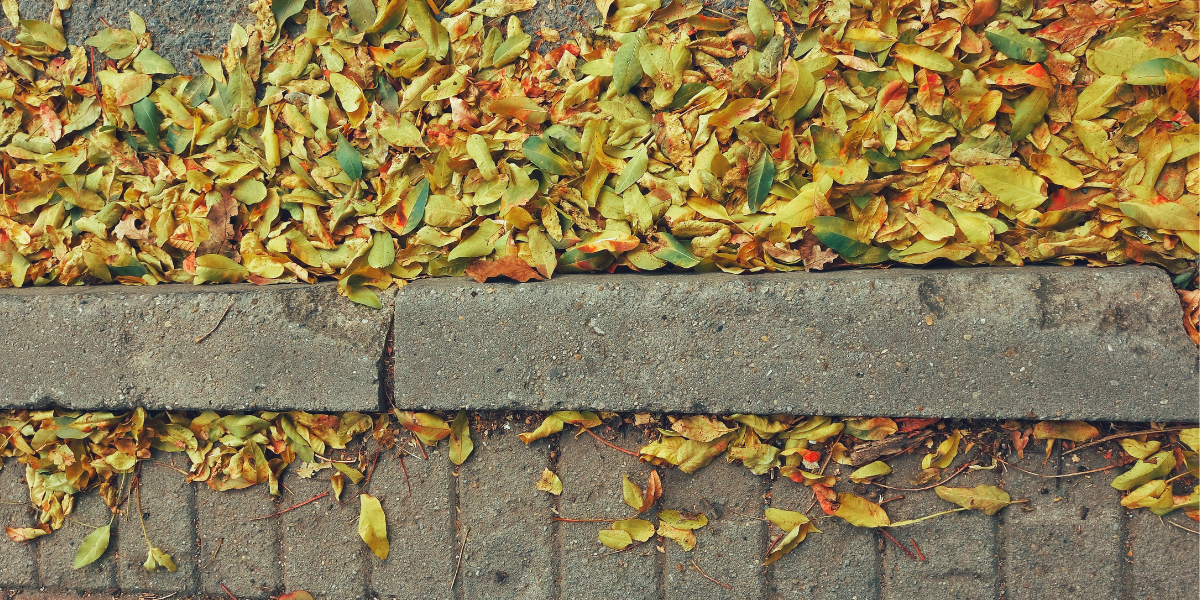
As autumn arrives, allotment paths, lawns and beds can quickly disappear beneath a carpet of fallen leaves. Clearing them may feel like just another seasonal job, but those leaves are far too useful to waste. They can provide valuable carbon for your compost heap, create an excellent soil improver or simply be left in the right places to provide shelter for wildlife.
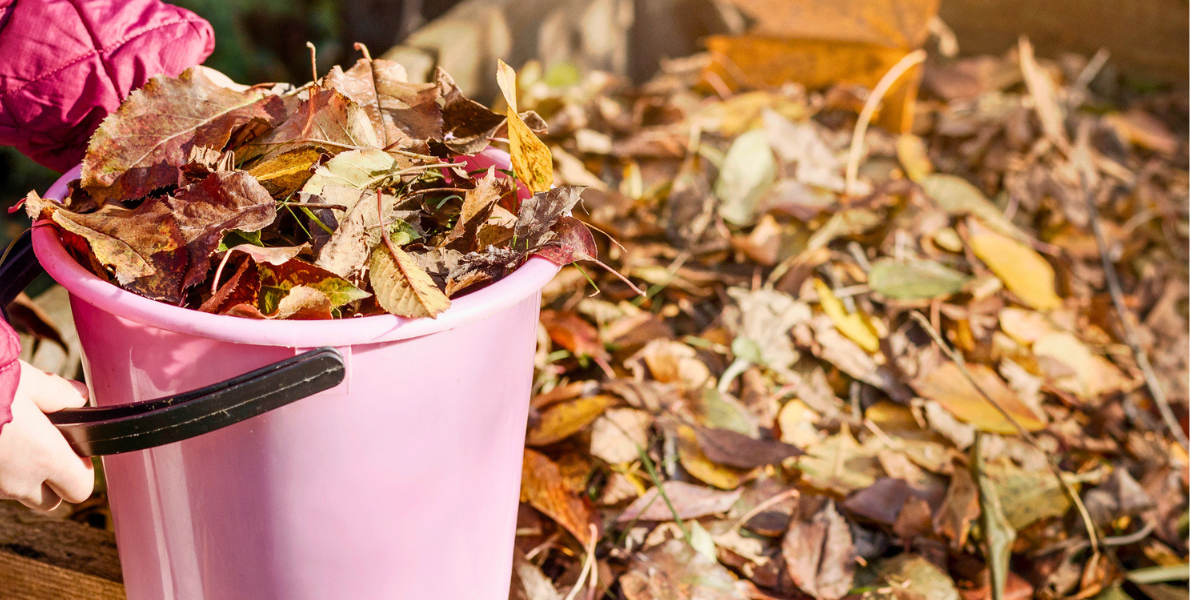
The question is: should you put them on the compost heap or make leaf mould?
The answer is often both.
Compost and Leaf Mould – What's the Difference?
Although both processes turn unwanted plant material into something useful, compost and leaf mould are produced in slightly different ways.A traditional compost heap contains a mixture of materials. Nitrogen-rich ‘greens’, such as vegetable peelings, fresh weeds, grass clippings and spent crops, are combined with carbon-rich ‘browns’, including cardboard, woody material and dry leaves.
Bacteria and other microorganisms get to work on this mixture and, when there is a good balance of moisture, air, greens and browns, decomposition can happen relatively quickly.
Leaf mould is different.
Rather than relying on the same mixture of materials, leaf mould is made almost entirely from fallen leaves. Its decomposition is driven largely by fungi and is therefore a slower, cooler process.
That means you shouldn't expect a pile of leaves to behave like a well-balanced compost heap. Left to their own devices, leaves may take a year or two – sometimes longer – to break down fully.
What you eventually get is also slightly different. Compost is valued partly for the nutrients and organic matter it returns to the soil. Leaf mould is particularly valuable as a soil conditioner , helping improve soil structure and its ability to retain moisture.
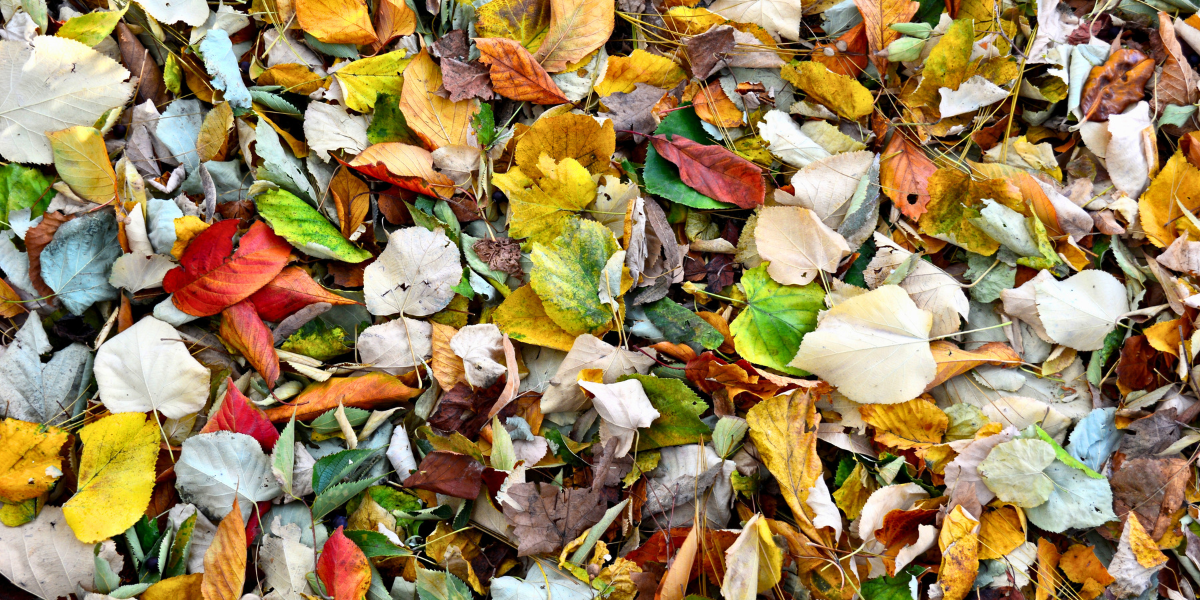
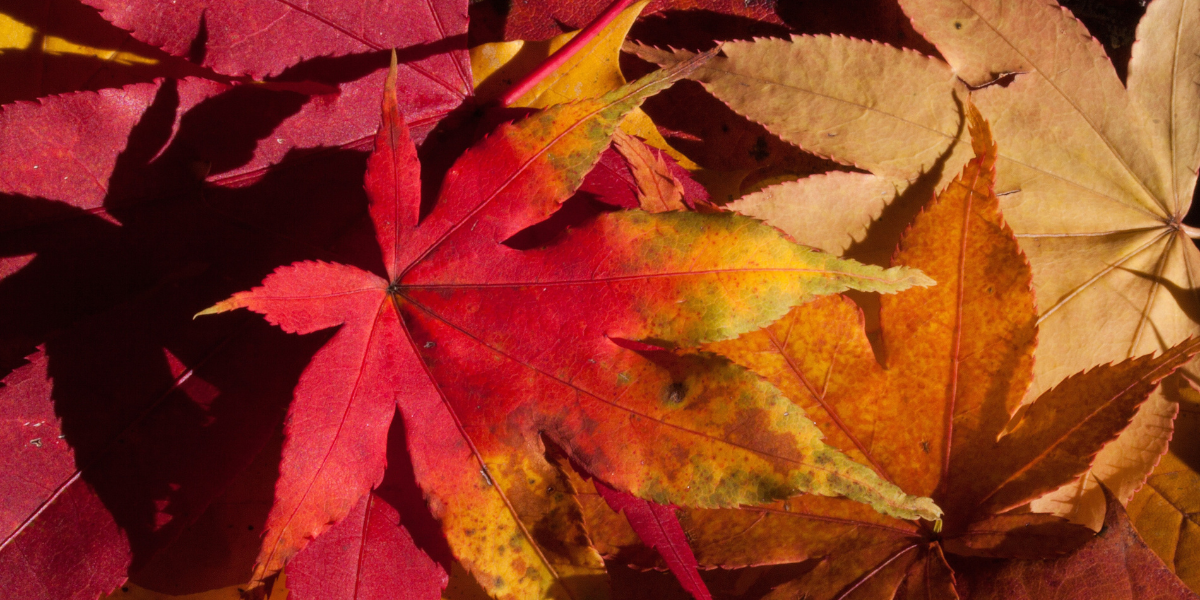
Why Are Autumn Leaves So Useful?
Trees spend the growing season taking up nutrients and producing their leaves. When those leaves fall, much of their structure is carbon-rich material that can be returned to the soil rather than removed from the growing cycle.On an allotment, this is particularly useful because we are continually harvesting crops and taking material away.
Adding organic matter back into the soil helps maintain its structure and supports the organisms living within it.
Leaf mould is especially useful for improving the soil's ability to hold moisture while still maintaining a good structure.
That can be valuable on light, free-draining soils that dry quickly, but organic matter can also help heavier soils by improving their structure.
With increasingly dry spells presenting challenges for many growers, making better use of the water that does fall is another good reason not to waste autumn leaves.
Should My Leaves Go on the Compost Heap?
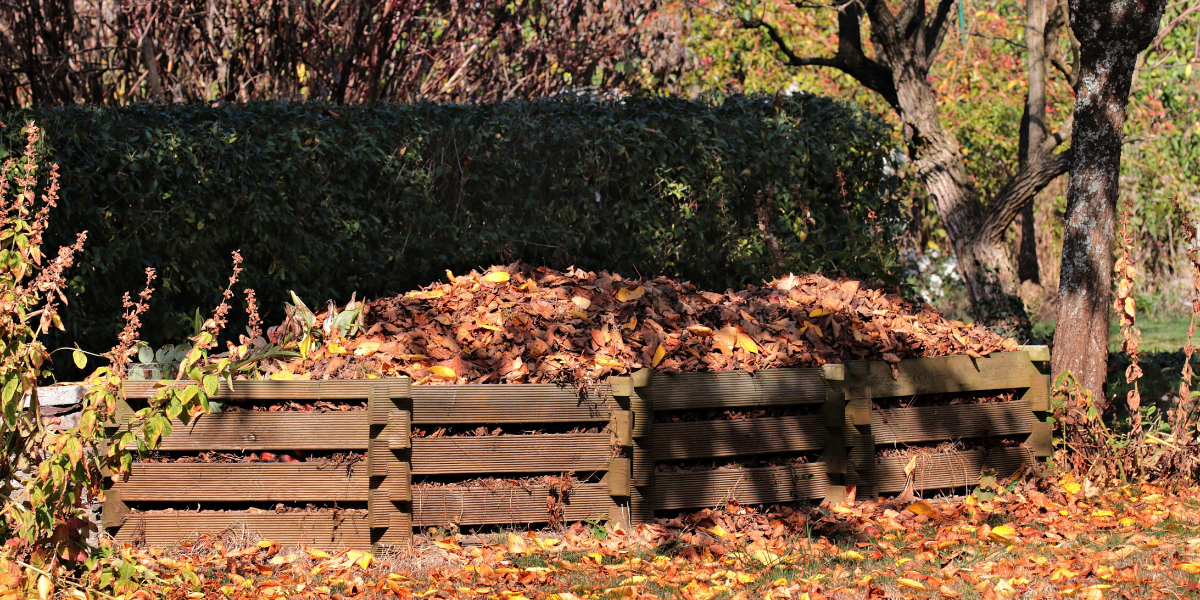
If you have a modest amount of leaves, adding some to the compost heap makes perfect sense. In fact, autumn leaves can arrive at exactly the right moment.Clearing an allotment at the end of the growing season often produces large quantities of nitrogen-rich green material – spent courgette and squash plants, bean foliage, weeds and other soft plant growth.
Put too much green material onto a compost heap at once and it can become wet, compacted and lacking in air. Dry autumn leaves provide useful carbon-rich ‘brown’ material to balance those greens.
The key is mixing rather than layering.
Avoid tipping an entire sack of wet leaves onto the heap and leaving them as one thick layer. They can mat together, reducing airflow and slowing decomposition.
Instead, add leaves gradually and mix them through the other compost ingredients.
If you have far more leaves than your compost heap can comfortably take, save the rest for leaf mould.
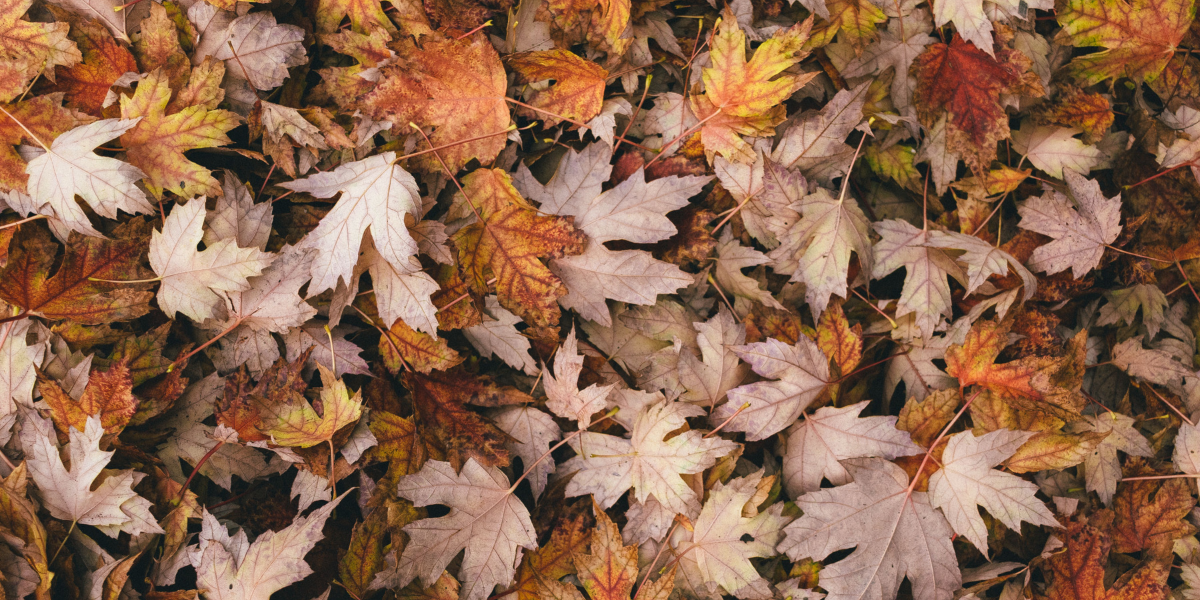
Save Some Dry Leaves for Later
One useful autumn trick is to collect a supply of dry leaves and keep them beside your compost area.During spring and summer, compost heaps can become dominated by fresh green material, particularly when grass clippings, weeds and vegetable waste are plentiful.
Having a bag or container of dry leaves ready means you have a source of ‘browns’ available whenever the heap needs balancing.
Make sure the leaves are reasonably dry before storing them this way, and keep them covered until needed.
Think of it as storing one of next year's compost ingredients in advance.
When Is Leaf Mould the Better Choice?
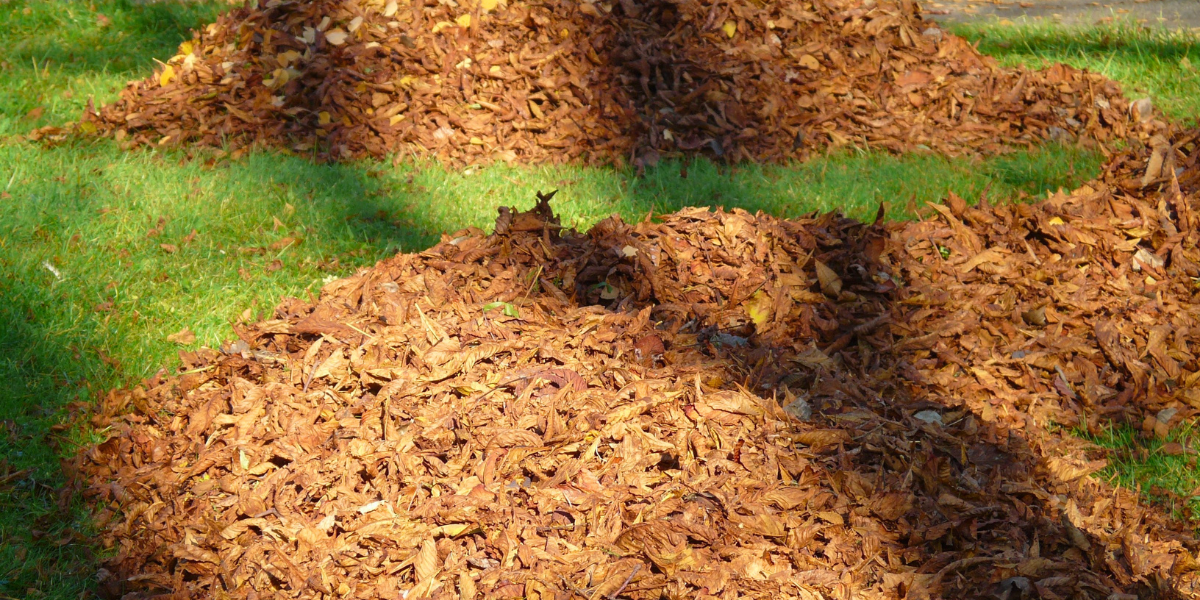
If you have bags and barrowloads of leaves, making leaf mould is usually the simplest solution.It keeps large quantities of leaves out of your main compost heap and allows them to decompose at their own pace.
You don't need an expensive container either.
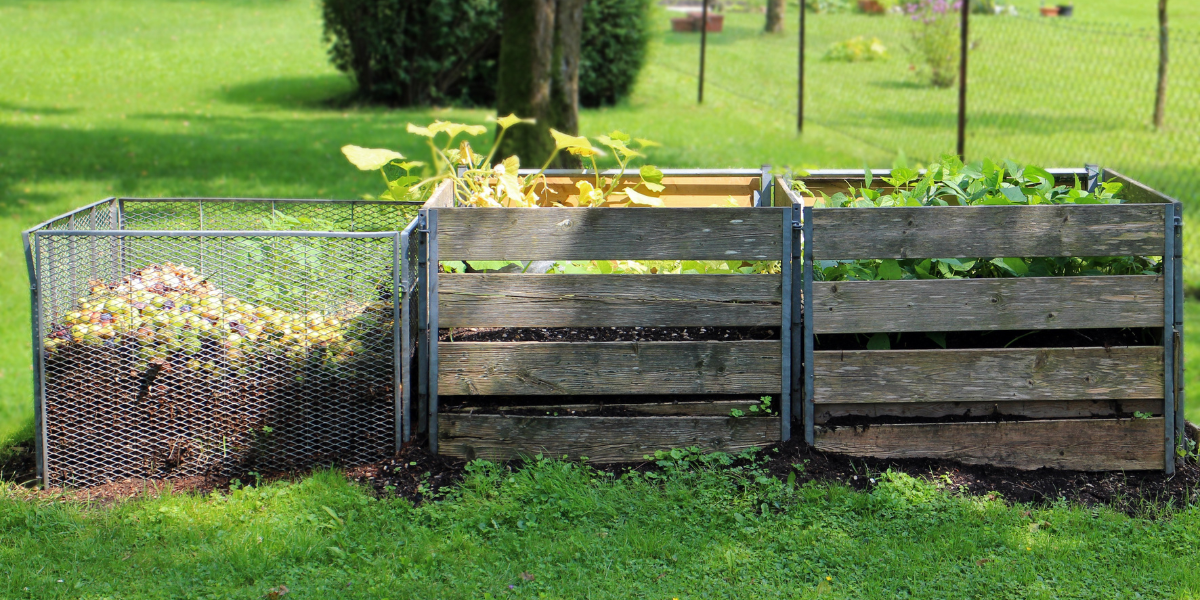
A simple cage made from wire mesh and a few stakes works well. The leaves remain contained while still receiving plenty of air.
If space is limited, you can also use strong plastic sacks. Fill them with damp leaves, make several holes in the bags to allow some air movement and put them somewhere out of the way.
Then leave fungi and time to do the hard work.
Getting the Moisture Right
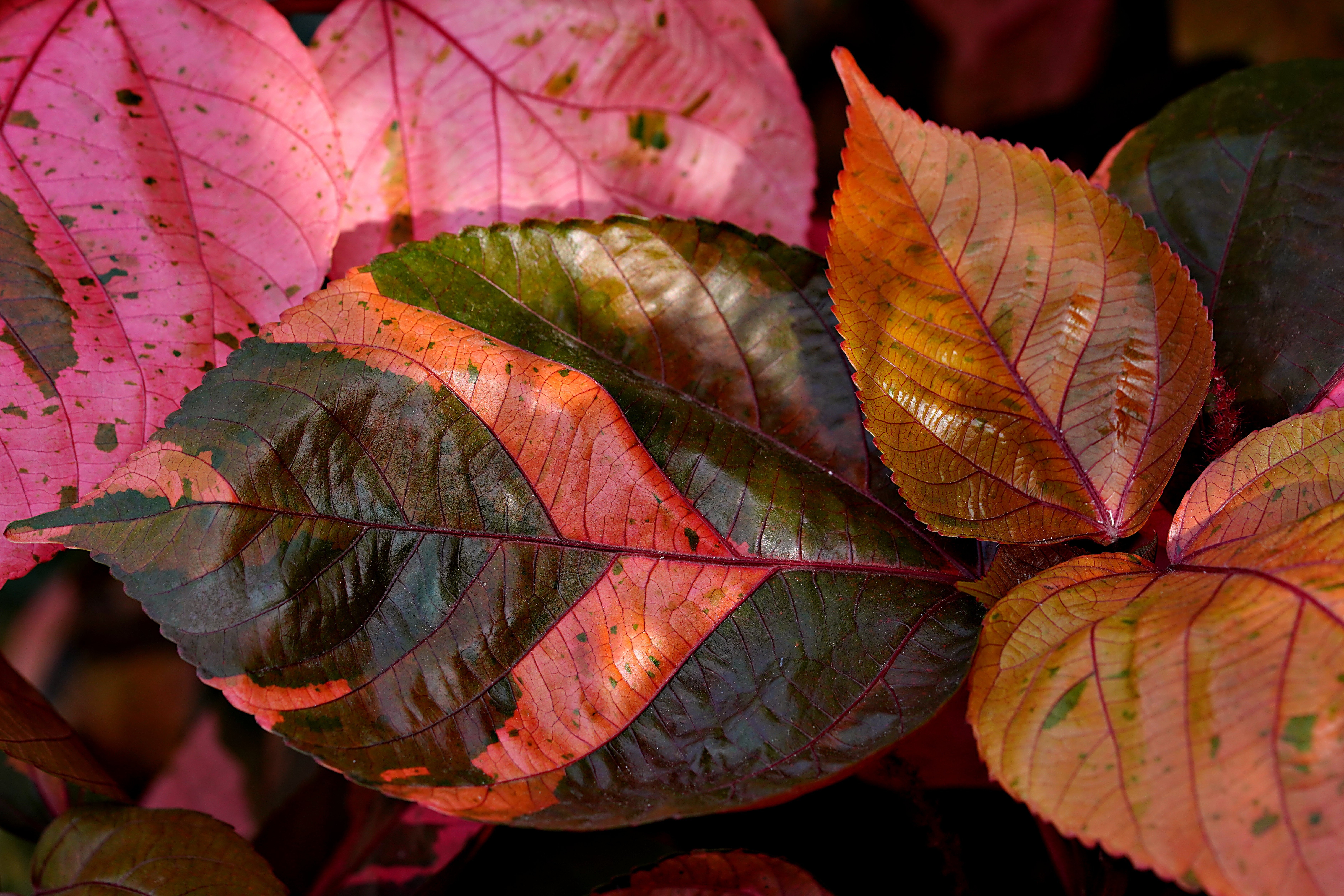
Moisture matters when making leaf mould. Leaves that are completely dry will break down very slowly because the fungi involved in decomposition need moisture.
If you're collecting leaves after rain, they will probably already contain enough. If you've gathered very dry leaves, dampen them before filling your leaf-mould cage or bags. You want them damp rather than waterlogged.
Check occasionally during prolonged dry weather. If the leaves have dried out completely, adding a little water can help get decomposition moving again.
At the opposite extreme, leaves sitting permanently in a sodden, airless mass won't provide ideal conditions either. You don't need to constantly manage leaf mould, however. One of its advantages is that once you've created the pile, very little intervention should be necessary.
Which Leaves Make the Best Leaf Mould?
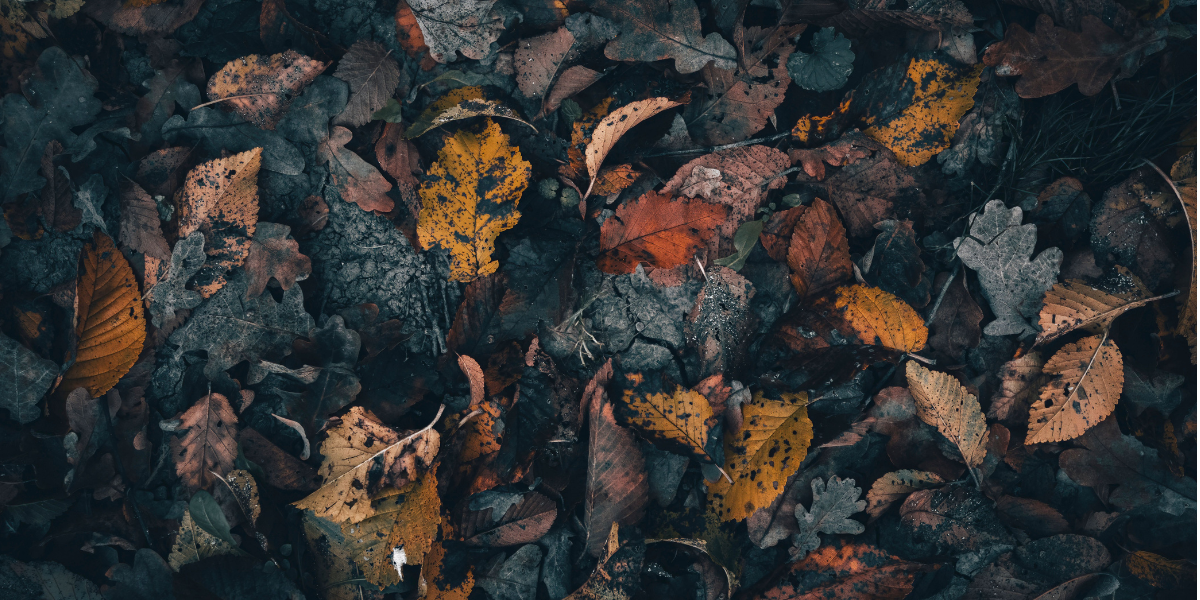
Most deciduous tree leaves can be used, although they don't all decompose at the same speed.
Smaller and thinner leaves, including those from trees such as
birch, cherry, hornbeam, lime and willow , generally break down relatively readily.
Tougher or thicker leaves, such as beech, oak, horse chestnut and sycamore , can take longer.
That doesn't mean they aren't useful. They simply need more patience.
One of the easiest ways to speed up the process is to shred the leaves first. If you have access to a lawn mower, running over fallen leaves before collecting them can reduce their size considerably.
Smaller pieces provide a greater surface area for decomposition and are also less likely to form thick, compacted layers.
Very tough evergreen leaves, such as holly and laurel, are slower again. Shredding them and adding them sparingly to a mixed compost heap may be more practical, or they can be composted separately over a longer period.
What About Pine Needles?
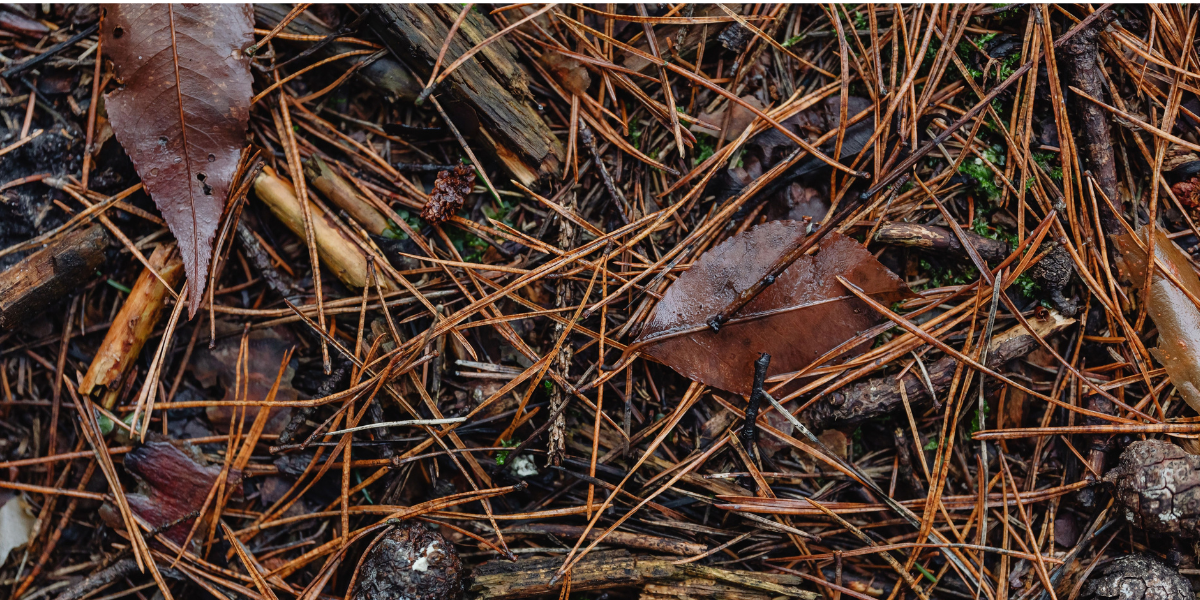
Pine needles and other conifer material break down slowly and are generally best treated separately or added only in modest quantities to a mixed compost system.
There is sometimes concern that composting acidic leaves or needles will permanently make soil acidic. While fresh material may have a particular pH, decomposition changes its characteristics considerably.
However, large quantities of one slow-to-decompose material are rarely the best way to achieve a balanced compost heap, so variety remains useful.
What About Diseased Leaves?
This requires a little more thought.
Leaves showing signs of disease shouldn't automatically be put into a cool compost heap or leaf-mould pile, particularly where the disease could survive on the material and infect susceptible plants again.
Different plant diseases behave differently, so there isn't one rule that covers everything.
If you suspect disease, identify the problem first and follow the recommended disposal advice for that particular disease. Where necessary, affected material should be kept out of home composting.
It is better to dispose of a small amount of suspect material than risk carrying a persistent problem into another growing season.
Be Selective About Where You Collect Leaves
Leaves from your allotment or other clean garden areas are generally the obvious choice.Be more cautious about collecting leaves from busy roadsides or anywhere they may have been contaminated by oil, chemicals, litter or other pollutants.
Also check what you've gathered before adding it to your leaf-mould pile. Plastic, labels, pieces of wire and other rubbish have an irritating habit of finding their way into piles of swept-up leaves.
Don't Clear Every Leaf Away
Not every fallen leaf needs to become compost or leaf mould.
Leaf litter is part of the natural environment and can provide shelter and habitat for a wide range of invertebrates and other wildlife.
Leaving some beneath hedges, around established trees or in a quiet corner can provide useful overwintering habitat.
There is a balance to strike.
Thick layers of wet leaves shouldn't be allowed to smother plants that don't benefit from them, while leaves on paths can become slippery and should be cleared where they present a hazard.
Rather than aiming for a completely leaf-free allotment, decide where leaves can safely remain and collect the rest for productive use.
How Long Does Leaf Mould Take?
Leaf mould rewards patience rather than effort.
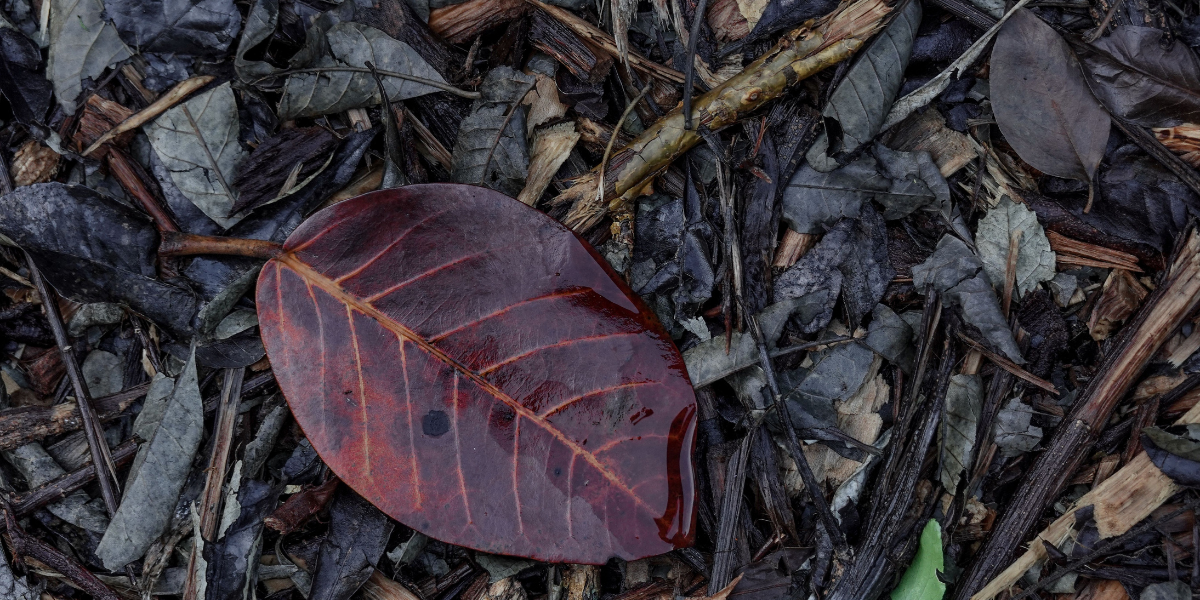
After roughly a year, the leaves may have broken down enough to produce a coarse, dark material that can be used as a mulch.
Spread around established plants or over bare soil, this partially decomposed leaf mould can help cover the soil surface, retain moisture and gradually add organic matter.
Leave it for longer – often around two years, depending on the type of leaves and conditions – and the material should become finer, darker and more crumbly.
Don't worry too much about the calendar.
Open the pile, have a look and feel the material. If you can still clearly see whole leaves, it simply needs more time.
What If My Leaf Mould Isn't Breaking Down?
If last autumn's leaves still look remarkably like leaves, don't assume you've failed.
First, check the moisture. A pile that has remained very dry will decompose much more slowly.
The type of leaves will also make a significant difference. Thick, leathery leaves naturally take longer than thin ones.
Shredding the material can help, as can simply giving it another season.
Leaf mould is one of those allotment projects where patience usually solves more problems than intervention.
How to Use Leaf Mould on the Allotment
Once you've made it, leaf mould can earn its keep in several different ways.
Use It as a Mulch
Spread a layer around established plants, fruit bushes and perennial crops. This helps cover the soil surface and reduce moisture loss.
As the material continues to break down, worms and other soil organisms will gradually incorporate it.
Keep thick mulches slightly away from the stems and trunks of plants.
Improve Your Beds
Add well-rotted leaf mould to beds to increase their organic matter and improve soil structure.
You don't necessarily need to dig it deeply into the soil. It can be spread over the surface and allowed to become incorporated naturally.
Fruit bushes and established fruit trees can benefit from an organic mulch, particularly where conserving soil moisture is important.
Apply it when the soil is already moist rather than waiting until dry conditions have arrived.Make Your Own Growing Media
Fine, well-rotted and sieved leaf mould can be useful as one component of homemade growing media.
Remember, however, that leaf mould is primarily a soil conditioner rather than a rich fertiliser. Plants grown in containers or modules have particular nutrient requirements, so leaf mould shouldn't simply be treated as a complete substitute for an appropriate growing medium.
Compost Heap or Leaf Mould? A Simple Rule
If you're still unsure what to do, a useful rule of thumb is:
A few leaves?
Mix them through your compost heap.
Lots of leaves?
Make leaf mould.
Dry leaves?
Save some as a source of brown material for future composting.
Leaves in a wildlife-friendly corner?
Consider leaving some where they are.
Diseased or contaminated leaves?
Check before composting.
You don't have to choose one method for everything you collect
This Year's Leaves Are Next Year's Resource
Autumn can generate an enormous amount of material on an allotment. It's tempting to see the annual clear-up as a job of removing things, but it can be much more useful to think about where those materials can go next.
Fallen leaves are a perfect example.Some can balance the compost heap. Some can remain on the plot for wildlife. Some can be stored for future composting, and the rest canquietly turn into leaf mould.
It costs virtually nothing, requires very little work and turns something that might otherwise be regarded as autumn waste into a valuable resource for your plot. So before you fill another bag with fallen leaves, ask yourself one question:
Where could these leaves do the most good?
Join The National Allotment Society
Become a National Allotment Society member and help to preserve and protect allotments for future generations.
You'll also gain a range of benefits including free liability insurance, initial legal support, expert advice and much more.
Non Member Newsletter Signup

National Society of Allotment & Leisure Gardeners Ltd
Registered in 1930 under the Industrial & Provident Societies Acts no. 11144R
VAT No. 1212930 14
Patron His Majesty King Charles III
© 2022-2023 National Society of Allotment & Leisure Gardeners Ltd