The Hidden Risks Facing Allotments
The most obvious allotment hazards are not always the ones that create the greatest problems for an association. In this article, the team at Chris Knott Insurance looks at some of the risks that may be easy to overlook, from hazards on shared paths and poorly managed ponds to chemical spillages, pest problems and committee decisions.
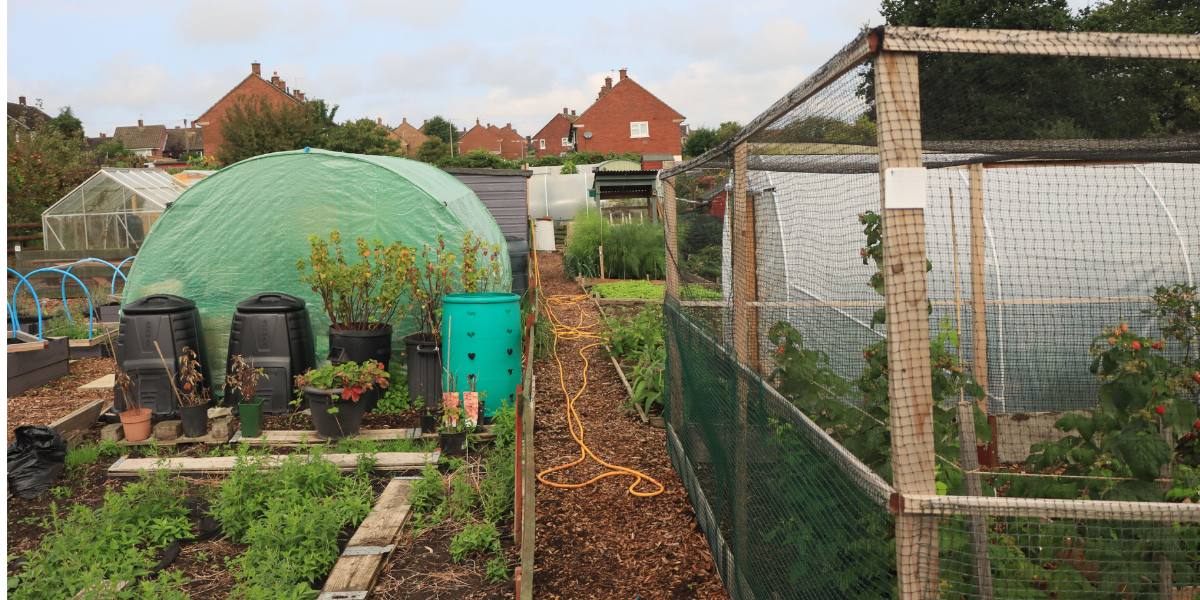
Of course, every allotment site is different, so this is not intended to be a complete list. However, these examples can provide a helpful starting point for committee discussions and site risk assessments.
Risks beneath your feet
Shared paths and communal areas may contain:
● Uneven surfaces
● Tree roots
● Broken paving
● Mud or standing water
● Trailing hoses
● Discarded wire or netting
Although your association may not control individual plots, you will usually have some responsibility for entrances, communal paths, car parks and shared facilities. You may also need to act when a hazard on a private plot affects other people. For example, tools, materials or overgrown plants could obstruct a shared path.
Regular inspections can help you identify problems before someone is injured. You should also provide a clear way for members to report hazards between inspections.
When a problem is identified, record the action taken. This may include carrying out a repair, contacting a plot holder or restricting access until the area is safe.
Water and hazardous substances
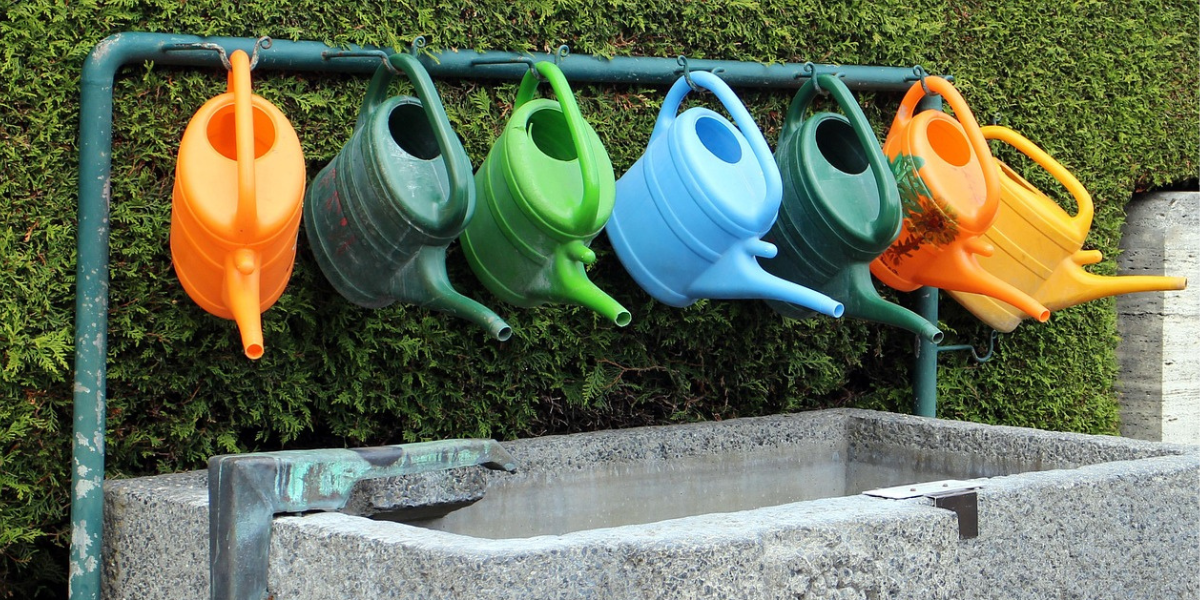
Water and chemicals support allotment activities, but they require careful management.Ponds
Ponds can encourage wildlife and improve biodiversity, but they also present a risk to children, visitors and members. For example, a pond may become difficult to see when plants grow around it. Its edges may also become slippery, increasing the risk of injury or drowning.
Set clear rules about whether ponds require permission and which safety measures plot holders must use. Depending on the site and insurance requirements, these might include fencing or a fixed grate that prevents someone from falling into the water. To maintain these standards, you may need to carry out inspections and keep records of agreed arrangements.
Water butts and tanks
Large water containers can become unstable, particularly when placed on makeshift stands, while unsecured lids may also allow children or animals to fall in. In addition, leaks can create slippery ground and stagnant water may introduce hygiene concerns.
You can reduce these risks by setting standards for stable bases, secure lids and suitable positioning, supported by regular checks and prompt repairs.
Chemicals, fertilisers and manure
Chemicals, liquid fertilisers, fuels and contaminated water may leak or run into adjoining plots, shared paths, drainage channels or watercourses. Poorly positioned manure can also create concerns about odour, hygiene and contamination.
Potential issues include:
- Unlabelled containers
- Chemicals left within reach of children
- Leaking products
- Fuel stored near sources of heat or ignition
- Spillages spreading into neighbouring plots
- Run-off entering shared drainage systems or watercourses
- Incompatible substances stored together
- Manure or animal waste stored near paths, boundaries or facilities
In addition, provide a clear process for reporting spills or suspected contamination and have a plan for dealing with unidentified chemicals. Committee members and volunteers should not handle unknown substances without suitable advice or protection.
Rats and other pests
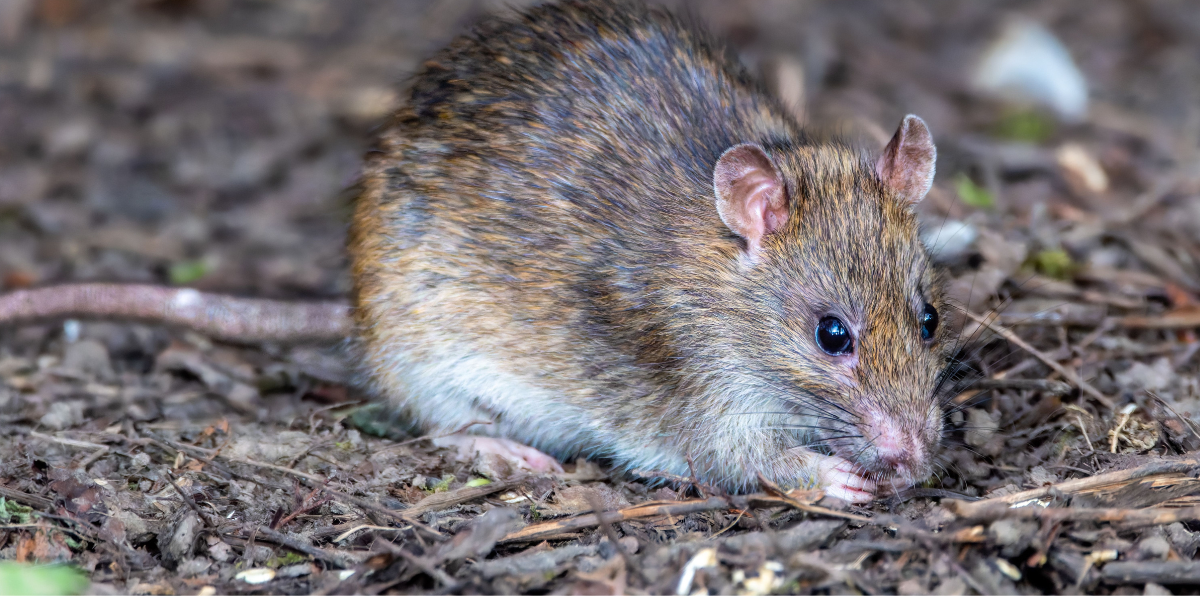
Poorly managed waste, animal feed and compost can attract vermin. An infestation may affect several plots and create concerns around disease, contamination and bites. Unsafe traps or poisons can introduce further problems.Your association can help by setting rules for food waste and animal feed, encouraging secure storage and asking members to report signs of an infestation. Where action is required, the committee may need to coordinate pest control and seek advice from the council or a qualified contractor. You should also discourage the unauthorised use of poisons, which could harm people, wildlife and domestic animals.
Committee decisions and member disputes
Not every allotment risk involves physical injury or property damage.Committee members make decisions about money, membership, tenancy agreements, complaints and disciplinary action. A member may challenge a decision or allege that the association has acted unfairly.
Good governance can reduce the chances of this happening.
Your committee should follow the association’s constitution, keep accurate meeting minutes and record the reasons behind important decisions. In addition, use a fair and consistent complaints procedure.
Suitable insurance may protect committee members against claims arising from an error or omission made while carrying out their duties. It will not cover deliberate dishonesty, but it may help with defence costs if someone challenges a decision.
Review the risks on your site
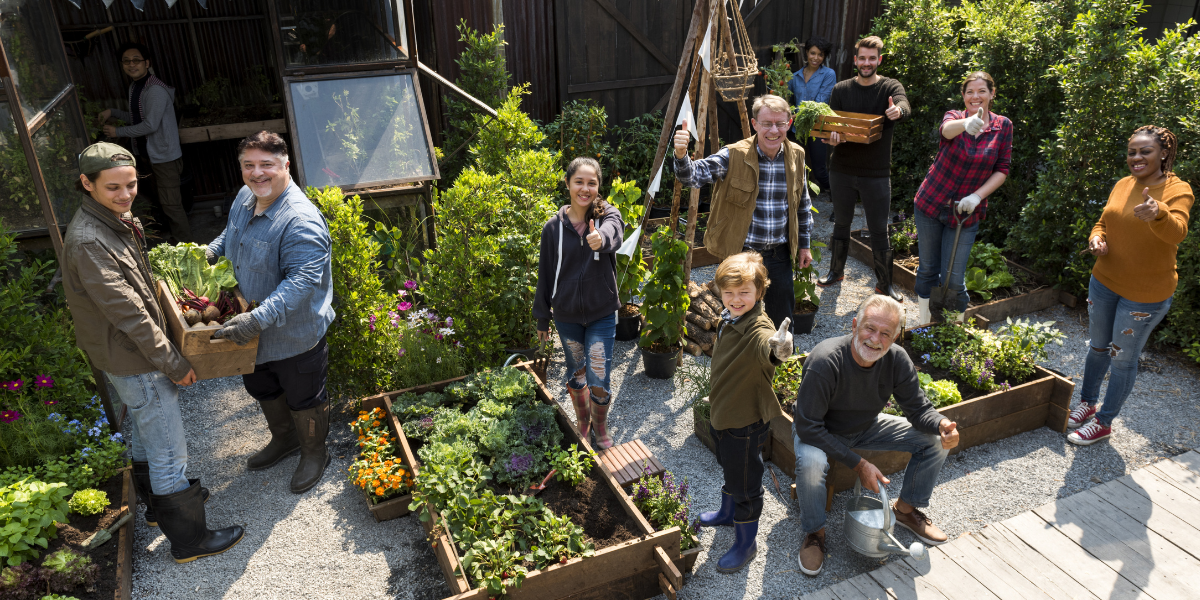
No article can cover every hazard faced by every allotment association. The risks will depend on the size and layout of the site, the facilities provided, the activities allowed and the people who use it.You should review risk assessments regularly and whenever something changes. This might include installing a pond, changing the way communal areas are used, allowing animals on site or introducing new storage facilities.
It is also worth checking that the information held by your insurer remains accurate. Undeclared activities, outdated property values or incorrect member numbers could affect whether your policy meets your needs.
Protect your allotment association with Chris Knott Insurance
Chris Knott Insurance provides specialist protection for allotment associations, with standalone Liability Insurance starting from £69 per year.
Their knowledgeable team can talk you through the risks linked to members, volunteers, property, events and committee responsibilities. They can also review your current arrangements to check that your policy reflects the activities taking place across your site.
Contact Chris Knott Insurance today to discuss your association’s activities and find cover suited to the way your site operates.

Join The National Allotment Society
Become a National Allotment Society member and help to preserve and protect allotments for future generations.
You'll also gain a range of benefits including free liability insurance, initial legal support, expert advice and much more.
Non Member Newsletter Signup

National Society of Allotment & Leisure Gardeners Ltd
Registered in 1930 under the Industrial & Provident Societies Acts no. 11144R
VAT No. 1212930 14
Patron His Majesty King Charles III
© 2022-2023 National Society of Allotment & Leisure Gardeners Ltd