The Ultimate Guide to Squash and Pumpkins
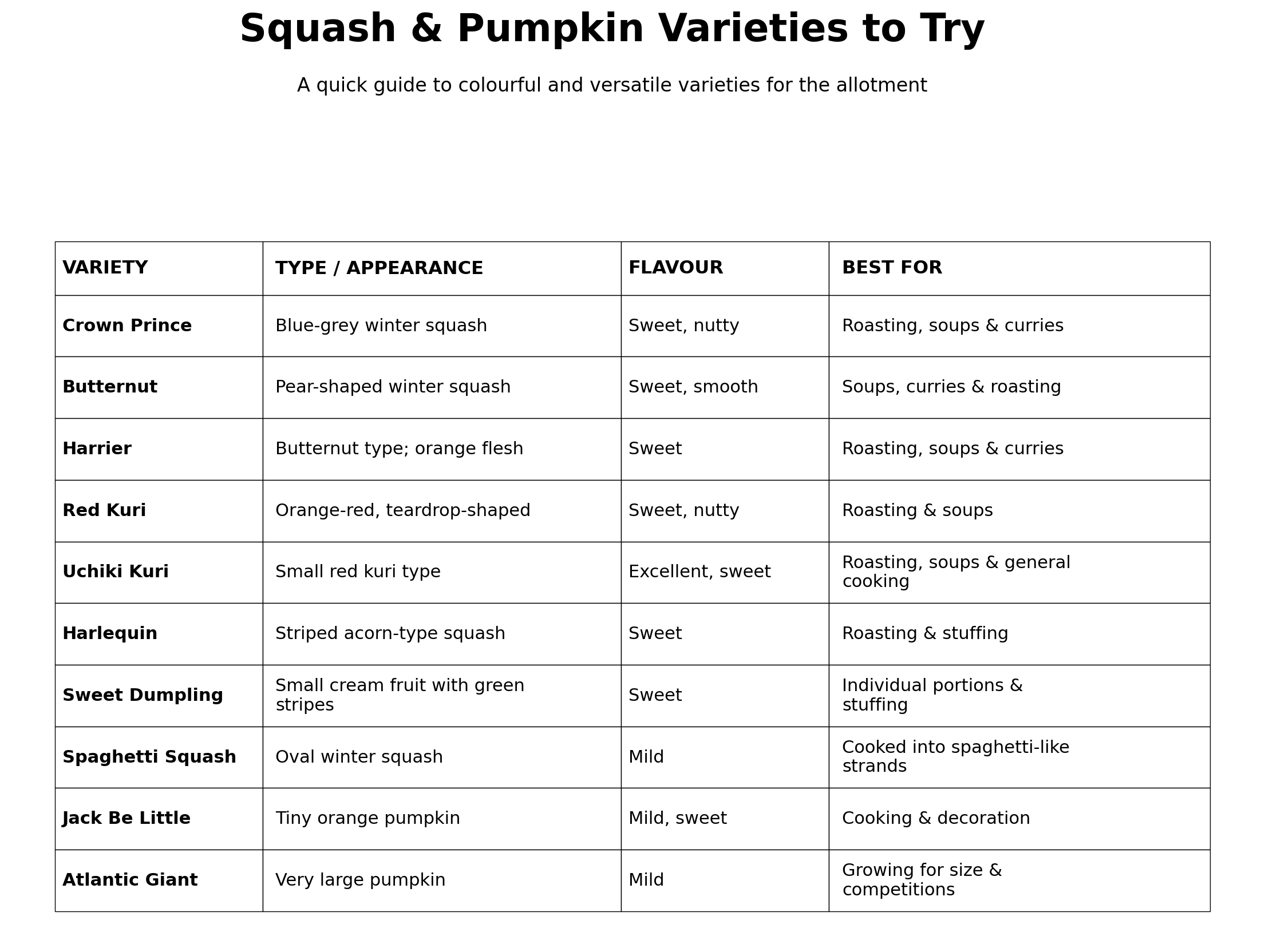
Colourful, productive and wonderfully versatile, squash and pumpkins are some of the most impressive crops you can grow on an allotment. From compact courgettes and striped acorn squash to sweet butternuts and enormous orange pumpkins, the squash family offers an extraordinary range of shapes, colours, flavours and sizes.
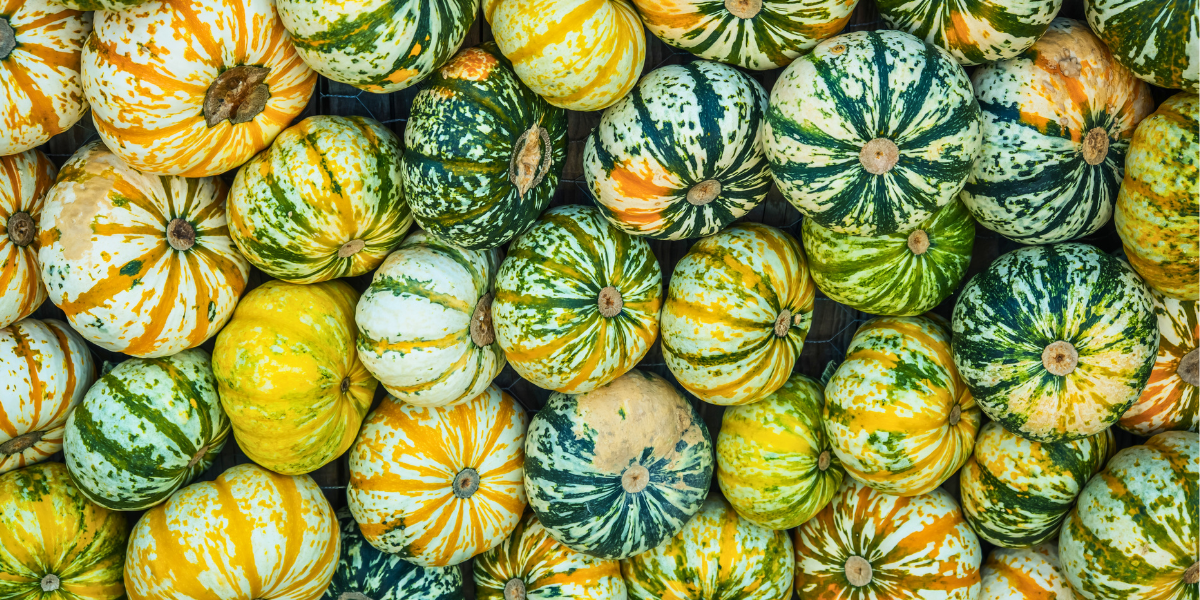
Cucurbita pepo, Cucurbita maxima or Cucurbita moschata.
Give them sunshine, fertile soil, plenty of room and adequate water and these vigorous plants can produce an impressive harvest from just a handful of plants. Better still, many winter squashes can be cured and stored for months, bringing the allotment harvest into the heart of winter.
This guide covers everything you need to know – from choosing varieties and sowing seeds to pollination, feeding, common problems, harvesting, curing, storing and making the most of your crop in the kitchen.
Why Grow Your Own Squash and Pumpkins?
Few allotment crops provide quite the same sense of satisfaction.
A tiny seed sown in spring can produce a plant that travels several metres across the plot and develops fruits weighing anything from a few hundred grams to many kilograms.
Squash and pumpkins are:
- Highly productive
- Available in an enormous range of varieties
- Excellent for autumn and winter eating
- Suitable for storing
- Wonderful for soups, curries, roasting and baking
- Great crops for encouraging children to grow
- Useful for covering otherwise empty ground
- Suitable for growing over compost heaps or around the edges of plots
- Available as compact varieties where space is limited
- Perhaps their greatest advantage is storability.
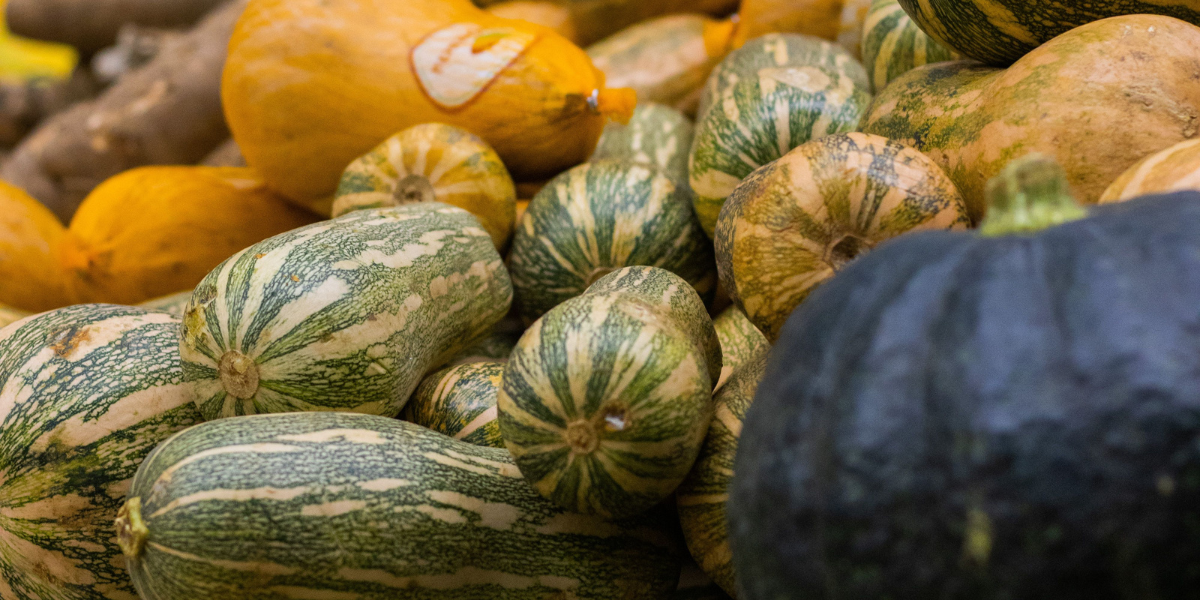
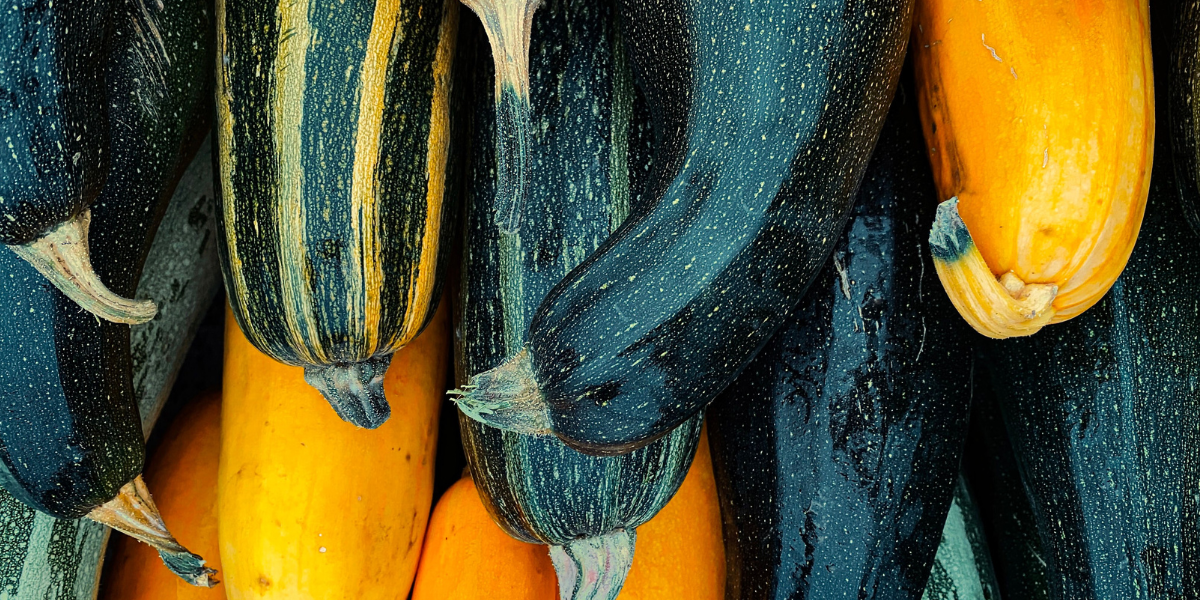
Squash or Pumpkin – What's the Difference?
The terminology can be confusing because botanically pumpkins are simply types of squash. For growers, it is generally more useful to divide them into
summer squash and winter squash.
Summer Squash
Summer squash are harvested while young and tender, before the skin hardens.
They include:
- Courgettes
- Patty pan squash
- Crookneck squash
- Marrows
Winter Squash
Winter squash are left on the plant until fully mature. Their skins become hard and their flesh develops a richer, sweeter flavour.
They include:
- Butternut squash
- Crown Prince
- Acorn squash
- Kabocha-type squash
- Red kuri
- Spaghetti squash
- Many pumpkins
When and Where to Grow Squash and Pumpkins
Season & Position
Squash and pumpkins are tender plants that need warmth and cannot tolerate frost.
A typical UK growing calendar is:
Sow indoors:
Mid-April to May
Sow outdoors:
Late May to early June once frost risk has passed
Plant out:
Late May to June
Summer squash harvest:
From midsummer onwards
Winter squash and pumpkin harvest:
September to October, before frost
They need a long growing season, particularly varieties that are intended to mature fully for winter storage.
The Best Position
Choose somewhere:
- Warm
- Sunny
- Sheltered from cold winds
- With fertile soil
- Where plants have room to spread
If space is limited, choose a bush variety or train smaller-fruited trailing squash vertically over a strong support.
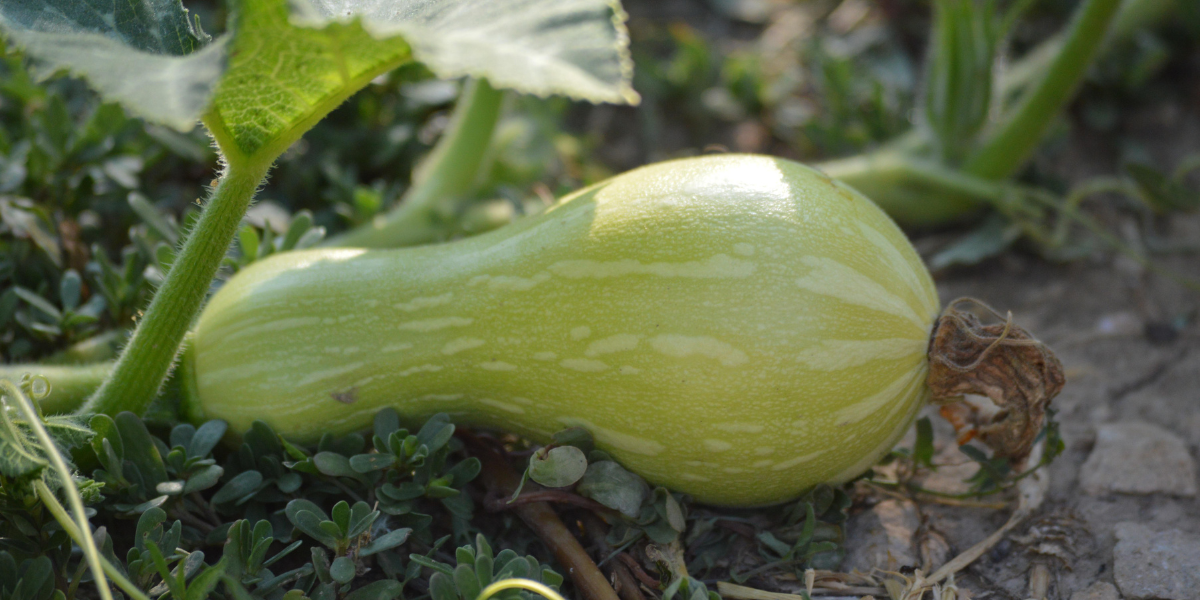
Soil Requirements
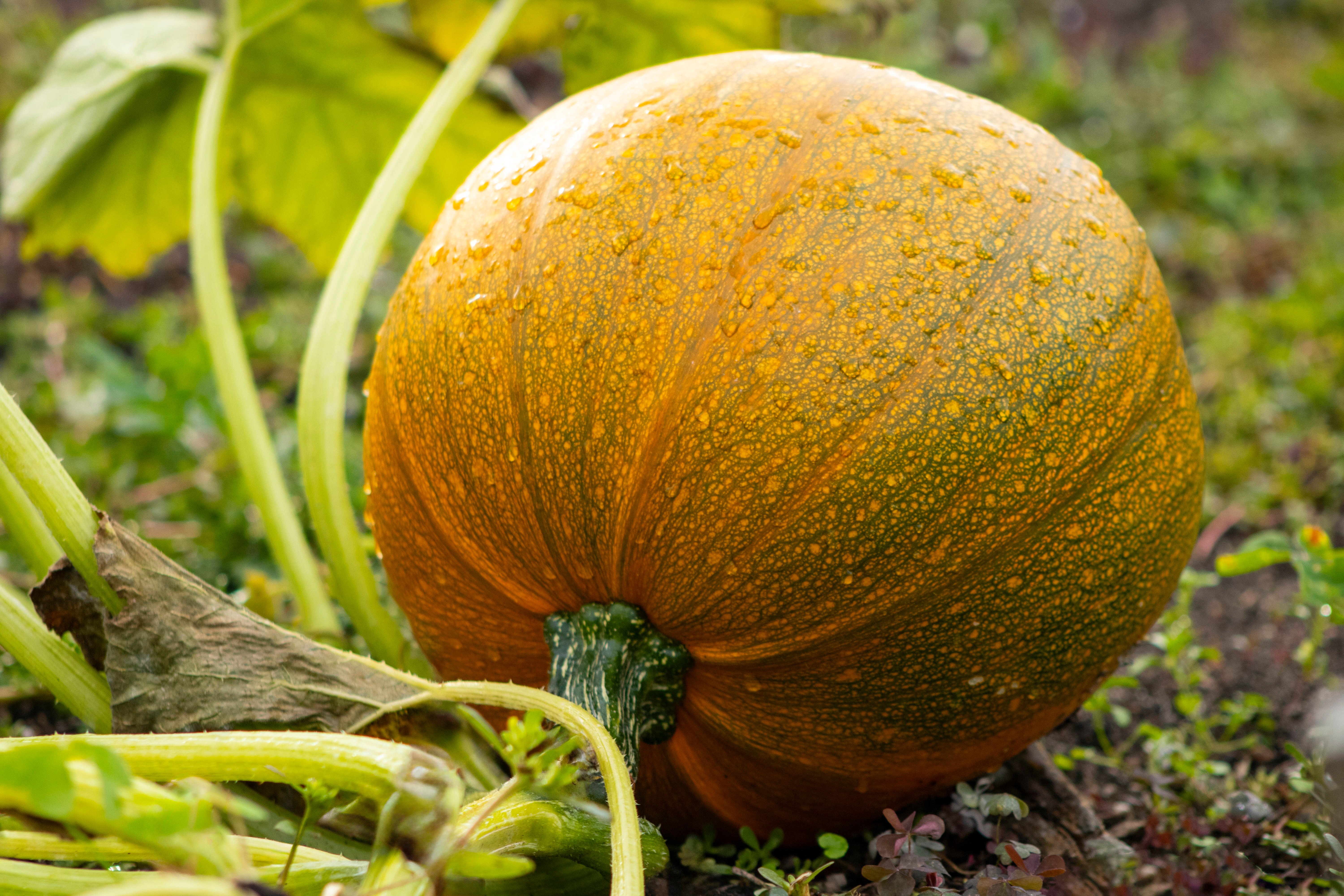
Squash are hungry, vigorous plants that perform best inrich, moisture-retentive but well-drained soil.
- Homemade compost
- Well-rotted manure
- Other well-decomposed organic matter You can prepare individual planting pockets approximately 30cm wide and deep, mixing the excavated soil with compost before replacing it.
They particularly appreciate plenty of organic matter.
Before planting, incorporate:
If you garden using a no-dig system, add a generous layer of compost to the surface and plant directly into it.
Can You Grow Pumpkins on a Compost Heap?
Yes – and it's a classic allotment combination.
An established compost heap can provide the rich growing conditions squash enjoy, while the sprawling plant helps cover the heap.
However, don't plant into fresh, hot composting material. The roots need a stable growing medium containing sufficiently mature material.
Sowing Squash and Pumpkin Seeds
Starting IndoorsFor reliable results in the UK, squash and pumpkins are usually started indoors.
Sow from around mid-April onwards.
Place one seed per pot , approximately 2cm deep, in peat-free multipurpose compost.
Keep at around 18–21°C until germination.
The seedlings grow remarkably quickly, so give them plenty of light once they emerge.
Don't sow too early unless you have somewhere warm and bright to keep increasingly large plants.
By May, what started as a harmless little seedling can rapidly take over a windowsill!
Planting Out
Squash are extremely frost sensitive.
Wait until the risk of frost has passed and harden plants off gradually before planting them outside.
Space approximately:
Bush varieties:
90cm apart
Trailing varieties:
around 1.5m apart
Check the individual variety too, as vigorous plants may need considerably more room.
Water thoroughly after planting.
Young plants are particularly vulnerable to slugs and snails, so keep an eye on them during the first few weeks.
Caring for Squash and Pumpkins
Watering
Squash and pumpkins can produce huge amounts of foliage and large, water-filled fruits, so it's hardly surprising that they can be thirsty plants.
Water particularly carefully when fruits are forming and swelling.
The aim should be to get water down into the root zone , rather than simply wetting the surface.
A useful allotment trick is to sink a small plant pot into the soil beside the plant and water into it.
This helps direct water towards the roots.
During dry weather:
- Water deeply
- Water the soil rather than the leaves
- Water early or later in the day to reduce evaporation
- Use collected rainwater where possible
- Mulch generously around plants
- Keep surrounding weeds under control
- Squash respond particularly well to mulching.
- A thick layer of homemade compost or other suitable organic material can:
- Reduce water loss
- Suppress weeds
- Protect the soil surface
- Add organic matter
- Reduce competition for moisture
- Leave a small gap immediately around the stem to reduce the risk of rotting.
- Squash grown in well-prepared fertile ground may need relatively little additional feeding.
- Container-grown plants and plants in poorer soils may benefit from a
- high-potassium liquid feed once fruits begin swelling
- , following the product instructions.
- Avoid excessive nitrogen, which can produce enormous leafy plants without necessarily improving fruit production.
Flowers and Pollination
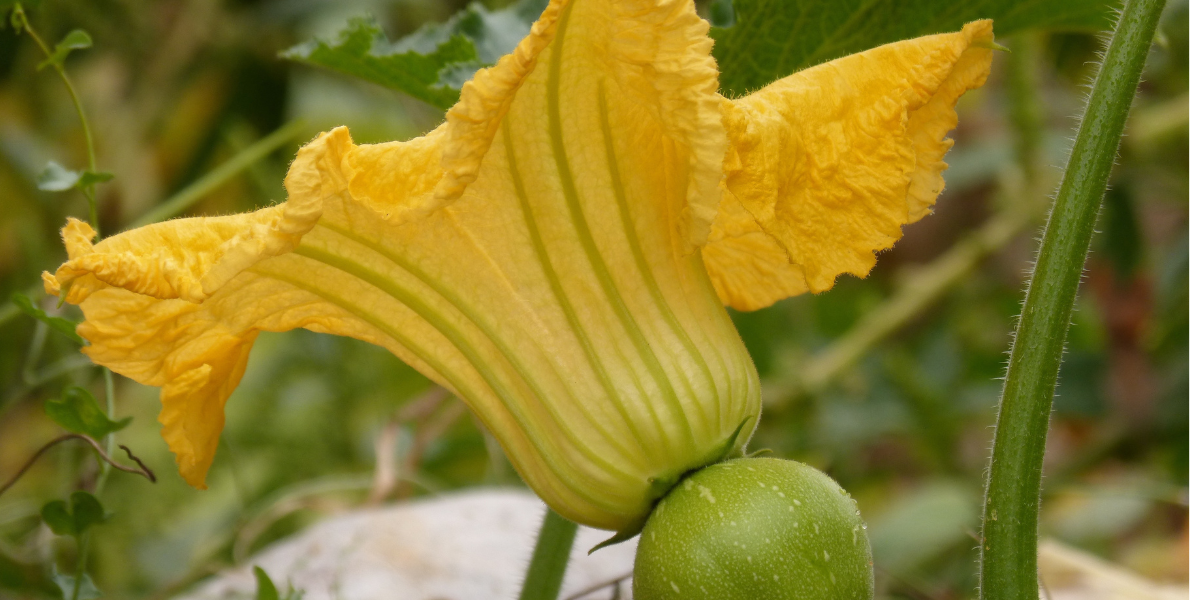
This is one of the most fascinating things about growing squash.Squash plants produce separate male and female flowers on the same plant.
How Can You Tell the Difference?
Look behind the flower.
A male flower sits on a relatively thin stalk.
A female flower has a small swollen structure directly behind it that looks like a miniature squash.
If pollination is successful, that tiny fruit begins to swell.
If it isn't, the young fruit may turn yellow, shrivel and fall from the plant.
Why Do I Have Lots of Flowers But No Squash?
Don't panic if the plant initially produces lots of male flowers.
This is normal, particularly early in the season. Female flowers usually follow.
Poor fruit set can also occur because of:
- Cool weather
- Lack of pollinating insects
- Very hot weather
- Drought stress
- Plants still being immature
Hand Pollination
- If pollination is poor, you can give nature a helping hand.
- Pick a freshly opened male flower, remove its petals and gently brush the pollen-covered centre against the centre of an open female flower.
- Alternatively, transfer pollen using a small soft brush.
- The best time is usually early in the day when flowers are freshly open.
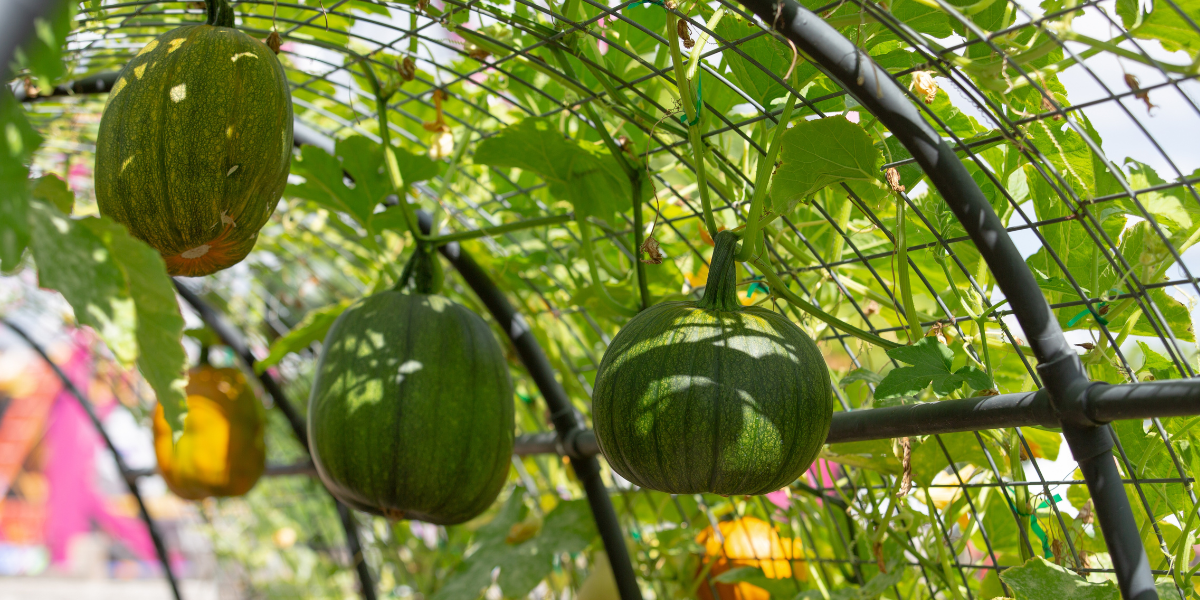
Growing Squash Vertically
Short of space?
Some trailing squash can be trained upwards rather than allowed to wander across the plot.
Try:
- Strong trellis
- Heavy-duty arches
- Pergolas
- Sturdy frames
- Smaller-fruited varieties are best.
- Remember that the support isn't simply holding the plant – eventually it may be supporting several kilograms of squash.
- Heavy fruits may need individual slings or net supports.
- Large pumpkins are generally better grown at ground level.
- Once winter squash and pumpkins begin swelling, place something beneath fruits resting on the ground.
- A tile
- A piece of wood
- A brick
- A flat stone
Towards the end of summer, make sure fruits receive plenty of sunshine to help them ripen.
Common Squash and Pumpkin Problems
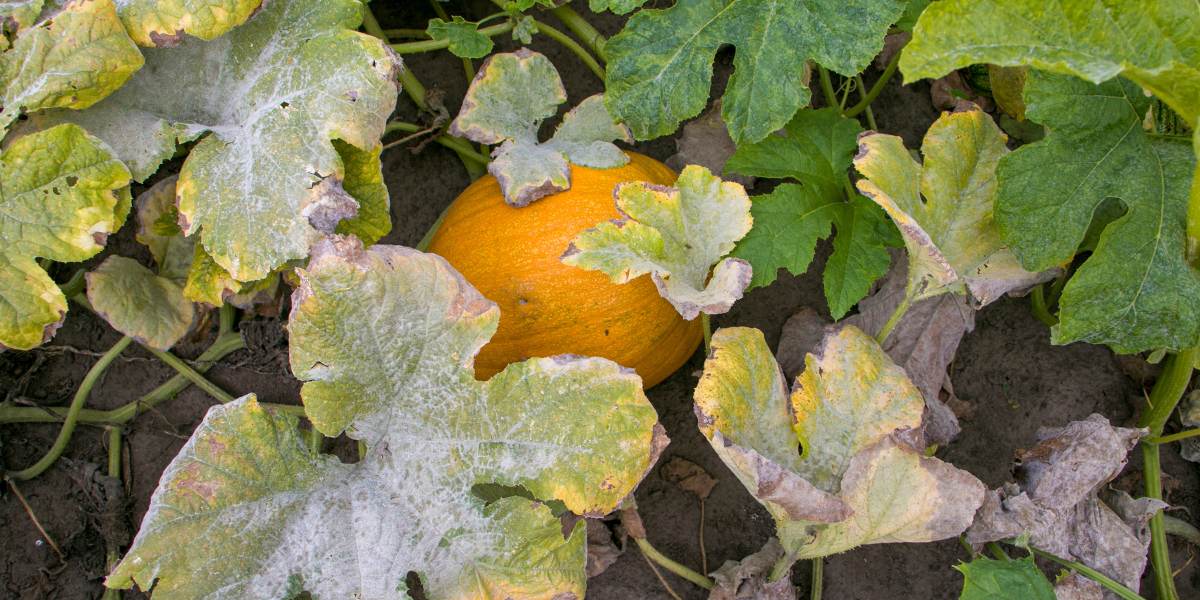
Powdery Mildew
That familiar white powdery coating on squash leaves is
powdery mildew.
It's particularly common later in the season and can become more severe when plants are drought stressed.
To reduce problems:
- Maintain consistent soil moisture
- Mulch to conserve water
- Avoid overcrowding
- Allow good airflow
- Remove badly affected foliage where appropriate
Slugs and Snails
Young squash plants are highly attractive to slugs and snails.
Check plants regularly, particularly shortly after planting out.
Once plants are large and vigorous, a little leaf damage is usually much less significant.
Grey Mould
Cool, damp conditions can encourage grey mould, particularly on damaged or decaying plant tissue.
Maintain airflow and remove badly affected material.
Fruit Rot
Fruit sitting directly on wet soil can begin to rot.
Lift developing fruits onto a tile, board or similar dry surface.
Young Fruits Turning Yellow and Falling Off
Usually this is caused by unsuccessful pollination or plant stress.
If it happens occasionally, don't worry.
If almost every fruit is failing, consider whether:
- Pollination is poor
- The plant is extremely dry
- Temperatures are unsuitable
- The plant is struggling to support too many fruits
How Do I Know When a Squash or Pumpkin Is Ready?
This is one of the biggest questions growers face in September.
Unlike courgettes, winter squash need to fully mature if they're going to store successfully.
Look for several signs rather than relying on colour alone.
1. The Skin Has Hardened
A mature winter squash develops a tough outer skin.
It shouldn't mark easily when pressed gently with a fingernail.
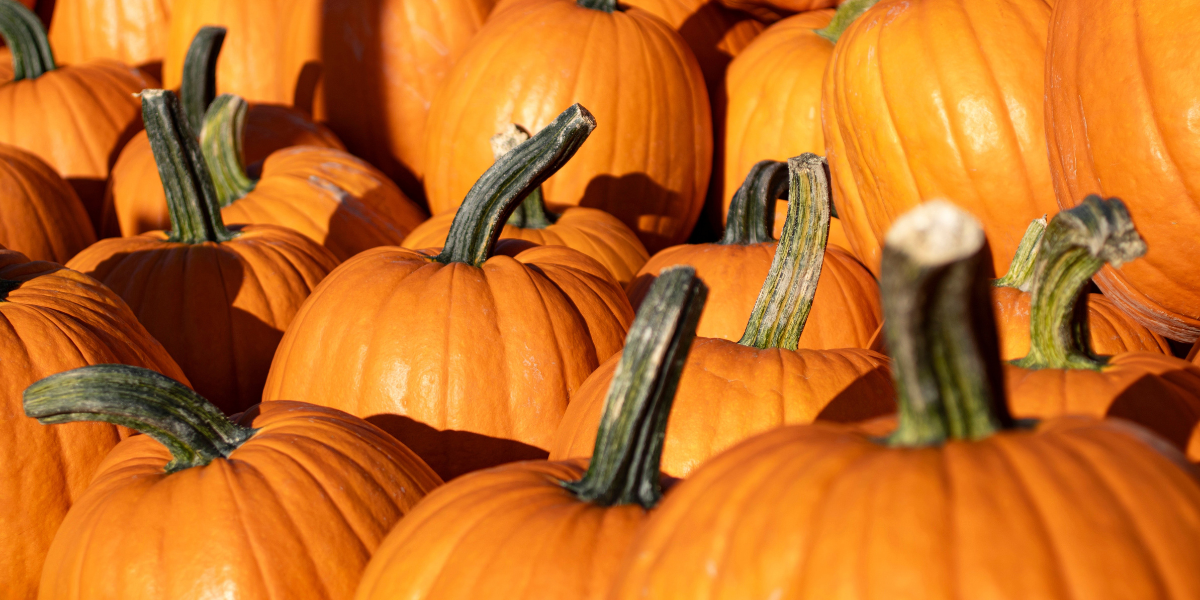
2. It Has Developed Its Mature Colour
The fruit should have the rich colour expected for that variety.
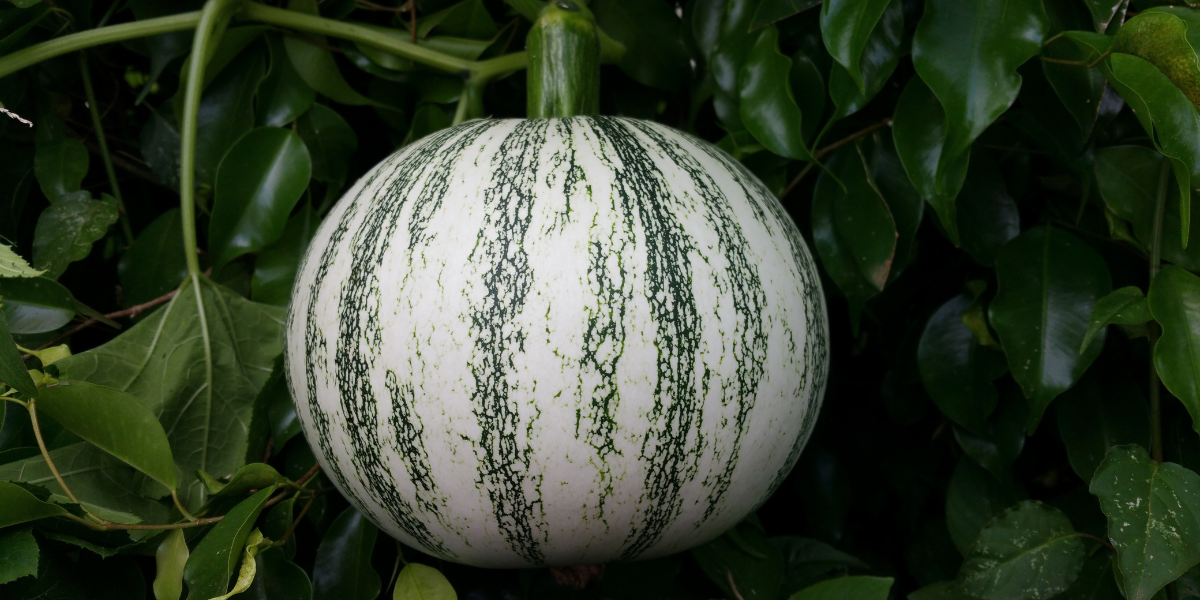
Remember that not every ripe squash is orange – some mature to blue-grey, green, cream or striped skins.
3. The Stalk Is Changing
As the fruit matures, the stem often becomes harder, drier and more cork-like.
4. It Sounds Hollow
A mature pumpkin or winter squash may sound hollow when gently tapped.
5. The Plant Is Beginning to Die Back
Towards autumn, foliage naturally begins to decline.
This can be another indication that the fruit has reached maturity.
When Should I Harvest?
Leave winter squash and pumpkins on the plant for as long as possible so they develop maximum flavour and storage potential.
But harvest them before frost.
Frost-damaged fruits don't store reliably.
Use clean secateurs or a sharp knife rather than twisting the fruit from the plant.
Most importantly:
- Leave the Stalk Attached
- Cut the fruit with at least 10cm of stalk attached where possible.
- Don't pick pumpkins up by their stalks.
- Breaking the stalk or cutting too close to the fruit creates an entry point for rot and can dramatically reduce storage life.
Curing Squash and Pumpkins
If you're planning to store winter squash, don't take them straight from the allotment and put them in a cupboard.
They benefit from curing first.
Curing allows the skin to harden and helps small surface wounds heal.
After harvesting, place suitable winter squash in a warm, dry, sunny position for roughly one to two weeks , protecting them from frost and wet weather.
Depending on conditions, this might be:
- Outside in sunshine
- In a greenhouse
- In a polytunnel
- In a cold frame
- Handle them carefully throughout.
- A tiny bruise at harvest can become a rotten squash several weeks later.
This is where winter squash really earn their space on an allotment.
Properly ripened and cured fruits can keep for three months or more,
with some varieties lasting considerably longer in good conditions.
Store them somewhere:
- Dry
- Frost-free
- Well ventilated
- Ideally around 10–15°C
- Away from direct sources of heat
- Don't pile them together.
- Leave space between individual fruits so air can circulate.
- Check them regularly.
Soft patches
- Mould
- Discolouration
- Leaking
- An unpleasant smell
Use any damaged or imperfect squash first and save your healthiest fruits for longer storage.
Saving Squash and Pumpkin Seeds
Saving seed from squash can be fascinating – but there's an important complication.
Squash are enthusiastic cross-pollinators.
Different varieties belonging to the same species may cross with one another. The squash you eat this year will be perfectly normal, but seeds saved from it may produce something quite different next year.
If you want to preserve a particular open-pollinated variety reliably, controlled pollination and isolation may be needed.
Also remember that
F1 hybrid varieties won't reliably come true from saved seed.
For casual experimentation, however, saving squash seeds can be great fun.
Select seed from a fully mature, healthy fruit, clean away the flesh thoroughly and allow the seeds to dry completely before storing somewhere cool and dry.
Companion Planting and Intercropping
Squash plants take up plenty of room, but that doesn't necessarily mean the surrounding space is wasted.
Their trailing habit makes them particularly useful for intercropping.
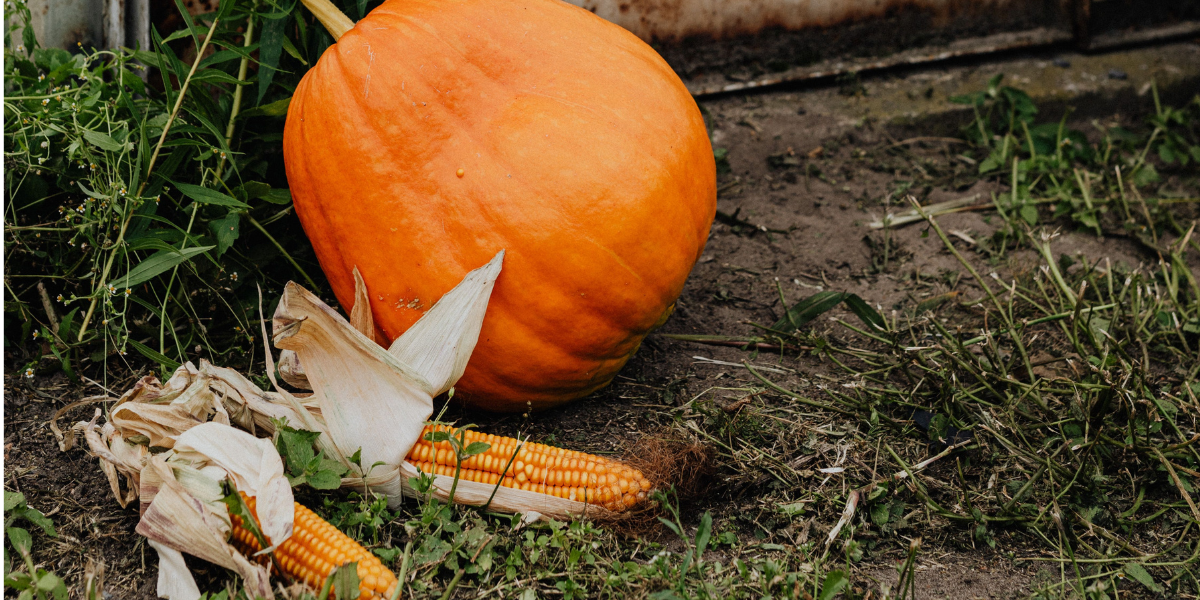
Sweetcorn
- Squash and sweetcorn can make effective neighbours.
- Sweetcorn grows vertically while squash travels horizontally across the soil.
- This allows two very differently shaped crops to use the same area more efficiently.
- The large squash leaves also shade portions of the soil surface, helping reduce weed growth and moisture loss.
- Beans provide vertical growth while squash occupies the ground below.
- However, all are vigorous crops, so make sure the soil is fertile and there is sufficient water available.
- Growing flowering plants nearby can provide additional food for pollinating insects.
- That's particularly useful for squash because successful pollination is essential for fruit formation.
- Suitable flowering plants around a productive allotment might include:
- Nasturtiums
- Calendula
- Marigolds
- Borage
Herbs allowed to flower
Rather than assuming one plant will magically repel a particular pest, aim for diversity and a long season of flowers for beneficial insects.

Nutritional Benefits of Squash and Pumpkins
The vibrant orange flesh of many winter squashes gives a clue to one of their most notable nutritional features.
- Beta-carotene – a precursor of vitamin A, which contributes to normal vision, immune
- Vitamin C – contributes to normal immune function and helps protect cells from oxidative stress
- Potassium – important for normal muscle and nerve function
- Fibre – contributes to digestive health
- Various other vitamins, minerals and plant compounds
- They're also naturally low in fat.
Don't Forget the Seeds
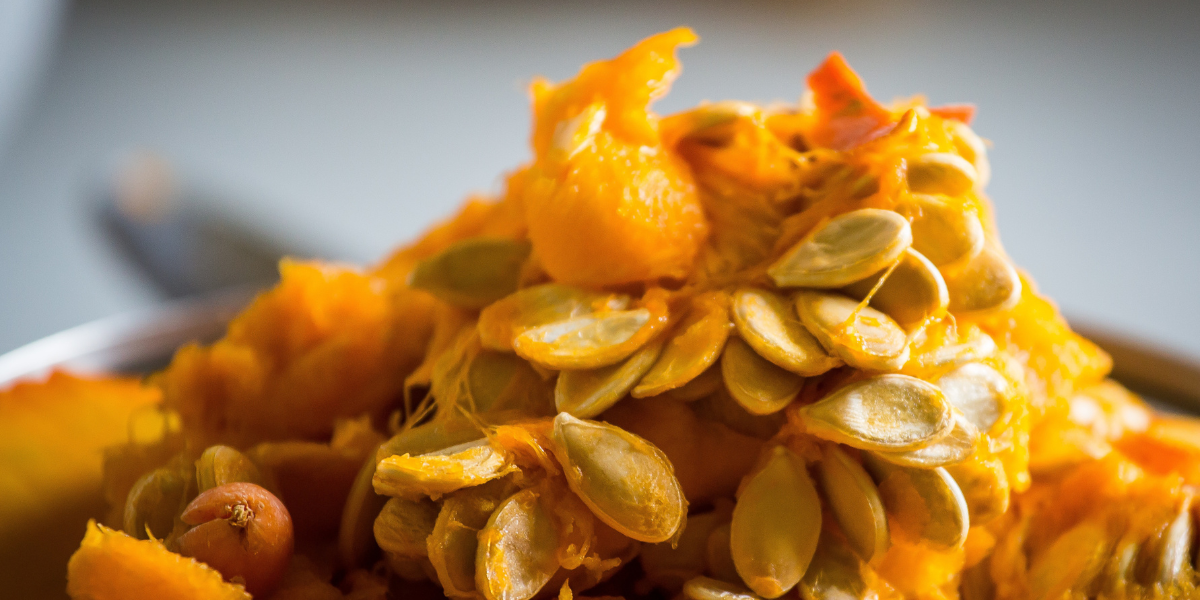
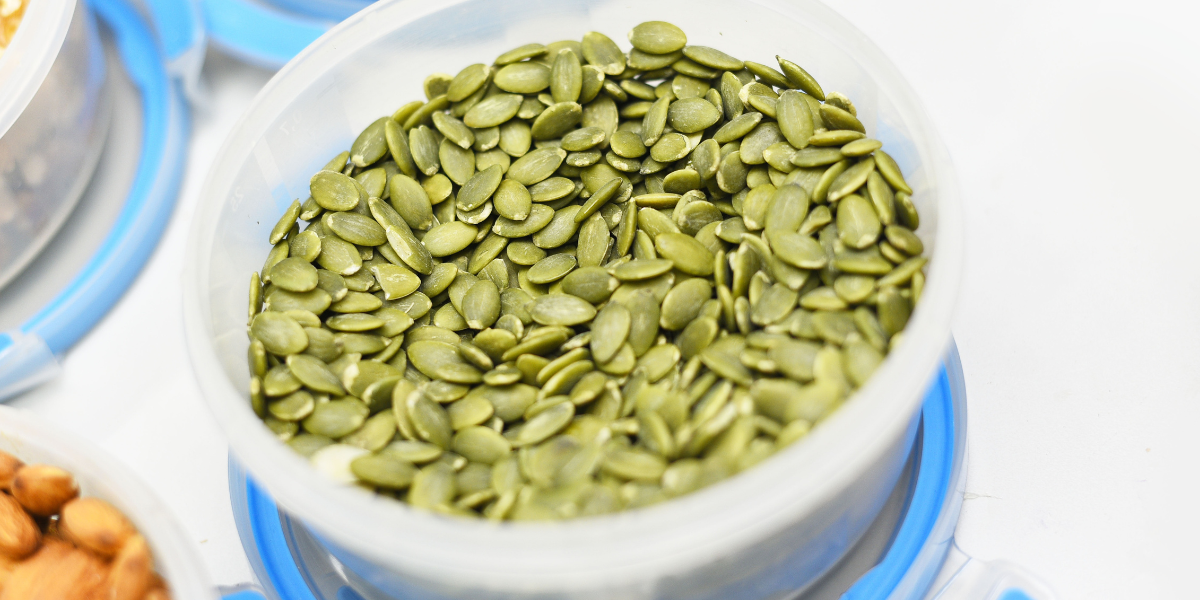
Pumpkin and squash seeds are edible too.
Once cleaned and roasted, they can provide:
- Protein
- Unsaturated fats
- Fibre
- Magnesium
- Zinc
- Iron
Culinary Uses
Winter squash is one of the most versatile crops you can take from the allotment into the kitchen. Its natural sweetness works with warming spices, herbs, cheese, grains, pulses and even desserts.Roasted Squash
- Sometimes the simplest preparation is the best.
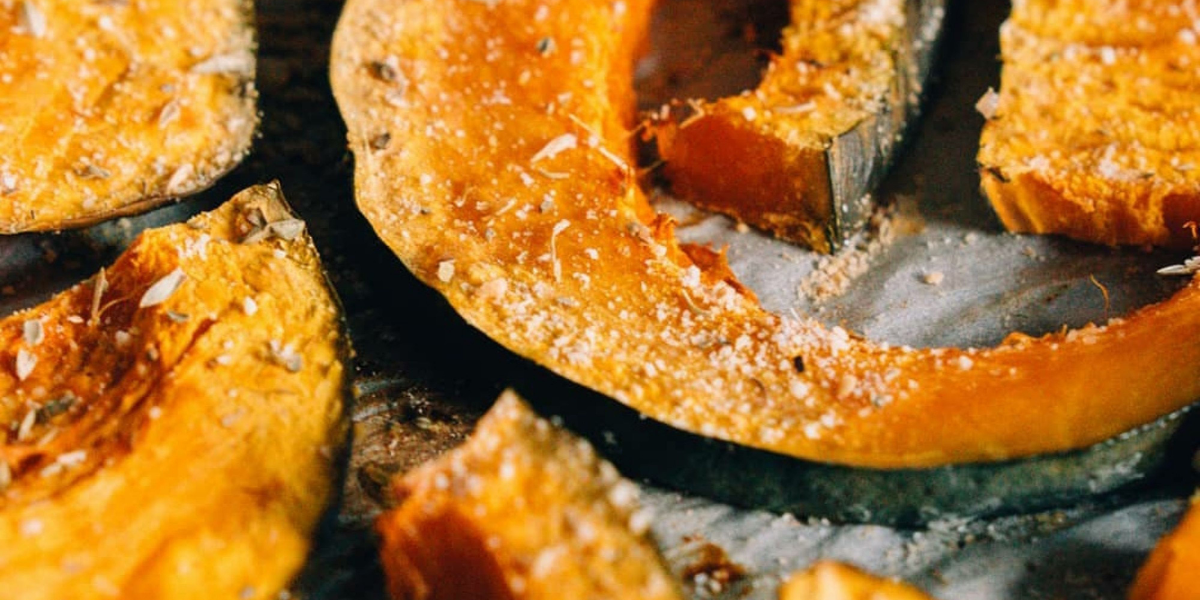
- Cut squash into wedges or chunks, remove the seeds and roast with a little oil.
- Roasting caramelises the natural sugars and intensifies the flavour.
- One of the classic uses for an autumn harvest.
- Roast the squash first for extra depth, then blend with onion, garlic and stock.
- Soup freezes extremely well, making it useful when several fruits need using at once.
- Squash is excellent in curries because the flesh absorbs spices while retaining its sweetness.
- It's also a useful way of turning one large squash into several substantial meals.
- Roasted squash and sage is a classic combination.
- Mash or blend some of the roasted squash through the risotto and leave some in chunks for texture.
- Finish with Parmesan or another hard cheese.
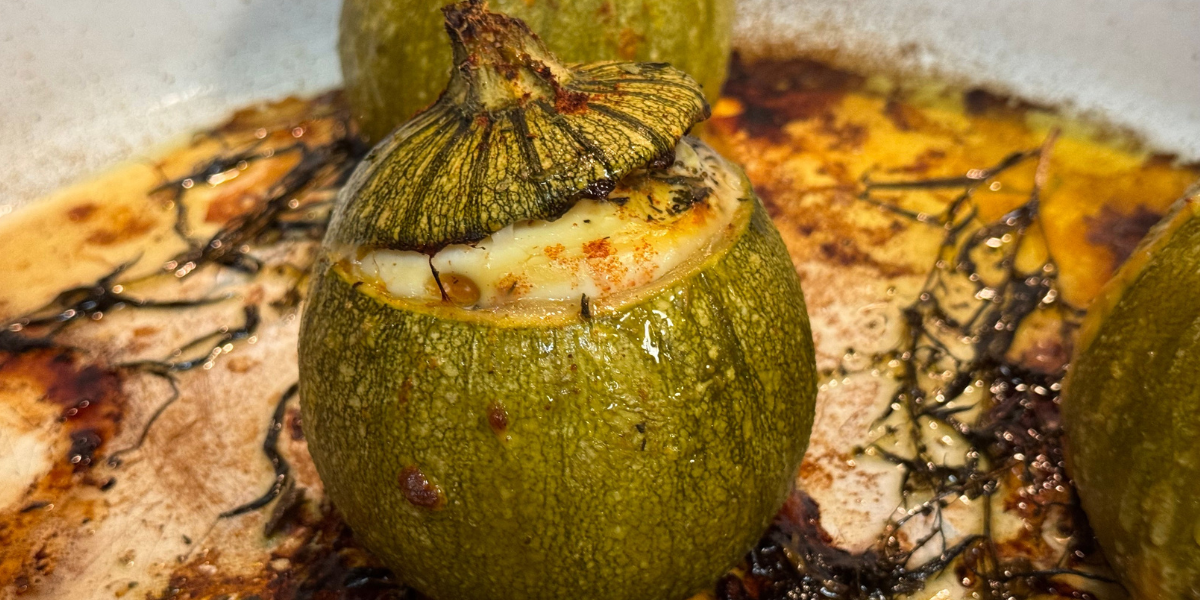
- Small varieties such as acorn squash and Sweet Dumpling are perfect for stuffing.
- Cut in half, remove the seeds and partially roast before filling.
- Roasted pumpkin or butternut squash can be blended with garlic, herbs and a little stock or cream to create a silky pasta sauce.
Pumpkin isn't only for savoury dishes.
Cooked squash purée can add sweetness and moisture to:
- Pumpkin pie
- Cakes
- Muffins
- Bread
- Scones
- Pancakes
Warm spices such as cinnamon, ginger, nutmeg and cloves pair particularly well with sweet squash.
Pumpkin Seeds
Don't automatically throw the seeds on the compost heap.
Separate them from the surrounding fibres, rinse and dry them thoroughly, then roast.
Remember that seed hulls vary between squash varieties, so some are more enjoyable for eating than others.
From Plot to Plate
Squash and pumpkins are some of the most rewarding crops to grow, starting with a single seed in spring and finishing the season with a colourful and often abundant harvest.
And if you do end up with a glut, that's not necessarily a problem.
Winter squash is made for keeping.
Cure and store your best fruits and enjoy them gradually over the months ahead, while any that need using sooner can become soups, curries, risottos, pasta sauces, dhal, chutney, gnocchi, pies, muffins or even squash hummus. Cooked squash purée can also be frozen in portions for another day, and the seeds can be roasted for a tasty snack.
Halloween pumpkins don't need to go to waste either. If you're carving an edible variety, remove and use the flesh at the time of carving for soup, curry, baking or purée. Once a carved pumpkin has been sitting outside, however, it is best added to the compost heap rather than the dinner table.
With compact varieties for smaller plots, sprawling winter squash for those with more room and everything from tiny decorative pumpkins to enormous competition giants, there's a squash for almost every allotment.
Grow them well, harvest them carefully and store them properly, and the squash you pick in autumn could still be bringing a taste of the allotment to your table well into winter.
Non Member Newsletter Signup

National Society of Allotment & Leisure Gardeners Ltd
Registered in 1930 under the Industrial & Provident Societies Acts no. 11144R
VAT No. 1212930 14
Patron His Majesty King Charles III
© 2022-2023 National Society of Allotment & Leisure Gardeners Ltd