What Is Green Manure and Should You Use It on Your Allotment?
Could growing something you never intend to harvest be one of the best ways to improve your allotment soil? Green manure is a simple, natural way to protect empty vegetable beds, improve soil structure and prepare your allotment for the next growing season.
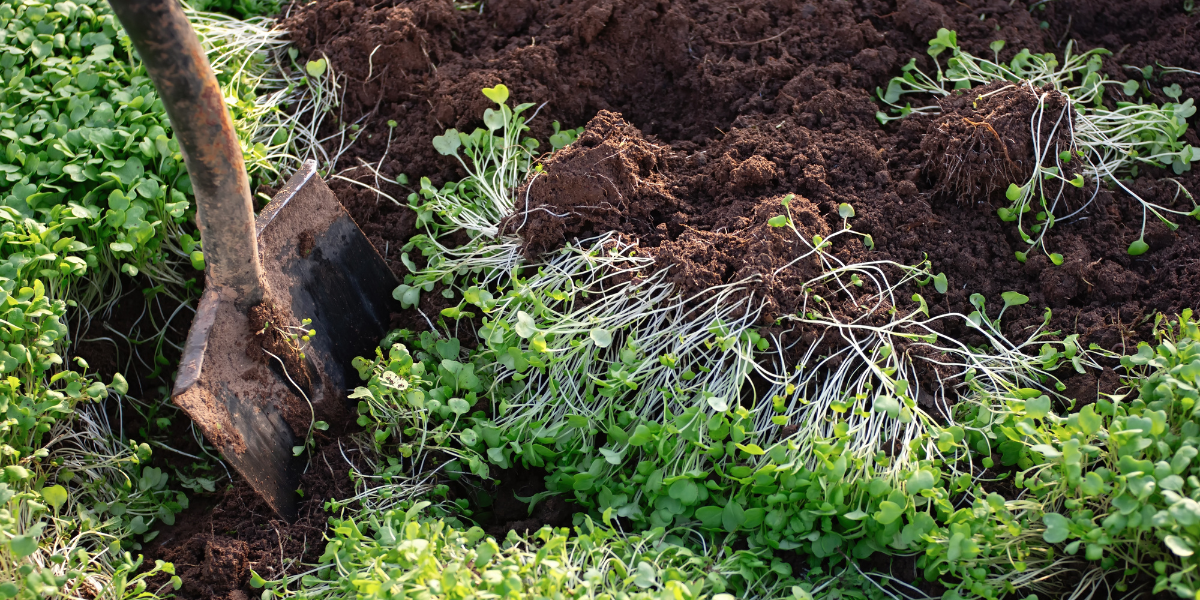
Growing green manure on an allotment can help improve soil health, reduce nutrient loss, suppress weeds and support sustainable gardening. But what exactly is green manure, when should you sow it, and which varieties are best for UK allotments?
What Is Green Manure?
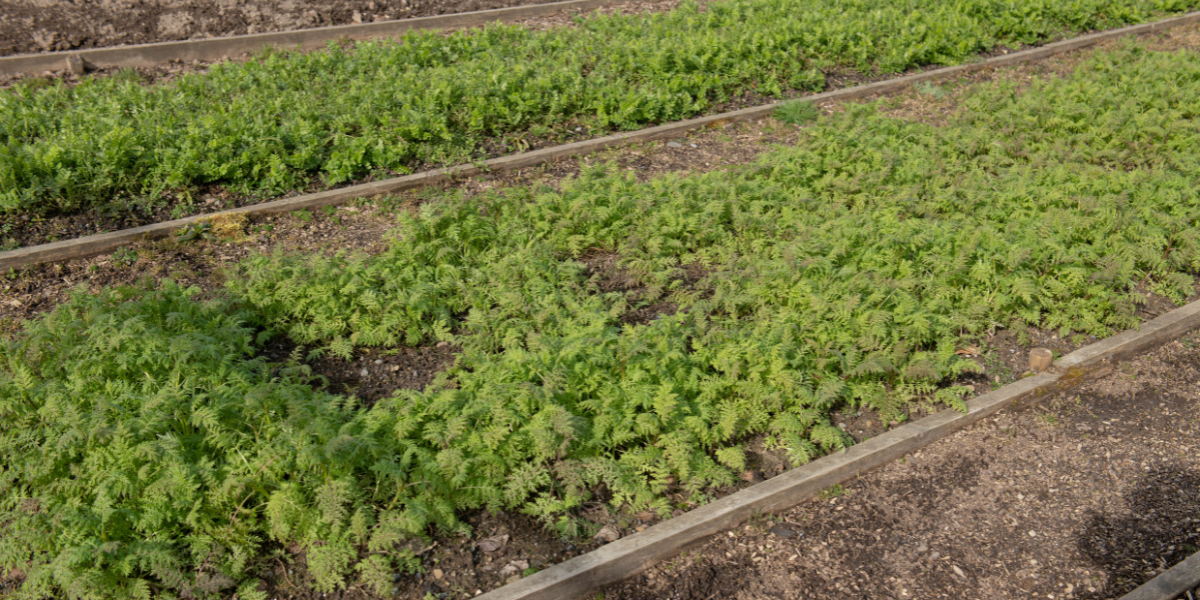
Green manure refers to plants grown specifically to improve and protect the soil rather than to produce a harvest. These crops are usually grown in empty vegetable beds and then cut down, left to decompose or incorporated into the soil before the next crop is planted.Unlike traditional animal manure, green manure uses living plants to improve growing conditions.
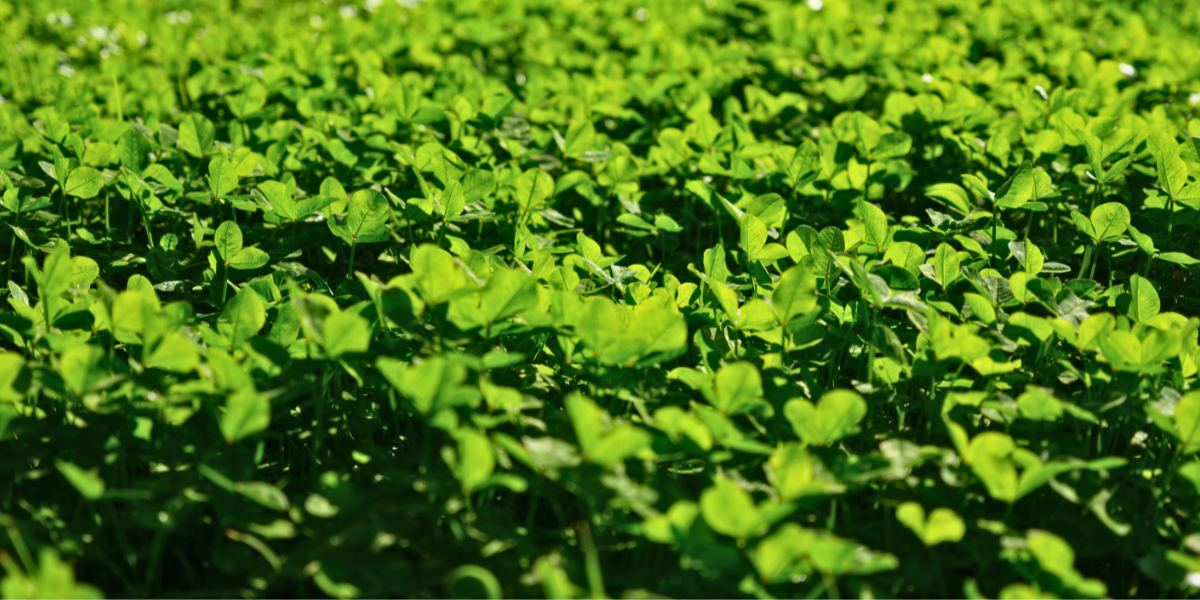
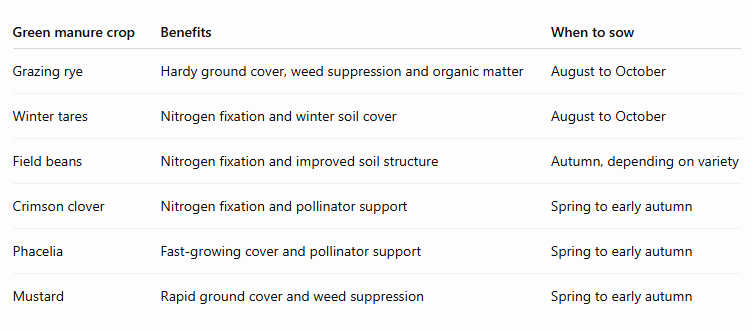
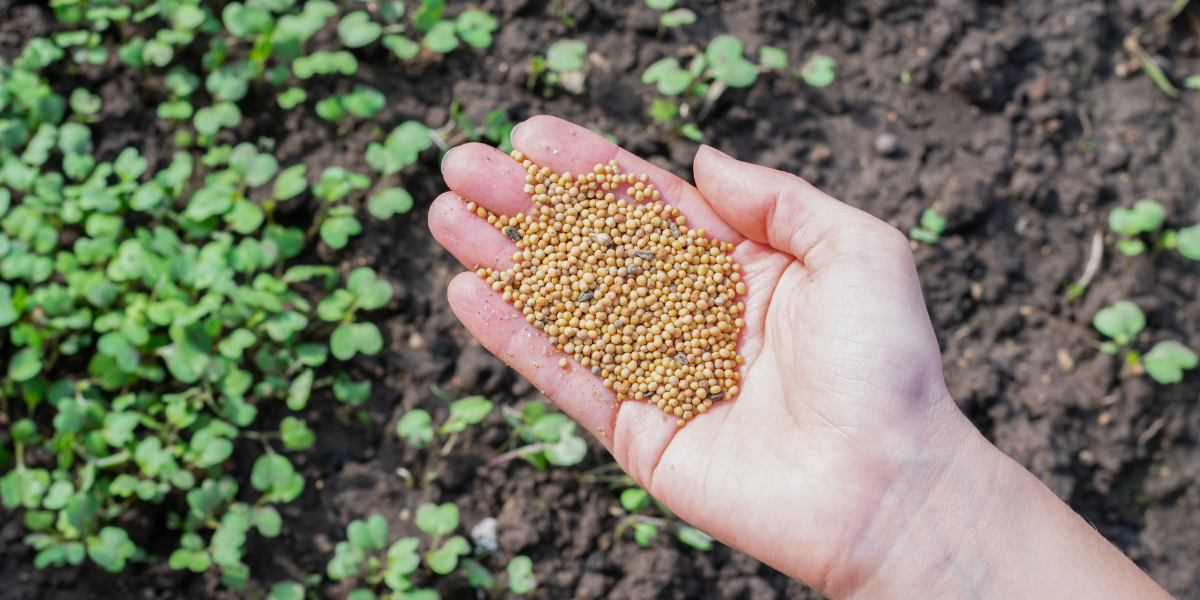
Common green manure crops include grazing rye, winter tares, field beans, clover, mustard and phacelia.
Different varieties offer different benefits. Some improve soil structure through their root systems, others help retain nutrients, while certain plants can fix nitrogen from the atmosphere.
What Are the Benefits of Green Manure for Allotments?
Green manure offers several advantages, particularly when vegetable beds would otherwise remain empty during autumn and winter.
1. Protects Allotment Soil Over Winter
Bare soil is vulnerable to heavy rainfall, erosion and nutrient loss. Growing winter green manure creates a protective covering that reduces the impact of rain and helps keep the soil in better condition.
Living roots also help maintain soil structure during periods when beds are not being used for vegetables.
2. Improves Soil Structure and Soil Health
Healthy soil is essential for productive allotment gardening.
Green manure roots grow through the soil, helping to create channels that improve drainage and support soil organisms.
When the plants break down, they contribute organic matter, which can improve soil structure and help it retain moisture.
This can be particularly useful for allotment holders working to improve heavy clay soils or maintain healthy, productive beds.
3. Helps Suppress Weeds Naturally
Fast-growing green manure crops cover bare ground and compete with weeds for space, light and nutrients.
Although green manure will not eliminate weeds entirely, it can help reduce weed growth and make vegetable beds easier to manage.
4. Supports Soil Fertility
Some green manure crops, particularly legumes such as clover, winter tares and field beans, form relationships with bacteria that fix nitrogen from the atmosphere.
As the plants decompose, some of this nitrogen can become available to subsequent crops.
Other green manures help capture and retain nutrients already present in the soil, reducing the amount lost through winter rainfall.
5. Encourages Biodiversity
Green manure can also benefit wildlife.
Flowering varieties such as phacelia and clover provide nectar and pollen for pollinating insects when allowed to flower.
Below ground, living roots and decomposing plant material support earthworms, microorganisms and other organisms involved in maintaining healthy soil.
Which Green Manure Is Best to Sow in Autumn?
Choosing the right green manure depends on the time of year, your soil conditions and what you intend to grow next.Autumn is a particularly useful time to sow green manure because beds become available as summer vegetables finish.
However, not every green manure crop is suitable for late autumn sowing. Some need to establish while the soil is still warm, while others tolerate colder conditions.
These are general UK sowing periods. Always follow the seed supplier's instructions and consider local weather and soil conditions.
Can You Sow Green Manure in October?
Yes. October can still be a suitable month for sowing hardy green manure crops , particularly grazing rye and winter tares.These crops can provide useful ground cover through winter, although germination and establishment will depend on soil temperature and local conditions.
In colder areas, earlier autumn sowing is generally more reliable.
If the soil is already very wet or cold, it may be better to protect empty beds with compost, leaves or another suitable organic mulch instead.
How Do You Sow Green Manure on an Allotment?
Growing green manure is relatively straightforward and does not require specialist equipment.Step 2 – Choose a suitable green manure: Select a variety appropriate for the season, soil type and future crop rotation.
Step 4 – Water if necessary: Autumn rainfall may provide sufficient moisture, but water gently if conditions are dry.
Step 5 – Allow the plants to establish: The green manure will grow across the bed, providing ground cover and developing a root system that helps protect the soil. Hardy varieties can remain in place during winter.
What Do You Do With Green Manure in Spring?
Before planting your next vegetable crop, you will need to manage the green manure.Ideally, cut it down before it sets seed to prevent unwanted plants appearing in your beds.
There are two main approaches.
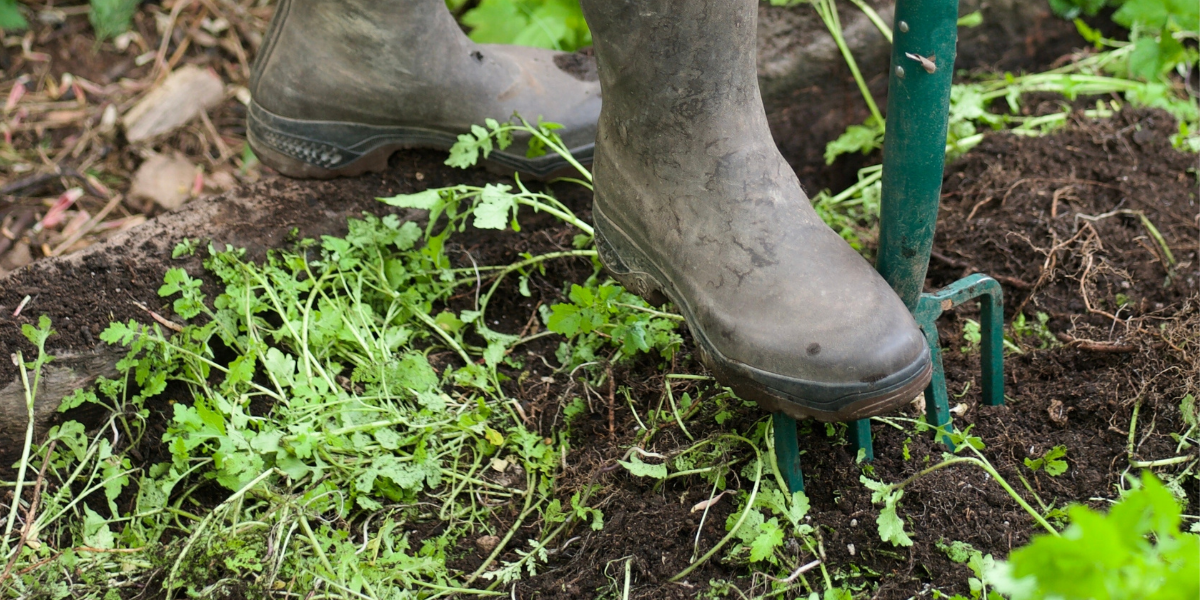
Cut down the plants and incorporate the material into the upper layer of soil. Allow several weeks for decomposition before planting vegetables.
The time required depends on the type of green manure, the quantity of material and the weather.
Using green manure in a no-dig allotment
If you practise no-dig gardening, green manure can be cut close to ground level and left on the surface as mulch, or the cut material can be added to your compost heap.
The roots can remain in the soil and break down naturally.
Some vigorous varieties, including grazing rye, may regrow after cutting and require further management.
Can Green Manure Help With Crop Rotation?
Yes, although it is important to choose the right variety.
Green manure crops belong to different plant families, so they should be considered alongside your allotment crop rotation plan.
For example:
Mustard belongs to the brassica family and may be unsuitable where clubroot is a concern.
Field beans, clover and winter tares belong to the legume family, alongside peas and beans.
Grazing rye belongs to the grass family and can be useful when you want to avoid growing another brassica or legume.
Choosing green manure carefully helps maintain a balanced crop rotation and reduces the risk of introducing avoidable problems.
Is Green Manure Better Than Compost?
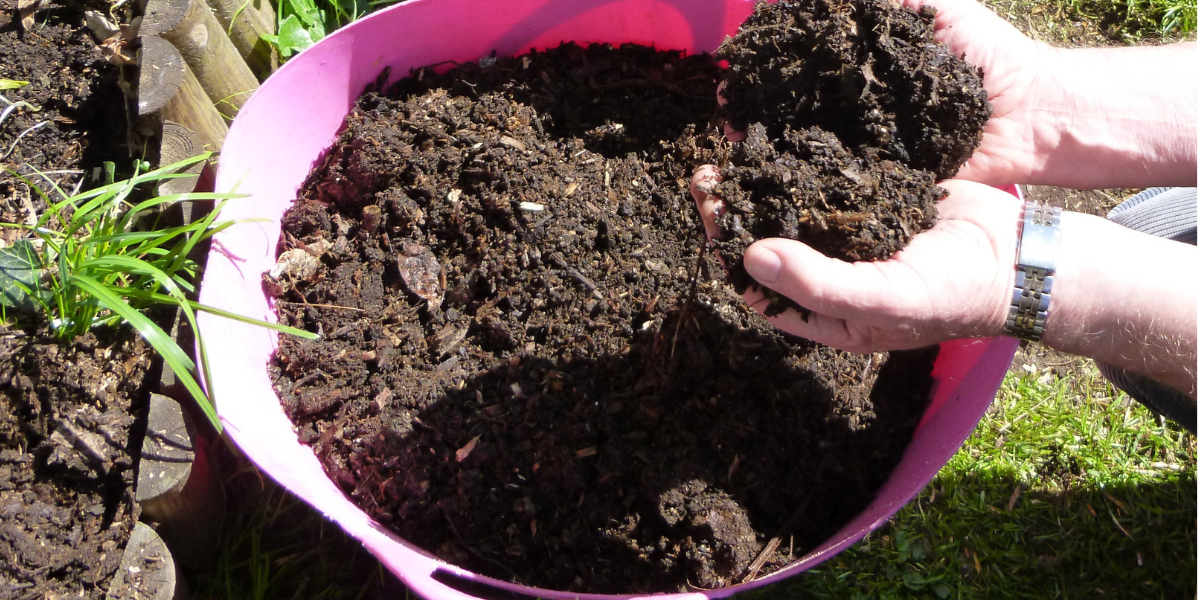
Green manure and compost both help improve allotment soil, but they work in different ways.Compost adds decomposed organic matter and nutrients, while green manure protects the soil as it grows and contributes organic material when it breaks down.
Green manure also keeps living roots in the soil, helping to support biological activity during periods when vegetable beds would otherwise be empty.
For many allotment holders, combining green manure with homemade compost and organic mulches is an effective approach to maintaining soil health.
What Are the Pros and Cons of Using Green Manure on Your Allotment?
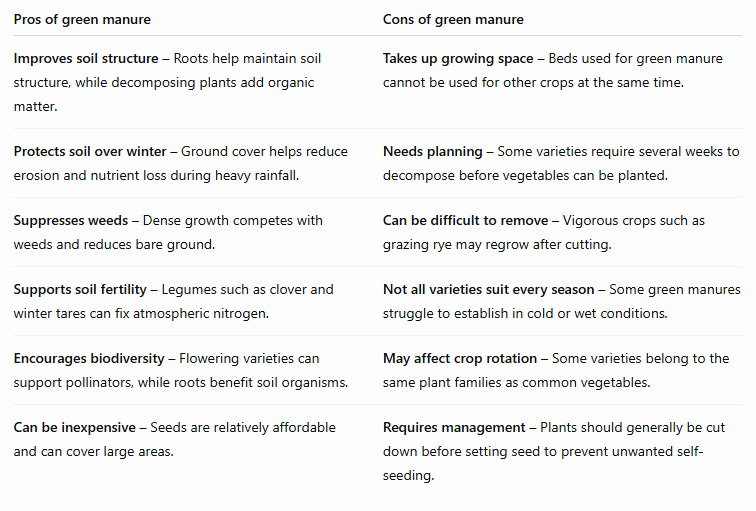
Green manure can be an excellent way to improve allotment soil naturally, but it isn't suitable for every plot or growing situation. Understanding the advantages and disadvantages will help you decide whether it is worth including in your allotment gardening plans.
Should You Use Green Manure on Your Allotment?
For many allotment holders, the benefits of green manure outweigh the disadvantages, particularly when vegetable beds would otherwise remain empty over winter.
It offers a practical way to protect soil from winter weather, improve soil structure, reduce weed growth and support the natural processes that contribute to a productive allotment.
However, green manure is not essential for every plot. Compost, organic mulches and other soil management methods can also protect and improve soil health.
Green manure can form part of a wider approach to sustainable allotment gardening, alongside composting, crop rotation, mulching and responsible water management.
If you're new to green manure, try growing it on just one bed.
This will allow you to see how well it establishes, how easy it is to manage and whether it improves your soil before using it more widely.
Healthy soil is the foundation of a productive allotment. By caring for it between crops, you can help create better growing conditions for the seasons ahead.
Join The National Allotment Society
For more growing advice and support, explore membership of the National Allotment Society at thenas.org.uk/joinus.
Become a National Allotment Society member and help to preserve and protect allotments for future generations.
You'll also gain a range of benefits including free liability insurance, initial legal support, expert advice and much more.
Non Member Newsletter Signup

National Society of Allotment & Leisure Gardeners Ltd
Registered in 1930 under the Industrial & Provident Societies Acts no. 11144R
VAT No. 1212930 14
Patron His Majesty King Charles III
© 2022-2023 National Society of Allotment & Leisure Gardeners Ltd