What to Check Before Accepting an Allotment
After months – and in some areas years – on an allotment waiting list, finally receiving the call or email to say
“we have a plot for you” is an exciting moment.
It can be tempting to say yes immediately. But before signing your tenancy agreement, it's worth visiting the plot, taking a proper look around and asking a few questions.
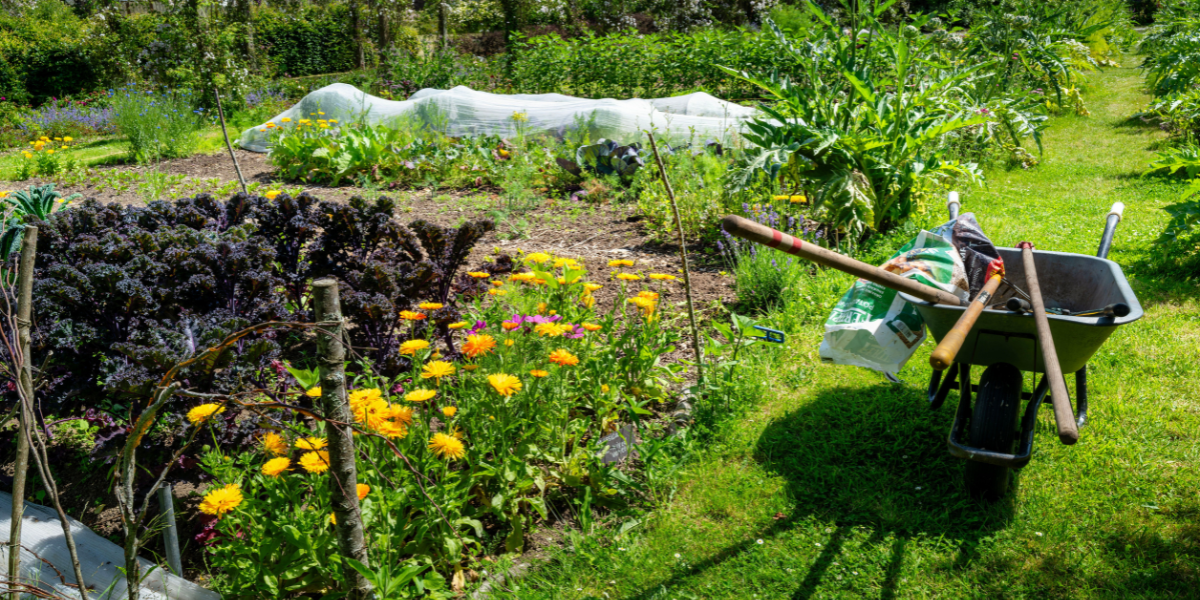
A neglected plot isn't necessarily a bad plot, and the smartest-looking plot isn't necessarily the best one for you. Here are some of the things to consider before accepting your new allotment.
1. How Much Work Does the Plot Need?
First impressions can be daunting, particularly if you're offered a plot that hasn't been cultivated for some time.Long grass and annual weeds can often be dealt with relatively easily. A plot covered in persistent perennial weeds, brambles or self-seeded trees could be a much bigger undertaking.
Look for rubbish, broken glass, old carpets and other materials that may need removing too.
Don't automatically reject an overgrown plot – underneath those weeds could be excellent soil. Just be realistic about the amount of time you have available.
If you're new to growing, ask whether taking on a smaller or half plot
is an option. Starting with a manageable area and cultivating it well can be much more enjoyable than becoming overwhelmed by a large plot.
2. Where Is the Water?
After the hot, dry conditions experienced in recent summers, water access is an increasingly important consideration.
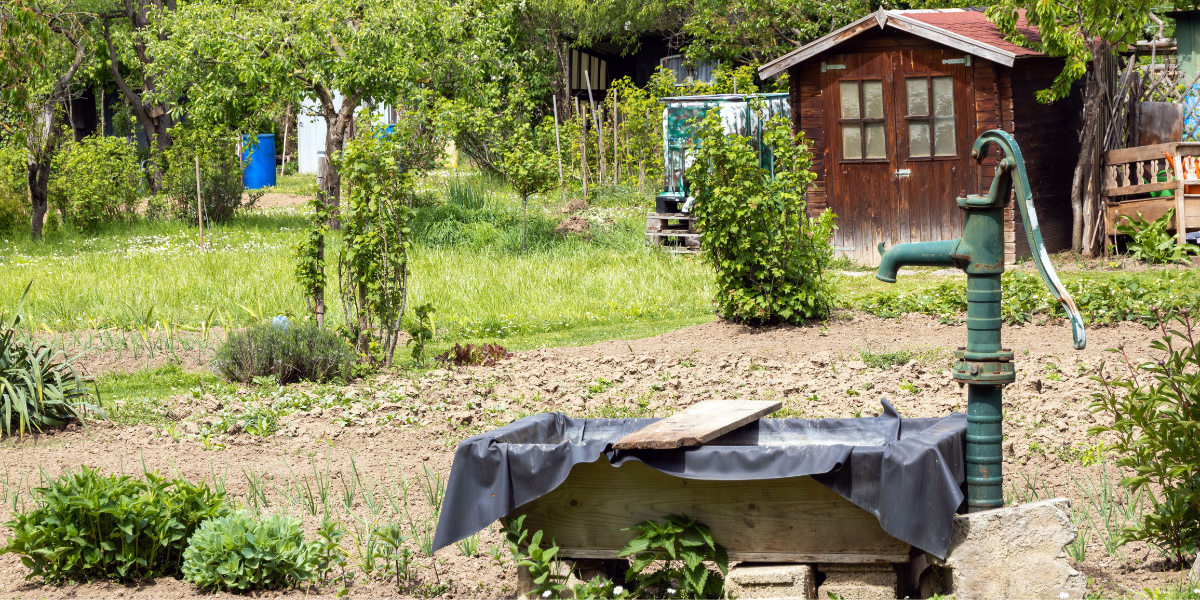
Find out how water is provided on the site. Are there communal taps or troughs? How far is the nearest one from your plot? Are hoses permitted, or will you need to carry watering cans?
Also look at opportunities for rainwater harvesting . If there's already a shed or greenhouse, could guttering feed a water butt? Are there rules about the size or type of water storage allowed?
A plot a long way from the water supply isn't necessarily a deal-breaker, but it's something you'll appreciate knowing before accepting it.
3. How Much Sun Does It Get?
Most fruit and vegetables perform best with plenty of light, so take a look at what surrounds the plot.
Large trees, mature hedges, buildings and neighbouring structures can all create shade.
Some shade can actually be useful, particularly for leafy crops during very hot weather, but a heavily shaded plot will limit what you can successfully grow.
Remember that the sun is lower during autumn and winter, so a plot that looks shady when you visit in September may receive considerably more sunlight during summer.
4. Look at the Soil – Not Just the Weeds
Don't let an untidy surface distract you from what's underneath.Take a closer look at the soil. Is it very heavy and wet, extremely sandy or badly compacted? Are there obvious drainage problems or areas where water collects?
Different soils aren't necessarily good or bad – they simply require different approaches – and most allotment soils can be improved over time with compost and other organic matter.
It can also be worth asking neighbouring plot holders what the soil is like and what grows particularly well on the site.
5. How Easy Is Access?
Think beyond your first visit.Can you park nearby? How far will you need to carry bags of compost or manure? Are paths wide enough for a wheelbarrow? Are there restrictions on vehicle access?
If you have mobility requirements, look carefully at paths, slopes, gates and the distance between the entrance and the plot.
You may be visiting several times a week during the main growing season, so convenient access can make a considerable difference.
6. What's Already on the Plot?
An established shed, greenhouse, fruit cage or raised beds might look like a bonus – and often they are. But check their condition.A collapsing shed or greenhouse with broken panes could quickly become your first major allotment job.
Ask who owns existing structures and whether you become responsible for maintaining or removing them when you take over the tenancy.
Look at established plants too. Mature fruit trees, currant bushes, raspberries, rhubarb and asparagus can take years to establish, so inheriting productive plants can be a real advantage.

7. Read the Allotment Rules
Before signing anything, read the tenancy agreement and site rules carefully.
Rules vary between allotment providers, so don't assume something you've seen on another site will automatically be allowed on yours.
Check requirements relating to cultivation and plot maintenance , as well as rules covering sheds and greenhouses, ponds, bonfires, composting, livestock, trees, water use and pesticides.
It's also worth understanding how inspections are carried out and what happens if a plot isn't being cultivated to the required standard.
If there's something you don't understand, ask before signing.
8. Understand the Costs
The annual rent may not be the only expense.Ask whether there are separate charges for water, keys, deposits, association membership or other site facilities.
Then think about your own start-up costs. Tools, compost, seeds, plants, water butts, netting and a shed can quickly add up.
You don't need to buy everything immediately. Many experienced allotment holders have built up their equipment gradually over years, and neighbouring growers may have spare plants, seeds or materials they're happy to share.
9. Have a Look Around the Whole Site
Don't only look at the plot you've been offered.Walk around the site if you're able to. Are paths maintained? Are communal areas looked after? Is there a shop, communal composting area or shared equipment? Does the site appear secure?
Most importantly, talk to people.
Neighbouring plot holders can often tell you far more about a site than you'll learn from a quick inspection. They may also be able to explain which areas get waterlogged, where the sun falls in summer and which crops tend to thrive.
A friendly, supportive allotment community can be one of the greatest benefits of having a plot.
10. Be Realistic About Your Time
It's easy to imagine the finished allotment – neat beds, overflowing vegetable plants and a perfect little shed.Getting there takes time.
During spring and summer, allotments need regular attention. Weeding, watering, sowing, planting and harvesting don't always fit neatly around holidays and busy weekends.
Think realistically about how often you can visit and how much land you can comfortably manage.
You don't have to transform the entire plot in your first year. Clearing and cultivating one section at a time is perfectly sensible.
Look Beyond the Weeds
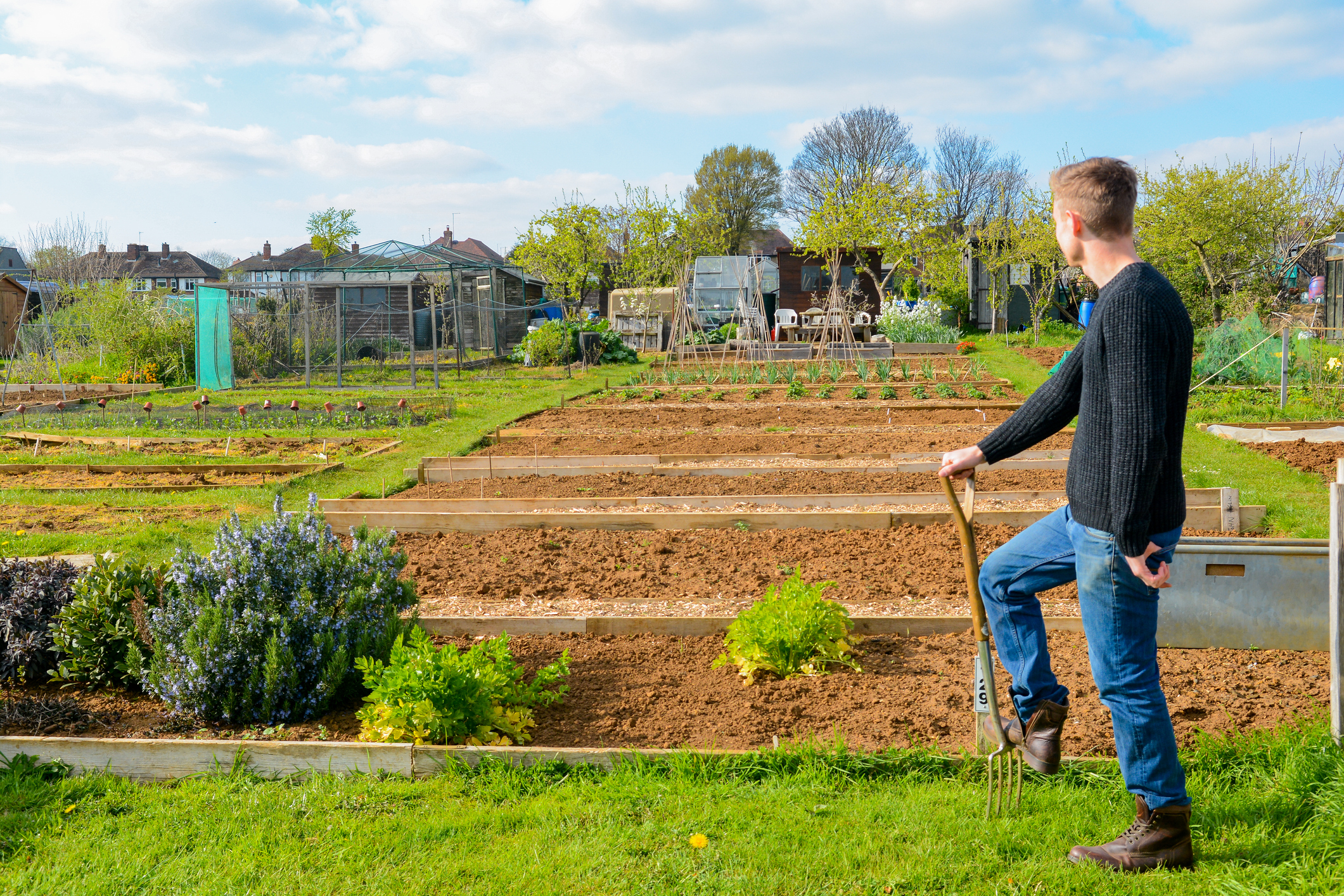
Perhaps the most important advice is don't judge an allotment purely by how it looks on the day you're offered it.An immaculate plot isn't automatically a great plot, and an overgrown one isn't automatically a bad choice.
Good sunlight, decent soil, reliable access to water, a manageable size and a welcoming site could be far more valuable than a plot that simply looks tidy.
Take your time, ask questions and make sure you understand what you're agreeing to.
Then, if everything feels right, you can finally say
You've Accepted Your Plot – What Next?
Don't feel you have to fill every bed immediately. Start with a handful of crops you enjoy eating, learn how your new plot behaves and build from there.
If you're wondering where to begin, our Best Crops for First-Time Allotmenteers guide has straightforward suggestions for beginner-friendly crops and advice to help get your first growing season underway. Read Best Crops for First-Time Allotmenteers
Join The National Allotment Society
Become a National Allotment Society member and help to preserve and protect allotments for future generations.
You'll also gain a range of benefits, including free liability insurance, initial legal support, expert advice and much more.
Non Member Newsletter Signup

National Society of Allotment & Leisure Gardeners Ltd
Registered in 1930 under the Industrial & Provident Societies Acts no. 11144R
VAT No. 1212930 14
Patron His Majesty King Charles III
© 2022-2023 National Society of Allotment & Leisure Gardeners Ltd