August Allotment Checklist 2026
August is a month of transition on the allotment. While harvests are still plentiful, the first signs of autumn begin to appear. As crops finish, beds begin to empty, making this the ideal time to prepare for the seasons ahead. It's also a month of balancing harvesting, preserving, sowing and planning while keeping a close eye on watering during hot spells and disease during cooler, damper nights.
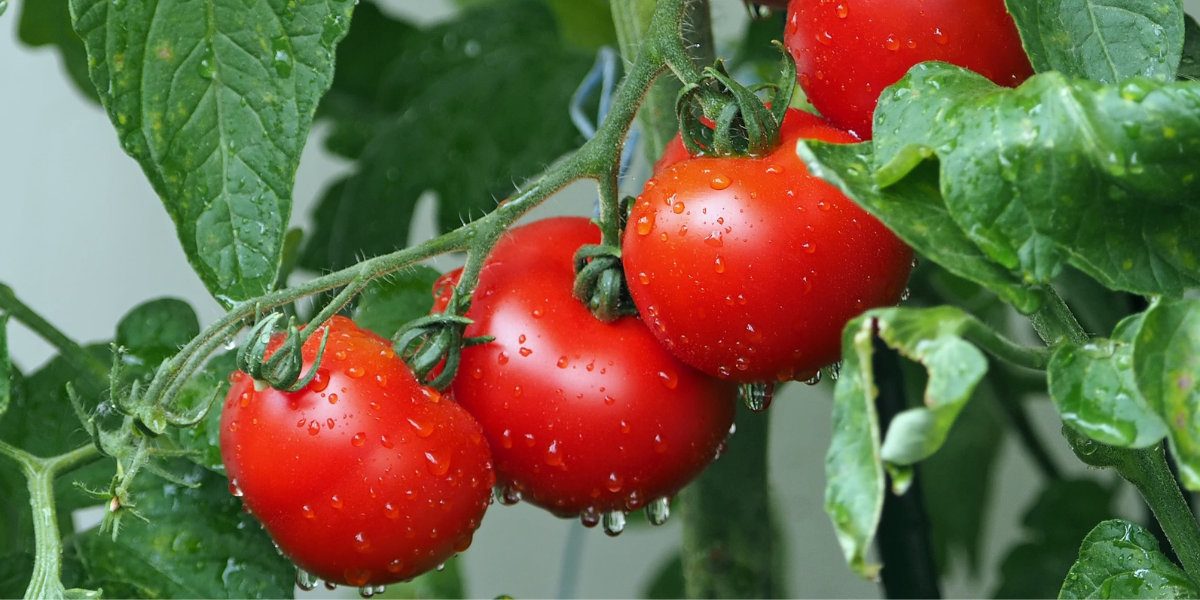
The allotment is still bursting with life in August, but now is also the time to think ahead. Harvest regularly, protect your crops, and begin preparing your plot for a productive autumn and winter.
Plant Care & Soil Health
Don't Leave Bare SoilAs crops finish, resist the temptation to leave empty beds exposed. Bare soil quickly loses moisture, nutrients can be washed away by heavy summer showers, and weeds soon take hold. Instead, spread a layer of compost or well-rotted manure, sow a green manure, or prepare the bed for your next crop. Keeping soil covered helps protect its structure and encourages earthworms and beneficial soil organisms to thrive.
August is one of the best months to sow green manures, giving them plenty of time to establish before winter. Green manures help prevent erosion, suppress weeds, improve soil structure and add valuable organic matter when dug into the soil or cut down in spring.
Good choices include:Phacelia – A fast-growing favourite that attracts bees and other pollinators while improving soil structure.
Grazing Rye – Excellent for overwintering, producing deep roots that help break up heavy soils.
Mustard – Quick to establish and effective at suppressing weeds, although avoid sowing it before brassicas as it belongs to the same plant family.
Crimson Clover – A nitrogen-fixing plant that enriches the soil while providing a valuable late-season food source for pollinating insects.
If you aren't planning to sow another crop straight away, green manures are one of the easiest ways to improve your soil ready for next year's growing season.
Top up organic mulches around thirsty crops such as pumpkins, squash, courgettes, celery and tomatoes. Mulching continues to conserve moisture, suppress weeds, regulate soil temperatures and slowly improve soil as it breaks down.
Water WiselyAugust can still bring prolonged dry spells. Water deeply rather than little and often, aiming water at the base of plants to encourage deep rooting. Early morning or late evening watering reduces evaporation and makes the most efficient use of water.
With plenty of spent crops, healthy foliage and hedge trimmings available, August is an ideal month to build or turn your compost heap. Aim for a good balance of green material and brown material to produce rich compost for next season. Avoid adding diseased material or perennial weeds.
Capture Every Drop Late summer storms can quickly replenish water butts. Check gutters, downpipes and storage containers to make sure rainwater is being collected efficiently for future dry periods

Vegetable Tasks
August is all about harvesting while keeping crops productive for as long as possible.Harvest Little and Often
Continue picking beans, courgettes, cucumbers and tomatoes regularly. Frequent harvesting encourages plants to keep producing and prevents vegetables becoming oversized.
Save Your Best Seeds
Healthy open-pollinated peas, beans, lettuce and herbs can be left to mature for seed saving, reducing costs and preserving favourite varieties.
Sow Fast-Growing Crops
There's still time to sow:
- Spinach
- Rocket
- Mizuna
- Pak choi
- Winter salads
- Spring onions
- Radishes
- These crops will provide harvests well into autumn.
- Feed Fruiting Crops
- Tomatoes, peppers, aubergines and cucumbers will continue cropping if fed weekly with a high-potash fertiliser.
- Lift Potatoes Carefully

Fruit Tasks
August is one of the busiest fruit harvesting months of the year.Harvest:
- Blackberries
- Raspberries
- Plums
- Gages
- Early apples
- Pears
- Blueberries
Once harvesting has finished, cut fruited canes down to ground level and tie in this year's strong new canes ready for next season.
Tidy Strawberry Beds
Remove old leaves, clear weeds and peg down healthy runners if you'd like free replacement plants.
Protect Ripening Fruit
Birds, squirrels and wasps are attracted to ripening fruit. Check protective netting regularly to ensure it remains secure and wildlife cannot become trapped.

Greenhouse & Polytunnel
Keep Air MovingWarm days followed by cool nights can create condensation, encouraging fungal diseases. Open vents and doors daily to maintain good airflow.
Continue Training Plants
Tie in tomatoes, cucumbers and melons as they grow. Remove side shoots from cordon tomatoes and gradually remove lower leaves beneath ripening trusses to improve ventilation.
Harvest Regularly
Pick tomatoes, cucumbers, peppers and chillies as they ripen to encourage continued production and reduce splitting.
Flowers & Wildlife
Keep Pollinators Supplied Many insects are preparing for autumn, so late flowers remain invaluable.
Grow or maintain:- Cosmos
- Dahlias
- Sedum
- Rudbeckia
- Verbena
- Borage
Allow a few flowers to mature naturally and collect seed for next year's displays.
Pests & Diseases
Changing weather can increase disease pressure.
Watch for:
- Powdery mildew
- Potato and tomato blight
- Leek rust
- Cabbage white caterpillars
- Slugs and snails after rain

What to Harvest
Depending on your region, August harvests may include:- Maincrop potatoes
- Onions and shallots
- Carrots
- Beetroot
- Chard
- Courgettes
- Tomatoes
- Peppers
- Runner and French beans
- Sweetcorn
- Salad leaves
- Aubergines
- Early apples
- Pears
- Blackberries
- Plums and gages
- Herbs
Looking Ahead
Although summer is still in full swing, now is the perfect time to start planning for autumn and even next spring. Consider your crop rotation, order spring-flowering bulbs, and make notes on which varieties have performed particularly well. Clearing beds now also gives you the opportunity to prepare ground for garlic, onions and overwintering crops.
Final Thoughts
August is one of the most satisfying months on the allotment. The rewards of months of hard work are all around you, but there is still plenty to do. Continue harvesting regularly, care for your soil, prepare empty beds, and think ahead to the coming seasons. A little effort now will keep your allotment productive into autumn and lay the foundations for another successful year.

Join The National Allotment Society
Become a National Allotment Society member and help to preserve and protect allotments for future generations.
You'll also gain a range of benefits, including free liability insurance, initial legal support, expert advice and much more.
Non Member Newsletter Signup

National Society of Allotment & Leisure Gardeners Ltd
Registered in 1930 under the Industrial & Provident Societies Acts no. 11144R
VAT No. 1212930 14
Patron His Majesty King Charles III
© 2022-2023 National Society of Allotment & Leisure Gardeners Ltd