August Foraging Guide 2026
August is one of the most rewarding months for foraging. Hedgerows are heavy with fruit, woodland edges are beginning to produce nuts, and meadows are still full of edible flowers and aromatic herbs. It's a month that bridges the seasons, allowing us to enjoy the last flavours of summer while preparing for the abundance of autumn.
Whether you're taking a stroll after visiting your allotment or exploring the countryside , there's no shortage of wild food to discover. From juicy blackberries and fragrant herbs to the first ripening hazelnuts, August is the perfect time to gather ingredients for crumbles, jams, syrups, teas and preserves that can be enjoyed long after the growing season has ended.

If you're new to foraging, remember the golden rules: always positively identify what you're picking, only forage where you have permission, never take more than you need, and leave plenty behind for wildlife and other foragers.
Looking for Even More August Foraging Inspiration?
Each year brings slightly different growing conditions, meaning some plants may appear earlier or later depending on the weather. Last year we featured a range of seasonal favourites including elderberries, rowan berries, crab apples, ground elder, yarrow and primrose , along with recipes for elderberry syrup and yarrow tea.If you'd like even more ideas after reading this guide, take a look at our August Foraging Guide 2025 , which includes additional species, recipes and identification tips.
Together, the two guides provide an even broader look at what nature has to offer during one of the richest months of the foraging calendar.
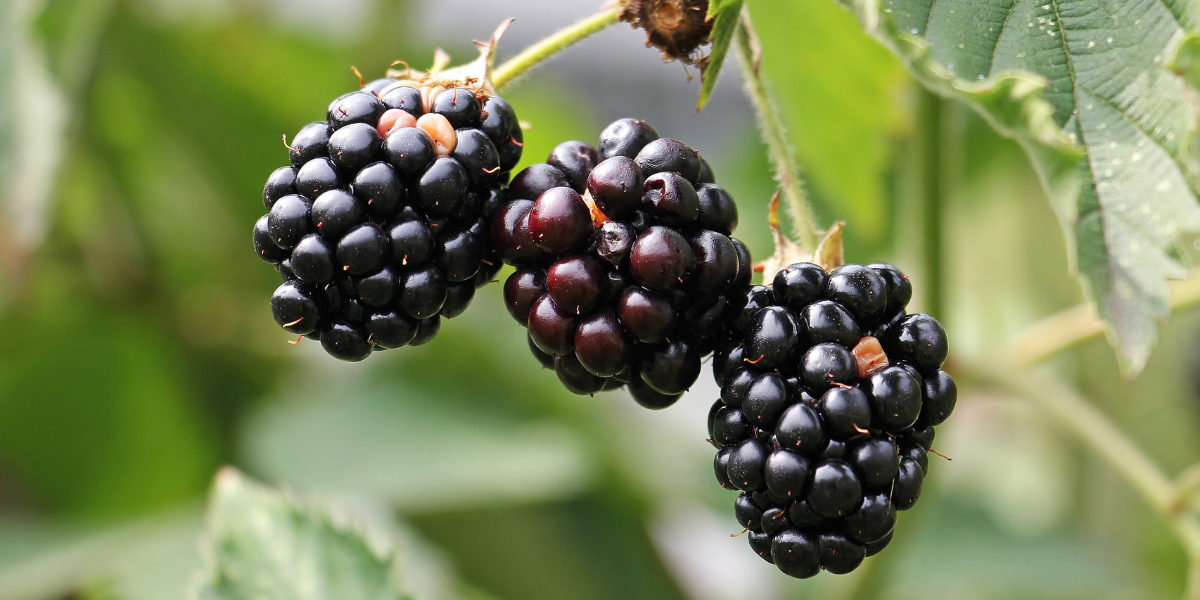
1. Blackberries (Rubus fruticosus)
No August foraging guide would be complete without blackberries. They are one of Britain's most recognisable wild foods and, after a warm summer, hedgerows can become laden with fruit. Where to find them
Almost everywhere! Blackberries thrive along hedgerows, woodland edges, country lanes, old railway embankments, field margins and even urban green spaces.
What to look for
Choose berries that are deep purple-black, plump and come away from the stem with very little effort. Leave any red or firm berries to ripen for another visit.
Avoid picking fruit growing immediately beside busy roads, and where possible harvest from branches above waist height to reduce the risk of contamination from pets.
Ways to enjoy them
Blackberries are wonderfully versatile and can be used in:
- Traditional blackberry and apple crumble
- Blackberry jam or jelly
- Fruit leather
- Blackberry vinegar
- Cordials and shrubs
- Smoothies
- Muffins and cakes
- Homemade ice cream
- Frozen for winter desserts
Blackberries are packed with vitamin C, vitamin K and manganese, while their deep colour comes from anthocyanins—powerful antioxidants that help protect the body's cells. They are also naturally high in fibre, making them an excellent addition to a healthy diet.
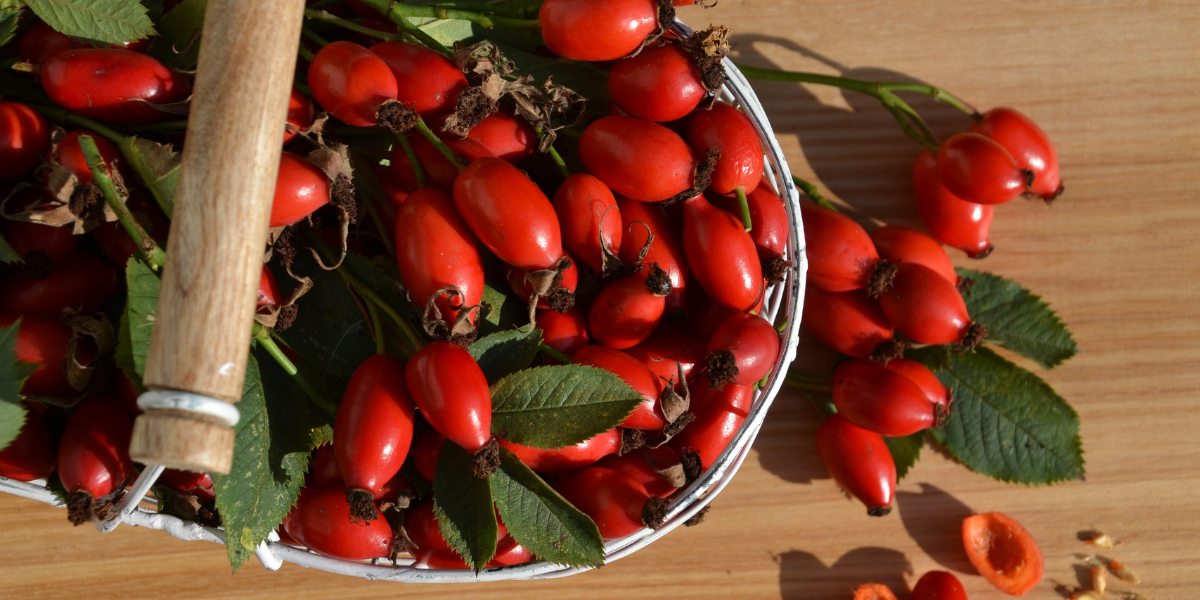
2. Rosehips ( Rosa canina )
Although the fruits are still developing in August, this is the perfect time to spot wild rose bushes and watch the rosehips begin to turn from green to vibrant shades of orange and red. A little patience will reward you with one of Britain's most nutritious wild foods later in the season. Where to find them
Look for wild dog roses growing in hedgerows, woodland edges, field boundaries and along country lanes.
What to pick
In late August you may find the earliest ripe rosehips, particularly after a warm summer. Most are at their best from September onwards, so use this month to identify good locations and check back regularly.
How to use them
- Rosehip syrup
- Herbal tea
- Jellies and jams
- Fruit leather
- Homemade cordial
Rosehips are exceptionally rich in vitamin C, antioxidants and flavonoids. Traditionally they have been used to support the immune system and may also help reduce inflammation.
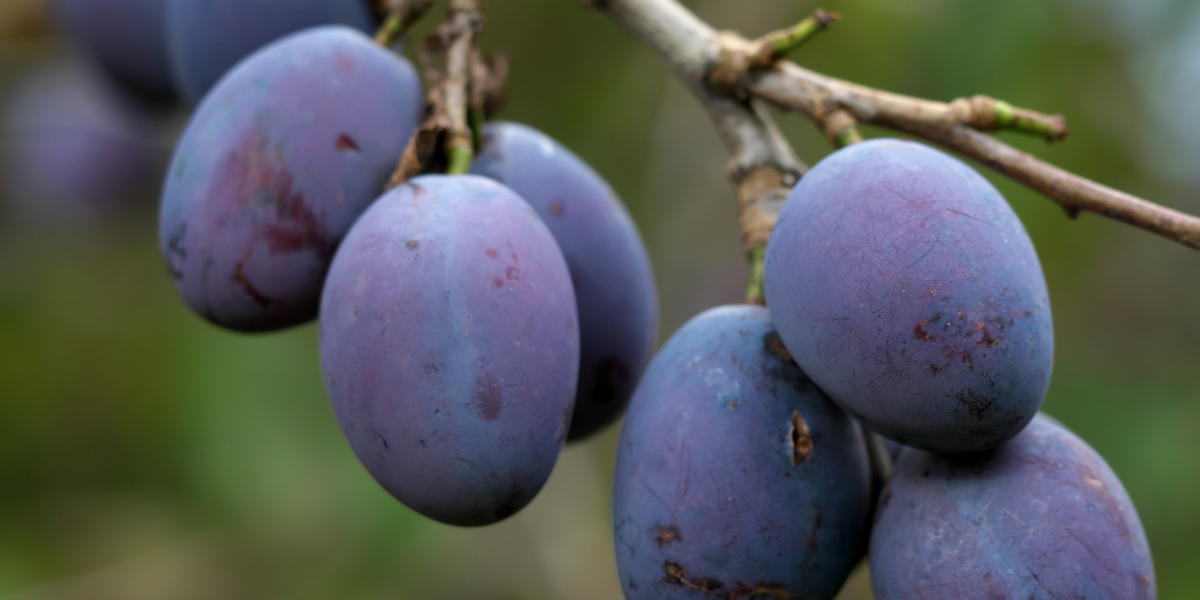
3. Wild Plums and Damsons
Many forgotten hedgerows and old orchards hide small plum trees that burst into life during August. Their fruit is often smaller than cultivated varieties but full of flavour.Where to find them
Old orchards, farm boundaries, woodland edges and rural hedgerows.
What to pick
Choose fruit that is fully coloured and slightly soft to the touch. Ripe plums should come away from the branch easily.
How to use them
- Crumbles
- Chutneys
- Jam
- Fruit gin or vodka
- Homemade plum sauce
Wild plums are rich in vitamins A and C, dietary fibre and antioxidants that support digestive and immune health.
Quick Homemade Plum Sauce
Ingredients
- 500g ripe plums, stoned and chopped
- 1 small onion, finely chopped
- 2 cloves garlic, crushed
- 75ml apple cider vinegar
- 50g soft brown sugar
- 1 tsp grated fresh ginger (or ½ tsp ground ginger)
- ½ tsp Chinese five-spice (optional)
- Pinch of salt
Method
Place all the ingredients into a saucepan and bring to a gentle simmer.
Cook for 25–30 minutes , stirring occasionally, until the plums are soft and the mixture has thickened.
Blend until smooth using a stick blender or food processor.
Pour into a sterilised jar and allow to cool.
Serving Suggestions:
Perfect with roast duck, pork, chicken, spring rolls or as a dipping sauce. Store in the fridge for up to 2 weeks , or freeze for longer storage.
4. Meadowsweet (Filipendula ulmaria)
With its delicate creamy-white flowers and sweet almond-like fragrance, meadowsweet is one of Britain's most distinctive late summer wildflowers. Where to find it
Damp meadows, riverbanks, ditches and marshy grassland.
What to pick
Fresh flower heads picked on a dry day.
How to use it
- Herbal tea
- Cordials
- Flavouring homemade desserts
- Infused cream for puddings
- Homemade ice cream
Meadowsweet has long been valued in traditional herbal medicine. It has been used to soothe headaches, aid digestion and support joint health.
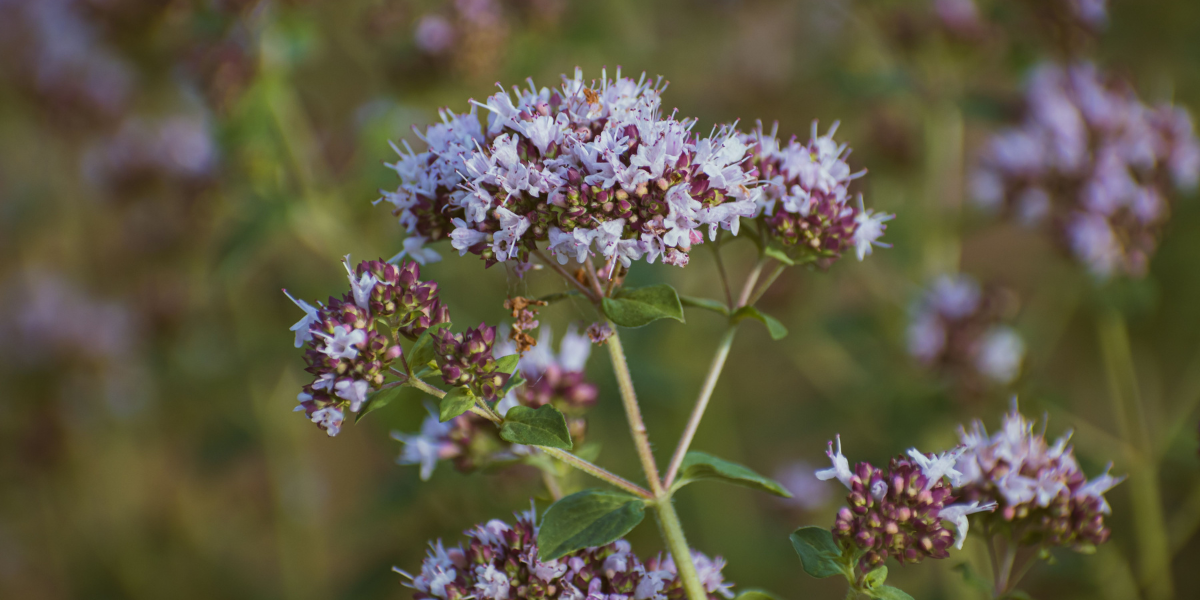
5. Wild Marjoram (Origanum vulgare)
Often overlooked, wild marjoram is one of our finest native culinary herbs and is especially attractive to bees and butterflies. Where to find it
Sunny banks, chalk grassland, old quarries and dry meadows.
What to pick
Young leafy stems and flowering tops.
How to use it
- Dry for winter cooking
- Pasta dishes
- Tomato sauces
- Herb butter
- Pizza toppings
- Salad dressings
Rich in antioxidants and aromatic oils, marjoram has traditionally been used to aid digestion and support respiratory health.
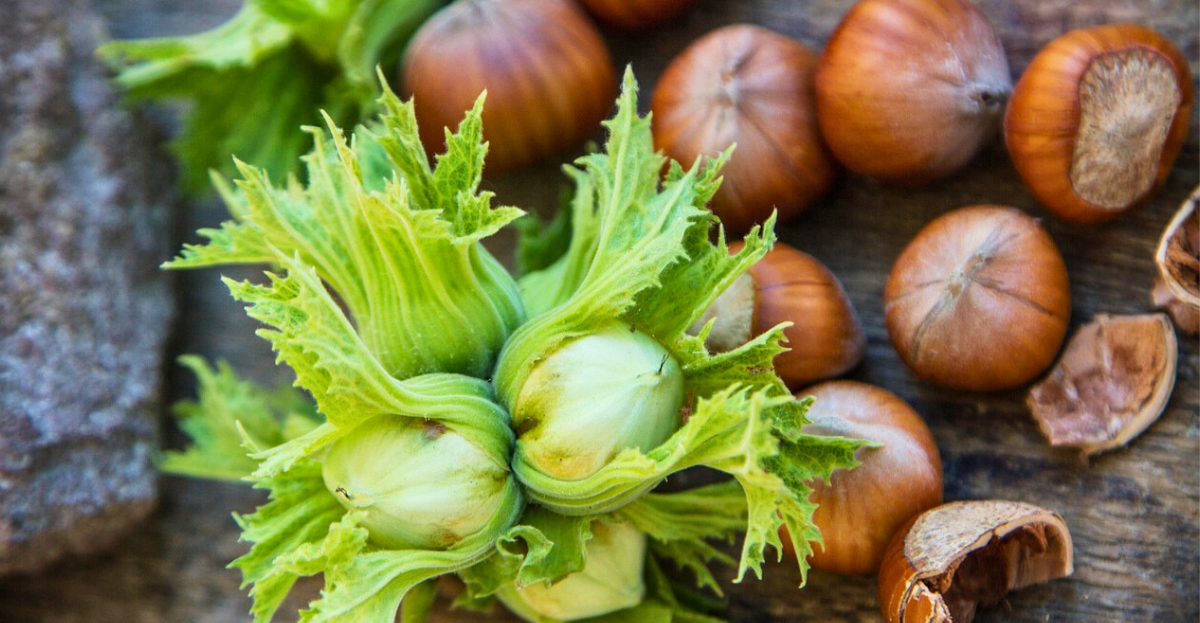
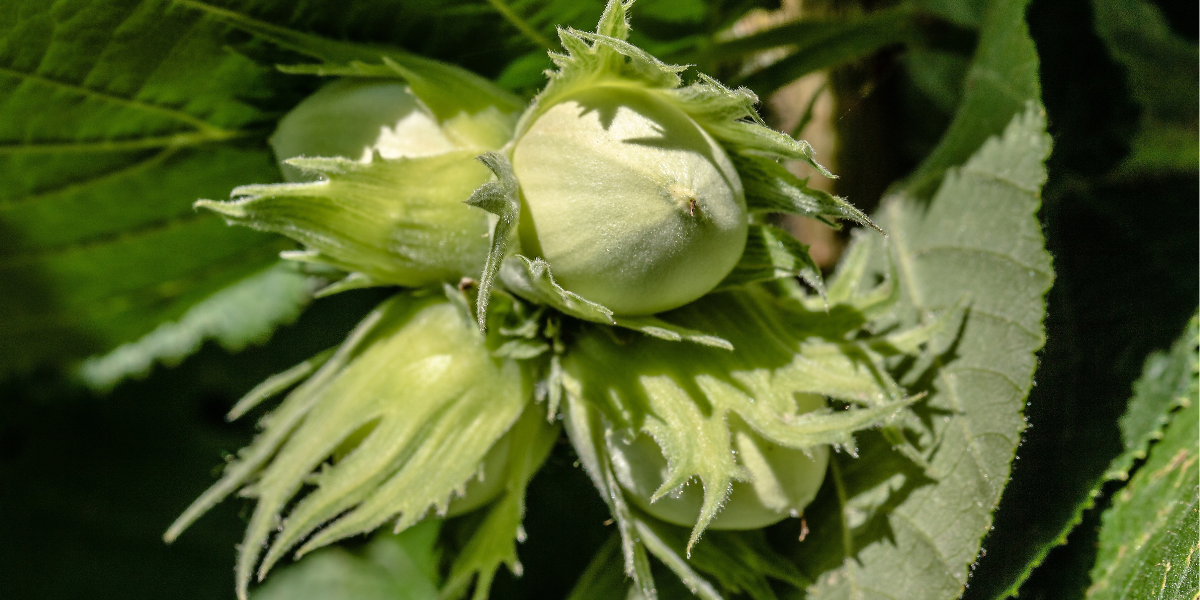
6. Hazelnuts (Corylus avellana)
August marks the beginning of hazelnut season. Although many are still green, they begin to ripen towards the end of the month.Where to find them
Woodland edges, mixed hedgerows and coppiced woodland.
What to pick
Clusters of healthy nuts inside their leafy husks. If squirrels have already found them, don't be surprised if supplies disappear quickly!
How to use them
- Roast for a healthy snack
- Homemade granola
- Cakes and biscuits
- Nut butter
- Sprinkle over salads
Hazelnuts are packed with healthy fats, protein, vitamin E, magnesium and fibre, making them an excellent energy-boosting food.
Homemade Hazelnut Granola
Ingredients
- 250g rolled oats
- 100g hazelnuts, roughly chopped
- 50g pumpkin or sunflower seeds (optional)
- 2 tbsp maple syrup or honey
- 2 tbs melted coconut oil or vegetable oil
- 1 tsp vanilla extract
- 1 tsp ground cinnamon
- Pinch of sea salt
- 50g dried fruit (optional, add after baking)
Method
Preheat the oven to 160°C (140°C fan)- Mix the oats, hazelnuts, seeds, cinnamon and salt in a large bowl.
- Stir together the maple syrup, oil and vanilla, then pour over the dry ingredients and mix well until evenly coated.
- Spread onto a lined baking tray and bake for 20–25 minutes,
- stirring halfway through, until golden.
- Leave to cool completely before stirring in any dried fruit. Store in an airtight jar for up to 3 weeks.
Enjoy with yoghurt and fresh berries, sprinkle over stewed fruit, or simply serve with milk for a delicious homemade breakfast.
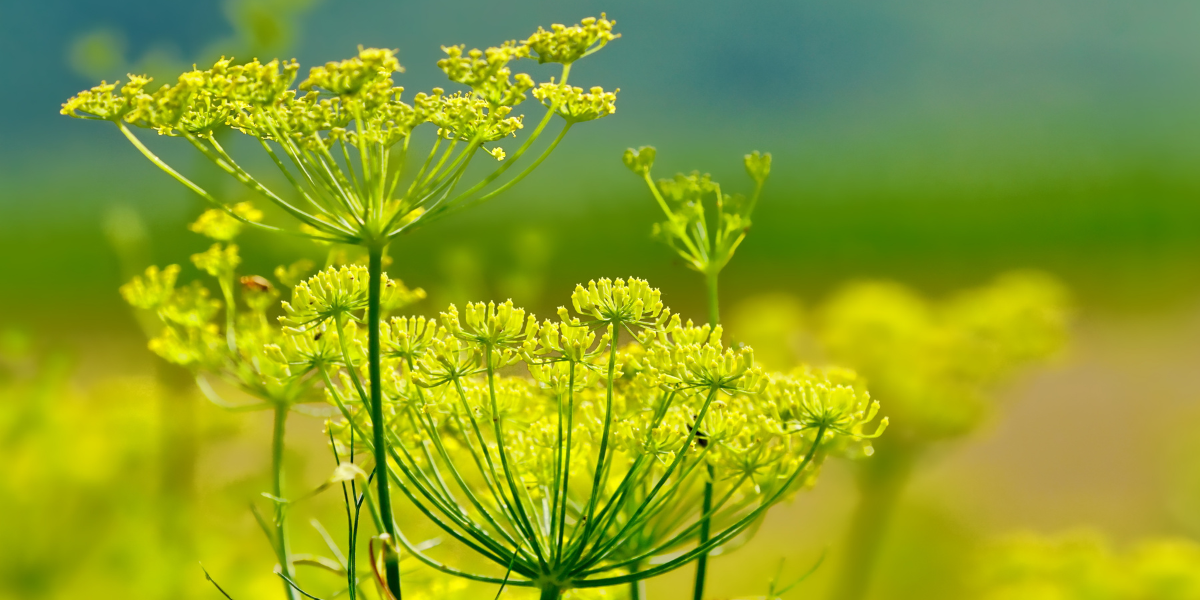
7. Fennel
Wild fennel reaches its peak during late summer, filling the air with its distinctive aniseed aroma.Where to find it
Coastal paths, sunny banks, roadside verges and dry grassland.
What to pick
Feathery leaves and, later in the season, seeds.
How to use it
- Fish dishes
- Homemade pickles
- Herb butter
- Salads
- Bread recipes
Fennel has traditionally been used to support healthy digestion and contains potassium, calcium and vitamin C.
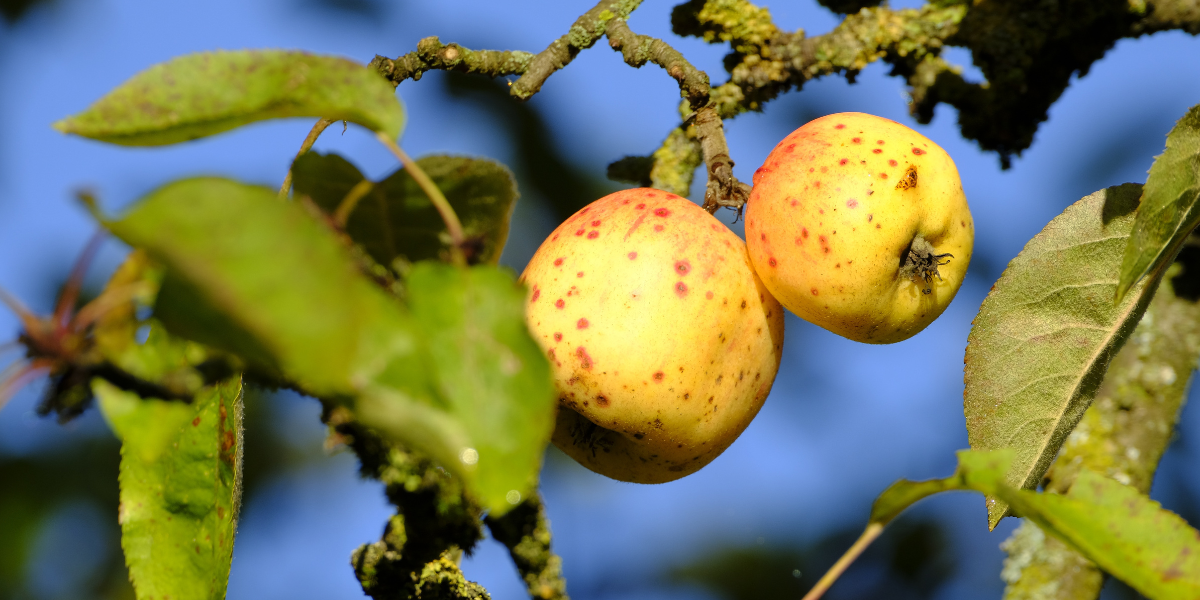
8. Wild Apples
Many old apple trees begin dropping fruit during August.Where to find them
Old orchards, village greens, parks and hedgerows.
What to pick
Firm fruit with no signs of rot. Windfalls can be suitable if they are undamaged and used promptly.
How to use them
- Apple sauce
- Crumbles
- Cider vinegar
- Chutney
- Juice
Apples provide fibre, vitamin C and beneficial plant compounds that contribute to gut health.
Preserving Your August Harvest
One of the joys of August foraging is making the most of nature's abundance before autumn arrives. Many wild foods can be enjoyed immediately, but preserving them allows you to enjoy the flavours of summer throughout the year.Some simple ways to preserve your finds include:
- Freezing berries for winter desserts and smoothies.
- Drying herbs such as marjoram for use in cooking.
- Making jams and jellies from blackberries and plums.
- Infusing vinegars with berries and herbs.
- Creating homemade syrups and cordials.
- Preparing flavoured salts using dried herbs.
Foraging with Children
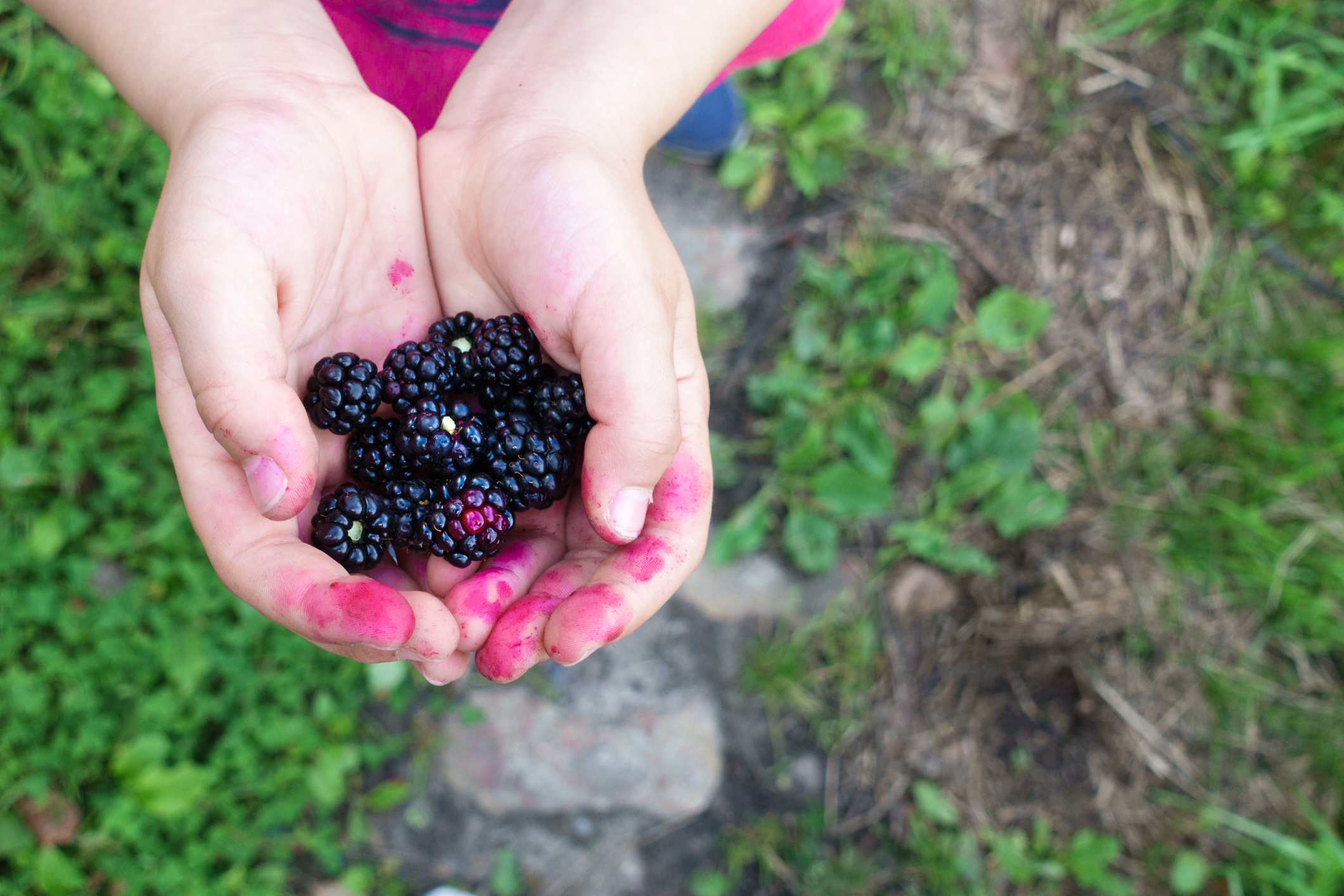
August is one of the best months to introduce children to foraging. Colourful berries, interesting seed heads and fragrant herbs encourage curiosity and help young people connect with nature.
Try turning your walk into a nature treasure hunt by seeing if they can spot:
- A blackberry bush.
- A hazel tree.
- A butterfly feeding on wild marjoram.
- A rosehip beginning to change colour.
- Different leaf shapes and seed heads.
Happy Foraging!
August is a wonderful reminder of just how generous nature can be. Whether you're filling a basket with juicy blackberries, collecting fragrant herbs for the kitchen or simply learning to recognise the plants growing around you, every outing is an opportunity to discover something new.
Take your time, enjoy the changing landscape, and remember that responsible foraging helps protect these valuable habitats for future generations. Happy foraging!
Non Member Newsletter Signup

National Society of Allotment & Leisure Gardeners Ltd
Registered in 1930 under the Industrial & Provident Societies Acts no. 11144R
VAT No. 1212930 14
Patron His Majesty King Charles III
© 2022-2023 National Society of Allotment & Leisure Gardeners Ltd