What to Do With an Apple Glut – 10 Easy Allotment Apple Recipes
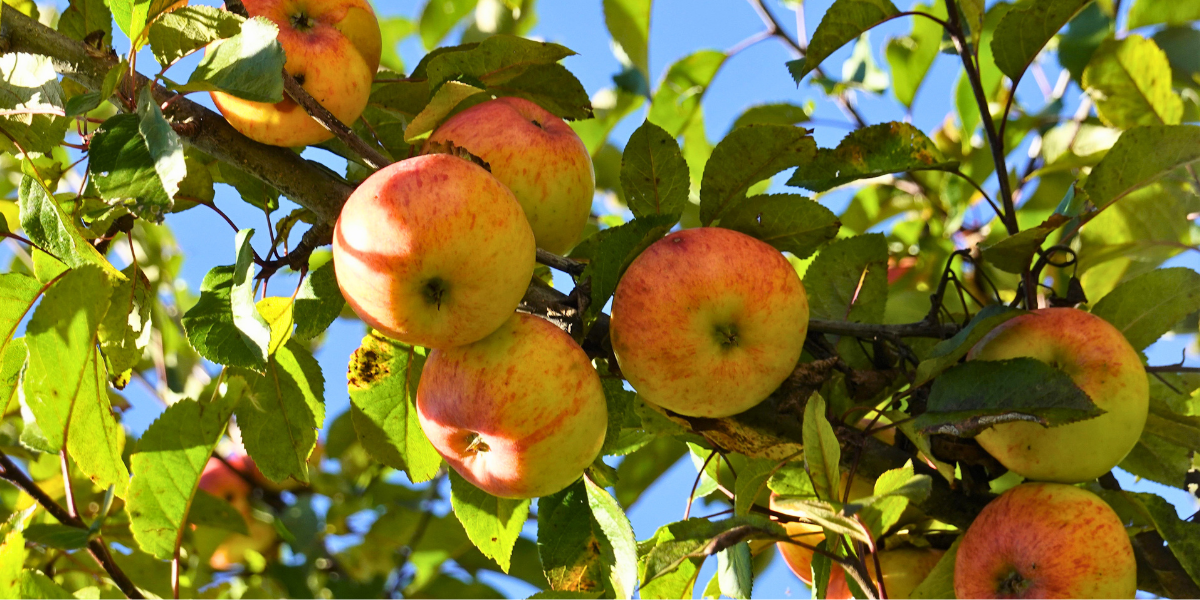
Apple season is here, and for anyone lucky enough to have a productive tree, that can mean rather more than an apple a day. From crumbles and chutneys to soups, cakes and preserves, there are plenty of delicious ways to make the most of your allotment harvest.

September and October are wonderful months for British apples. Across allotments, gardens and community orchards, trees can be laden with fruit, leaving many growers with the happy problem of deciding what to do with it all.
Some apples will store beautifully for months, while others are best eaten or cooked fairly quickly. And although there is nothing wrong with a good apple crumble, there is much more you can do with a generous harvest.
Here are 10 ideas for turning your allotment apples into something delicious – plus a few ways to make sure even the ones that don't reach the kitchen don't go to waste.
First – Know Your Apples
Not all apples behave in the same way in the kitchen. Cooking varieties such as Bramley soften when heated, making them particularly good for pies, crumbles and sauces. Eating apples tend to retain more of their shape and can bring additional sweetness to recipes.If you don't know the variety growing on your plot, don't worry. Taste one. A particularly sharp apple will probably benefit from cooking and a little sweetness, while a crisp, sweet apple can work well in salads, cakes and chutneys.
And don't dismiss imperfect fruit. Windfalls and apples with marks or bruises can often still be used once any damaged sections have been cut away. Discard fruit that is rotten or mouldy.
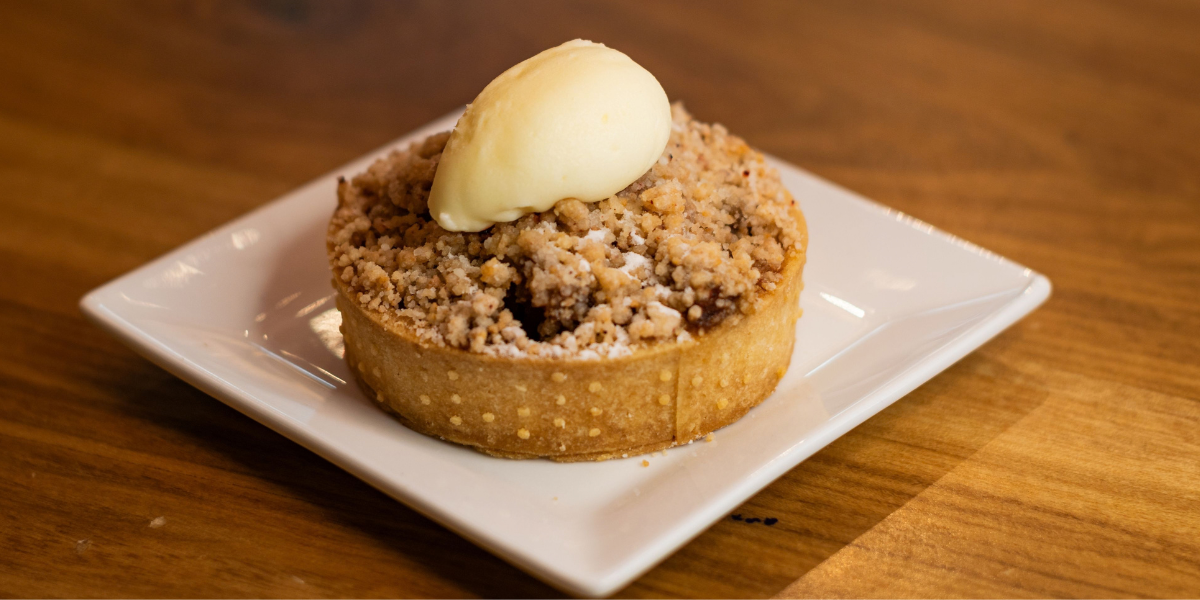
1. Apple, Blackberry and Oat Crumble
Two allotment and hedgerow favourites come together in this simple autumn pudding.You will need:
- 500g apples, peeled, cored and sliced
- 200g blackberries
- 2 tbsp brown sugar
- ½ tsp cinnamon
- 150g plain flour
- 100g rolled oats
- 100g butter
- 75g brown sugar
- Heat the oven to 190°C/170°C fan.
- Place the apples and blackberries in an ovenproof dish and sprinkle over the sugar and cinnamon.
- Rub the butter into the flour until it resembles breadcrumbs, then stir through the oats and brown sugar.
- Scatter the mixture over the fruit and bake for around 35–40 minutes, until golden and bubbling.
- Serve warm – with custard if you're feeling traditional.
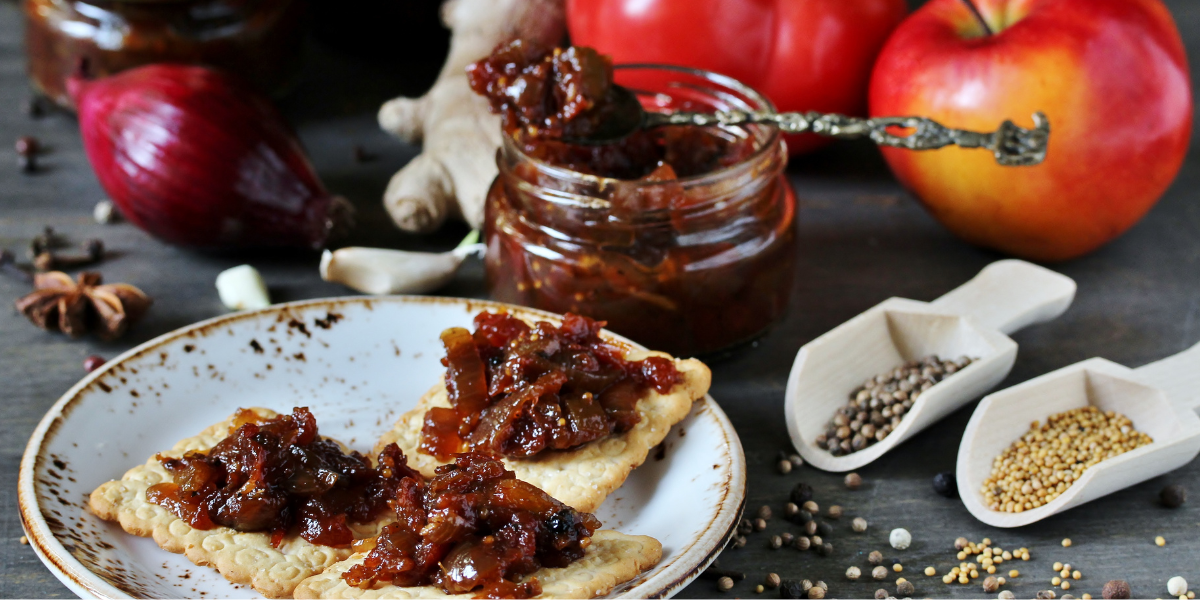
2. Apple and Tomato Chutney
If September has left you with both apples and the last of the tomato crop, this is a useful way of dealing with two gluts at once.You will need:
- 500g apples, peeled, cored and chopped
- 500g tomatoes, chopped
- 250g onions, finely chopped
- 200g brown sugar
- 300ml cider vinegar
- 100g raisins or sultanas
- 1 tsp ground ginger
- 1 tsp mustard seeds
- Put all the ingredients into a large, heavy-based saucepan.
- Bring gently to the boil, stirring until the sugar has dissolved. Reduce the heat and simmer uncovered for around 1½ hours, stirring regularly, until thick.
- Spoon into clean, sterilised jars while hot and seal.
- Allowing the chutney time to mature before opening will help the flavours develop.
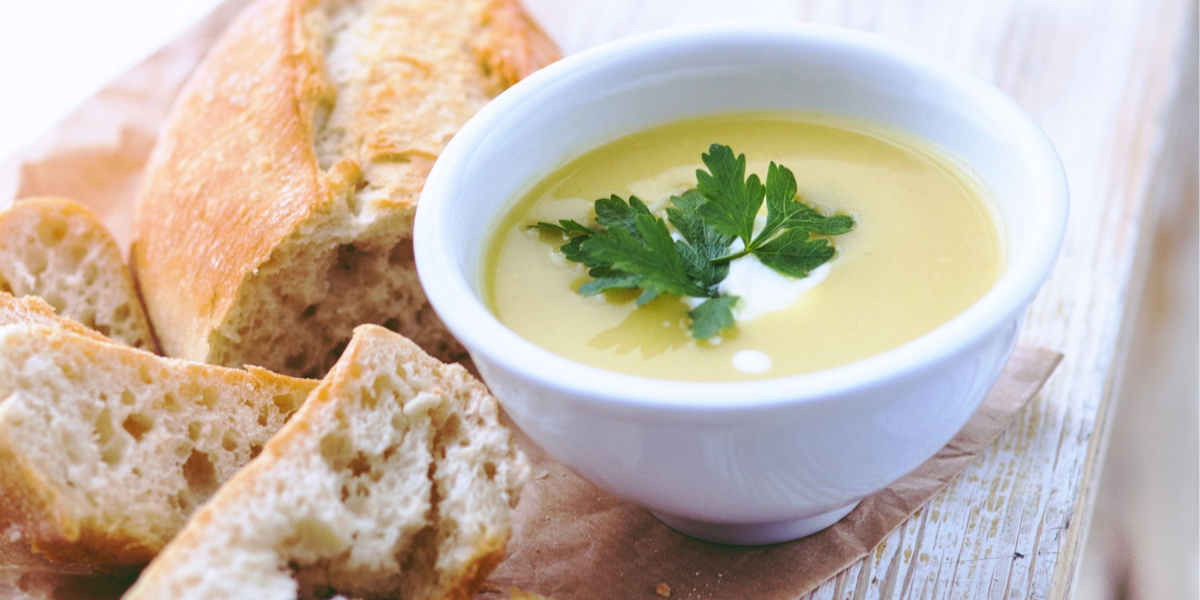
3. Warming Apple and Parsnip Soup
Apples don't have to mean pudding. Their sweetness works surprisingly well with allotment-grown root vegetables.You will need:
- 2 apples
- 500g parsnips
- 1 onion
- 1 litre vegetable stock
- 1 tsp ground cumin
- A little oil
- Black pepper
- Chop the onion, apples and parsnips.
- Gently cook the onion in a little oil for around five minutes. Add the parsnips, apple and cumin and cook for another couple of minutes.
- Add the stock, bring to the boil and simmer for around 20 minutes, or until the parsnips are tender.
- Blend until smooth and season to taste.
- It's an easy autumn lunch and a particularly good way of using apples that are a little past their best for eating raw.
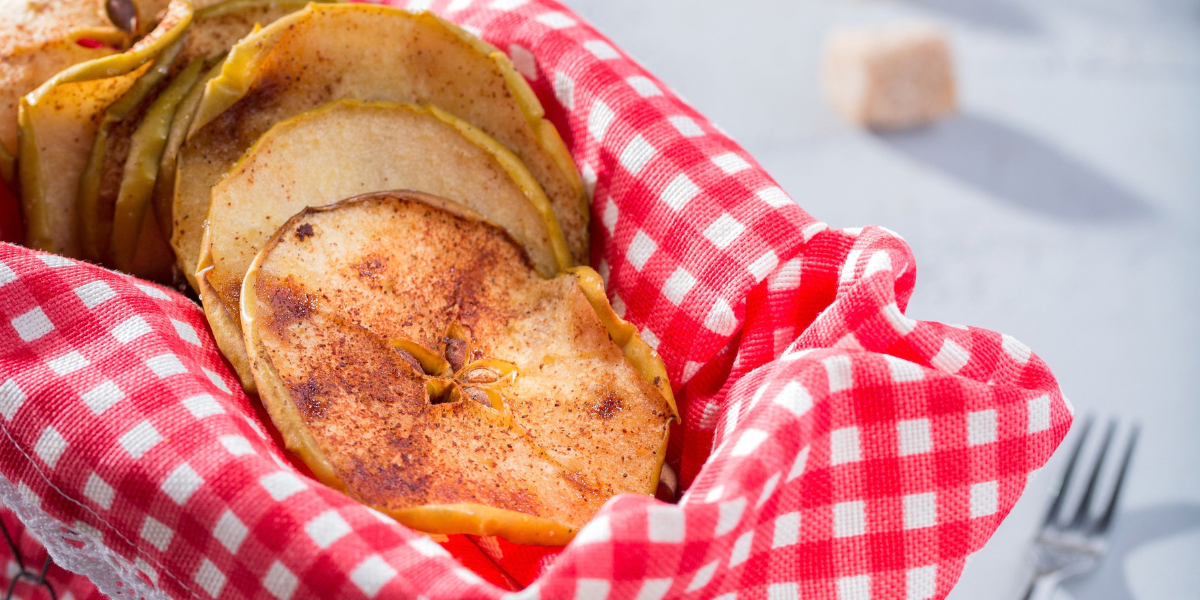
4. Cinnamon Apple Crisps
For something very simple, turn a few apples into a snack.Thinly slice the apples – there's no need to peel them – and arrange them in a single layer on lined baking trays.
Sprinkle lightly with cinnamon and bake at around 120°C/100°C fan for approximately 1½–2 hours, turning halfway through, until dried and crisp.
Cooking time will vary depending on the thickness and juiciness of the apples. Allow them to cool completely before storing in an airtight container.
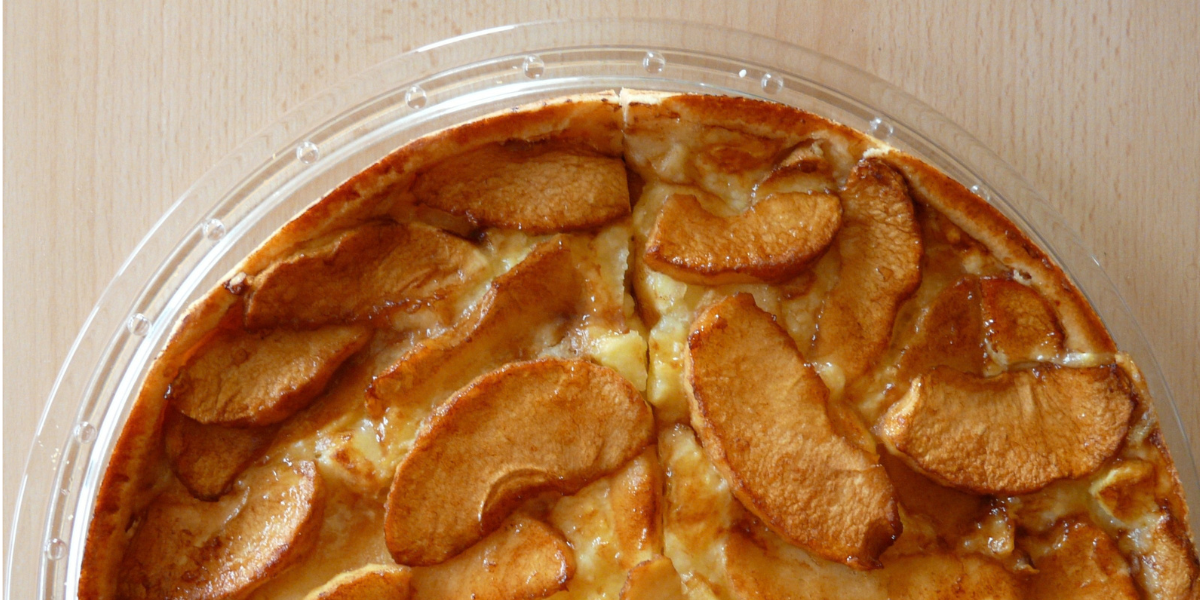
5. Easy Allotment Apple Cake
This is a useful recipe when there are a few apples sitting in the fruit bowl that need using.You will need:
- 225g self-raising flour
- 125g butter, softened
- 125g brown sugar
- 2 eggs
- 3 medium apples, peeled, cored and chopped
- 1 tsp cinnamon
- A splash of milk
- Heat the oven to 180°C/160°C fan and grease and line a 20cm cake tin.
- Cream the butter and sugar together, then beat in the eggs. Fold in the flour and cinnamon.
- Stir through the chopped apple. If the mixture feels particularly stiff, add a splash of milk.
- Spoon into the tin and bake for approximately 40–50 minutes, until golden and a skewer inserted into the centre comes out clean.
6. Apple Sauce for the Freezer
One of the easiest ways to deal with a large quantity of apples is also one of the most useful.Peel, core and roughly chop your apples, put them into a saucepan with a small splash of water and cook gently until soft. Mash or blend depending on the texture you prefer.
You can add sugar to taste, but leaving the sauce unsweetened makes it much more versatile.
Freeze it in small portions and use it throughout winter with roast dinners, porridge and yoghurt, or in cakes and puddings.
.jpg)
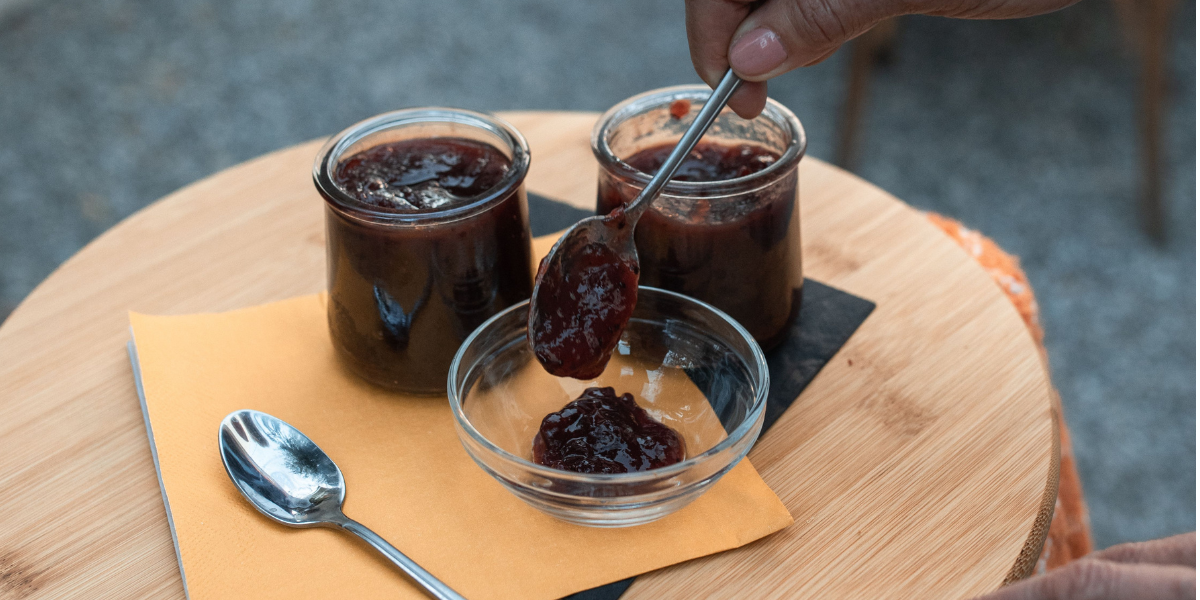
7. Apple and Blackberry Jam
Apples are naturally high in pectin, which makes them particularly useful for homemade jams. Combined with blackberries, they make a lovely seasonal preserve.You will need:
- 500g apples, peeled, cored and chopped
- 500g blackberries
- 750g granulated sugar
- Juice of 1 lemon
- 150ml water
- Put the apples, blackberries and water into a large pan and simmer gently until the fruit is soft.
- Add the lemon juice and sugar and stir over a low heat until the sugar has completely dissolved.
- Bring to a rolling boil and cook until the jam reaches setting point.
- Spoon into warm, sterilised jars and seal.
- It's a great way to preserve two abundant autumn crops for later in the year.
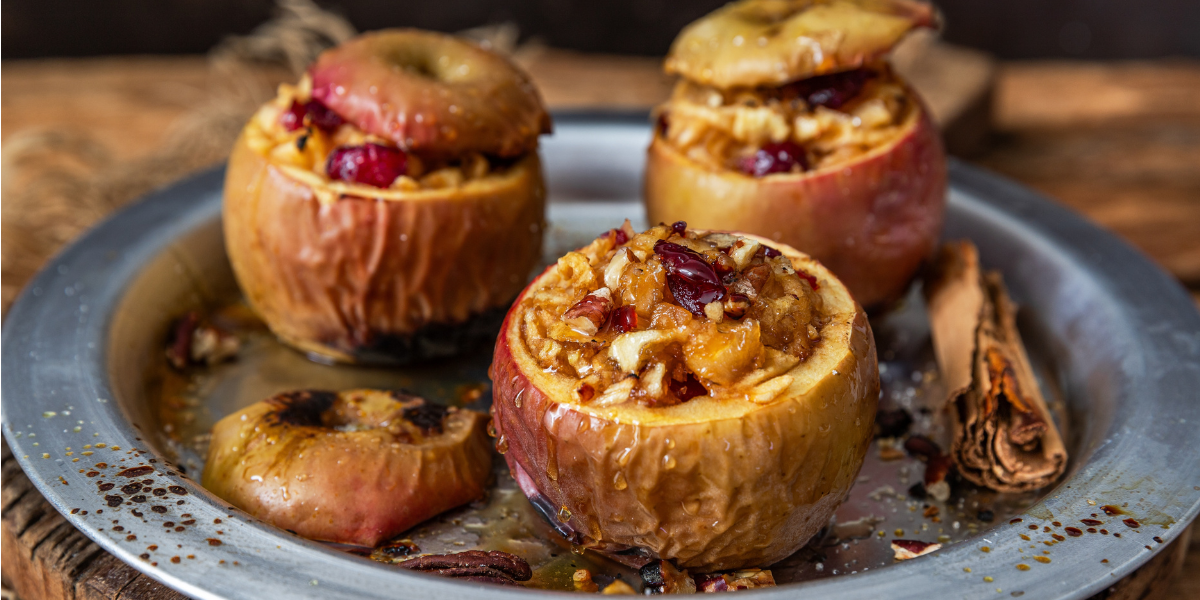
8. Baked Apples with Oats and Honey
For an easy autumn pudding, baked apples require very little preparation and work particularly well with larger eating apples.
You will need:
- 4 apples
- 4 tbsp rolled oats
- 2 tbsp raisins or sultanas
- 1 tsp cinnamon
- 2 tbsp honey
- A small knob of butter for each apple
- Heat the oven to 180°C/160°C fan.
- Core the apples, leaving the base intact. Mix the oats, dried fruit, cinnamon and honey together and spoon into the centre of each apple.
- Top each with a small knob of butter and place in an ovenproof dish with a splash of water.
- Bake for around 25–35 minutes, depending on the size and variety of apple, until tender.
- Serve warm on their own or with yoghurt, cream or custard.
9. Apple and Beetroot Slaw
If you're looking for something fresh rather than another sweet apple recipe, this colourful slaw combines several crops that may be plentiful on the plot at this time of year.You will need:
- 2 crisp eating apples
- 2 raw beetroot
- 2 carrots
- ¼ red cabbage
- Juice of 1 lemon
- 2 tbsp natural yoghurt
- 1 tsp wholegrain mustard
- Black pepper
- Grate the apples, beetroot and carrots and finely shred the cabbage.
- Mix the yoghurt, lemon juice and mustard together and toss through the vegetables and apple.
- Season with black pepper and serve straight away.
- It's particularly good alongside baked potatoes, salads or sandwiches and is an easy way to use several allotment crops in one dish.

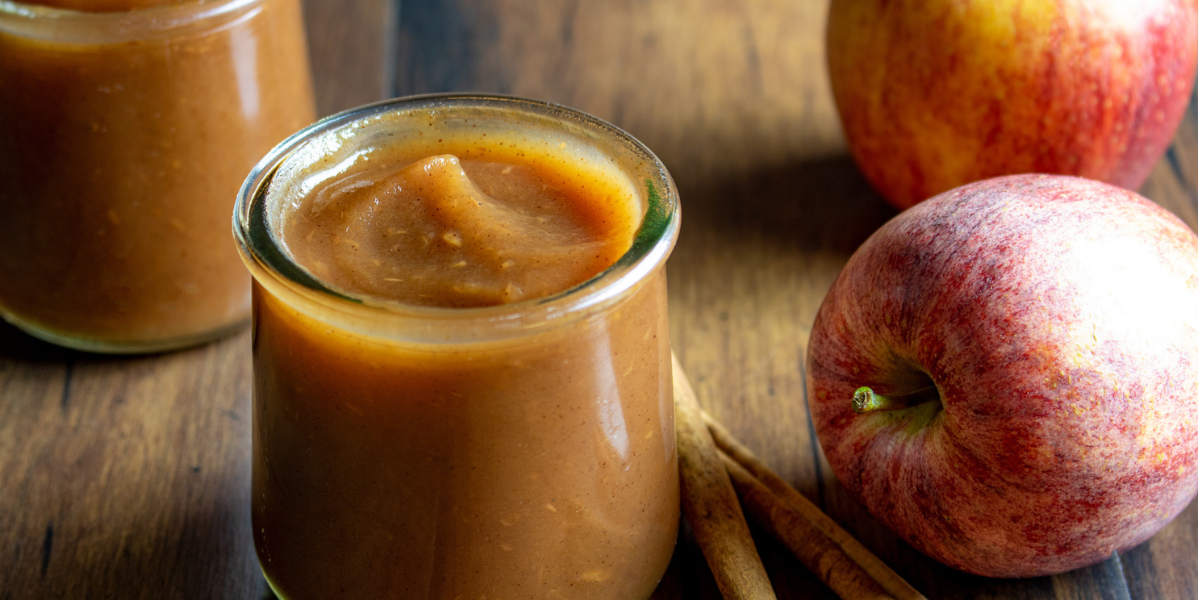
10. Homemade Apple Butter
Despite the name, there's no butter involved. Apple butter is simply apples cooked slowly until they become a rich, concentrated spread.You will need:
1kg apples, peeled, cored and chopped
150ml water
100g brown sugar
1 tsp cinnamon
½ tsp mixed spice
Juice of half a lemon
Method:
- Place the apples and water in a saucepan and cook gently until completely soft.
- Blend until smooth, then return to the pan with the sugar, spices and lemon juice.
- Cook over a very low heat, stirring regularly, until the mixture has reduced to a thick, dark spread.
- Once cooled, keep refrigerated and use on toast, porridge or pancakes, or serve alongside cheese.
Don't Forget to Store Some
You don't necessarily need to cook everything immediately.
Sound, undamaged later-season apples can often be stored for weeks or even months. Choose fruit without bruises, cuts or signs of rot and avoid washing it before storage.
Keep apples somewhere cool, dark and well ventilated, ideally arranged so that individual fruits aren't touching. Check them regularly and remove any that begin to deteriorate.
If you have more than you could possibly eat, cook or store, sharing your harvest with fellow plot-holders, friends and neighbours, or a local community food project, is another good way to prevent surplus produce going to waste.
And What About the Apples You Can't Eat?
Add them to the compost heap.
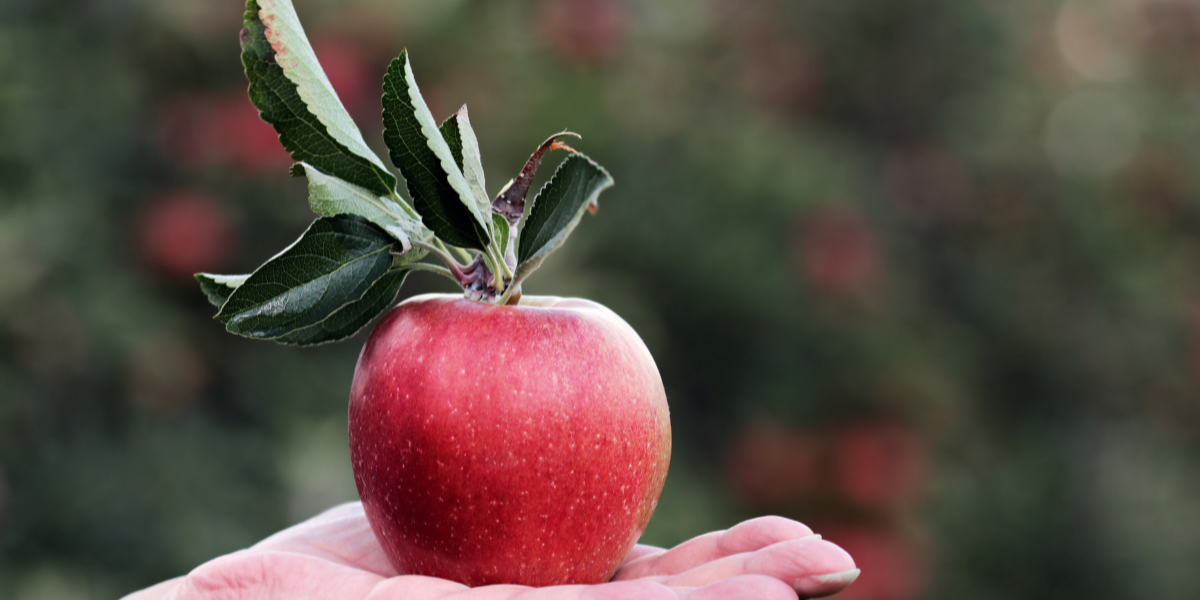
Apples can be composted, although if you have a large quantity, add them gradually and mix them with plenty of dry, carbon-rich material such as shredded cardboard, dry leaves or woody prunings. Chopping or crushing them first will help them break down more quickly. Even the peelings and cores produced while making these recipes can go onto the compost heap, helping to turn this year's apple harvest into compost that can feed the plot in the future.
Don't leave piles of windfalls beneath the tree.
Regularly collecting fallen fruit helps keep the plot tidy and can also reduce opportunities for pests and diseases to persist around your fruit trees.
Be careful with diseased fruit.
Fruit showing signs of significant disease is best dealt with according to the disease concerned rather than automatically adding it to your home compost heap.
From Plot to Plate – and Back to the Plot
Growing your own fruit comes with plenty of anticipation. We prune, feed and watch the blossom appear, hope the pollinators do their work and then wait months for the harvest.
So when the branches are finally heavy with apples, it seems a shame for any of that effort to go to waste.
Whether yours end up bubbling beneath a crumble topping, simmering in a chutney pan, transformed into jam or apple butter, stored away for winter, shared with others or eventually returned to the plot through the compost heap, there are plenty of ways to make the most of one of the allotment's great autumn harvests.
Join The National Allotment Society
Become a National Allotment Society member and help to preserve and protect allotments for future generations.
You'll also gain a range of benefits, including free liability insurance, initial legal support, expert advice and much more.Non Member Newsletter Signup

National Society of Allotment & Leisure Gardeners Ltd
Registered in 1930 under the Industrial & Provident Societies Acts no. 11144R
VAT No. 1212930 14
Patron His Majesty King Charles III
© 2022-2023 National Society of Allotment & Leisure Gardeners Ltd