Celebrating Why Allotments Are Good for Us
National Allotments Week is a chance to celebrate allotments, the people who cultivate them and the enormous contribution these precious growing spaces make to communities across the country.
And this year, one message has come through particularly strongly:
allotments are good for us.
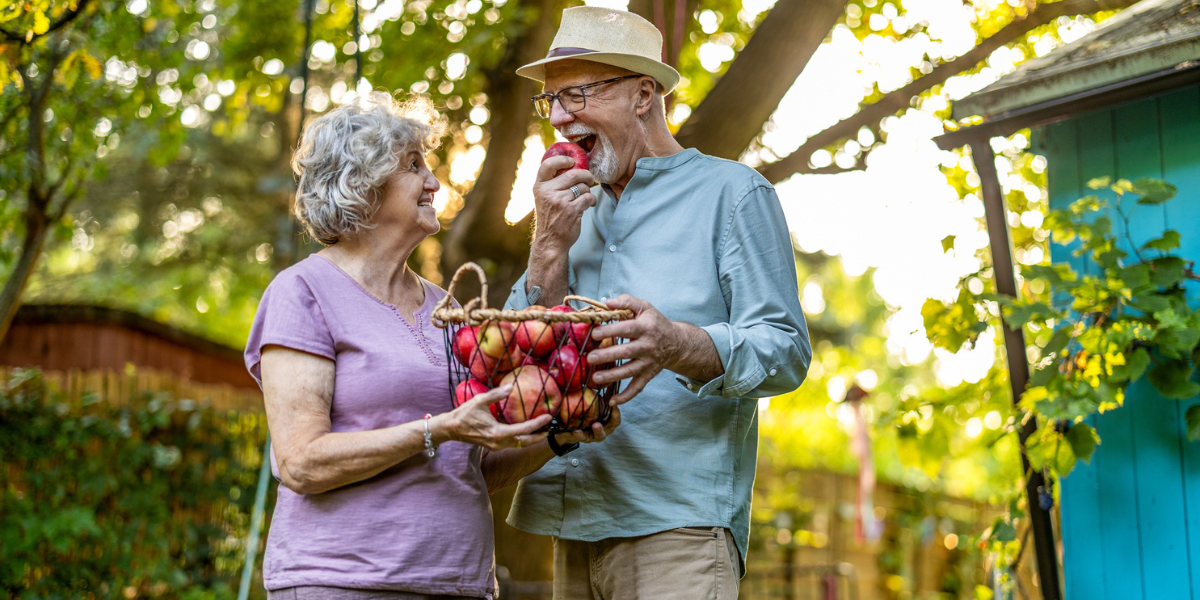
Increasing Awareness
We've seen a fantastic amount of enthusiasm surrounding National Allotments Week, from young people getting involved with our Youth Ambassador competition
to the huge response to our quote competition.
Reading through the entries has been a wonderful reminder of just how much passion there is for allotments – and how much they give back to the people who cultivate them.
Of course, allotments are first and foremost about growing food.
They're about sowing a seed, tending it and eventually experiencing the enormous satisfaction of taking home something you've grown yourself.
As one entrant simply put it,
“Homegrown always tastes better than from the supermarket.”
But when we asked people to tell us about their biggest learning from having an allotment, their answers revealed that the harvest extends far beyond fruit and vegetables
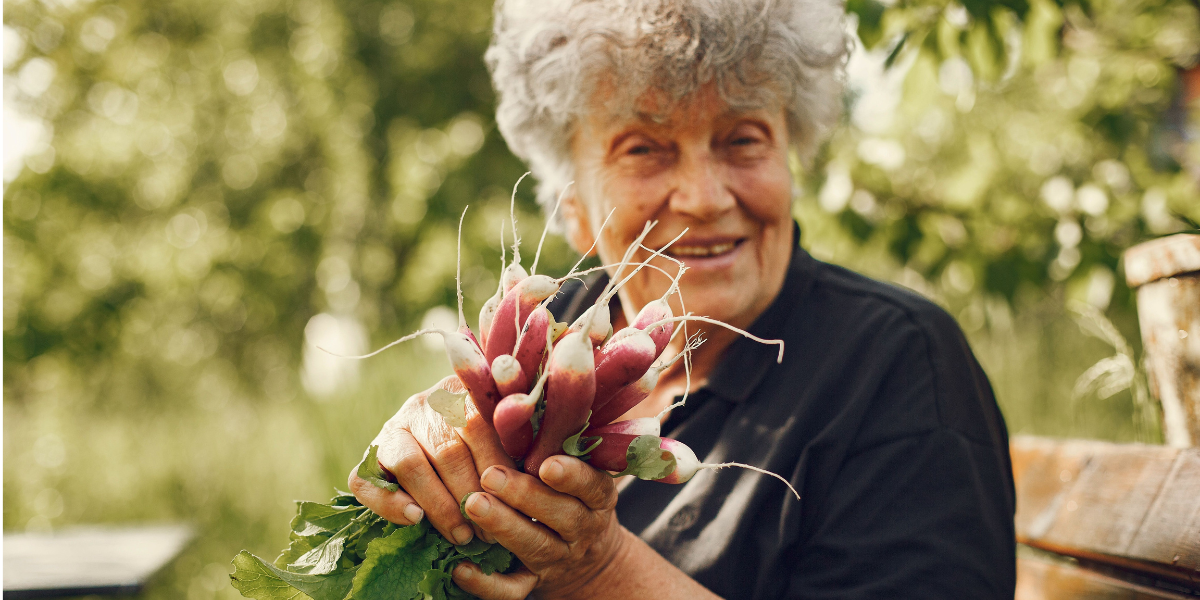
Good for our physical health
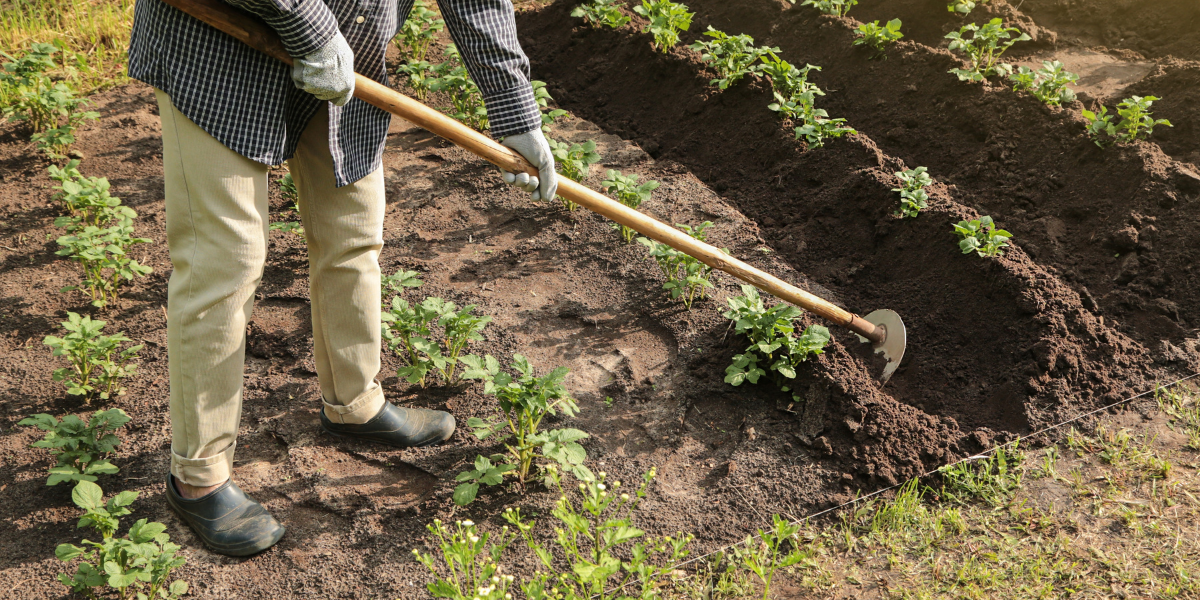
Anyone who has spent a few hours on an allotment knows that growing your own food can be hard physical work.Digging, planting, weeding, watering, carrying watering cans, pushing wheelbarrows and harvesting all keep us moving. It is physical activity with a purpose – and often we don't realise quite how much exercise we're getting while we're doing it.
One entrant joked that having an allotment is
“cheaper than a gym membership but just as good for a workout”
– with the added advantage that you can eat the results afterwards.
Then there is the produce itself. Growing your own fruit and vegetables can encourage us to eat more fresh, seasonal food and experiment with crops we might otherwise never try.
One entrant told us that growing their own had encouraged them to eat vegetables they previously wouldn't have touched, as well as trying crops such as cucamelons, purple potatoes and chickpeas.
Fresh air, physical activity and fresh food – allotments give us all three.
Good for our mental wellbeing
Again and again, people told us about the peace, calm and sense of fulfilment they find on their allotments.
There is something very grounding about having a practical job to do. There is always a seed to sow, a bed to weed, plants to water or something ready to harvest.
Growing also makes us work at nature's pace. Seeds take time to germinate, plants take time to grow and harvests cannot be hurried.
One entrant described discovering how much joy nature can bring, offering
“peace, calm, and a real sense of fulfilment.”
Of course, allotments aren't always peaceful. There are weeds, pests, unpredictable weather and crops that inexplicably refuse to grow.
But perhaps that's part of their value too.
You learn to adapt, try again and accept that not everything is within your control. Words such as patience, perseverance, resilience and optimism
appeared again and again in the responses we received.
One entrant summed it up perfectly:
“While you work on your Allotment, your Allotment works on you.”
Good for food security
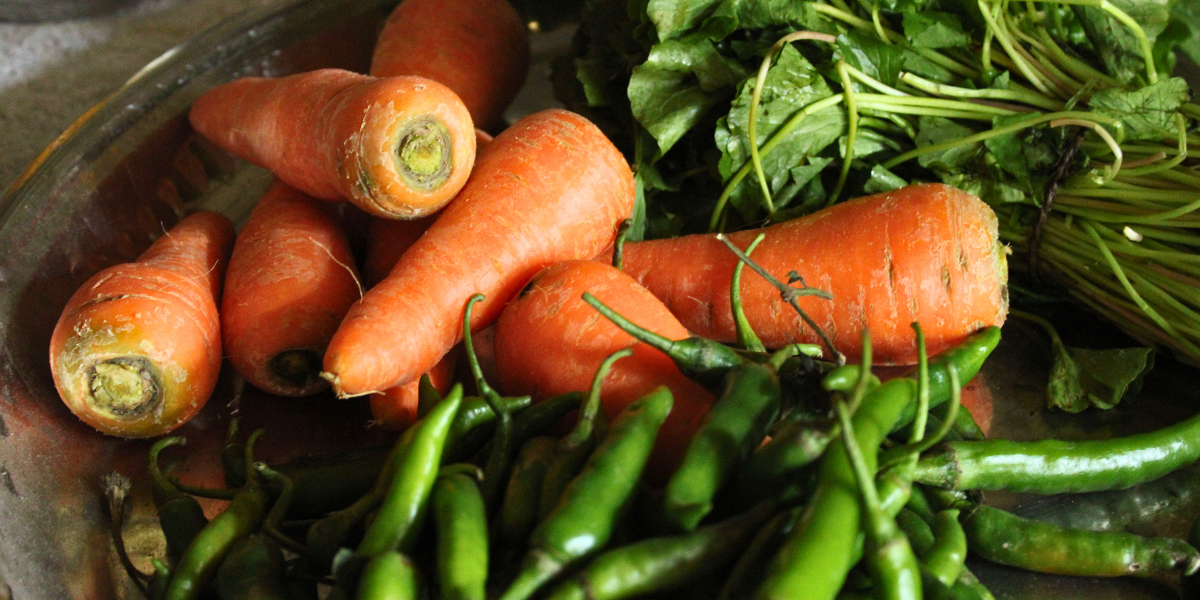
Allotments also have an important role to play in local food security and resilience.At their heart, allotments are productive spaces. They give people access to land where they can grow fresh fruit, vegetables and herbs for themselves and their families.
But their importance goes beyond the amount of produce harvested from an individual plot. Allotments keep food-growing skills and knowledge alive.
They teach people how to sow seeds, improve soil, make compost, conserve water, recognise pests, work with the seasons and adapt to changing growing conditions.
At a time when food security and the resilience of our food system are increasingly important, retaining land where people can grow food – and communities where the knowledge of how to grow it can be passed on – is incredibly valuable.
There is also an informal food-sharing network on almost every allotment site. Gluts of beans, courgettes, tomatoes and apples rarely stay on one plot for long. Produce, plants and seeds are shared with neighbours, friends and family.
The harvest from an allotment can reach much further than the allotment holder's own kitchen.
Allotments teach us
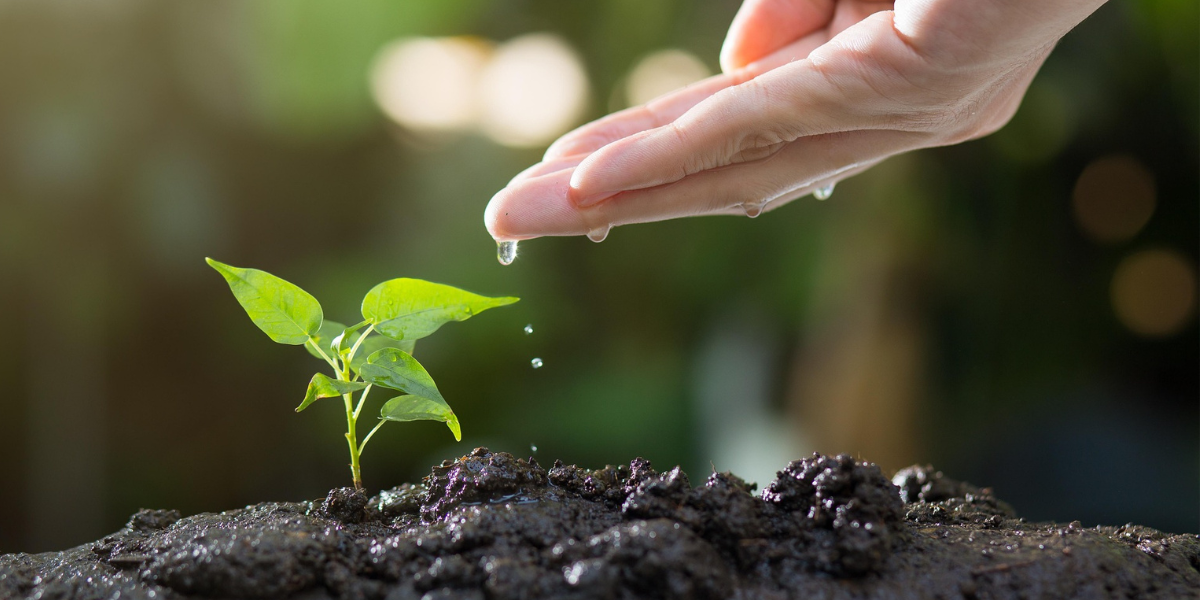
If there was one lesson that appeared more than almost any other in our competition, it was patience.
You cannot hurry a seed. You cannot control the weather. And sometimes you can do everything correctly and still not get the harvest you hoped for.
But allotmenteers are an optimistic bunch. There is always another packet of seeds, another crop to try and another growing season ahead.
One entrant described finding both achievement and valuable lessons on their plot – from harvesting their first perfect, sun-ripened tomatoes to learning from nature and trying to do things better the following year.
Another captured it beautifully:
“Every seed grows more than a plant, and the biggest harvest isn’t always what you carry home.”
Whether someone has cultivated an allotment for six months or sixty years, there is always something new to learn.
Good for our communities
Another theme that came through incredibly strongly was community.
Allotments bring together people who might otherwise never meet. People of different ages, backgrounds and nationalities grow alongside one another, bringing different crops, ideas, experiences and growing traditions with them.
Knowledge passes over allotment fences and along pathways. It might be advice about when to sow a particular crop, a tip about the soil on that particular site, a few spare seedlings or simply encouragement when something hasn't gone quite according to plan.
One entrant described how growing:
“unites people, creates a community of practice and is a place where young and old learn from other.”
Another said that plot holders have a wealth of knowledge and are delighted to pass it on.
That exchange of knowledge, experience and friendship is one of the less visible but incredibly valuable harvests of allotment life.
.png)
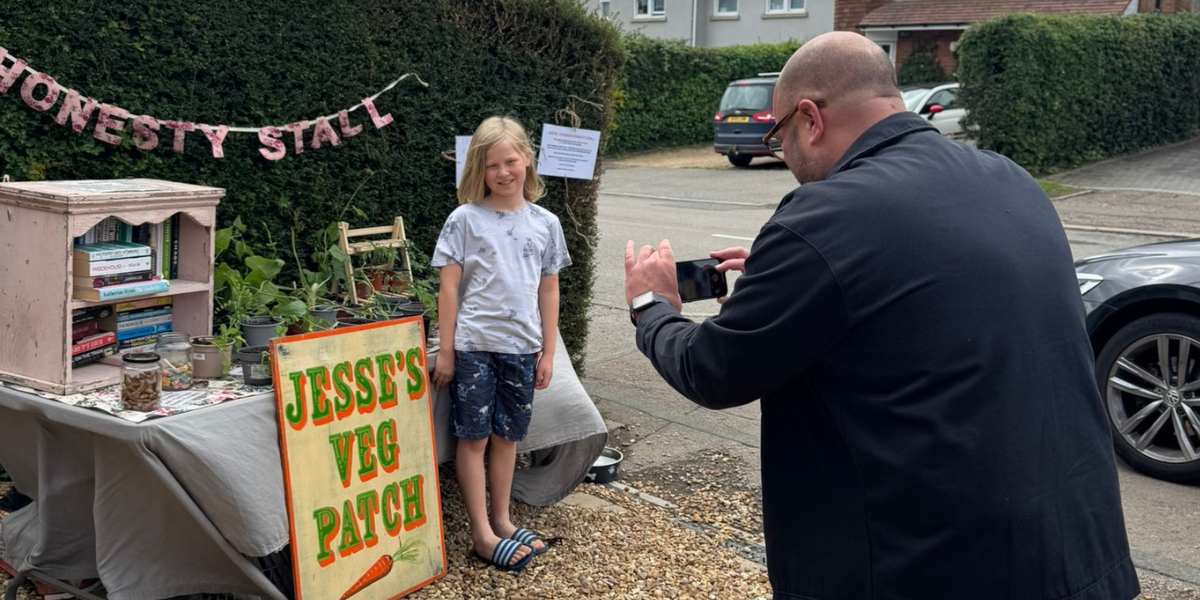
Growing the next generation
The interest we've seen from young people through our
Youth Ambassador competition has been particularly encouraging.
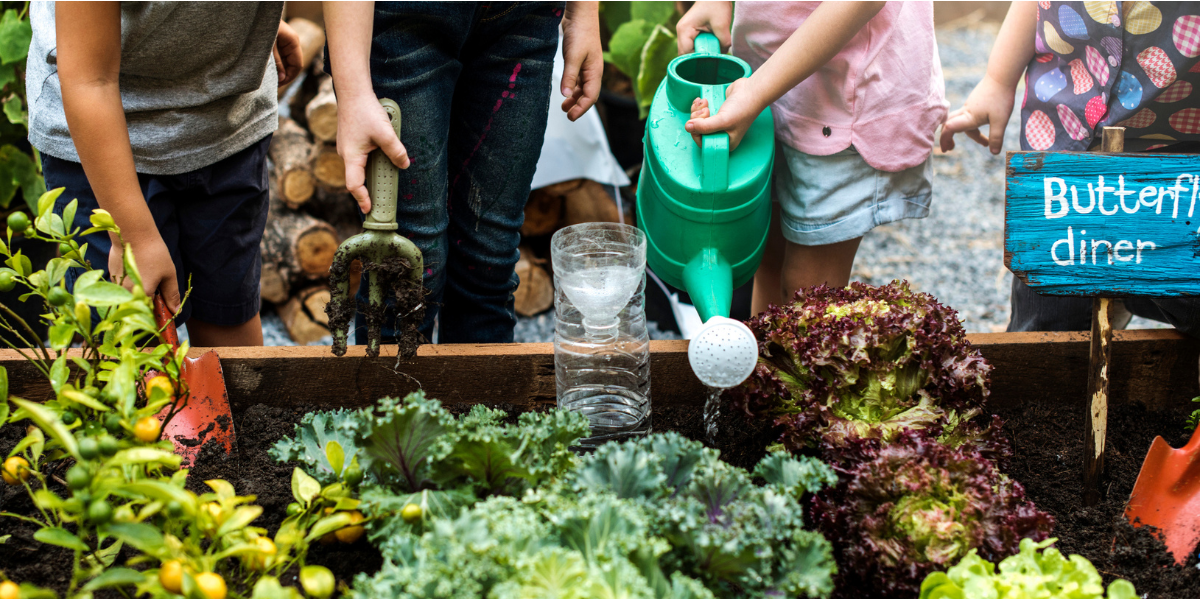
If allotments are to thrive for generations to come, we need young people to have opportunities to discover the satisfaction of growing.
Growing food gives children and young people an understanding of where their food actually comes from. They discover that producing a carrot, strawberry or tomato requires soil, water, weather, patience and work.
And there is something magical about putting a seed into the soil, watching the first shoot appear and eventually being able to eat something you have grown yourself.
One of our competition entries put it simply:
“If you want your children to like vegetables, let them grow them!”
Another reflected that teaching children to grow their own food today is
“planting seeds for a healthier tomorrow.”
Encouraging young growers isn't simply about ensuring there will be people to cultivate allotments in the future. It's about passing on practical food-growing skills, knowledge and an appreciation of where our food comes from.
So why are allotments good for us?
Perhaps that's what has been most striking about the response we've received during National Allotments Week.
Ask hundreds of allotmenteers what their plots have taught them and you'll receive hundreds of different answers.There are practical lessons about soil, sowing and watering. There are stories of failed crops and triumphant harvests. There are battles with weeds, slugs and unpredictable weather – and plenty of warnings about planting too many courgettes.
But underneath them, the same themes keep appearing.
Food. Physical health. Mental wellbeing. Patience. Resilience. Friendship. Knowledge. Community.
One entrant captured it beautifully:
“You don't just grow fruit and veg, you grow patience, resilience, friendships and a stronger community.”
That is why allotments continue to matter.
They are productive spaces where fresh food is grown and valuable skills are kept alive. They encourage physical activity, support mental wellbeing, bring different generations and communities together and give people a closer connection with their food and the natural world.
They can also play their part in creating a more resilient local food system by protecting growing space and, just as importantly, protecting the knowledge and skills needed to use it.
We go to our allotments to grow fruit and vegetables. But somewhere between sowing the seeds and harvesting the crops, allotments help to grow healthier people, stronger communities and a more resilient connection with our food.
This National Allotments Week, that's something well worth celebrating.
Join The National Allotment Society
Become a National Allotment Society member and help to preserve and protect allotments for future generations.
You'll also gain a range of benefits, including free liability insurance, initial legal support, expert advice, and much more.Non Member Newsletter Signup

National Society of Allotment & Leisure Gardeners Ltd
Registered in 1930 under the Industrial & Provident Societies Acts no. 11144R
VAT No. 1212930 14
Patron His Majesty King Charles III
© 2022-2023 National Society of Allotment & Leisure Gardeners Ltd