Keep Your Allotment Wildlife Friendly While Using Fewer Pesticides
Rising concerns about pesticide use in England have come into sharp focus following a major scientific study and new government guidance on pesticide regulation. While much of the discussion has focused on large-scale farming, the findings are just as relevant to allotment gardeners.
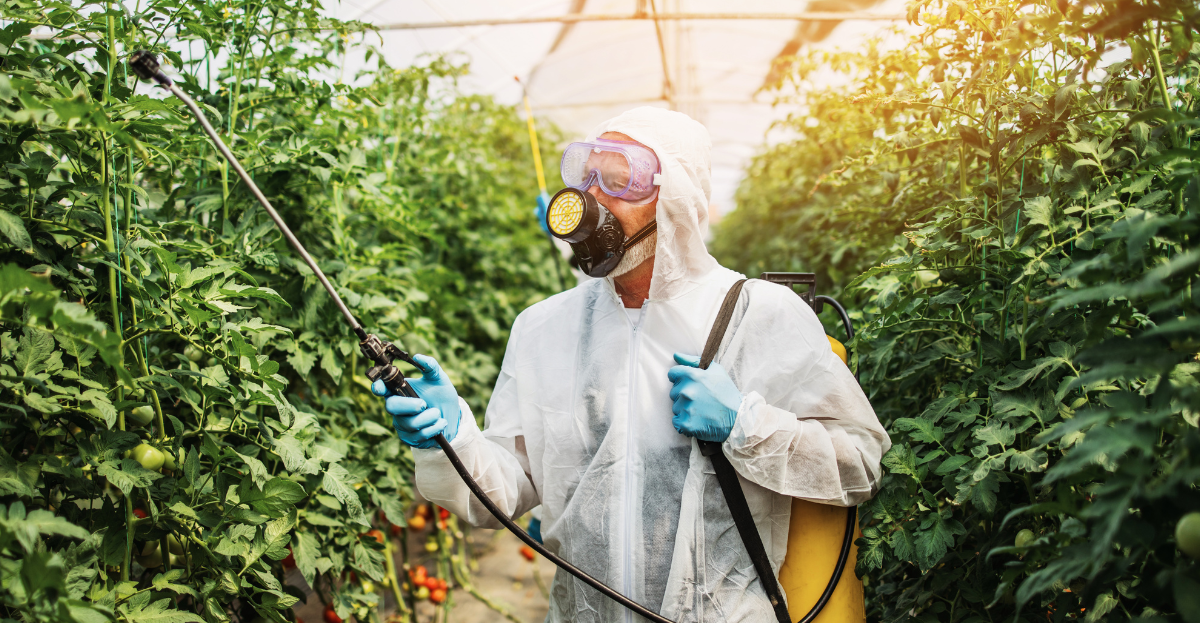
The British Beekeepers Association (BBKA) has highlighted how the choices we make on our plots — whether to use chemicals or not — directly affect pollinators, soil life, and the wider environment that we all rely on. Understanding these impacts can help us grow more sustainably while supporting wildlife and healthy soil.
What prompted the concern?
In late 2025, a large study was published in the scientific journal Environment International looking at how pesticides used across England affect insects and other wildlife that aren’t the intended targets.
Rather than focusing on a single chemical, the researchers examined overall pesticide “risk” — combining how toxic products are, how often they’re used, and where they’re applied. This gave a much clearer picture of how everyday pesticide use can affect nature over time.
What did the study find?
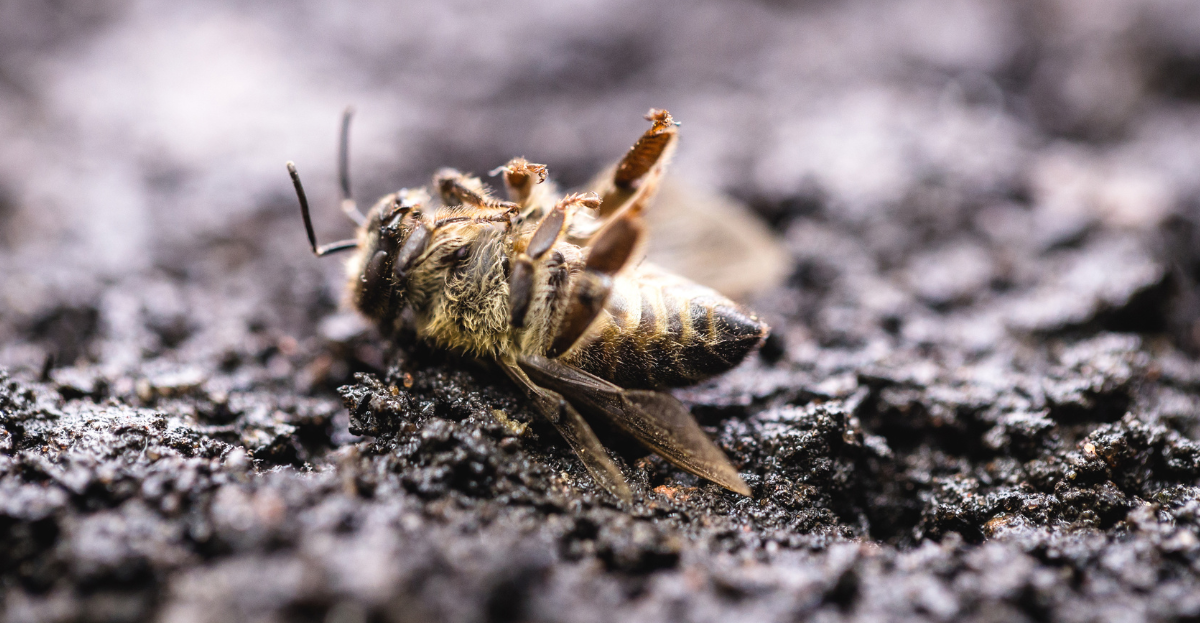
The findings were concerning but also helpful in showing where change is needed:Pesticides don’t just affect pests — they can also harm bees, hoverflies, butterflies, earthworms and other beneficial insects.
Even though some harmful chemicals (like many neonicotinoids) have been restricted, the overall risk to wildlife has only reduced slightly over recent decades.
Different types of products affect different species:
Insecticides pose risks to bees and natural pest predators
Herbicides can affect insects such as lacewings
Fungicides can harm soil organisms like earthworms
These creatures all play vital roles on allotments — pollinating crops, improving soil health, and keeping pests under control naturally.
What has the government done?
In response to growing scientific evidence, the UK Government updated its approach to pesticide use in 2025.One important change involved tighter rules around “emergency authorisations” — temporary permissions that allow banned pesticides to be used in certain situations. New guidance now requires much stronger consideration of the risks to pollinators and other wildlife.
In a notable decision, the government refused an emergency authorisation for a neonicotinoid pesticide in 2025, citing risks to bees. This marked a clear shift away from previous years when such permissions were more routinely granted.
Alongside this, the government published a new Pesticides National Action Plan, aiming to:
- Reduce the environmental harm caused by pesticides
- Promote Integrated Pest Management (IPM)— using natural and preventative methods before chemicals
- Encourage safer, more sustainable growing practices
Why does this matter on allotments?
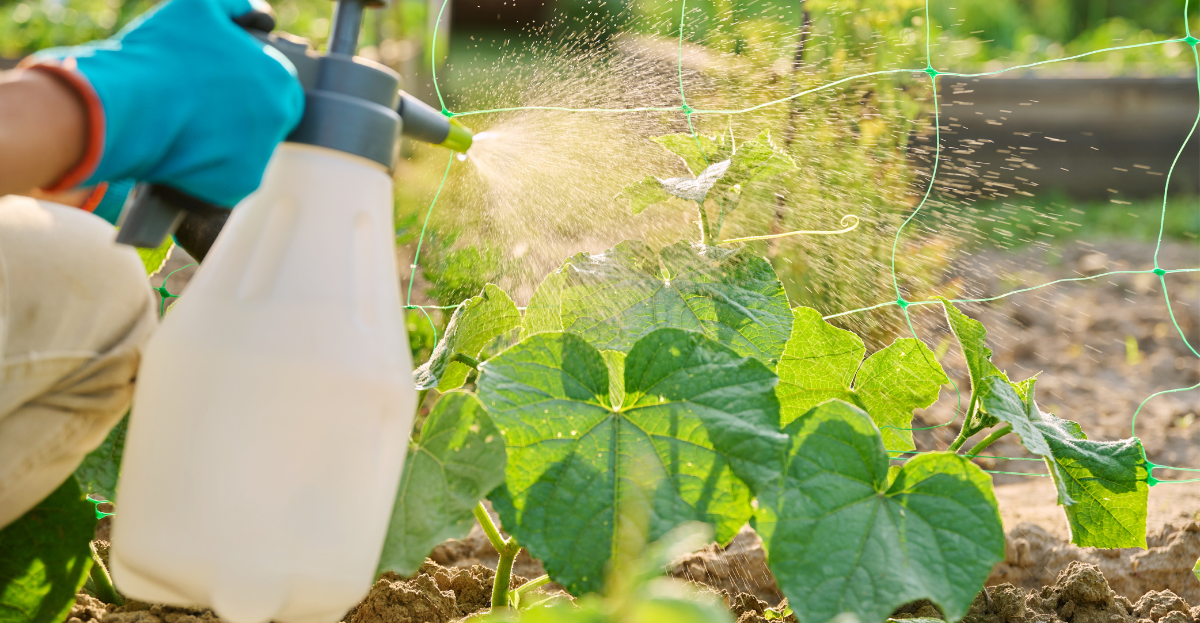
Allotment gardeners use far smaller amounts of pesticides than commercial farms — but the principles still apply.🌱 Pollinators are essential
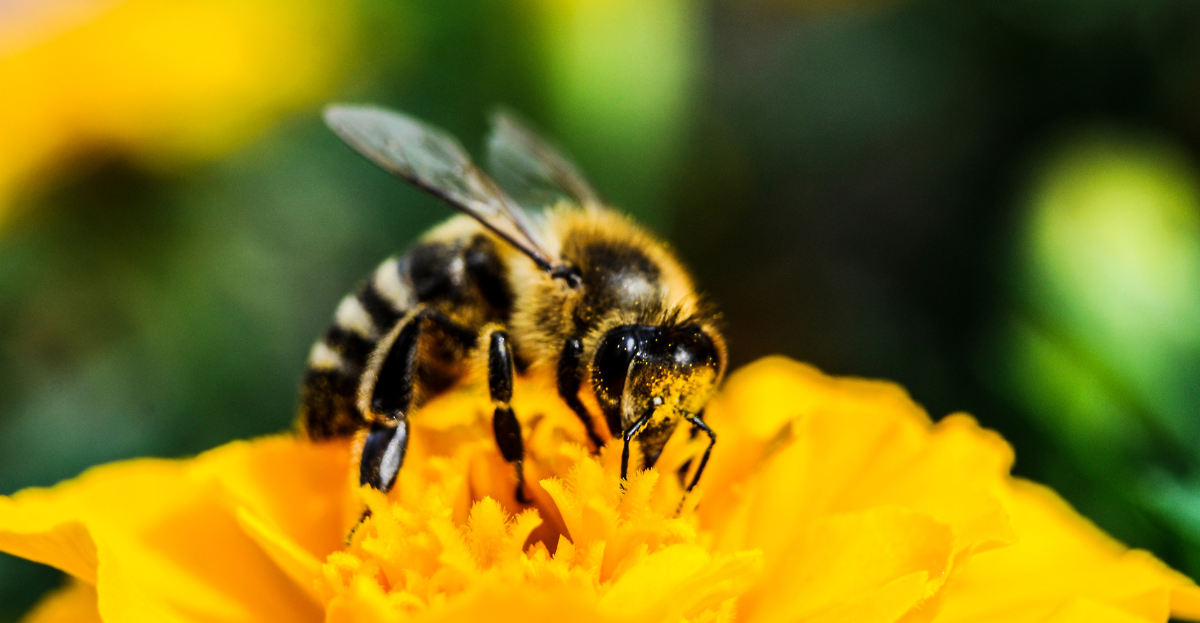
Many allotment crops rely on bees and other insects. Fewer pollinators means poorer harvests, especially for fruiting crops.
🌱Healthy soil is full of life
Earthworms and soil insects break down organic matter, keeping the soil fertile. Chemicals that harm them can reduce long-term soil health.
🌱Nature already helps with pests
Ladybirds, hoverfly larvae and parasitic wasps control aphids and other common pests — but only if we don’t wipe them out with broad-spectrum sprays.
🌱Prevention usually works better than cure
Crop rotation, netting, good spacing, companion planting and encouraging wildlife often prevent problems before chemicals are needed.
A positive message for allotment gardeners
The good news is that allotments are already well placed to be part of the solution. By growing thoughtfully, reducing chemical use, and working with nature rather than against it, allotment gardeners can:
- Protect pollinators and wildlife
- Improve soil health
- Build more resilient plots
- Set a positive example for sustainable food growing
What can I do on my plot?
Here are some simple, practical steps to make your plot pollinator- and wildlife-friendly:Avoid harmful pesticides wherever possible.
Encourage pollinators: plant wildflowers, herbs, or flowering borders.
Protect soil life: use compost and mulch instead of chemical fertilisers.
Use natural pest control: invite ladybirds, hoverflies, and lacewings by planting companion plants.
Rotate crops and diversify plants to prevent pest and disease build-up.
Provide habitat: leave small areas of undisturbed soil or log piles for insects.
Netting and physical barriers can prevent pests without chemicals.
Keep records and plan ahead: observe what works naturally and replicate it.
Even small changes can make a big difference for wildlife, pollinators, and your harvest — helping to keep our allotments healthy for everyone.
Join The National Allotment Society
Become a National Allotment Society member and help to preserve and protect allotments for future generations.
You'll also gain a range of benefits, including free liability insurance, initial legal support, expert advice and much more.
Non Member Newsletter Signup

National Society of Allotment & Leisure Gardeners Ltd
Registered in 1930 under the Industrial & Provident Societies Acts no. 11144R
VAT No. 1212930 14
Patron His Majesty King Charles III
© 2022-2023 National Society of Allotment & Leisure Gardeners Ltd