Wild Garlic and Spring Foraging in March
Last year, we explored a variety of early spring foraging finds, including wild garlic, morel mushrooms, fiddleheads, plantain, and cattail shoots . You can read that guide here for inspiration and tips on identifying and using these ingredients.
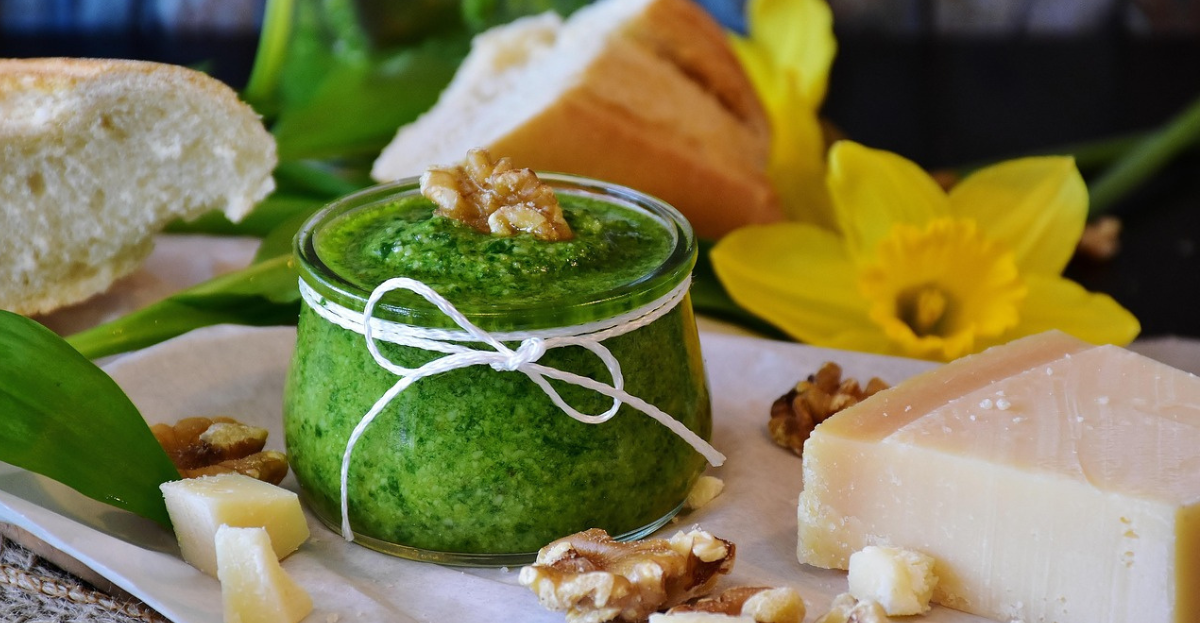
This year, we’re putting the spotlight on wild garlic (Allium ursinum ), one of the most abundant and versatile plants of early
spring. With its bright green leaves and fragrant garlic aroma, it’s perfect for adding flavour and nutrition to a wide range of dishes.
Wild garlic is packed with vitamins and antioxidants, and its leaves, flowers, and bulbs are all edible. Before you forage, always
positively identify plants and take only what you need, leaving plenty for wildlife and the plant to regenerate.
Identifying Wild Garlic
Leaves:
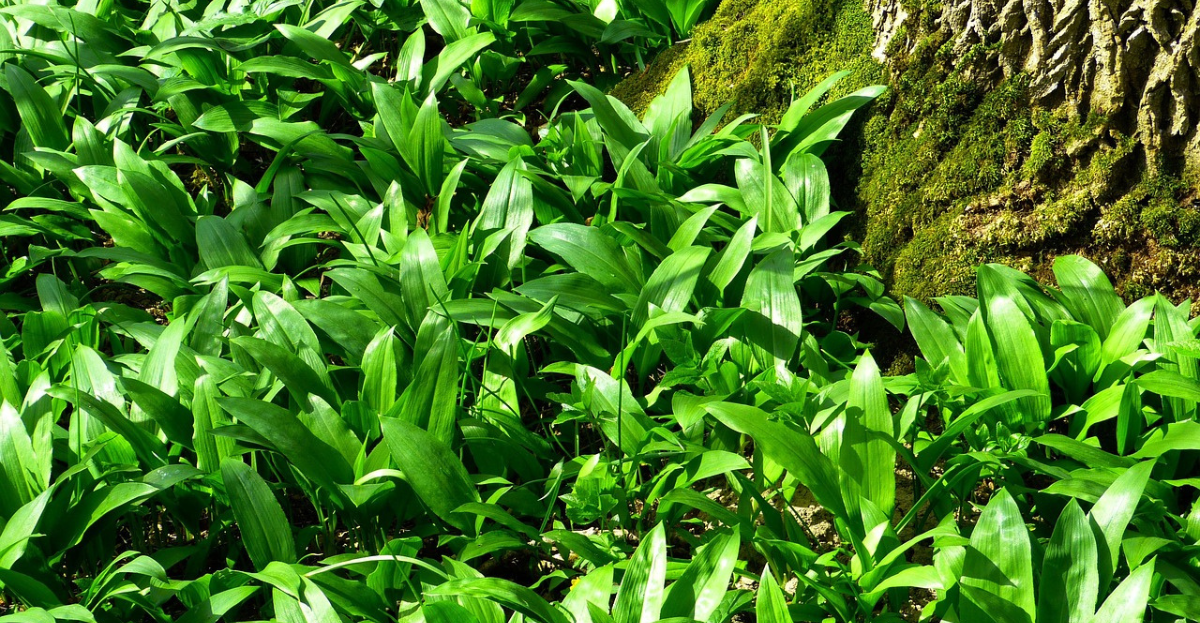
Broad, lance-shaped, bright green, often forming dense carpets.
Smell:
Crush a leaf gently—if it smells strongly of garlic, you’ve found it.
Flowers:
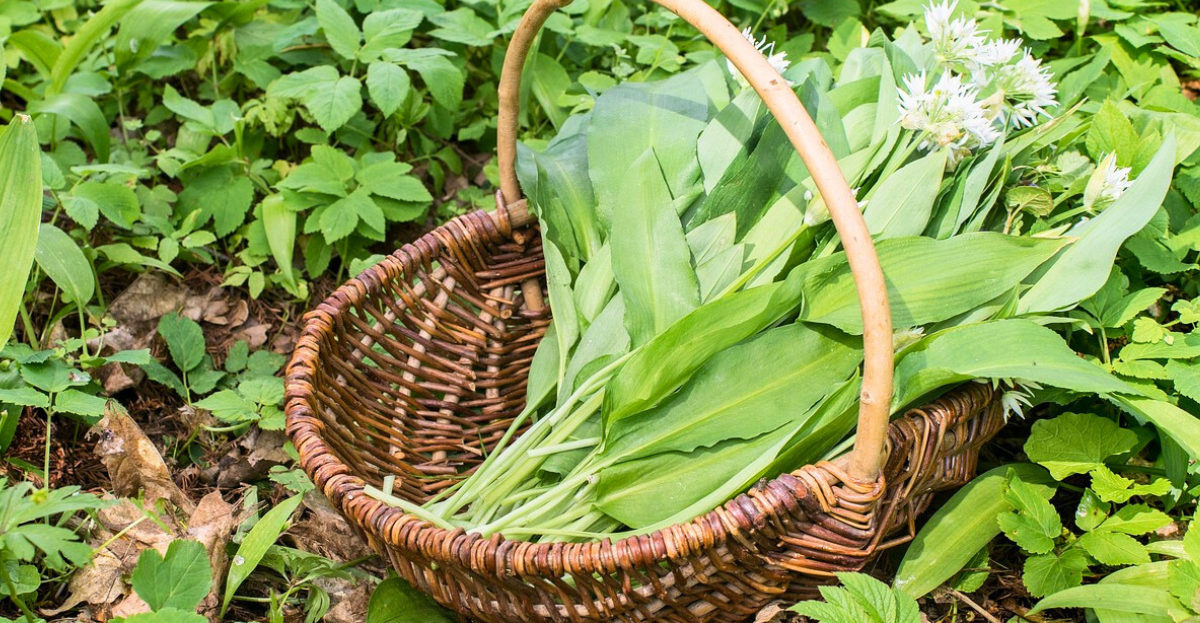
Star-like white flowers appear later in spring, usually April–May.
Lookalikes:
Avoid lily of the valley (Convallaria majalis) and autumn crocus , both of which are toxic. Only harvest leaves before flowers appear for safest identification.
Foraging Tips
Pick young leaves for a tender, milder flavour.
Harvest only a few leaves per patch to allow plants to regenerate.
Rinse leaves thoroughly to remove soil and insects.
Store in a paper bag in the fridge for 3–4 days, or freeze for longer storage.

10 Delicious Ways to Use Wild Garlic
1. Wild Garlic Pesto
Blend wild garlic leaves with toasted pine nuts, Parmesan, olive oil, and a squeeze of lemon. Toss with pasta, drizzle over roasted vegetables, or spread on toast.
2. Wild Garlic Butter
Mix softened butter with chopped wild garlic and a pinch of salt. Perfect for spreading on bread, topping baked potatoes, or adding to grilled fish.
3. Wild Garlic Soup
Sauté onions and leeks in olive oil, add diced potatoes and vegetable stock, then stir in a generous handful of wild garlic at the end. Blend until smooth and serve with crusty bread.
4. Wild Garlic and Goat Cheese Tart
Line a pastry case with goat cheese, top with sautéed wild garlic and onions, and drizzle with cream. Bake until golden for a simple, flavour-packed tart.
5. Wild Garlic and Potato Fritters
Mix mashed potatoes with chopped wild garlic, a beaten egg, and a little flour. Fry spoonfulls until golden for a quick, garlicky snack.
6. Wild Garlic-Infused Oil or Vinegar
Add washed wild garlic leaves to olive oil or white wine vinegar. Leave to infuse for a week, strain, and use as a salad dressing, marinade, or drizzle over roasted vegetables.
7. Dried Wild Garlic for Preservation
Drying wild garlic is an excellent way to preserve its flavour for use throughout the year.
Method:
Wash and pat dry the leaves, then slice into thin strips.
Spread on a baking tray or mesh rack in a single layer.
Dry in a warm, well-ventilated spot or in a low oven (40–50°C) for 2–4 hours until crisp.
Store in an airtight jar in a cool, dark place.
Uses:
Sprinkle over soups, pasta, roasted vegetables, or mix into herb salts and seasonings.
8. Wild Garlic Crisps
A crunchy, garlicky snack.
Method:
Preheat the oven to 150°C (130°C fan).
Wash and dry the leaves thoroughly.
Toss lightly with olive oil and a pinch of sea salt.
Spread in a single layer on a parchment-lined tray.
Bake 8–12 minutes until crisp but not browned.
Cool and enjoy as a snack, or crumble over salads and soups.
9. Wild Garlic Hummus
A fresh, garlicky twist on classic hummus.
Method:
Blend a can of drained chickpeas with 2–3 tablespoons olive oil, 1–2 tablespoons tahini, a squeeze of lemon juice, and a pinch of salt.
Add a generous handful of washed wild garlic leaves.
Blend until smooth. Serve with bread, crackers, or veggie sticks.
10. Wild Garlic Pasta
Quick, vibrant, and packed with flavour.
Method:
Cook your favourite pasta according to packet instructions.
While the pasta cooks, sauté chopped wild garlic leaves in olive oil with a pinch of chili flakes (optional) for 1–2 minutes.
Drain the pasta, reserving a little cooking water, and toss with the garlic and olive oil.
Finish with grated Parmesan and a squeeze of lemon. Serve immediately.
Other March Foraging Finds
While wild garlic is the star this month, these other plants are also worth seeking out:
Nettles ( Urtica dioica )
Young nettle tips are tender and highly nutritious, packed with iron, calcium, and vitamins A and C. Use them in soups, teas, sautés, or nettle pesto. Always wear gloves when harvesting, and cook or blanch leaves to remove stinging hairs. Nettles are particularly good in early spring, before they become tough and fibrous.
Dandelion (Taraxacum officinale)
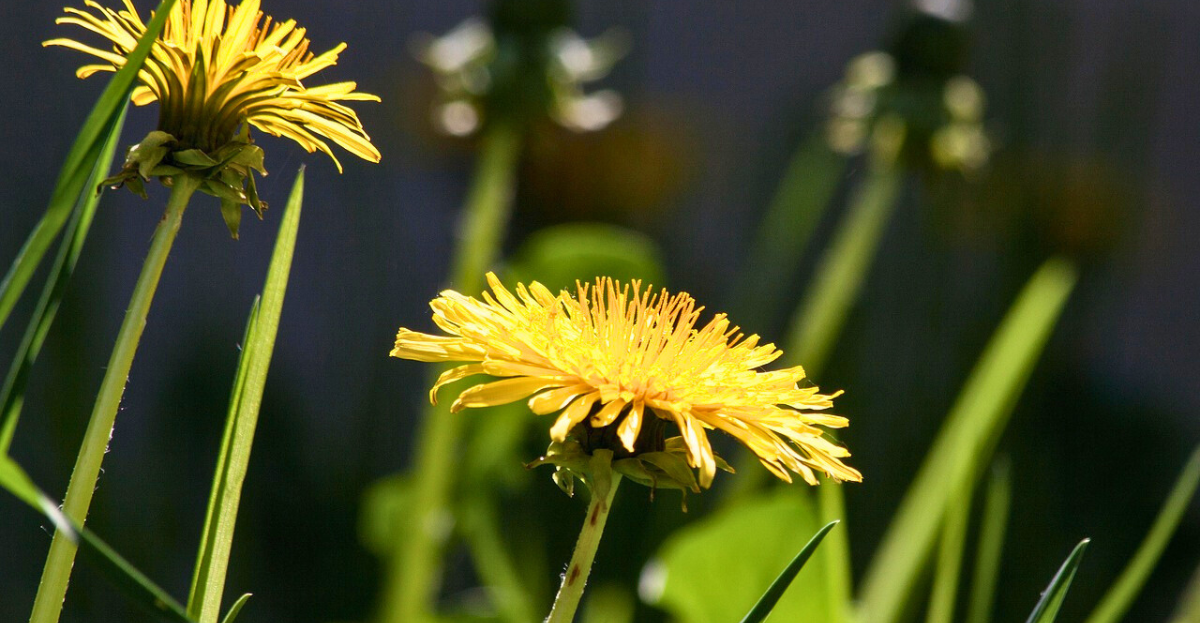
The young leaves of dandelion are perfect for salads, sandwiches, or lightly sautéed greens. Dandelion roots can also be roasted as a coffee substitute. Bright yellow flowers can be used to make syrup, wine, or added to salads for colour.
Horsetail (Equisetum arvense)
Horsetail shoots are an ancient plant valued for its silica content, supporting healthy skin, hair, and nails. Young shoots can be used in teas or soups; only harvest tender, early shoots, as mature stems are tough and fibrous.
Hawthorn (Crataegus monogyna)
Hawthorn buds and leaves appear in early spring and can be used in teas or tinctures to support heart health. Later in the year, the berries (“haws”) are edible and can be made into jellies, jams, or wine. Early shoots are ideal for herbal infusions to kickstart energy and circulation.
March is a month for slow, mindful foraging . Take your time walking woodlands, riverbanks, and hedgerows. Wild garlic forms the first green carpets of spring, while nettles, dandelion, horsetail, and hawthorn provide added nutrition and variety.
Join The National Allotment Society
Become a National Allotment Society member and help to preserve and protect allotments for future generations.
You'll also gain a range of benefits including free liability insurance, initial legal support, expert advice and much more.
Non Member Newsletter Signup

National Society of Allotment & Leisure Gardeners Ltd
Registered in 1930 under the Industrial & Provident Societies Acts no. 11144R
VAT No. 1212930 14
Patron His Majesty King Charles III
© 2022-2023 National Society of Allotment & Leisure Gardeners Ltd