Growing Vegetables in Containers on Your Allotment
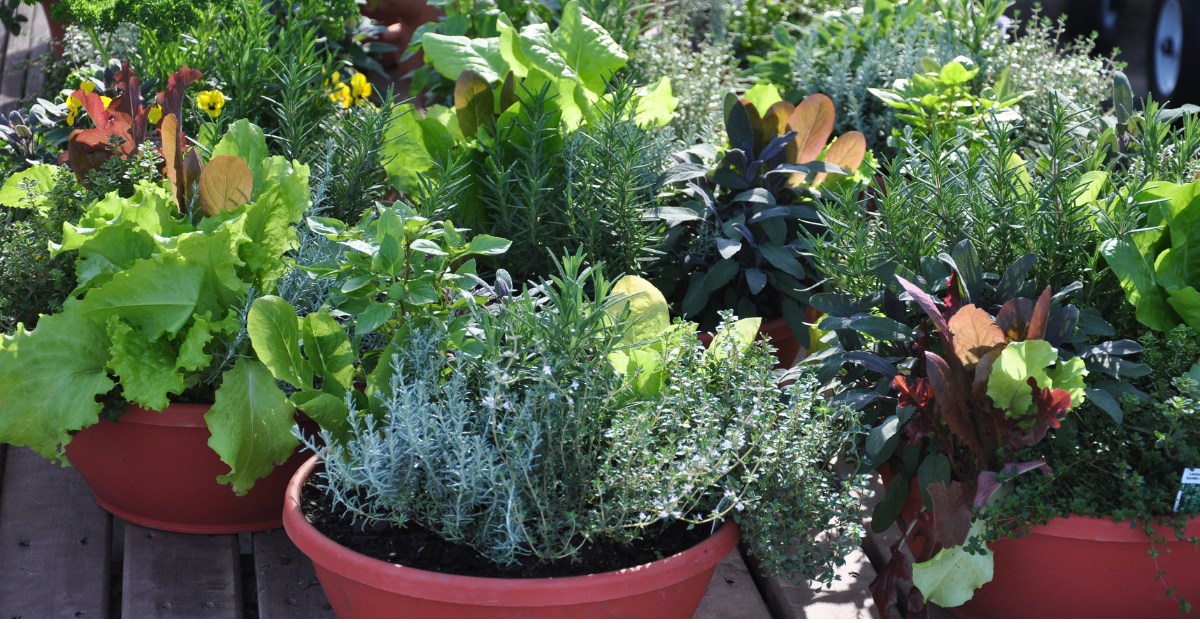
Not everyone has a large plot on their allotment or the time to manage a full vegetable bed — but that doesn’t mean you can’t grow your own fresh, home-grown produce. Container gardening is a fantastic solution for small spaces, balconies, or allotment corners.
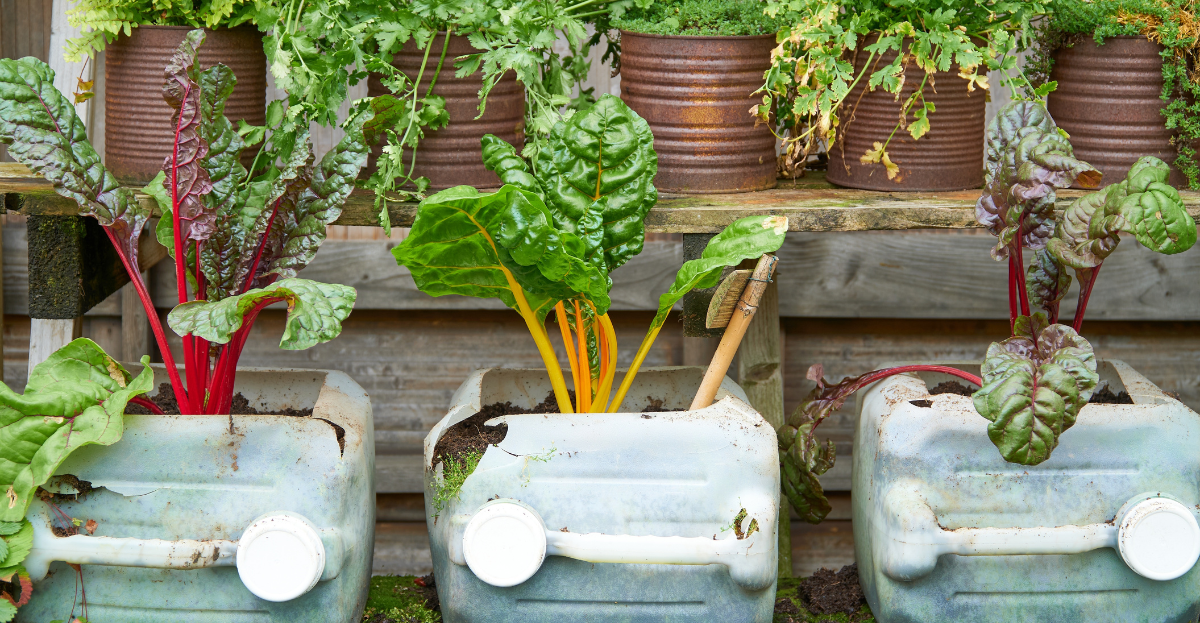
With the right containers, compost, and crops, you can enjoy a productive harvest from early spring through to autumn — and even extend your growing season into fall and winter.
Why Grow Vegetables in Containers?
Container gardening offers flexibility and convenience. Some of the benefits include:
Perfect for small or awkward spaces on your allotment.
- Easier to manage than traditional plots — less weeding, less digging.
- Containers can be moved to protect them from frost, wind, or excessive sun.
- Ideal for early crops, as seedlings can start in a greenhouse, conservatory, or porch.
- Great for experimenting with new or smaller crop varieties without committing to a full bed.
Best Vegetables for Containers
Almost any vegetable can be grown in a container if you choose a suitable variety and pot size. Some of the most rewarding crops include:
Leafy greens & salad crops:
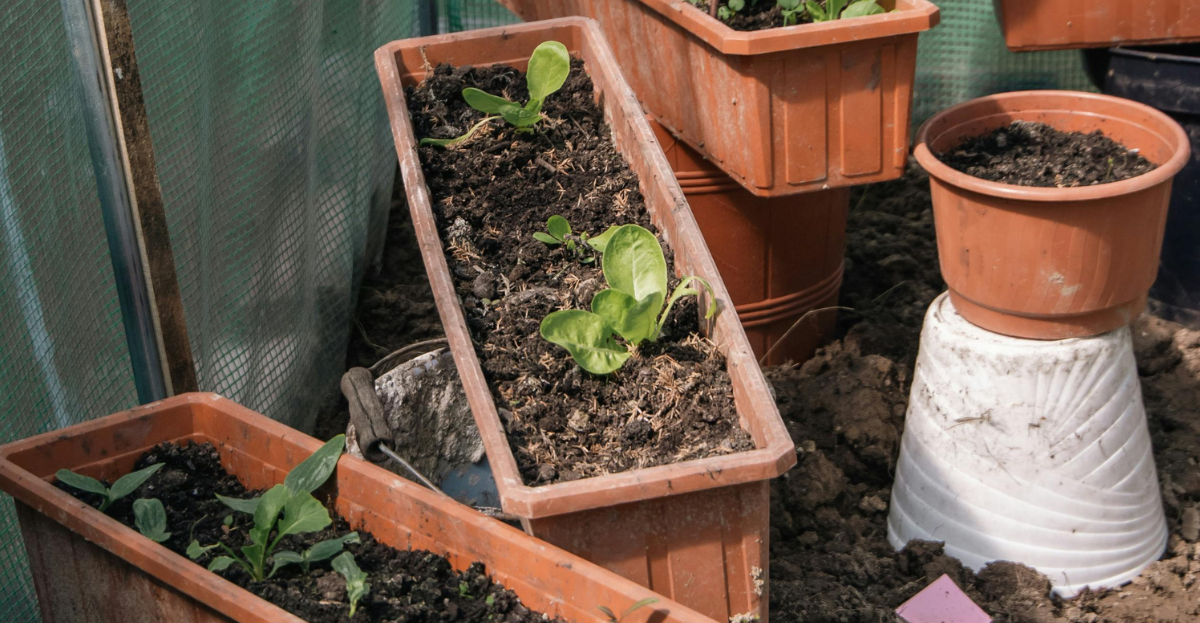
Lettuce, rocket, spinach, salad leaves, chard, mustard greens, microgreens.
Root crops:
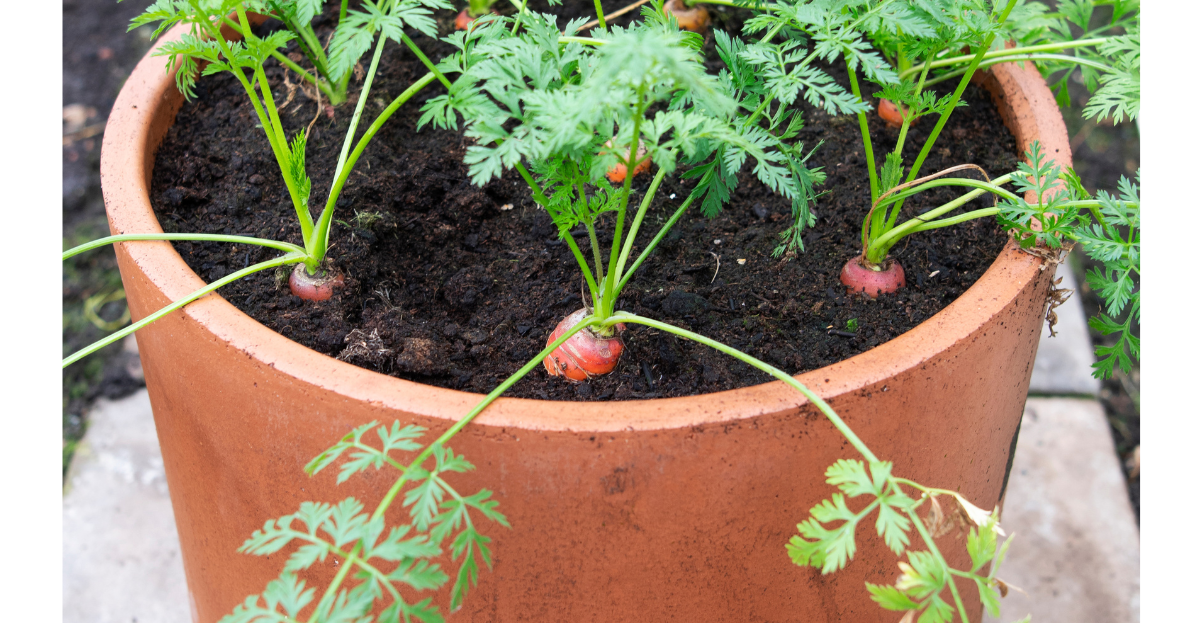
Radishes, carrots (‘Nantes’, ‘Amsterdam’), beetroot, salad turnips, baby potatoes.
Legumes:
Broad beans, dwarf French beans, peas, runner beans, bush beans.
Fruit-bearing plants:
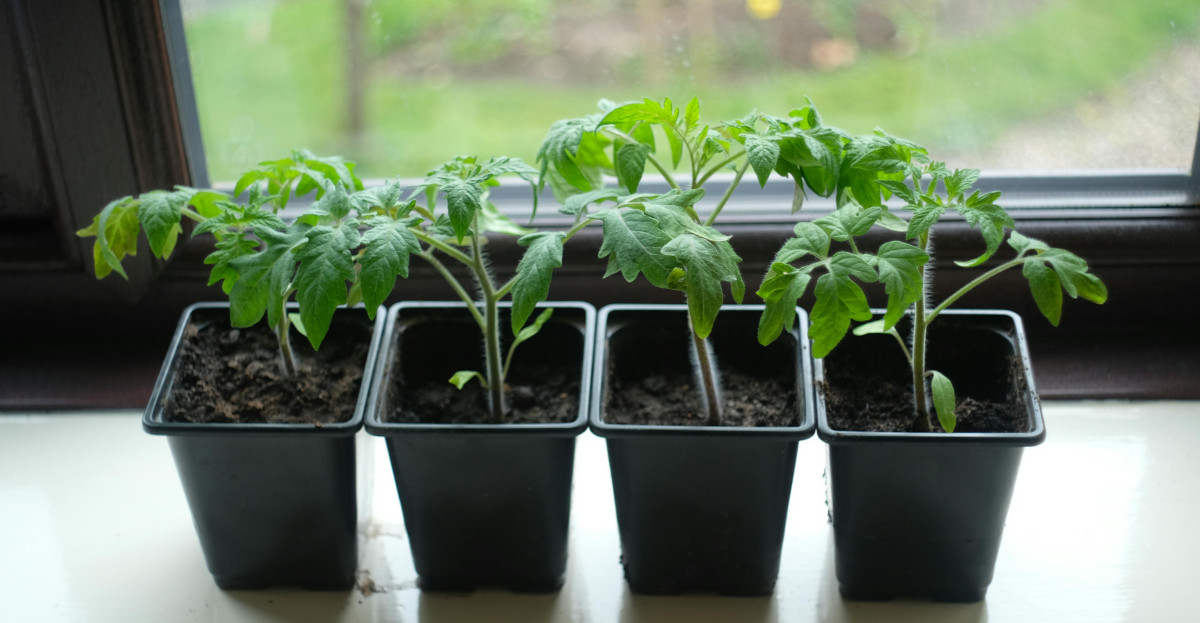
Tomatoes (plum, cherry, dwarf varieties), chillies, peppers, cucumbers, eggplant.
Herbs:
Basil, parsley, coriander, and chives.
Many of these crops also work well for
succession planting — as one crop finishes, you can plant another to keep your containers productive all season.
Choosing the Right Containers
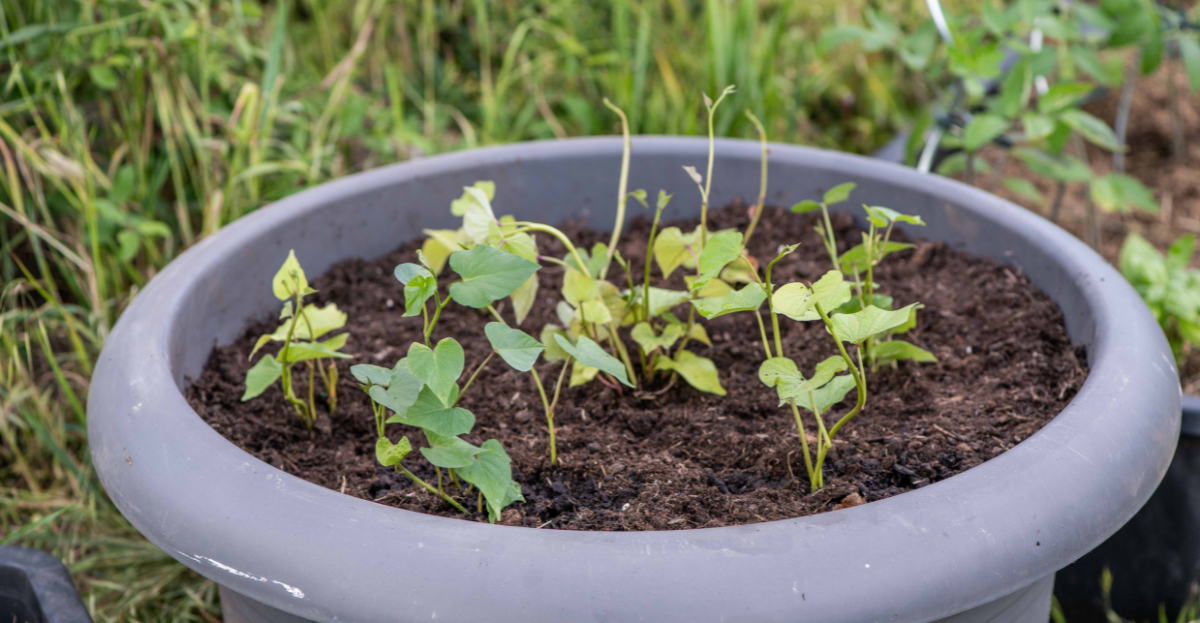
The size and type of container you use are crucial for success:
Depth and width:
Aim for at least 45cm (18in) for most vegetables. Smaller containers can dry out quickly and limit root growth.
Material:
Pots, troughs, and grow bags all work. Sturdy containers prevent tipping when plants become top-heavy.
Mobility:
Lighter containers or those on wheels make it easier to move plants for sunlight, frost protection, or winter storage.
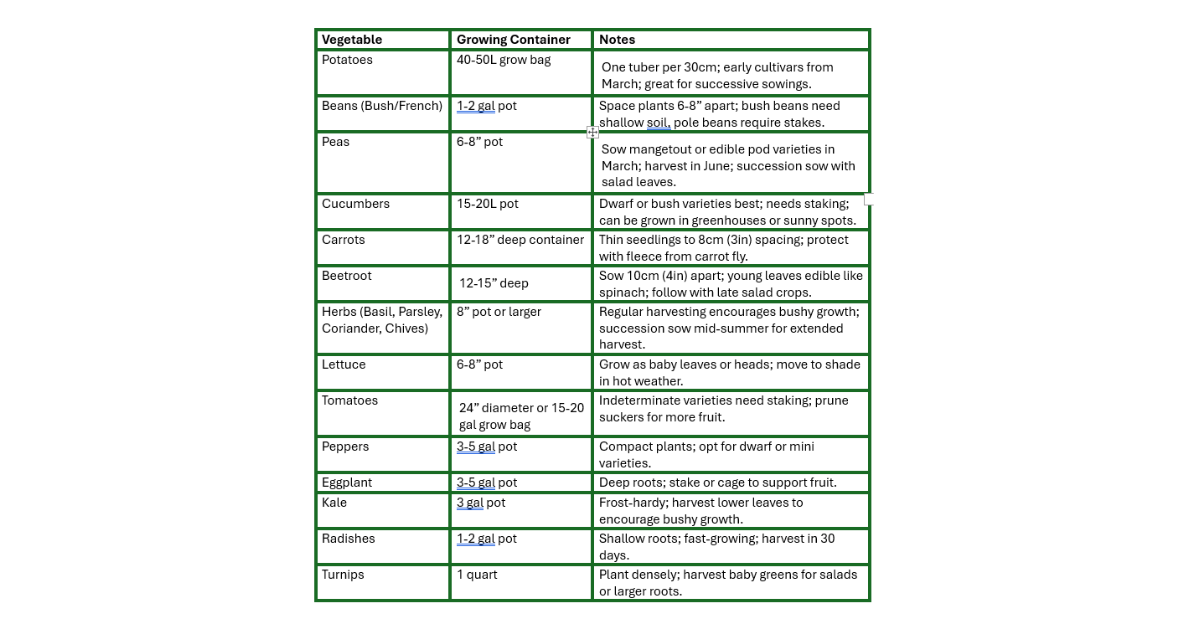
Quick Container Guide by Crop Type
Compost and Soil Tips
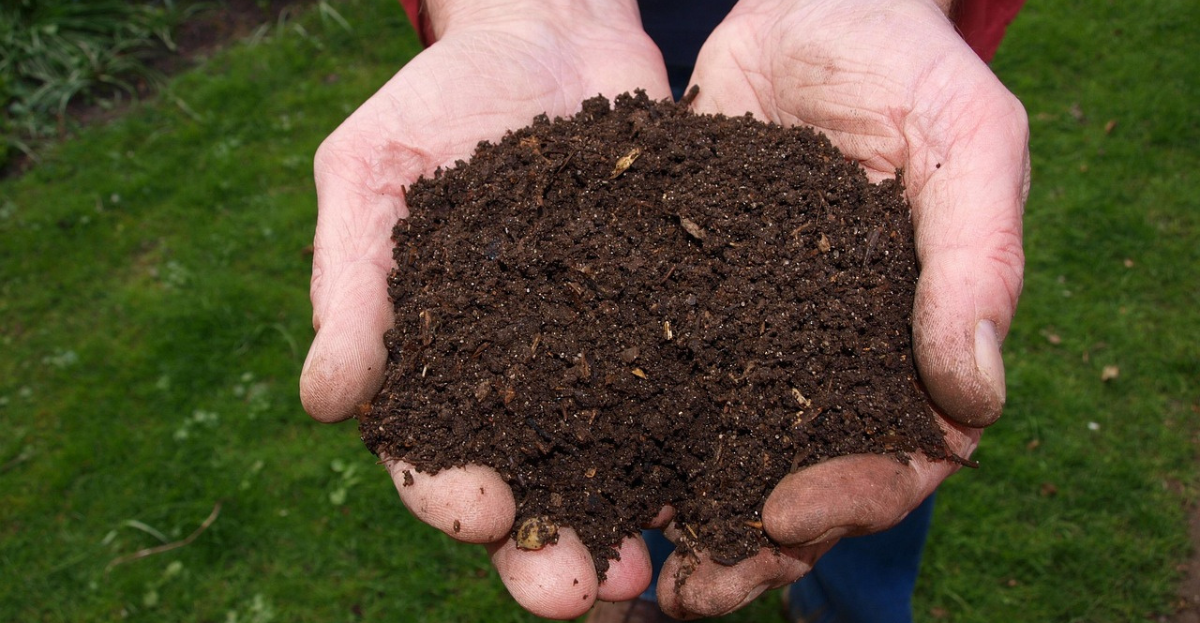
Use sterile, peat-free potting compost
suitable for containers (multi-purpose or container compost).
John Innes No 3 (peat-free) works well for soil-based containers.
Homemade mixes can be used but are not sterile and may increase pest/disease risks.
Organic growers can mix in well-rotted manure
(about 20% by volume in the lower half of the container).
Watering, Feeding, and Aftercare
Container-grown vegetables need consistent care: Watering:
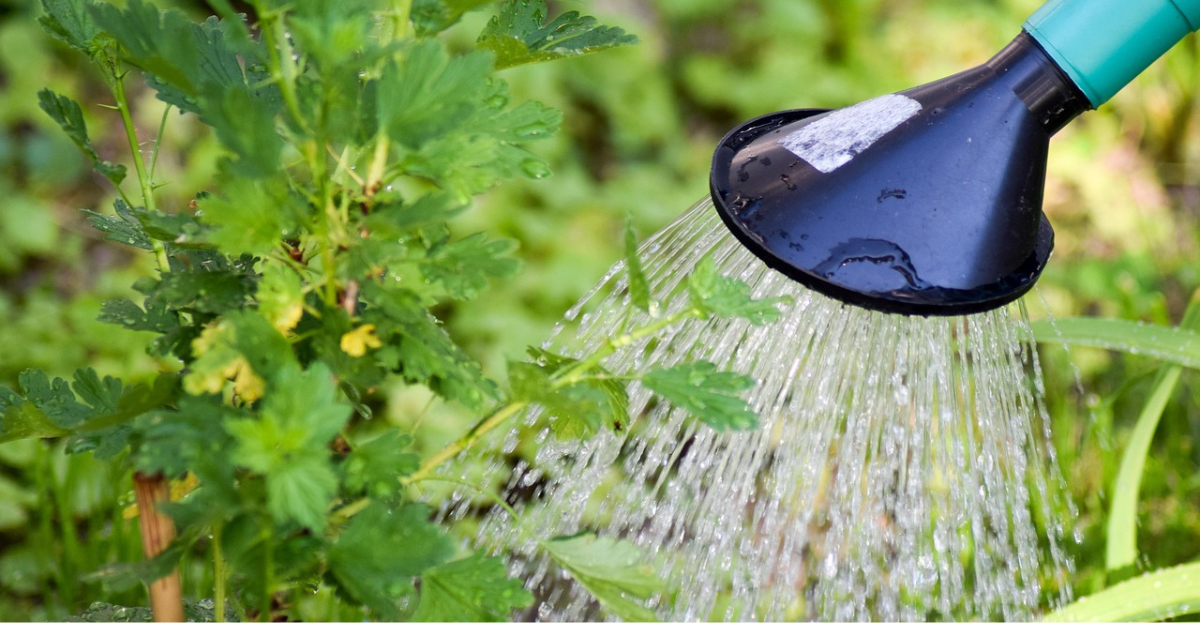
Keep soil evenly moist, but avoid prolonged waterlogging. Smaller containers may need daily watering in hot weather.
Feeding:
Apply general-purpose liquid fertiliser every two weeks.
Frost protection:
Cover with horticultural fleece and move containers to a sheltered spot if needed.
Common Challenges
Growing vegetables in containers is generally easy, but some common problems include: Drying out:
Containers lose moisture quickly, especially in hot weather.
Limited root space:
Small containers can lead to nutrient deficiencies and wilting.
Pests and diseases:
Less risk than soil beds, but keep an eye on aphids, carrot fly, and mildew.
Tips for Success
Start seeds early indoorsin a greenhouse or on a windowsill for earlier harvests.
Succession plant - sow a new crop as soon as one finishes to keep containers productive.
Regular harvesting - encourages more growth, particularly for leafy greens, herbs, and bush beans.
Companion planting - mix herbs, salad leaves, and small roots to make the most of your container space.
Seasonal Guide
Early spring:Broad beans, peas, lettuce, salad onions, radishes, carrots.
Spring to early summer:
Tomatoes, peppers, eggplant, cucumbers, kale, herbs.
Summer to autumn:
Leafy greens, radishes, salad turnips, bush beans, beetroot, late potatoes.
Late autumn/winter:
Frost-hardy crops like kale, chard, spinach can extend your harvest with protection or indoor relocation.
Container gardening opens up a world of possibilities for allotment growers. Even if space is limited, you can enjoy fresh, home-grown vegetables all season long. With a little planning, the right containers, and consistent care, your allotment can be productive, flexible, and fun — all without needing a full plot!
Join The National Allotment Society
Become a National Allotment Society member and help to preserve and protect allotments for future generations.
You'll also gain a range of benefits, including free liability insurance, initial legal support, expert advice and much more.
Non Member Newsletter Signup

National Society of Allotment & Leisure Gardeners Ltd
Registered in 1930 under the Industrial & Provident Societies Acts no. 11144R
VAT No. 1212930 14
Patron His Majesty King Charles III
© 2022-2023 National Society of Allotment & Leisure Gardeners Ltd