The Ultimate Guide to Tomatoes
Sweet, vibrant, and incredibly rewarding, tomatoes are one of the most popular and productive crops grown on allotments across the UK. Whether eaten straight from the vine, sliced into salads, or slow-cooked into rich sauces, few crops capture the taste of summer quite like a homegrown tomato (Solanum lycopersicum).
.png)
This guide covers everything you need to know — from sowing and planting to feeding, pruning, pests, harvesting, and using your crop in the kitchen.
Why Grow Your Own Tomatoes?
Tomatoes are a standout allotment crop for both beginners and experienced growers. They are productive, relatively easy to manage, and deliver outstanding flavour when grown well.
Homegrown tomatoes are:
- Richer, sweeter, and more aromatic than shop-bought fruit
- Highly productive even from a small space
- Suitable for greenhouses, polytunnels, grow bags, and pots
- Available in an incredible range of colours, shapes, and tastes
.png)
.png)
When and Where to Grow Tomatoes
Season & Position - Tomatoes are warm-season crops that thrive in light and heat.
- Sow indoors: February to April
- Plant out: Late May to early June (after frost risk has passed)
- Harvest: July to October
- Greenhouses (for highest yields)
- Polytunnels
- Sheltered, sunny outdoor beds
- Large containers or grow bags
Soil Requirements
Tomatoes prefer:- Fertile, well-drained soil
- pH between 6.0 and 6.8
- High organic matter content (compost or well-rotted manure)
Tomato Varieties to Try
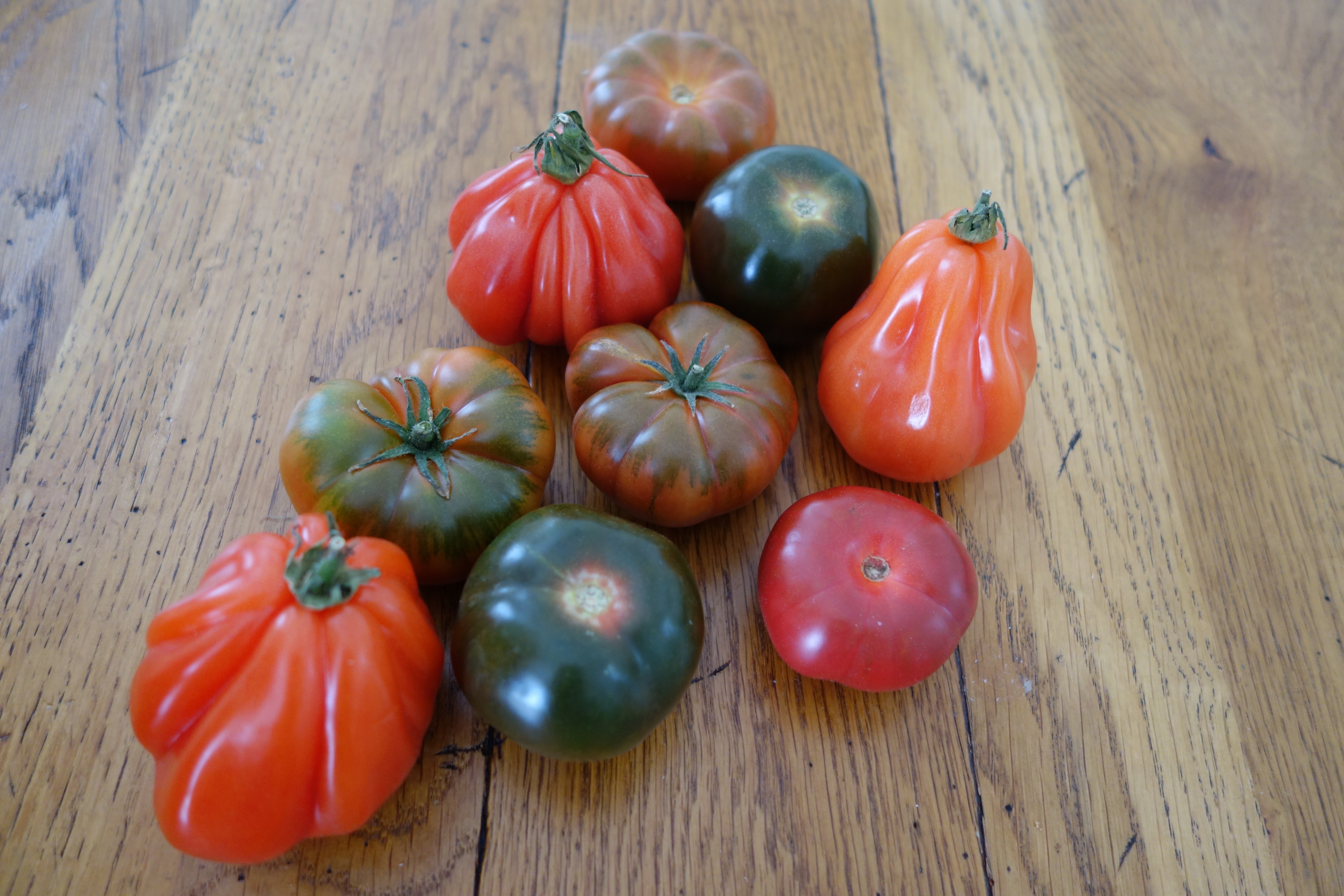
Tomatoes come in many forms, each suited to different spaces and uses: Gardener’s Delight : Classic cherry tomato, reliable and sweet
Sungold : Exceptionally sweet orange cherry tomato, highly productive
Alicante : Traditional salad tomato, good for outdoor growing
Moneymaker : Reliable and heavy cropping, ideal for beginners
San Marzano : Classic plum tomato, excellent for sauces and cooking
Beefsteak : Large fruits ideal for slicing
Tumbling Tom : Trailing variety perfect for hanging baskets
.png)
Planting and Establishing Tomatoes
Sowing SeedsStart seeds indoors in trays or modules from late winter to early spring. Keep them in a warm position (18–21°C) for good germination.
Once seedlings develop their first true leaves, they can be pricked out and potted on.
Potting On
As plants grow:
- Pot on into larger containers to support root development
- Plant deeply — tomatoes will form roots along buried stems
- Strong root systems lead to healthier, more productive plants.
Before planting outside:
- Harden off plants gradually over 7–10 days
- Space plants 45–60 cm apart
- Provide strong supports such as canes, strings, or cages
.png)
Caring for Tomato Plants
Watering- Tomatoes need consistent moisture for best results.
- Water deeply and regularly
- Avoid irregular watering, which can cause splitting and blossom end rot
- Always water at the base of the plant
- Once flowers appear:
- Feed weekly with a high-potash tomato fertiliser
- Avoid high nitrogen feeds once fruiting begins
- Tie plants to supports as they grow
- Remove side shoots on cordon varieties
- Encourage upright growth for better airflow and fruit quality
Common Tomato Pests and Diseases
AphidsOften found on young shoots and stems.
Control:
- Remove by hand or wash off with water
- Encourage natural predators such as ladybirds
- Avoid excessive nitrogen feeding
Common in greenhouses during warm weather.
Control:
- Use sticky traps
- Improve airflow
- Encourage beneficial insects
Mostly affect young plants and seedlings.
Control:
- Hand-pick in the evening
- Use barriers such as copper tape
- Keep the growing area tidy
Tomato Blight
A serious disease in damp, humid conditions.
Symptoms:
- Brown leaf patches
- Blackened stems
- Rotting fruit
- Improve spacing and airflow
- Avoid overhead watering
- Remove infected plants quickly
Caused by inconsistent watering rather than disease.
Symptoms:
- Dark, sunken patches on the base of fruit
- Maintain even soil moisture
- Avoid drought stress
- Feed and water consistently
.png)
Harvesting Tomatoes
Harvest when fruits are fully coloured and slightly soft to the touch. Pick regularly to encourage continued production.
Tomatoes taste best when:
- Fully ripened on the plant
- Eaten fresh at room temperature
- A single plant can produce steadily for several months in peak season.
- Best eaten fresh for maximum flavour
- Ripen green tomatoes indoors if needed
- Cook and freeze sauces or passata for long-term storage
- Avoid refrigeration, which reduces flavour and texture
Nutritional Benefits of Tomatoes
Tomatoes are both delicious and highly nutritious: - Rich in vitamin C and potassium
- High in antioxidants such as lycopene
- Low in calories
- Support heart and skin health
.png)
Companion Planting for Tomatoes
Good companions:
- Basil: Enhances growth and flavour
- Marigolds: Help deter pests
- Garlic and onions: Natural pest deterrents
- Lettuce: Grows well in the shade of tomato plants
Avoid:
- Potatoes (increase blight risk)
- Brassicas (compete for nutrients)
.png)
.png)
Culinary Uses
reshly picked tomatoes have a depth of flavour that is impossible to replicate in shop-bought fruit. Warm from the sun, they are sweet, juicy, and intensely aromatic — perfect eaten straight from the vine while still on the plot.In the kitchen, tomatoes become one of the most versatile ingredients you can grow. A simple handful of cherry tomatoes can transform a salad, pasta dish, or bruschetta, while larger varieties provide the base for slow-cooked sauces, soups, and stews.
A few key uses include:
- Fresh eating in salads with basil, olive oil, and seasoning
- Roasting slowly with garlic and herbs to concentrate flavour
- Turning glut harvests into rich passata or pasta sauce for freezing
- Making chutneys, relishes, and preserves for winter use
- Drying or dehydrating for long-lasting storage and intense flavour
Even the simplest dishes highlight their quality. A homegrown tomato, sliced and served with a pinch of salt and a drizzle of oil, is often all that is needed to appreciate the full reward of months of care on the allotment.
.png)
With the right care, they will repay you throughout the summer with baskets of fresh fruit and a kitchen full of possibilities. From plot to plate, few crops capture the spirit of homegrown food quite like the humble tomato — simple to grow, generous to harvest, and endlessly satisfying to eat.
Join The National Allotment Society
Become a National Allotment Society member and help to preserve and protect allotments for future generations.
You'll also gain a range of benefits including free liability insurance, initial legal support, expert advice and much more.
Non Member Newsletter Signup

National Society of Allotment & Leisure Gardeners Ltd
Registered in 1930 under the Industrial & Provident Societies Acts no. 11144R
VAT No. 1212930 14
Patron His Majesty King Charles III
© 2022-2023 National Society of Allotment & Leisure Gardeners Ltd