The Ultimate Guide to Cabbage
Crisp, leafy, and endlessly versatile, cabbage is one of the most rewarding crops to grow on the allotment. Beneath its humble exterior lies a powerhouse of nutrition, flavour, and colour — a vegetable that’s as beautiful on the plate as it is in the soil.
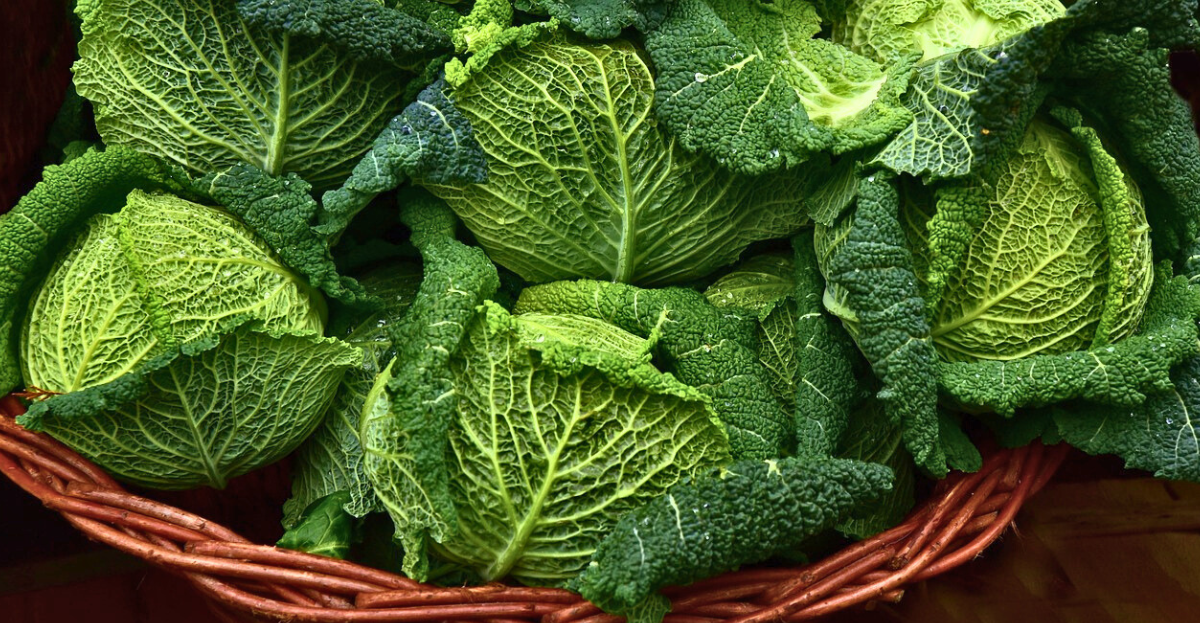
Why Grow Your Own Cabbage?
Few vegetables deliver as much satisfaction for so little effort as cabbage. It thrives in most UK soils, tolerates frost, and is generally resilient compared with other brassicas.
Supermarket cabbage is often bland, overgrown, or harvested too early, resulting in tough, flavourless heads. Home-grown cabbage, harvested at peak maturity, is tender, sweet, and full of flavour.
Cabbage is also a dual-purpose crop: the central head is the main attraction, while the outer leaves can be harvested continuously for soups, stir-fries, and braises. Succession sowing allows a continuous supply from early summer through winter, making it a truly versatile allotment vegetable.
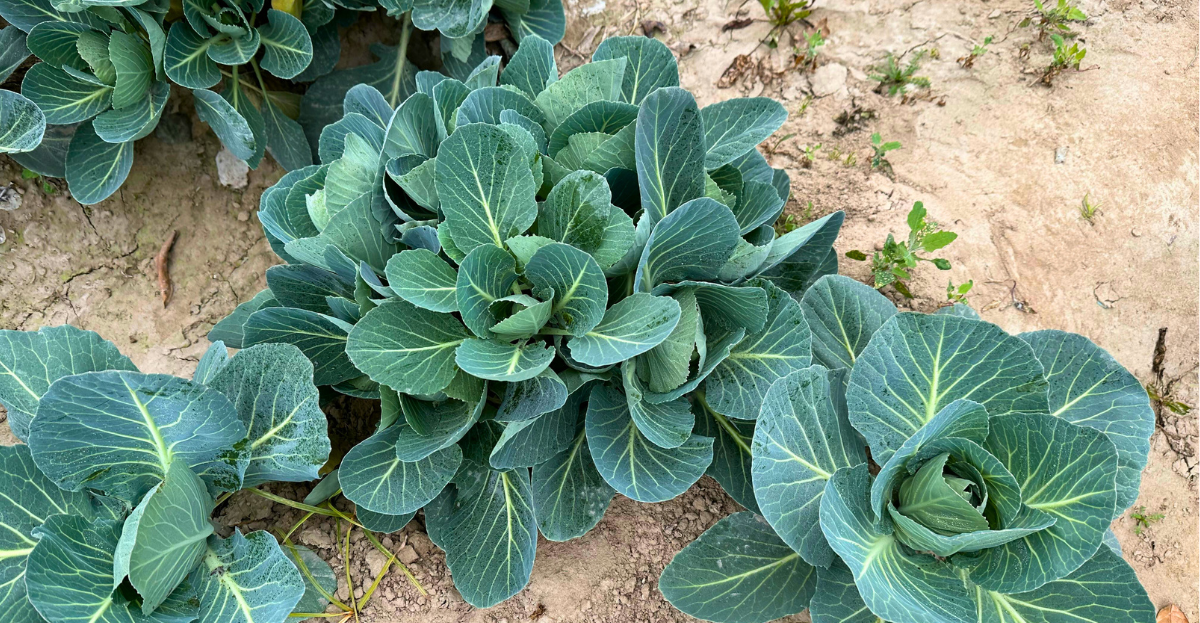
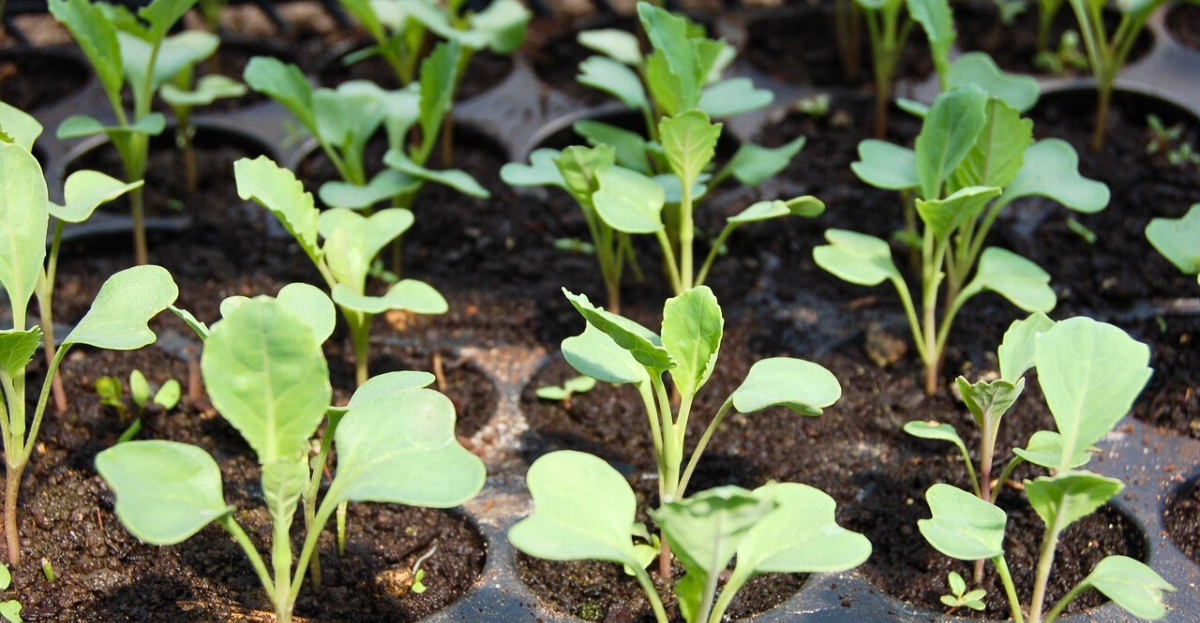
When and Where to Grow Cabbage
Season & Position:
Cool-season crop preferring full sun; tolerates light frost.
Avoid waterlogged or heavy clay soils; cabbage heads can rot if the soil remains wet.
Sowing Times:
Early sowing:
Under cover February–March for summer harvest.
Main crop:
Sow outdoors March–May for summer/autumn harvest.
Late/winter crop:
Sow June–July for autumn/winter harvest.
Succession sowing every 3–4 weeks ensures fresh cabbage throughout the season.
Soil Preparation & Technical Details
Site:Sunny, open areas with good drainage and airflow. Avoid frost pockets.
Soil:
Fertile, well-drained soil with pH 6.0–7.5. Heavy soils should be lightened with compost.
Preparation:
Dig in well-rotted compost to improve structure and moisture retention. Rake to a fine tilth. Avoid fresh manure, which encourages leafy growth over head formation.
Crop rotation:
Don’t plant where brassicas grew last year to prevent disease build-up.
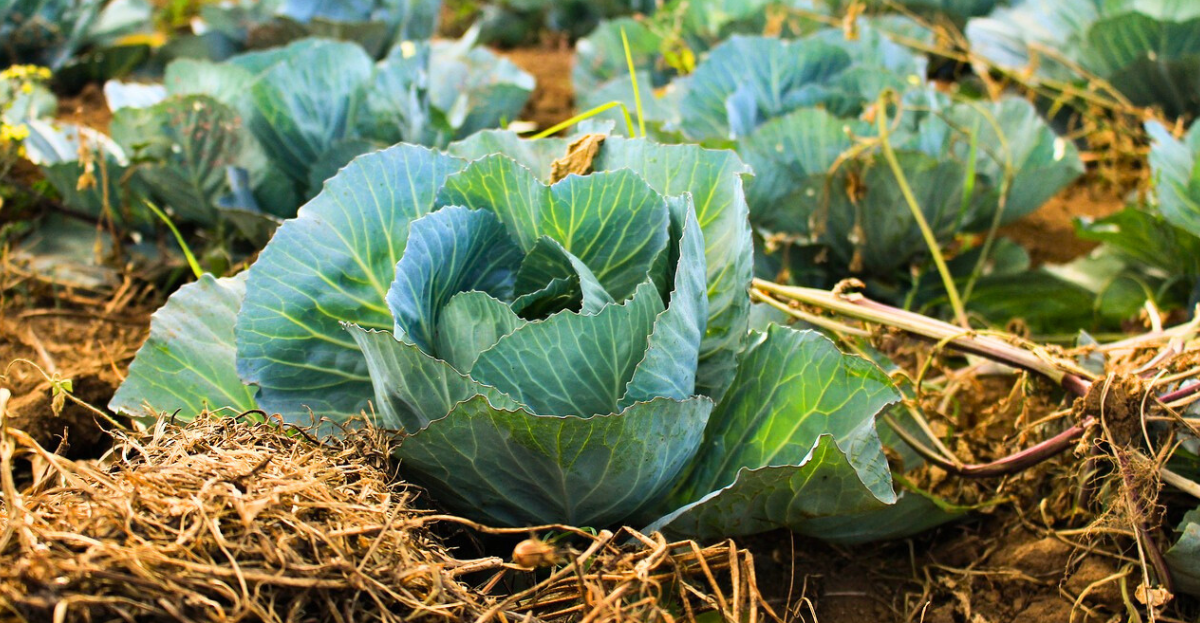
Cabbage Varieties to Try
Cabbage comes in many types to suit different climates and culinary uses:

Common Cabbage Pests and Diseases (and How to Beat Them)
Even hardy cabbage can face challenges: 1. Small or Loose Heads
Causes: Overcrowding, poor soil fertility, irregular watering, or heat stress.
Prevention: Space 40–60 cm apart, keep soil evenly moist, feed with balanced fertiliser, and mulch to retain moisture.
2. Yellowing Leaves
Causes: Nitrogen deficiency, poor drainage, or diseases such as downy mildew.
Prevention: Feed with nitrogen-rich fertiliser, improve drainage, and remove affected leaves promptly.
3. Bolting (Premature Flowering)
Causes: Stress from cold snaps or irregular watering.
Prevention: Use appropriate varieties and protect seedlings in early spring.
Pests and Diseases
Pests:
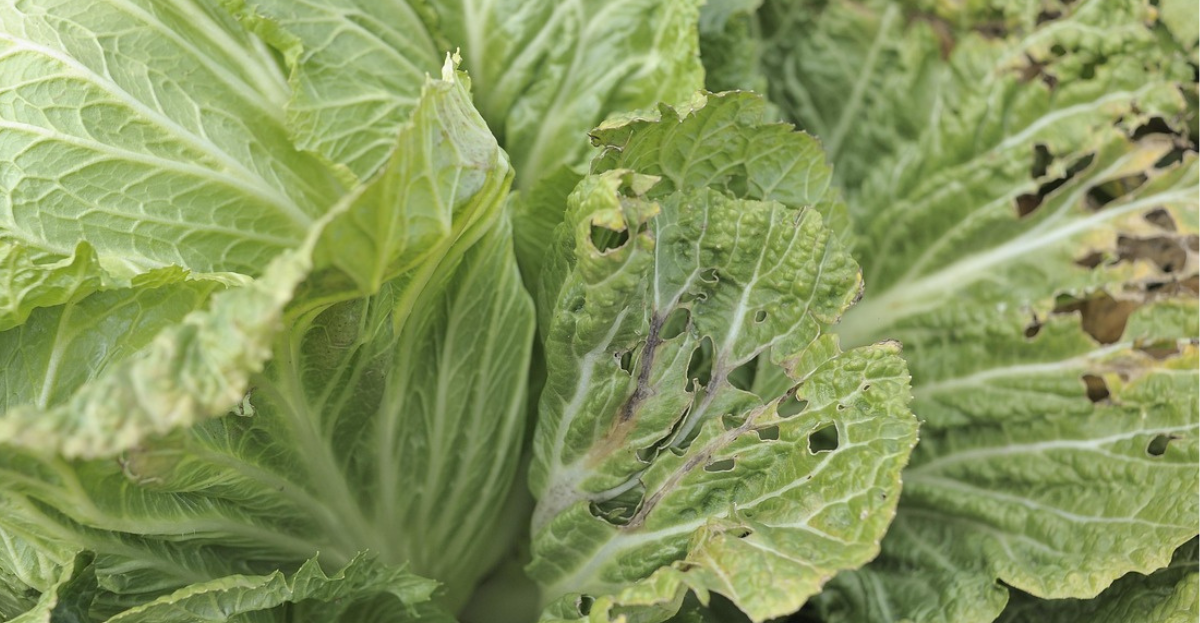
Cabbage White Caterpillars: Chew leaves; hand-pick or use fleece.
Aphids: Cluster on young leaves; encourage ladybirds or use mild insecticidal soap.
Slugs & Snails: Target seedlings; use traps, crushed eggshells, or wool pellets.
Flea Beetles: Cause small holes; cover young plants until established.
Diseases:
Clubroot: Swollen, deformed roots; rotate crops and avoid infected soil.
Downy Mildew: Yellow patches with grey fuzz; improve airflow, avoid overhead watering.
Black Rot: V-shaped lesions on leaves; remove affected plants, rotate crops.
Environmental Issues:
- Wind damage: Stake taller plants.
- Frost: Winter varieties tolerate light frost, but young plants may need fleece.
- Poor growth: Often caused by overcrowding, poor soil, or irregular watering.
Growing Tips for a Healthy Beetroot Crop
- Sow seeds thinly (about 2.5 cm apart) to reduce thinning later.
- Keep soil consistently moist — irregular watering causes tough roots.
- Thin seedlings to 10 cm apart once they’re large enough to handle.
- Weed regularly but gently; beetroot roots are shallow and easily damaged.
- Feed with a balanced organic fertiliser if growth looks slow.
- Mulch to conserve moisture and suppress weeds.
Nutritional Benefits of Cabbage
Beetroot isn’t just beautiful — it’s a nutritional powerhouse. 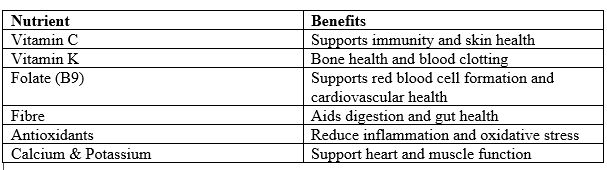
Harvesting Cabbage
Timing:Most varieties are ready 80–120 days after transplanting.
Summer types mature faster; winter types improve in flavour after a light frost.
Method:
Cut the head carefully at the base. Leave the outer leaves to continue growing, smaller heads if desired.
Storage:
Winter varieties can remain in the ground until needed.
Store heads in perforated bags in a cool, humid fridge for up to 2–3 weeks.
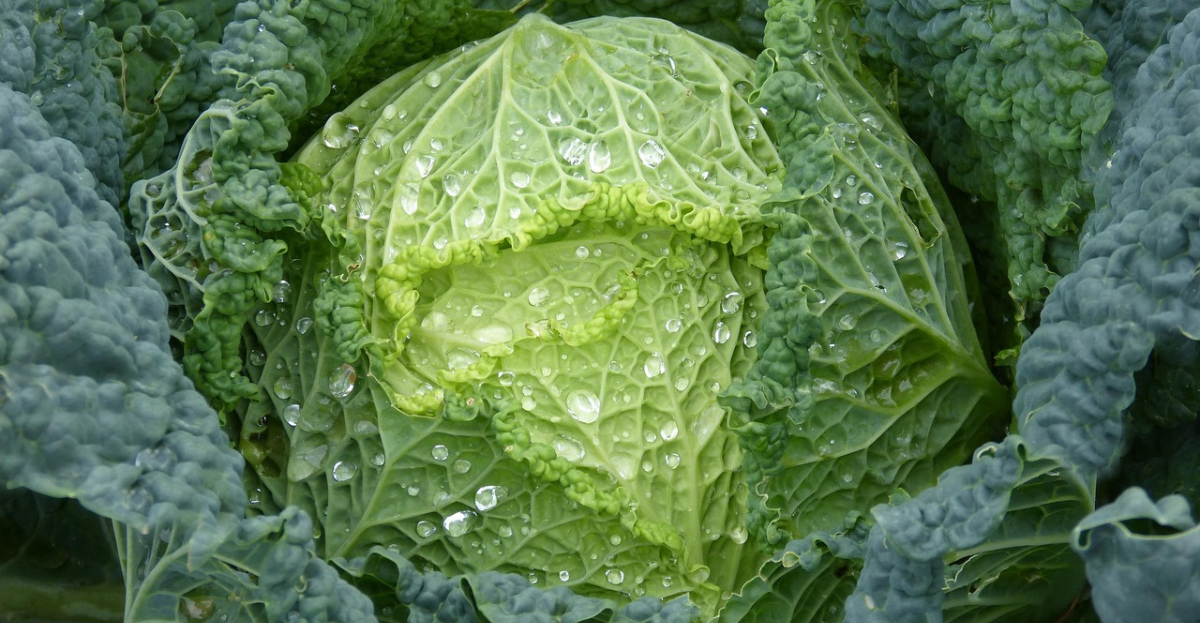
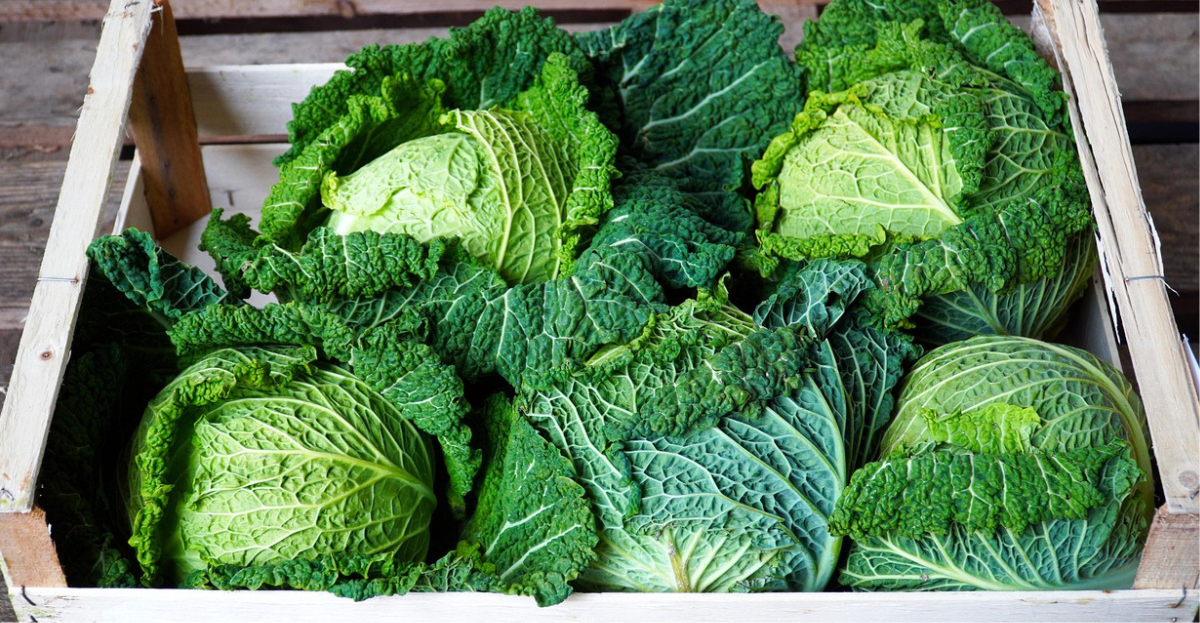
Savoy and red cabbage store best in cool, damp conditions.
Companion Plants for Cabbage
Good Companions:
- Lettuce & Onions: Efficient space usage.
- Garlic & Herbs: Help deter pests.
- Dill & Mint: Reduce insect activity.
Avoid:
- Pole Beans: Compete for nutrients.
- Other Brassicas: Rotate to prevent disease.
From Plot to Plate
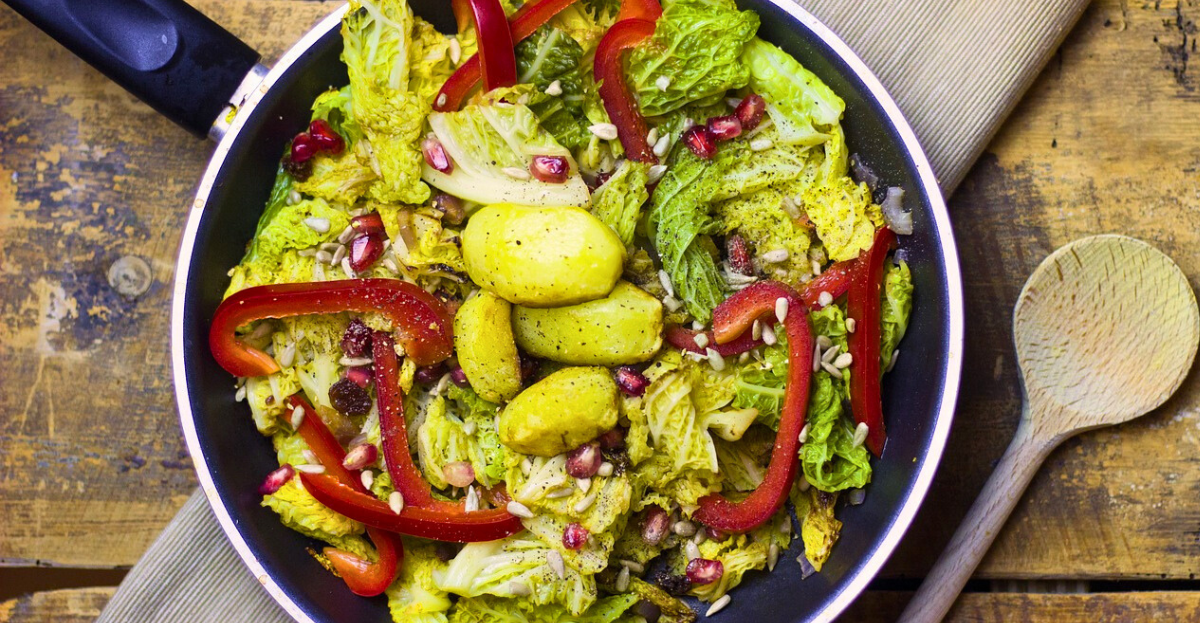
Cabbage is endlessly versatile — from hearty winter dinners to fresh summer salads. With a little imagination, you can enjoy both the leaves and heads in multiple ways:Ideas to Try:
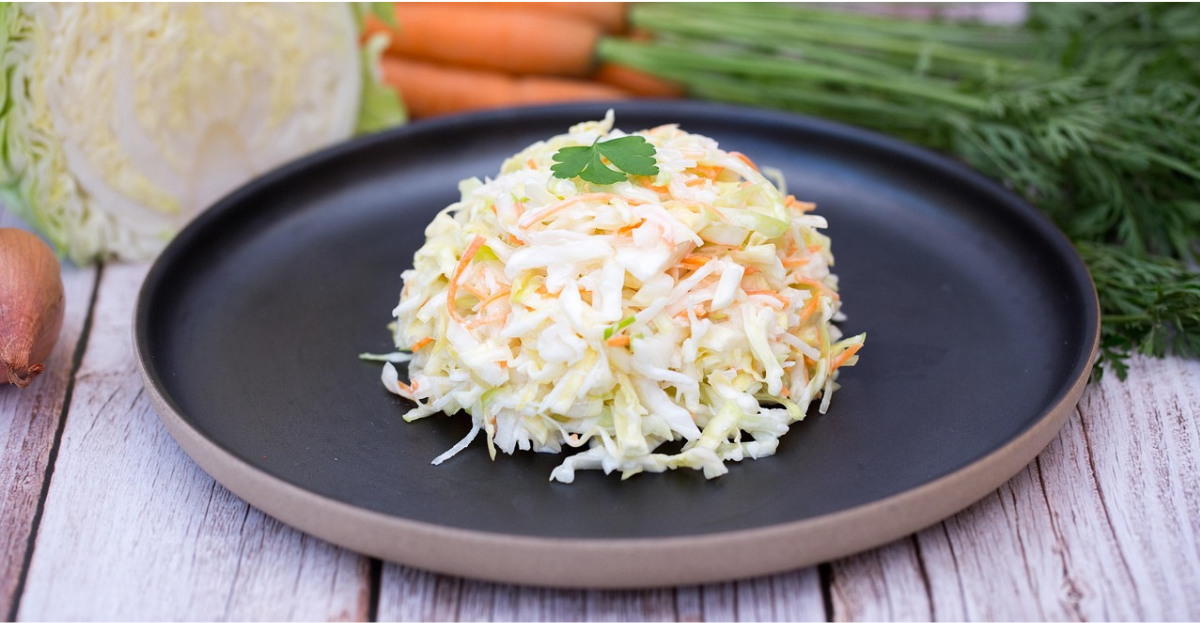
Raw: Shred into coleslaw or summer salads.Steamed or Boiled: Keep tender; serve with butter, nutmeg, or a dash of cream.
Stir-Fried: Quick-fry with garlic, ginger, or pancetta for a flavourful side
Braised: Slow-cook with apples, bacon, or cider for a warming, sweet-savoury dish.
Soups & Stews: Outer leaves add texture to vegetable soups and broths.
Fermented: Try traditional sauerkraut for a probiotic-rich winter staple.
Tip:
Pair cabbage with sweet or acidic ingredients — apples, balsamic vinegar, citrus, chestnuts, or caramelised onions — to balance its natural earthiness.
Using Every Part:
Outer leaves: Perfect for soups, stews, and stir-fries.
Inner leaves: Tender and sweet; ideal for braising or slaws.
Core & stalks: Can be finely sliced into soups or coleslaws to reduce waste.
Rewarding, Versatile, Delicious
From seed to harvest, cabbage is a crop that rewards patience with abundance. It’s hardy, nutritious, and incredibly flexible in the kitchen. Whether you’re picking summer greens for salads or robust winter heads for hearty stews, every cabbage tells the story of the soil it grew in — fresh, vibrant, and full of life.
Cabbage is a crop for gardeners who want maximum return with minimal fuss: a vegetable that grows beautifully, stores well, and shines on the plate in so many ways.
Non Member Newsletter Signup

National Society of Allotment & Leisure Gardeners Ltd
Registered in 1930 under the Industrial & Provident Societies Acts no. 11144R
VAT No. 1212930 14
Patron His Majesty King Charles III
© 2022-2023 National Society of Allotment & Leisure Gardeners Ltd