Sustainable Allotment Gardening in February
February can feel like a waiting month on the allotment. The soil is often cold, growth is slow, and spring still feels a long way off. But for sustainable gardeners, February is a powerful moment — a chance to prepare, reflect, and make choices now that reduce waste, save resources, and support nature for the rest of the year.
Rather than rushing into sowing, think of February as your quiet groundwork month: a time to care for soil, reuse what you already have, and plan with intention.
Start With the Soil (Because Everything Else Depends on It)
Healthy soil is the foundation of sustainable gardening, and February is ideal for improving it without disturbing wildlife or structure.
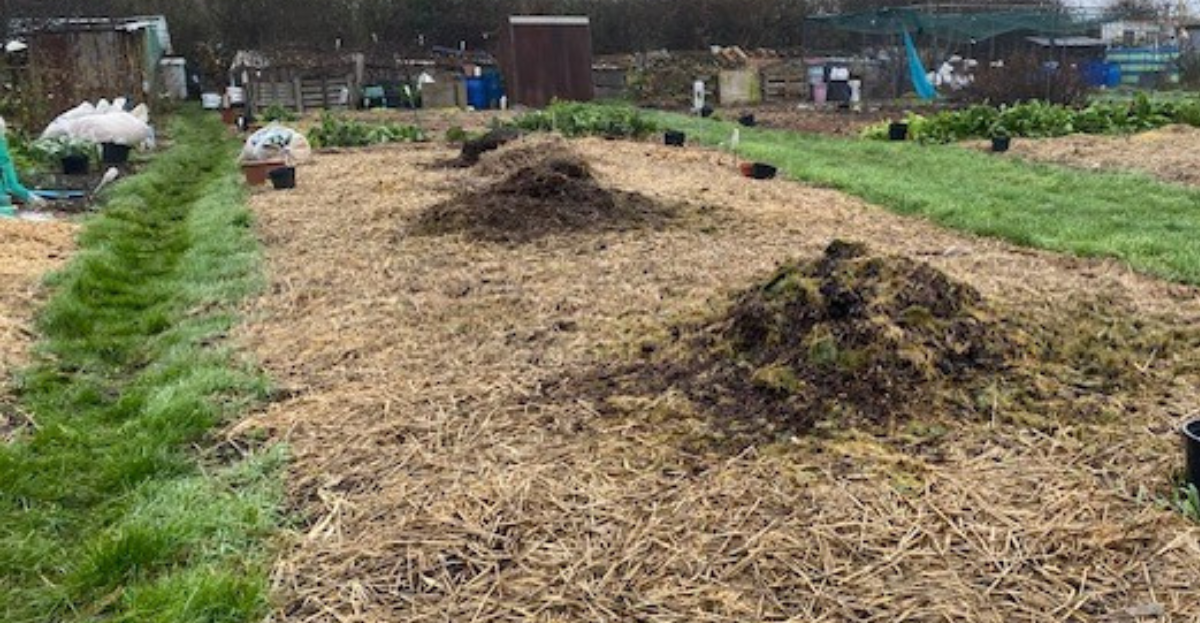
Mulch
If the ground isn’t frozen or waterlogged, add organic matter such as homemade compost, well-rotted manure, or leaf mould to beds. Let worms and microbes do the work for you — no digging needed. This protects soil structure, locks in carbon, and improves moisture retention for summer.
Protect bare ground
If beds are empty, cover them with cardboard, old compost bags, or green manure. This prevents nutrient loss, suppresses weeds naturally, and keeps soil biology alive during cold spells.
Sustainable tip:
Avoid buying peat-based composts. If you’re topping up beds, choose peat-free compost or your own homemade mix.

Plan With Purpose (Less Waste, Better Yields)
February is prime planning time, and good planning is one of the most sustainable things a gardener can do.
Grow what you actually eat
Be honest about what worked last year. If courgettes took over and kale went untouched, adjust your plans. Growing less but using more reduces food waste and saves time, water, and resources.
Think rotations and resilience
Plan crop rotation to reduce pest and disease build-up naturally. Mix crops, add flowers between vegetables, and avoid monocultures where possible — diversity is more resilient and better for pollinators.
Order seeds carefully
Check what you already have before buying new packets. Many seeds remain viable for several years if stored well.
Sustainable tip:
Swap seeds locally or join a seed library instead of buying new ones every year.
Early Sowing — But Only When Conditions Are Right
It’s tempting to start everything early, but sustainable gardening is about timing, not forcing growth.
Sow under cover, not under pressure
If you have a greenhouse, polytunnel, or sunny windowsill, you can start:
- Broad beans (in modules)
- Early peas
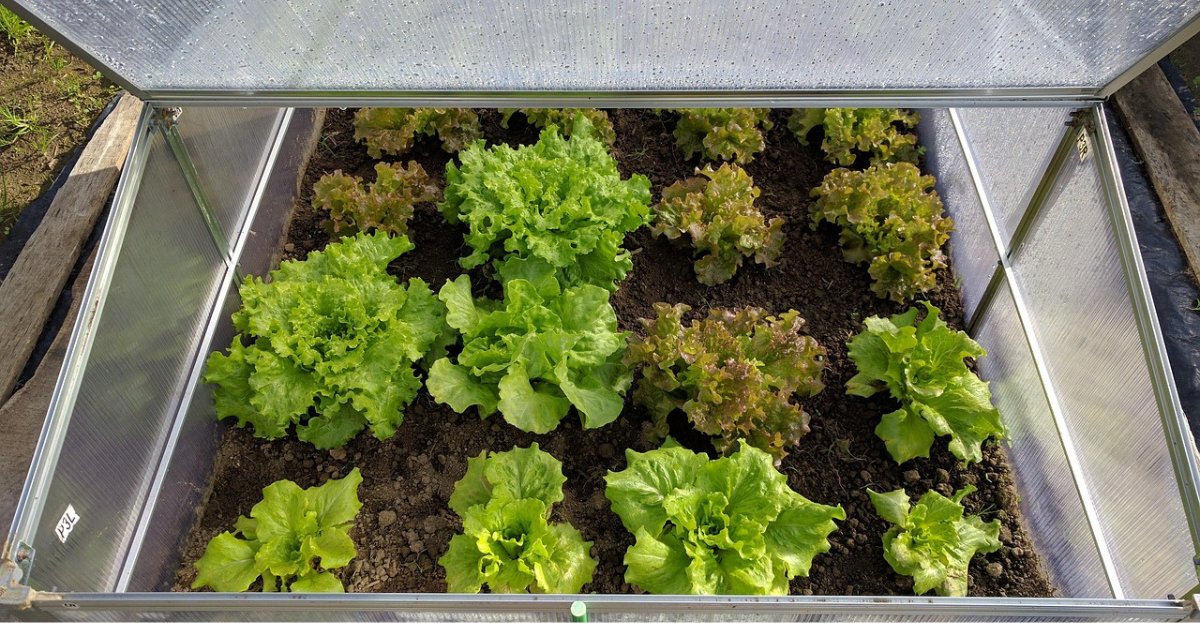
- Hardy salads
- Onions from seed
Reuse containers
Toilet rolls, yoghurt pots, mushroom trays, and old seed trays all make excellent sowing containers.
Sustainable tip:
If seedlings look leggy, it’s often a light issue — not a temperature one. Move them closer to daylight rather than turning up the heat.
Vegetables: Gentle Progress, Not a Full Sprint
There’s still plenty you can do on the plot without battling the weather.
Plant Jerusalem artichokes in prepared ground — they’re tough, productive, and great for food security.
Chit early potatoes using egg boxes or reused trays.
Lift remaining root crops like parsnips and swedes before they regrow.
Keep weeds in check around garlic and overwintered onions while they’re small.
Sustainable tip: Leave some weeds or wild corners undisturbed — early insects rely on them when little else is growing.
Flowers for Pollinators, Not Just for Show
February flower jobs aren’t just about colour — they’re about supporting wildlife later in the year.
Sow hardy annuals
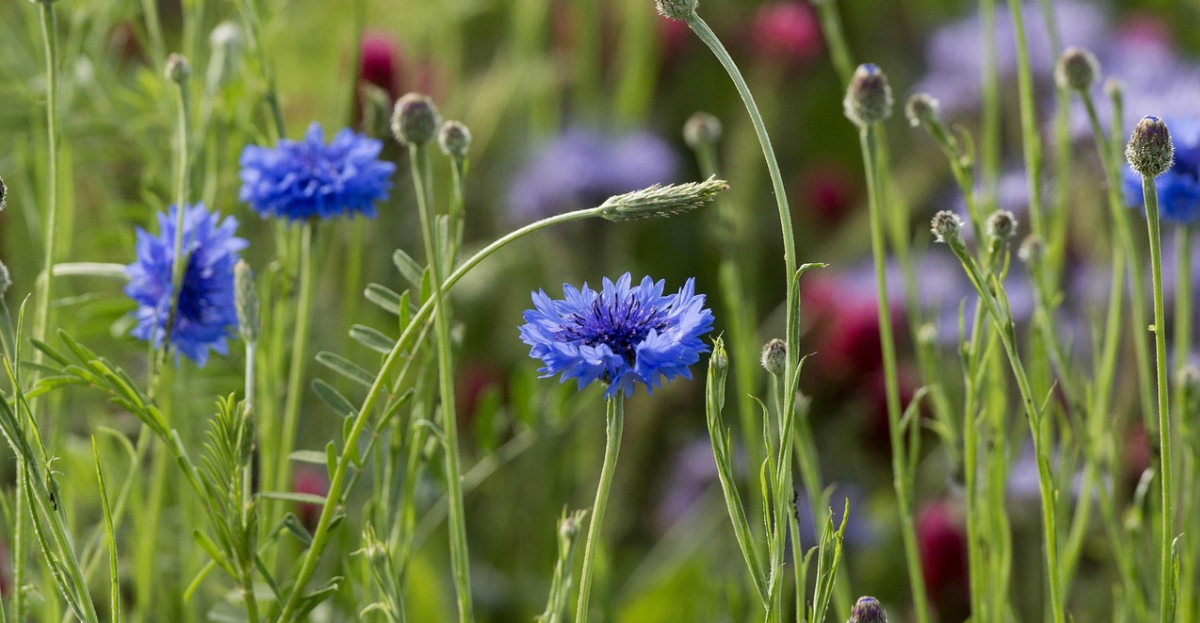
Calendula, cornflower, and nigella can be sown under cover now. They’ll be ready early, providing vital nectar when pollinators emerge.
Check stored tubers
Inspect dahlias and other stored roots, removing any rot before it spreads. Pot up only what you have space for — excess plants often go to waste.
Sustainable tip:
Choose flowers that self-seed or return year after year to reduce buying and replanting.
Fruit Garden: Long-Term Thinking Pays Off
Fruit is one of the most sustainable things you can grow, and February is your last big chance to get plants established.
- Finish planting bare-root fruit trees and bushes
- Prune autumn-fruiting raspberries down to ground level
- Mulch around fruit plants to feed the soil and suppress weeds
- Use cloches sparingly on strawberries — warmth is helpful, but ventilation matters
Mulch with what you have — compost, leaf mould, woodchip paths — rather than buying new materials.
Greenhouse
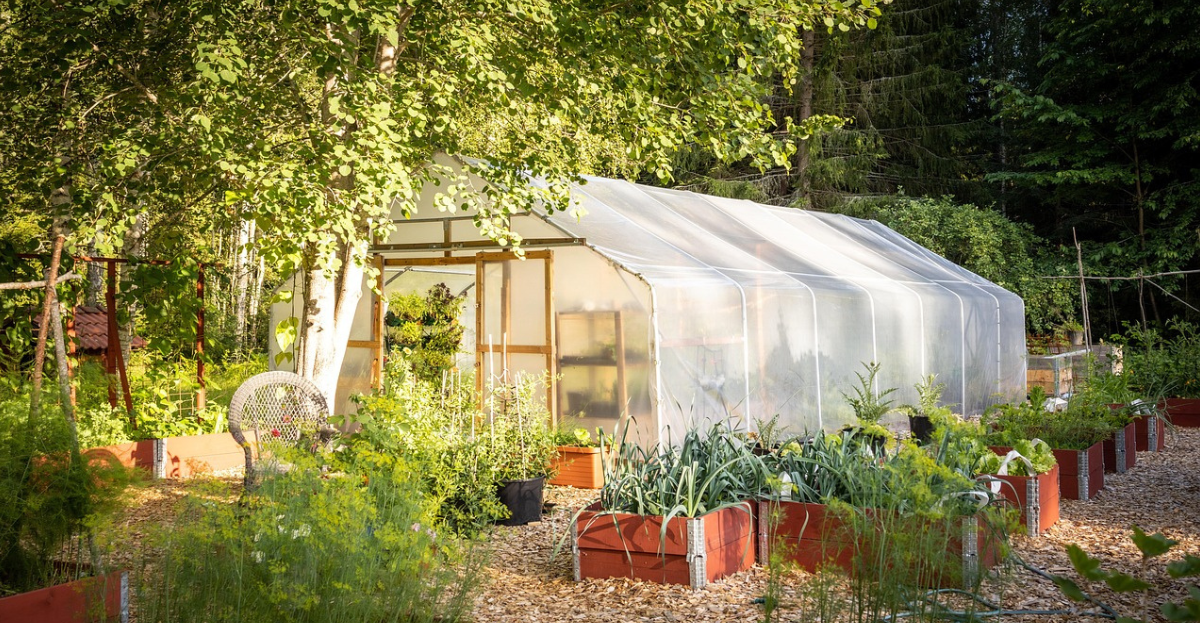
Your greenhouse doesn’t need to be tropical to be productive in February.
Clean and declutter
Wipe down glass to maximise light levels and reuse old trays rather than buying replacements.
Vent on mild days
Good airflow prevents mould and reduces the need for chemical controls later.
Hold off on tender crops
Tomatoes, peppers, and aubergines are better started later unless you have excellent light and warmth — patience saves energy and disappointment.
Sustainable tip:
A fleece layer or bubble wrap insulation is often more effective (and greener) than heaters.
February Is About Intentions, Not Just Tasks
Sustainable gardening isn’t about doing more — it’s about doing things at the right time, in the right way. February gives you space to slow down, care for your soil, and make thoughtful choices that ripple through the whole growing season.
By focusing on soil health, reusing materials, supporting wildlife, and planning realistically, you set your allotment up for a productive, low-impact year — before the real rush of spring even begins.
Looking for Even More February Inspiration?
If you’re keen to keep busy on the plot this month and want a more traditional, task-by-task checklist, you can also take a look at our February allotment blog from last year.
It’s packed with practical sowing, planting, and maintenance jobs to help you make the most of the month — and it pairs perfectly with this year’s more sustainability-focused approach.
Join The National Allotment Society
Become a National Allotment Society member and help to preserve and protect allotments for future generations.
You'll also gain a range of benefits, including free liability insurance, initial legal support, expert advice and much more.

Non Member Newsletter Signup

National Society of Allotment & Leisure Gardeners Ltd
Registered in 1930 under the Industrial & Provident Societies Acts no. 11144R
VAT No. 1212930 14
Patron His Majesty King Charles III
© 2022-2023 National Society of Allotment & Leisure Gardeners Ltd