Cultivating Resilience - Preparing Your Allotment for a Drought-Prone Future
Drought doesn't have to spell disaster for your allotment. With thoughtful preparation, smart plant choices, and proven water-wise techniques, you can build resilience into your plot that will serve you well in our increasingly unpredictable climate.
GrowMad’s David Hinckley lifts the lid and digs a little deeper…
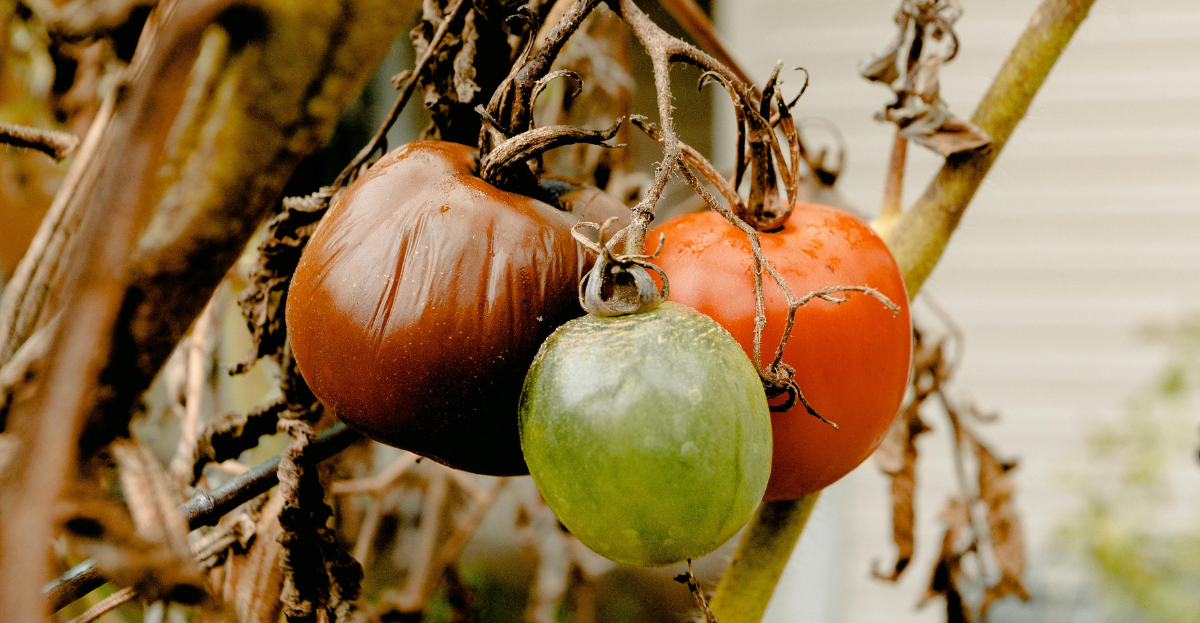
As growers and gardeners, we are all at the mercy of the weather.
When I was a child, my father often said the weather was changing. In his day, summers seemed reliably warm, winters cold - perhaps because there was no central heating or air conditioning to take the edge off.
1. At the mercy of the weather
As growers and gardeners, we are all at the mercy of the weather.When I was a child, my father often said the weather was changing. In his day, summers seemed reliably warm, winters cold - perhaps because there was no central heating or air conditioning to take the edge off.
Today, the changes are impossible to ignore. I can’t recall the last decent snowfall we’ve had on our smallholding, yet I clearly remember hedgerows burning in 40°C heat within the past three years.
Climate change isn’t coming; it’s here. And on the allotment, where pests, diseases, weed pressure, and hard work already test us, drought is an added battle we can’t afford to lose. But there are ways to fight back -and win.
Hotter summers, drier soils, and unpredictable rain are here to stay. Here’s how to keep your allotment thriving when every drop counts. Let’s lift the lid on learning to garden smarter - even when the sky forgets to rain.
2. Rain Capture and Storage
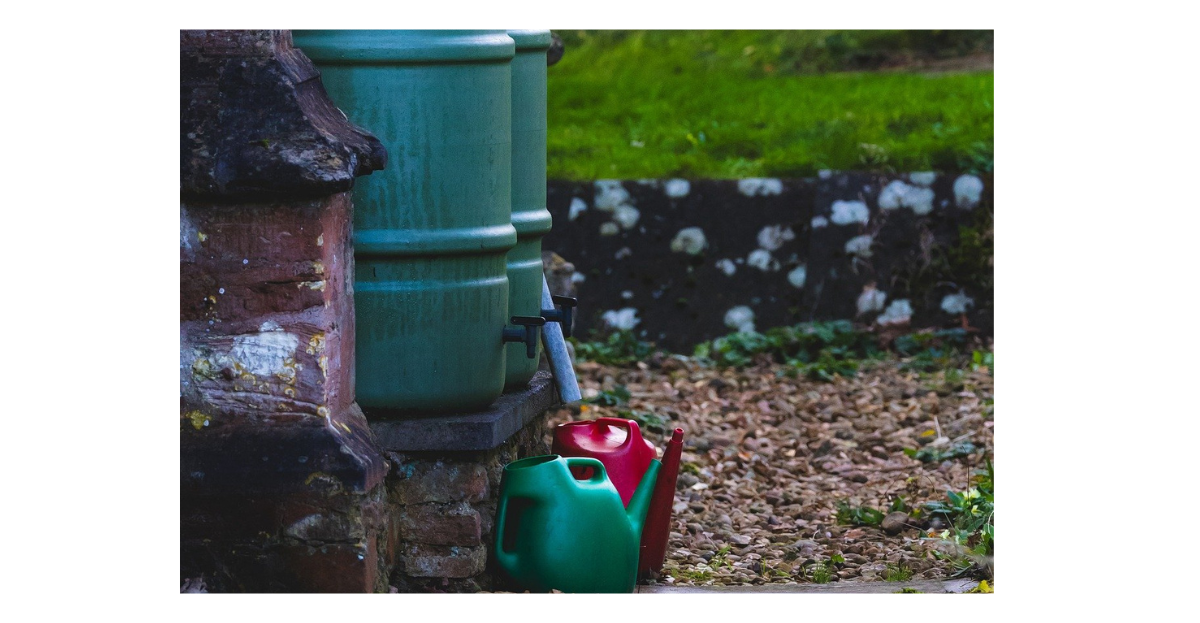
Link water butts together to maximise rainwater storageThis may seem to be an obvious choice, but you would be surprised at the number of growers who don’t collect rainfall. Think beyond a single water butt - the key is storage volume. Rainwater harvesting is an essential part of dealing with drought.
Link gutters from sheds and greenhouses to water butts, or for larger-scale water storage, consider using IBCs to maximise rainwater capture. They can even be linked together for increased storage. Cover waterbutts and IBCs to reduce algae growth. Store every drop you can.
3. Incorporate Organic Matter
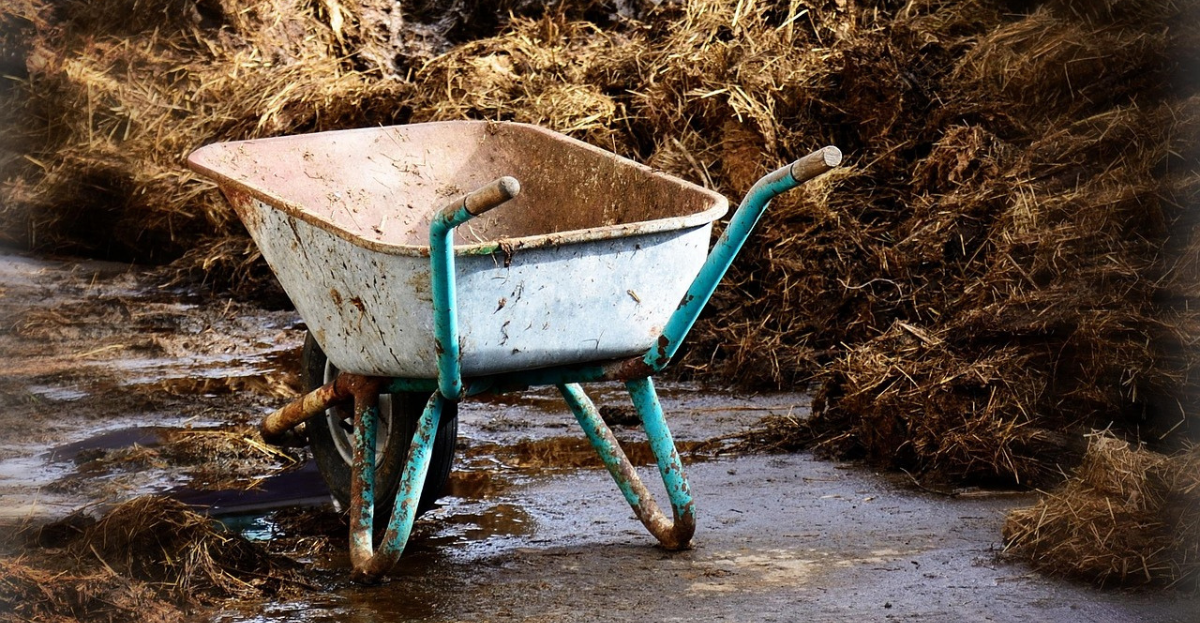
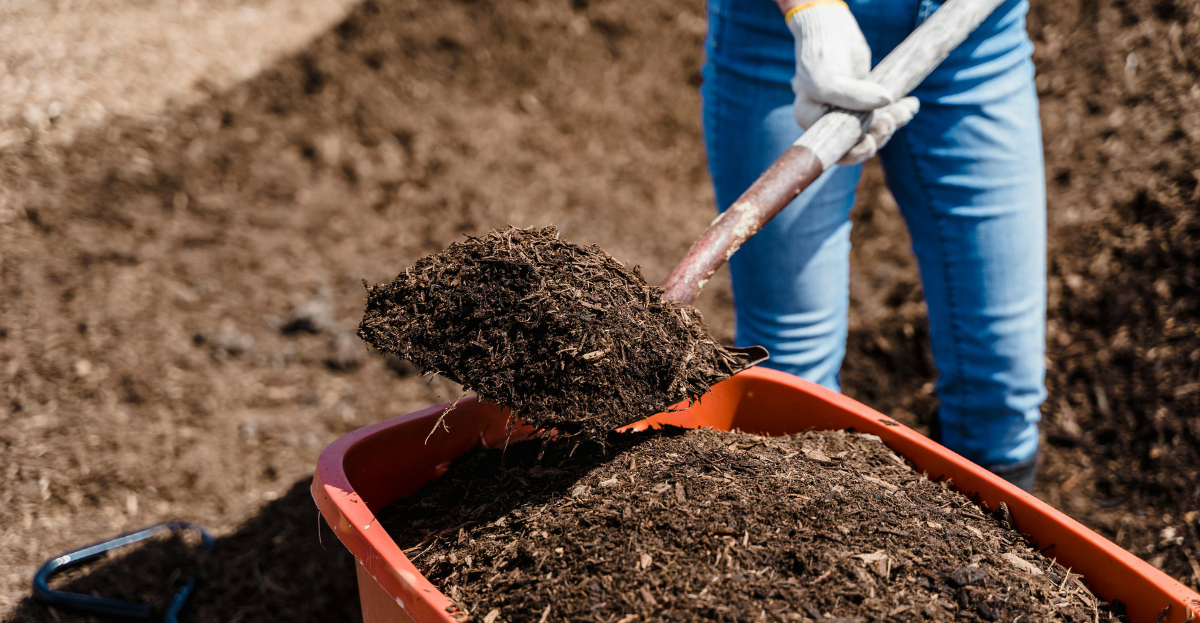
Incorporating organic materials into your plot, such as well-rotted manure, compost, or leaf mould, is an excellent way to retain moisture in the soil. They act like a sponge, improving soil structure and rapidly increasing water-holding capacity.Also utilise green manures and cover crops such as phacelia on any empty growing spaces. Consider using Biochar, which improves soil aggregation and structure, further contributing to its water-holding capacity as well as creating a healthier soil environment for plant growth.
4. Consider No-Dig Gardening
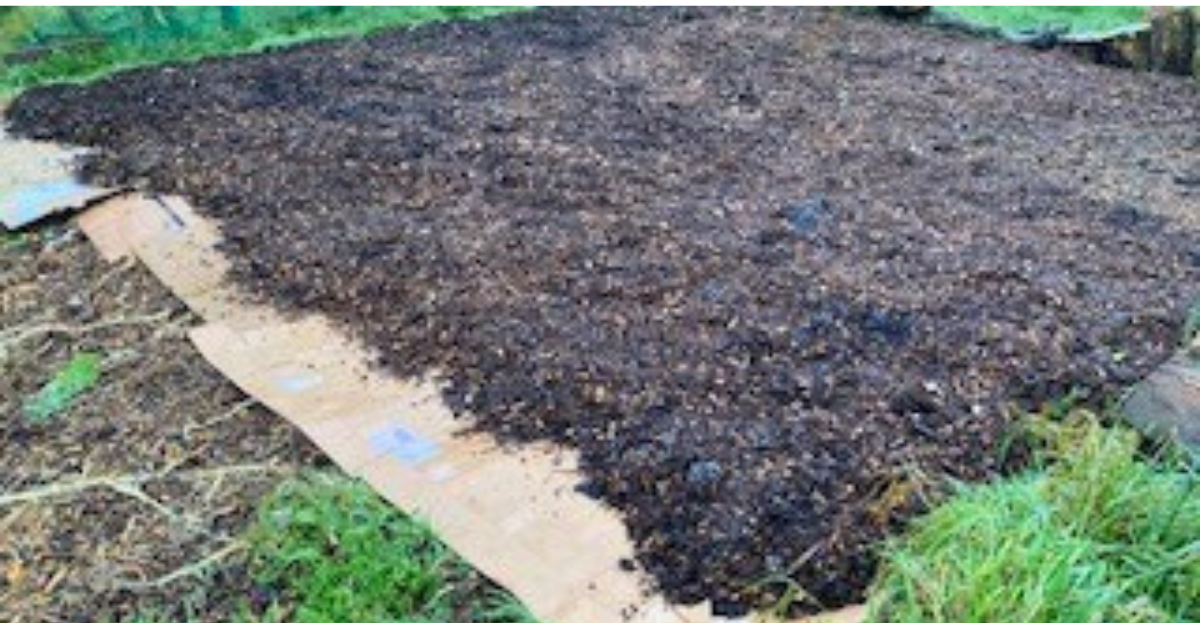
Adopting a no-dig gardening approach will help preserve soil structure by avoiding soil disturbance. You can prevent the soil from drying out and maintain the natural sponge-like structure.You will also be protecting the environment that supports a thriving ecosystem of microbial life and other soil organisms like mycorrhizal fungi and worms.
5. Optimise Your Soil Biology
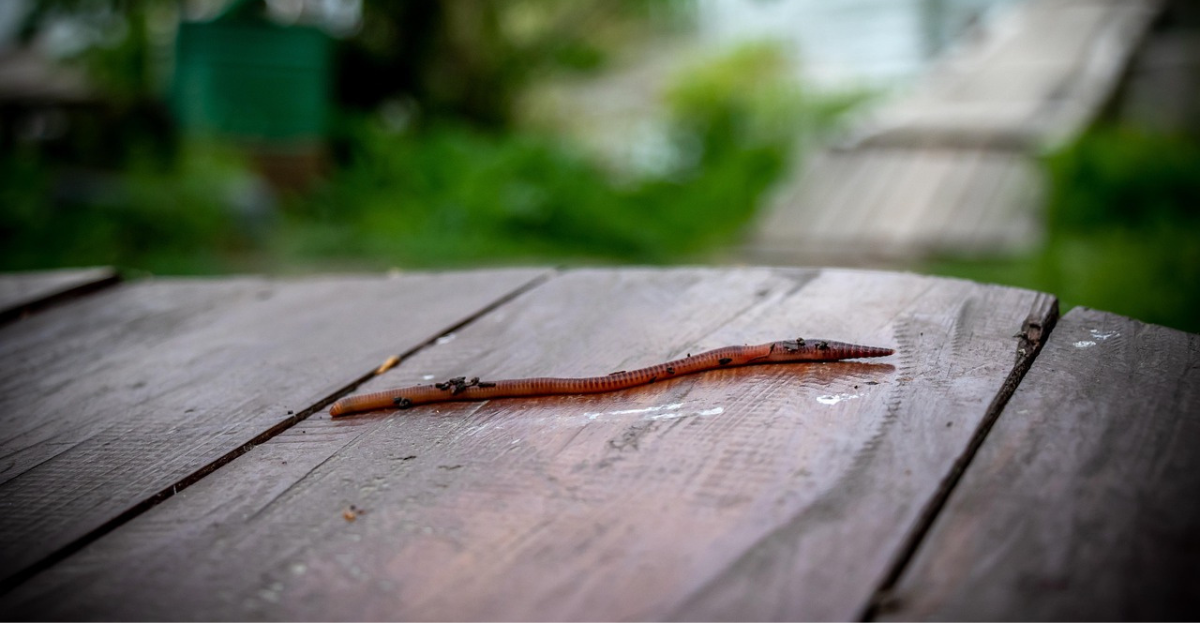
Optimising your soil biology should be a priorityOptimising your soil biology on your plot enhances plant resilience during drought by improving soil structure, increasing moisture retention, and facilitating nutrient uptake. A healthy, biologically diverse soil acts as a buffer against water scarcity, creating a more stable environment for plants. A thriving soil food web, including earthworms, fungi, and bacteria, creates a more porous, sponge-like soil structure.
Earthworms and other soil macrofauna create channels that allow water to infiltrate deeper into the soil rather than running off the surface. Microbes, especially fungi and bacteria, produce glues and organic compounds that bind soil particles together into stable aggregates. This aggregation increases the soil's capacity to store water and makes it more accessible to plant roots.
Soil microbes can also directly help plants manage stress. Some microbes can trigger a plant's natural defence mechanisms, helping it better tolerate drought conditions. They can influence a plant's ability to regulate its water balance by producing compounds that act as osmolytes, which help cells retain water. Additionally, some microbes produce hormones that regulate stomatal closure, helping the plant conserve water while still allowing for essential gas exchange. This ensures the plant can continue to photosynthesise and grow, even during periods of water stress.
6. Engineer Your Microclimate
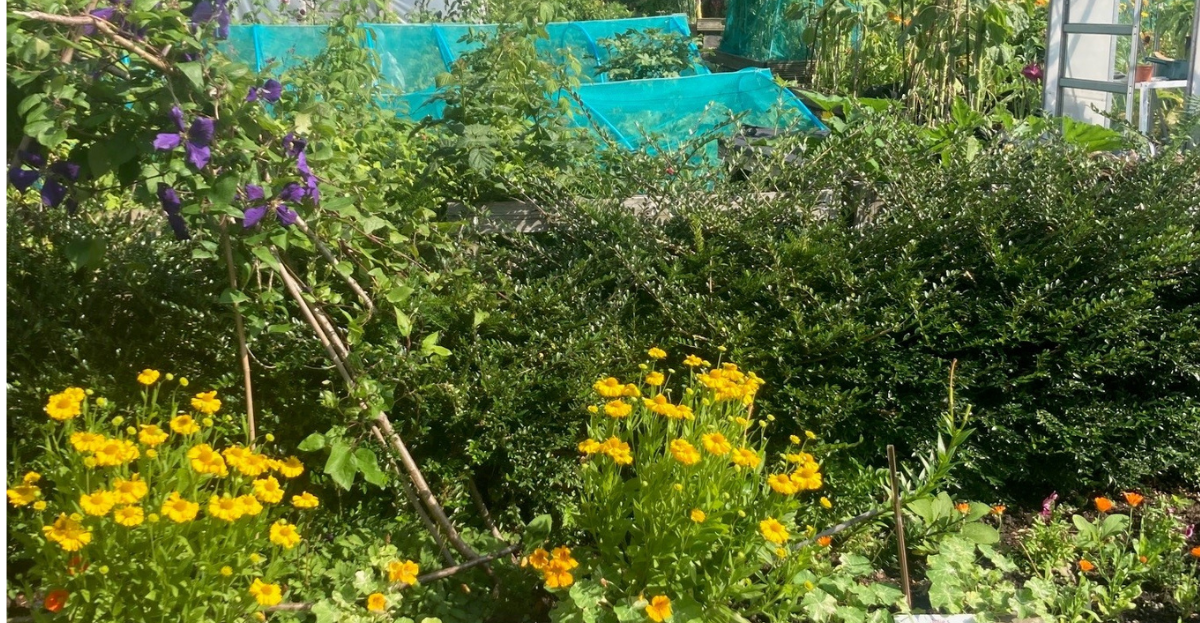
Plant windbreaks to reduce evaporation and cover vulnerable crops with Lightweight shade netting during heatwaves, or consider planting tall crops alongside shorter crops in summer to create shade.
7. Learn to work with Drought, not against it
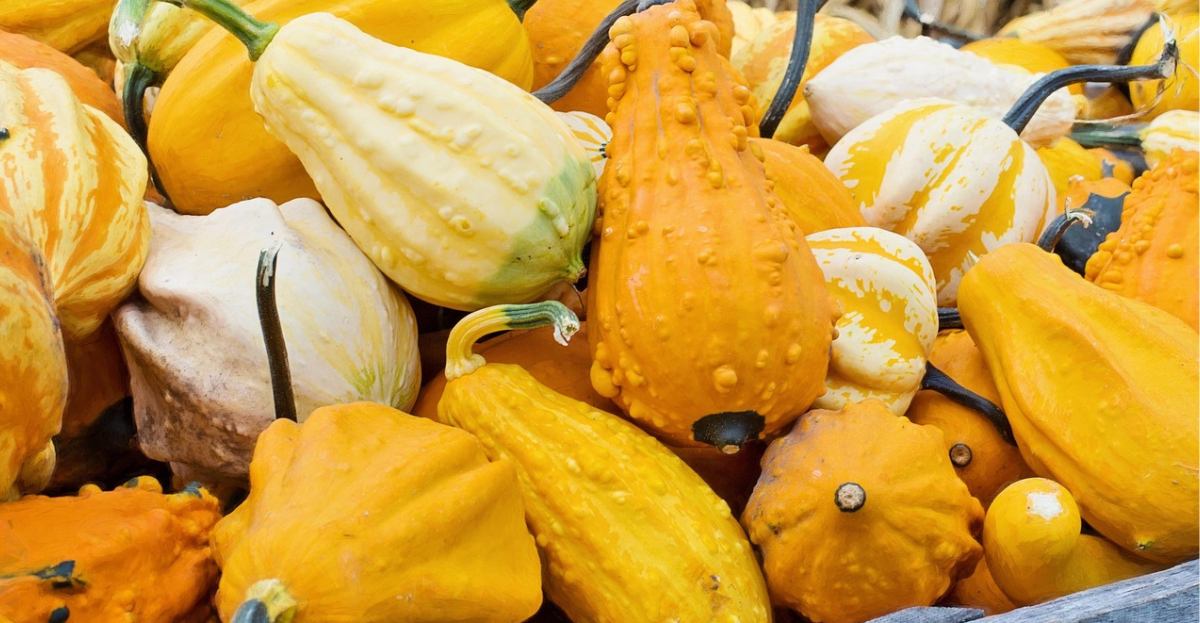
There are going to be increased periods of drought in future seasons - let’s learn to deal with it. Plant selection can make a huge difference. Plant and grow heat/drought-tolerant species and varieties, such as squash species, certain brassicas, sweet corn, and root crops that have deep rooting systems. Many heritage or heirloom varieties are well-suited to dry spells, too, which is one of the reasons they have stood the test of time. Make enquiries with seed companies regarding suitable varieties; they will always be more than happy to offer qualified advice. With climate change, some varieties can now be planted outside their traditional planting dates - try planting earlier, or later than the norm.Stagger Planting Dates - Successional sowing in small batches at varied times will help spread the risk, hopefully ensuring that at least some batches will mature. Also, start plants in larger pots (2 or 3 litres) for more intimate establishment for planting-out at a later date than the usual planting dates when more rain could be expected. Planting more densely, where appropriate, can also be advantageous for crops such as lettuce; slightly denser planting can shade soil and reduce evaporation.
8. Mulch, Mulch, Mulch…
Applying layers of mulch to the ground is one of the best ways to retain moisture already in the soil. Mulch shades the soil, reducing evaporation by up to 70%. It has the added benefit of suppressing weeds and ultimately, adding organic material back into the soil. Use grass clippings, compost, straw, leaf mould or digestate (a by-product from anaerobic digestion). As an alternative, you can use biodegradable fabrics available from several leading suppliers.
Covering crops during drought with fleece can reduce evaporation
As well as mulching around the plant roots, consider mulching the entire plant. Using horticultural fleece to cover your crops in the height of summer may seem an odd thing to do, especially as its main role is as a protectant against frost. However, it is great at retaining moisture, especially from plant transpiration. You have the added benefit of protection against a whole range of pests, including cabbage white butterflies, flea beetle and wood pigeons.
9. Consider Using Biostimulants
Biostimulants can make a huge difference
For home gardeners, biostimulants, other than seaweed-based products, are a relatively new concept. They can significantly help plants handle abiotic environmental stresses like drought. Biostimulants are substances or microorganisms that enhance plant growth and development by stimulating natural processes. Unlike fertilisers, they do not directly supply nutrients. Instead, they improve a plant’s ability to access and utilise existing nutrients, strengthen stress tolerance, and promote overall plant health. Widely adopted in the commercial sector, one of the greatest benefits of biostimulants is their ability to help plants cope with environmental stresses, such as drought and extreme temperatures, making them valuable tools for sustainable and resilient growing.

10. Water Smarter
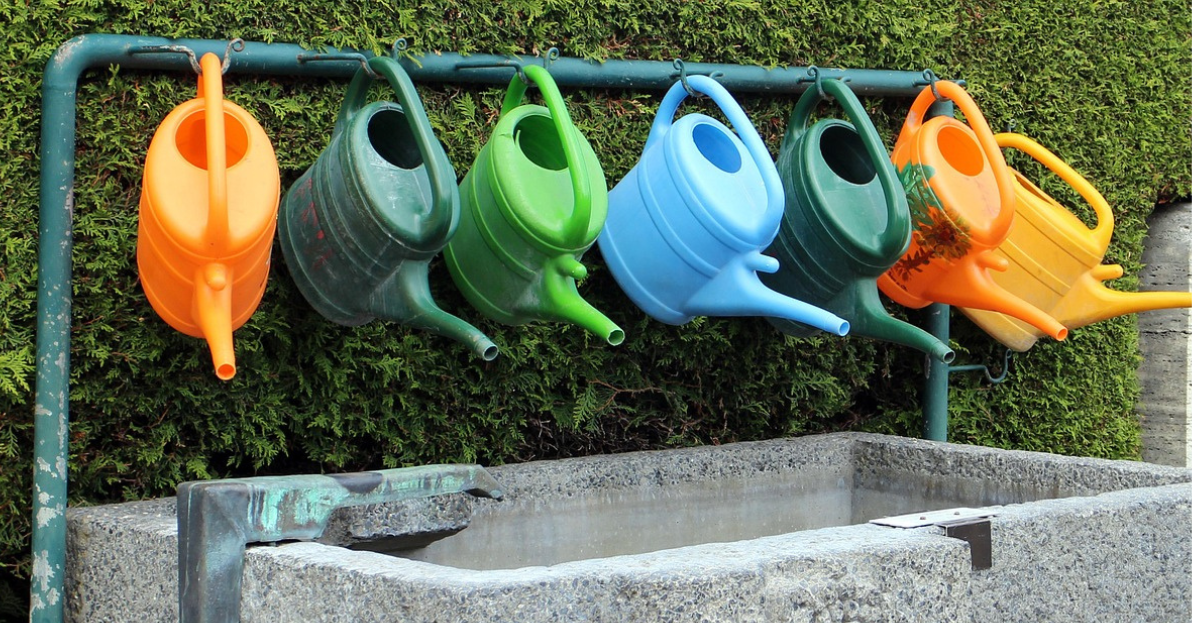
Water at the right time - The best time for watering is the first thing in the morning or the last thing in the evening to reduce evaporation. Avoid watering in the middle part of the day.Target Water - Water the plant root areas, not the entire plot or paths.
Deep Watering
Conclusion & Takeaway
The one thing that’s predictable about our weather and climate is – it’s unpredictable.
Global warming and its profound effects for us all are no longer distant threats; they are here, and we may have to challenge traditional thinking about what successful growing looks like.
It's time for all of us to respond with clear-headed action.
Written by: GrowMad’s David Hinckley
 (002).png)
Join The National Allotment Society
Become a National Allotment Society member and help to preserve and protect allotments for future generations.
Non Member Newsletter Signup

National Society of Allotment & Leisure Gardeners Ltd
Registered in 1930 under the Industrial & Provident Societies Acts no. 11144R
VAT No. 1212930 14
Patron His Majesty King Charles III
© 2022-2023 National Society of Allotment & Leisure Gardeners Ltd