Managing Rats on Your Allotment
Rats are found throughout the UK, in both urban and rural areas, including gardens and allotments. While they are often seen as harmless scavengers, they can cause serious problems by damaging crops and spreading disease.
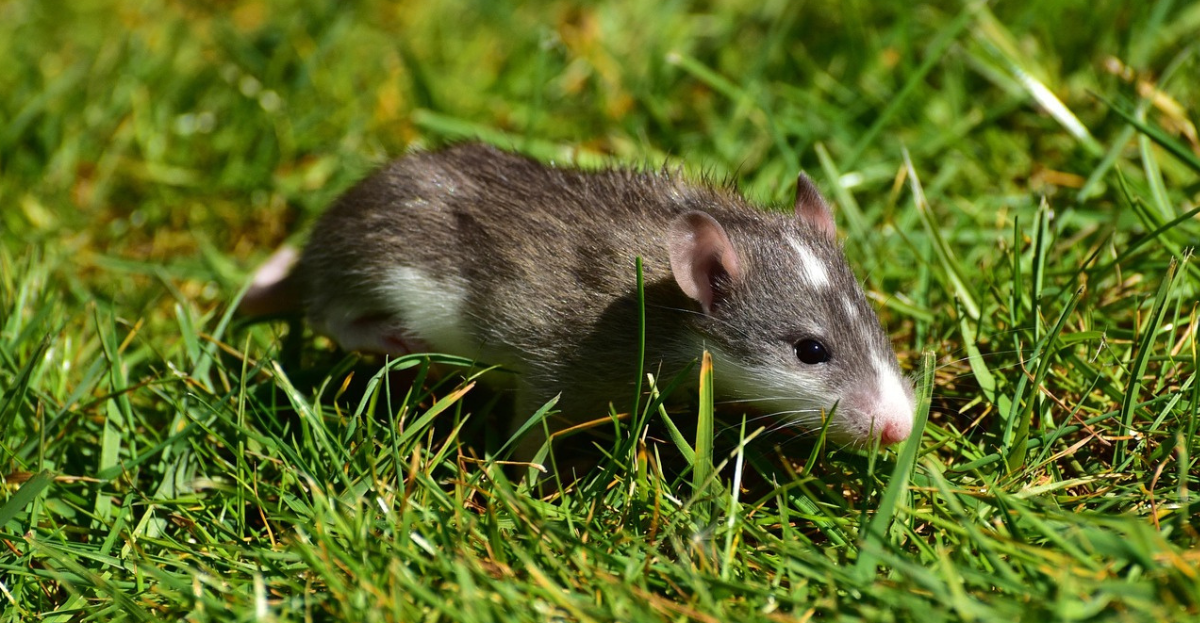
For allotment owners, understanding how rats behave, what they eat, their history in the UK, and how to prevent infestations is essential. With the right knowledge and management, gardeners can keep their plots safe, healthy, and productive.
History of Rats in the UK
Rats have been present in the UK for centuries. Theblack rat (Rattus rattus) arrived with Roman traders, but it wasn’t until the 17th–19th centuries that rat populations surged.
The brown rat (Rattus norvegicus)entered the country during this period, displacing the black rat. Expanding urban areas, trade, and travel brought rats into gardens and allotments, where they found plentiful food and shelter.
Life Cycle of Rats
Rats are prolific breeders:
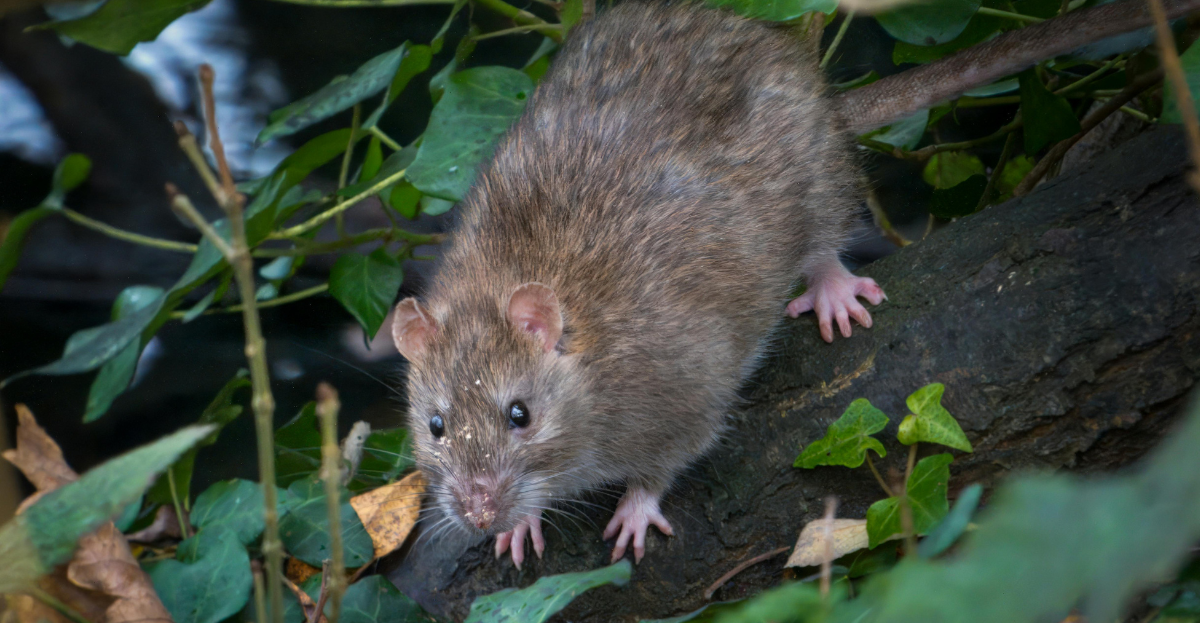
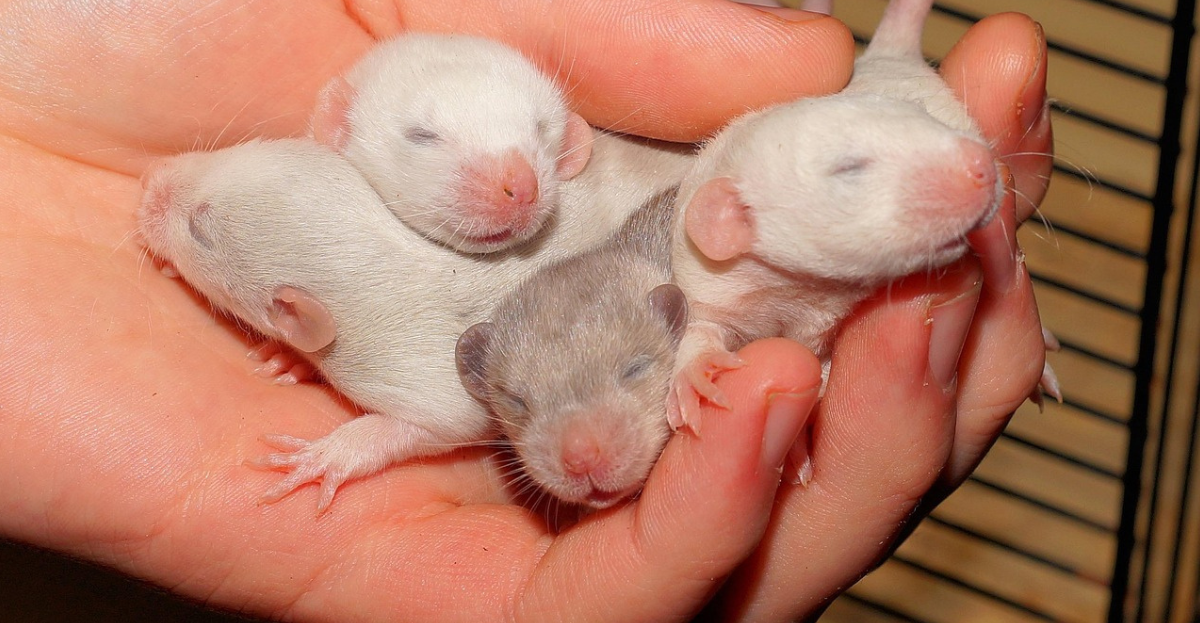
A female rat can produce up to five litters per year, each with
up to 12 offspring.
They reach breeding age at around three months.
Lifespan in the wild is roughly one year one year , though in
captivity, they can live up to three years.
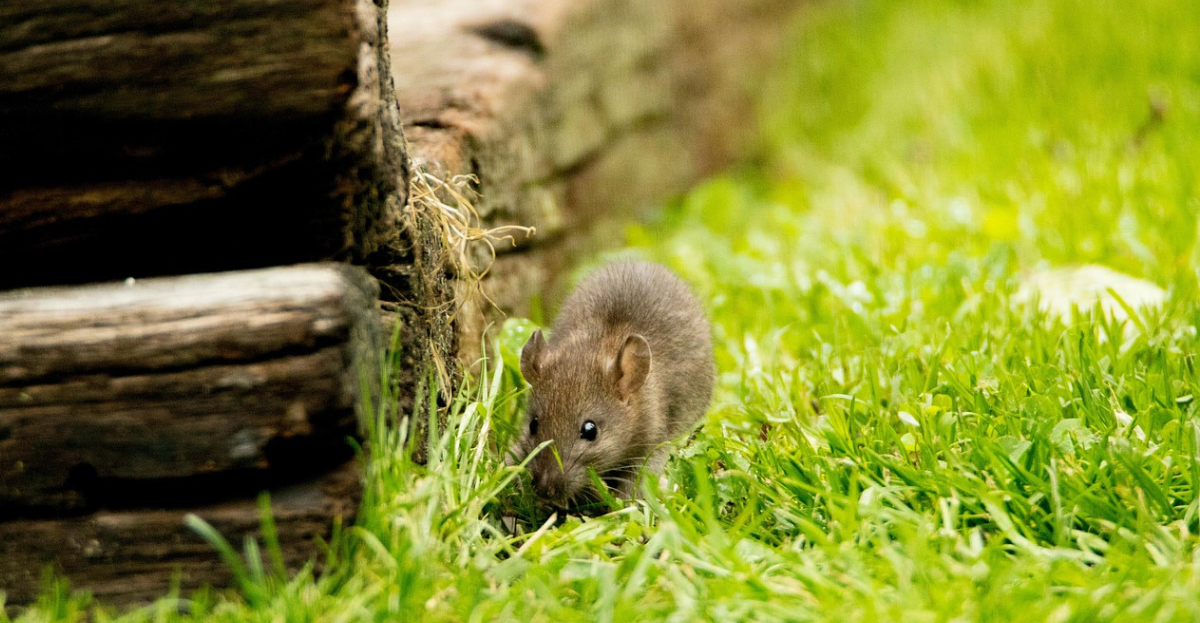
Rats are nocturnal, which is why we rarely see them, and are skilled climbers, swimmers, and diggers, making allotments easily accessible.
The Rat’s Diet
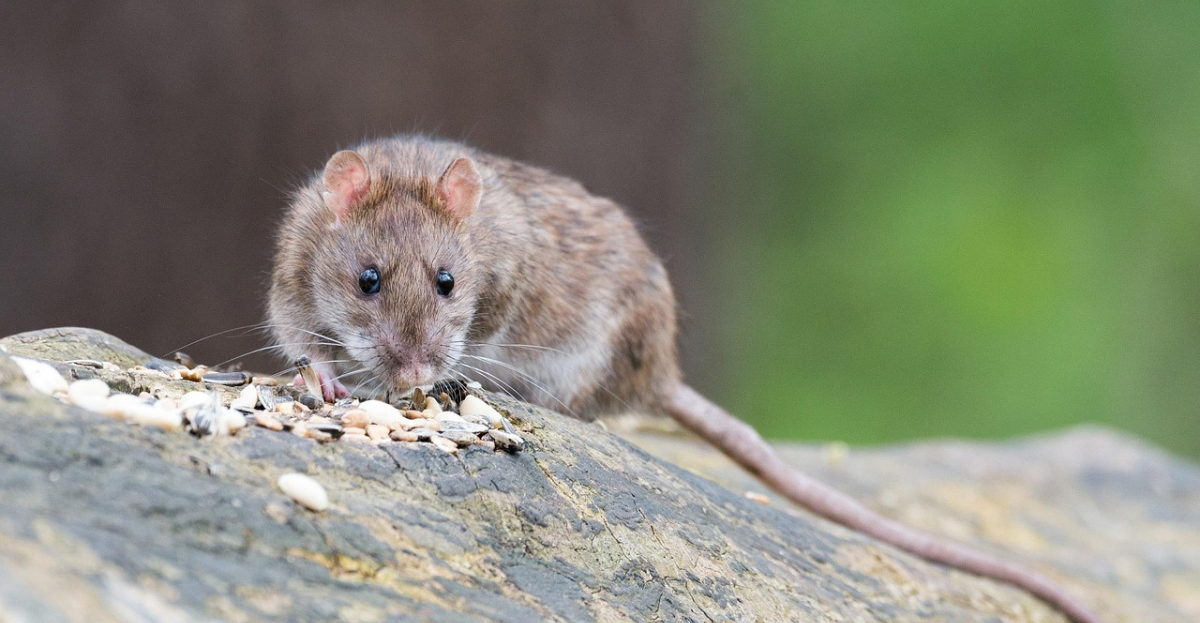
Rats are omnivores but prefer:
- Grains, seeds, and nuts
- Fruits and vegetables
- Occasionally, insects or small animals
- They are opportunistic feeders, meaning compost bins, fallen fruit, and spilled chicken feed are highly attractive to them.
Rat Behaviour and Habits
Rats practice coprophagy, eating their own faeces to extract remaining nutrients.
They prefer to stay hidden, sticking to the edges of fences, buildings, and hedges.
Compost bins are appealing because they provide
food, shelter, and protection from predators
Rats can chew through thick plastic bins, metal feed containers, and even climb smooth surfaces.
Tip:
Frequent disturbance of compost bins — turning contents regularly — can make them less appealing to rats.
Health Risks from Rats
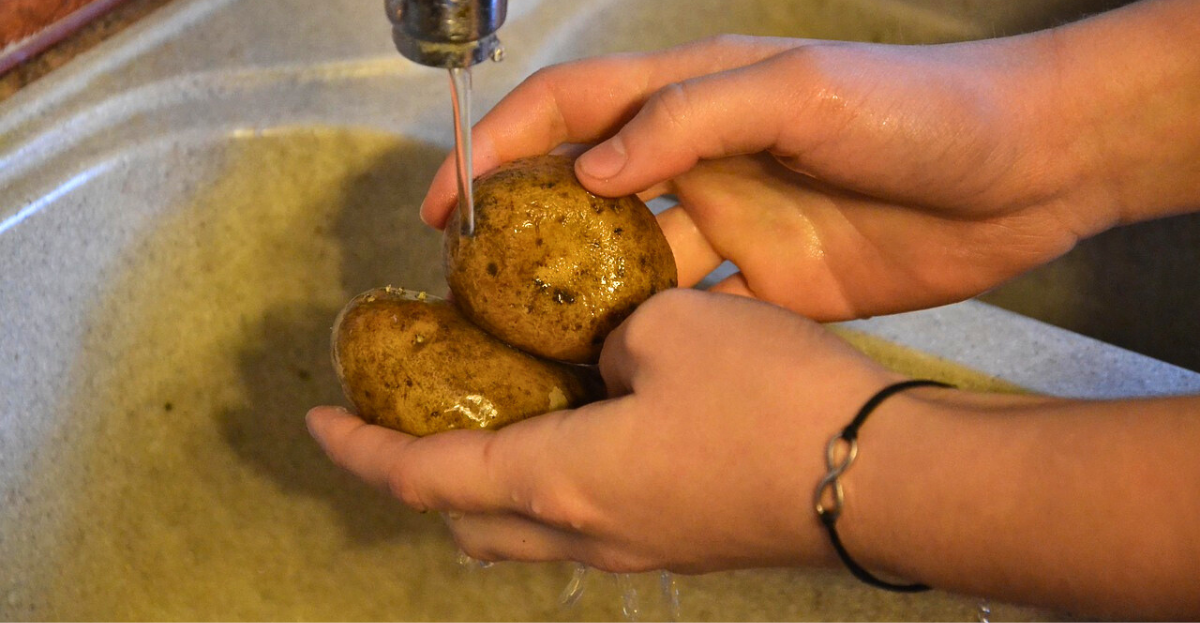
Rats can carry several diseases harmful to humans:- Leptospirosis (Weil’s disease)
- Salmonella
- Listeria
- Toxoplasma gondii
- Hantavirus
Enhanced Prevention Strategies
Preventing rats is the most effective strategy.
By making your allotment unattractive, you reduce the risk of infestations and protect your crops and health.
1. Maintain a Tidy Plot
- Remove debris, overgrown plants, and clutter that could provide shelter.
- Store timber, old netting, and other materials off the ground
- Keep pathways clear to reduce hiding spots along plot edges.
- Turn compost at least twice per year to disturb rats.
- Avoid composting meat, dairy, cooked foods, or bones.
- meat, dairy, cooked foods, or bones
- Line bins with fine-gauge wire mesh or place on paving slabs to prevent burrowing.
- Regularly inspect bins to ensure they remain unwelcoming to rats.
3. Secure Food Sources
- Harvest fruit and vegetables promptly.
- Never leave discarded produce on the ground.
- Store seeds, bulbs, and feed in
- rodent-proof containers
- Clean up spilt feed immediately
- Seal sheds and greenhouses to block entry.
- Elevate wooden structures slightly off the ground to make burrowing harder.
- Plant strong-smelling herbs like mint, garlic, or rosemary around plot edges.
- Install owl boxes or encourage cats and foxes as natural predators.
- Avoid stagnant water sources.
- Keep long grass, hedges, and dense undergrowth trimmed.
- Check for droppings, gnawed items, tracks, and burrows.
- Early detection allows action before infestations grow.
Control Methods
If prevention isn’t enough and the problems persist, consider the following optionsas a final resort; in most cases, it would be the land manager who is responsible for this:
Trapping:
- Humane traps can be used to capture rats for relocation.
Poisoning:
- Anticoagulant baits (e.g., warfarin) are effective but can be hazardous to pets and wildlife.
Rat Proofing:
- Seal holes and gaps in sheds, greenhouses, and fences.
Disturbance:
- Noise, movement, and regular handling of compost can encourage rats to leave.
Hygiene:
- Keep plots clean to remove food sources.
Join The National Allotment Society
Become a National Allotment Society member and help to preserve and protect allotments for future generations.
You'll also gain a range of benefits, including free liability insurance, initial legal support, expert advice and much more.
Non Member Newsletter Signup

National Society of Allotment & Leisure Gardeners Ltd
Registered in 1930 under the Industrial & Provident Societies Acts no. 11144R
VAT No. 1212930 14
Patron His Majesty King Charles III
© 2022-2023 National Society of Allotment & Leisure Gardeners Ltd