Make Every Drop Count – Rainwater Harvesting on Your Allotment
Collecting rainwater on your allotment is a simple way to
help the environment, reduce your water bills, and keep your plants happy.
Using rainwater instead of the mains supply is better for the planet, and most plants actually prefer it.
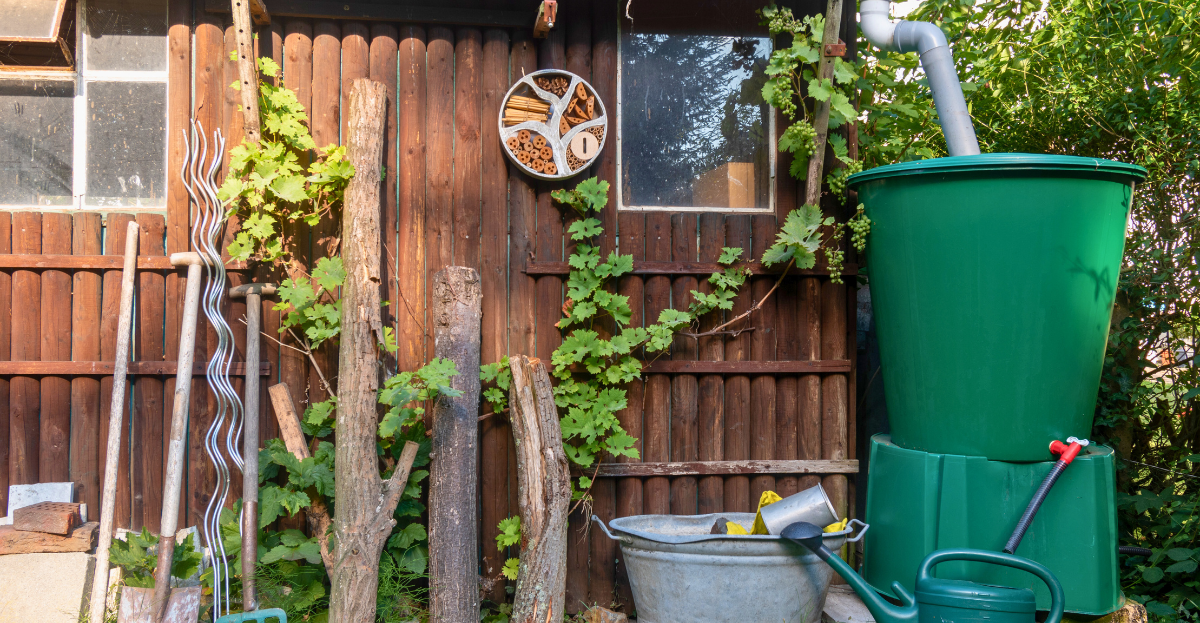
Unfortunately, most rainfall occurs in winter, while plants need water mostly in summer, creating a dilemma for plot holders: how to collect and store enough rainwater, or when to rely on the Mains supply.
How Much Water Do You Need?
Water requirements vary depending on soil type, climate, and crops. For example:- With mulching and no-dig, a typical plot might use around 2,000 litres per year.
- A plot with many leafy crops grown on open soil could use over 8,000 litres per year
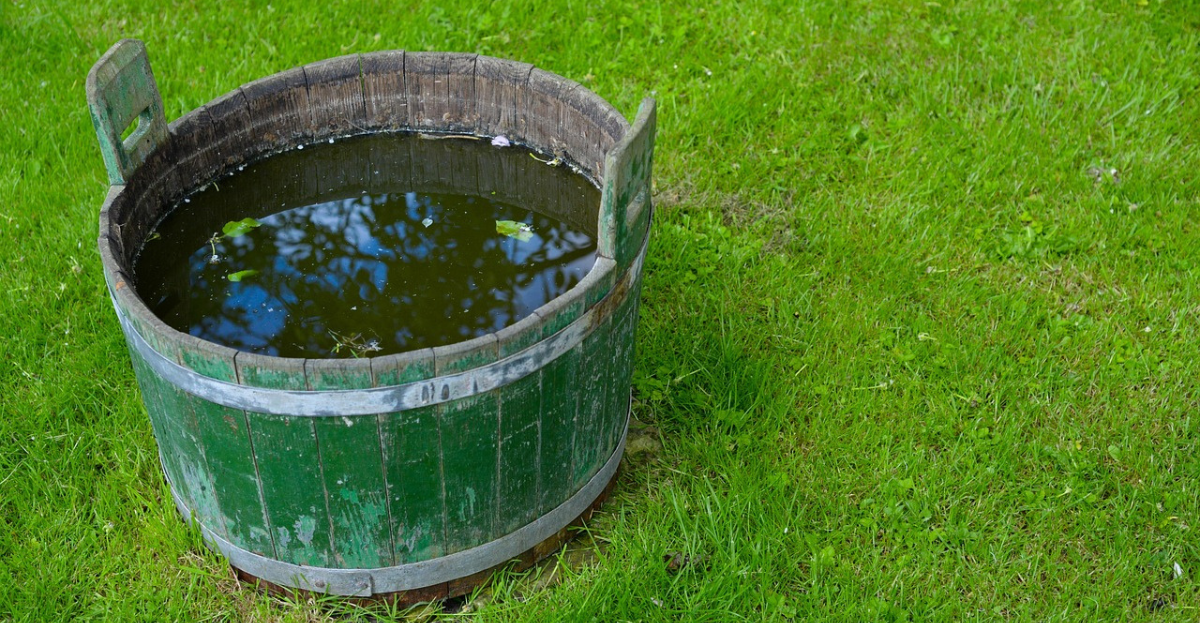
Collecting Rainwater
Rainwater can be harvested from:- Artificial structures – roofs of sheds, greenhouses, polytunnels.
- The landscape – swales, terraces, French drains, or runoff from paths and other hard surfaces.
Storage is much easier if water is collected above ground, as gravity can feed it into barrels or containers. For polytunnels, installing timber rails about 1 metre off the ground on the inside allows square-section guttering to be attached to the outside. Silicone sealant ensures water runs straight into the gutter.
For storage, there are a few popular options:
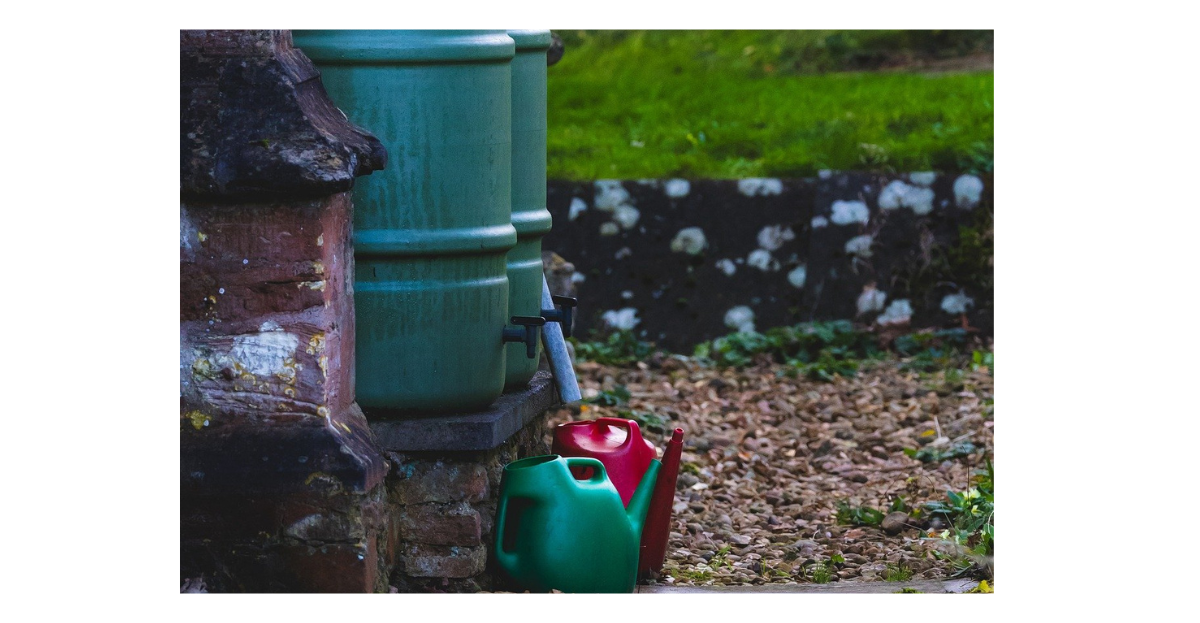
- Plastic barrels (200 litres) – cheap, simple, and effective
- Intermediate Bulk Containers (IBCs, ~1000 litres) – offer larger capacity, but check what they previously contained and paint or shade them to prevent algae growth.
Raise containers for easier access, interconnect them for filling, and always use lids to reduce evaporation and prevent accidents.
Typically, you can use about 80% of the collected water, as some will be lost to evaporation.
Watering Wisely
How you water can be just as important as how much you collect. Some simple tips:Water the soil at the base of plants, under the foliage, to direct water to the roots.
Avoid watering in the middle of a sunny day; early morning or late evening watering allows roots to absorb more.
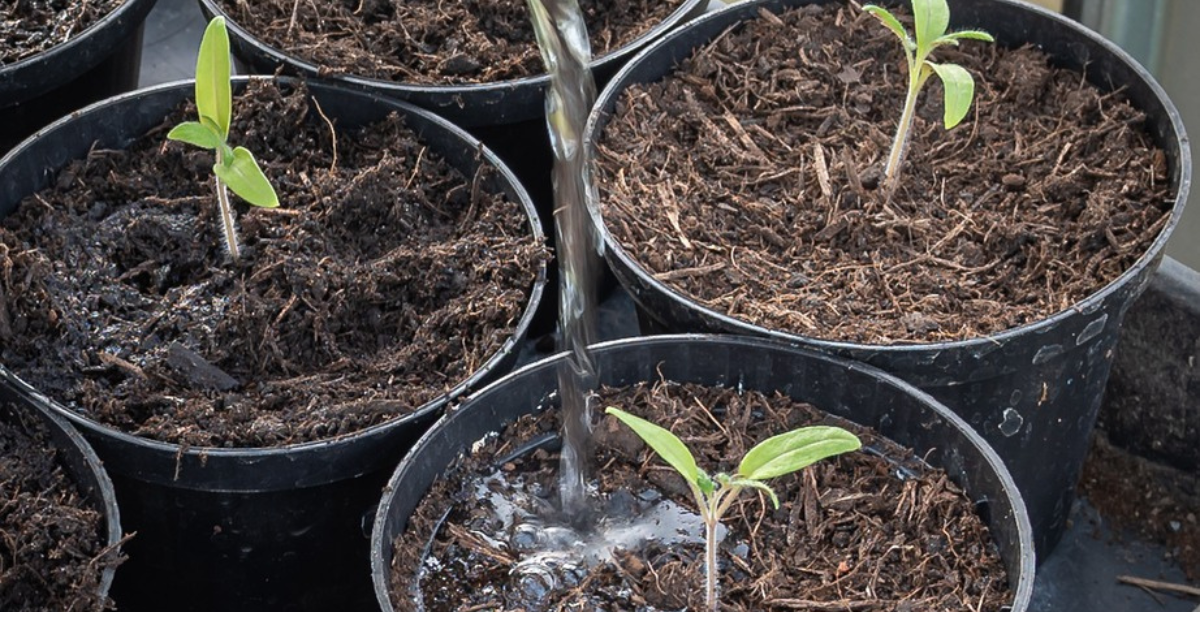
Seedlings and small pots may need light and frequent watering; using a tray to water potted seedlings works well.
Encourage established plants to develop deep roots by watering deeply once a week rather than lightly every day.
Water the soil lightly before sowing seeds to prevent slumping or capping, which can hinder germination.
Some plants, like peas and beans, may benefit from occasional periods of reduced watering. Root vegetables, like carrots and parsnips, usually need less frequent irrigation.
Make Rainwater Work for You
Collecting and using rainwater isn’t just eco-friendly—it’s practical, too. It ensures your plants get the water they prefer, reduces reliance on mains water, and can even save you money. With a few barrels, some simple drainage, and a bit of careful planning, your allotment can become more resilient through dry spells and summer heatwaves.
Every drop counts, and starting now means your garden will be ready for the months ahead. So grab a barrel, direct that runoff, and let your plants drink straight from the sky!
Join The National Allotment Society
Become a National Allotment Society member and help to preserve and protect allotments for future generations.
Non Member Newsletter Signup

National Society of Allotment & Leisure Gardeners Ltd
Registered in 1930 under the Industrial & Provident Societies Acts no. 11144R
VAT No. 1212930 14
Patron His Majesty King Charles III
© 2022-2023 National Society of Allotment & Leisure Gardeners Ltd