How to Protect Your Allotment from Slugs After Wet Weather
Slugs are one of the most persistent pests on allotments, and wet weather can make the problem much worse. If you’ve noticed silver slime trails, chewed seedlings, or missing leaves after rainfall, you’re not alone. Knowing how to protect your allotment from slugs is essential for preserving young crops, leafy vegetables, and tender seedlings.
Why Wet Weather Increases Slug Activity
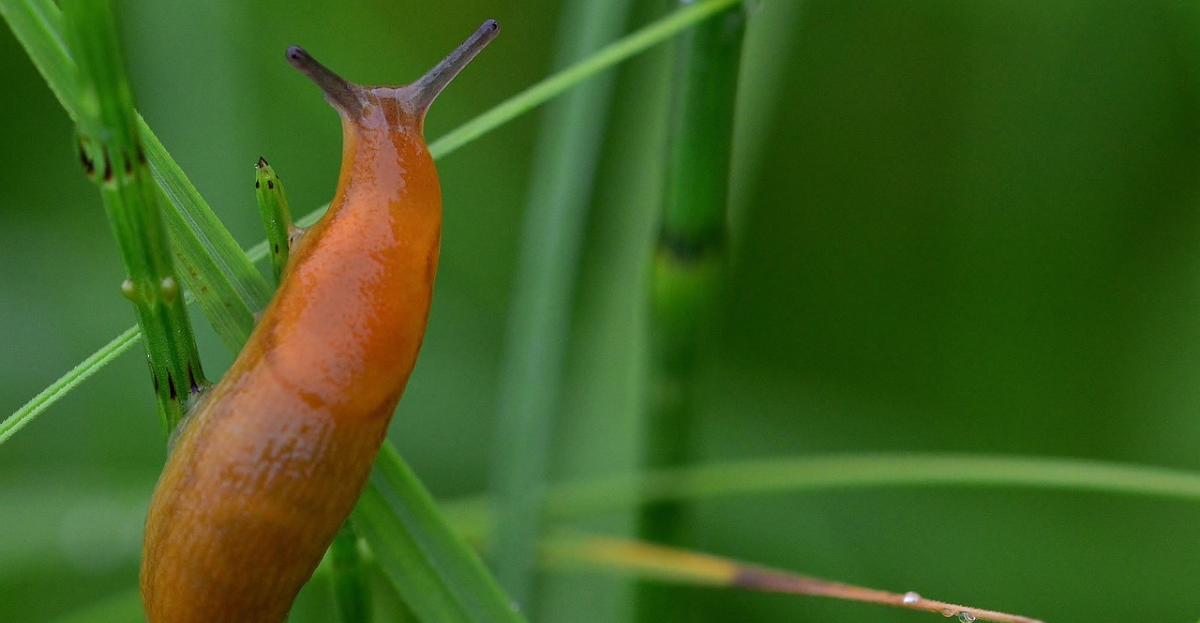
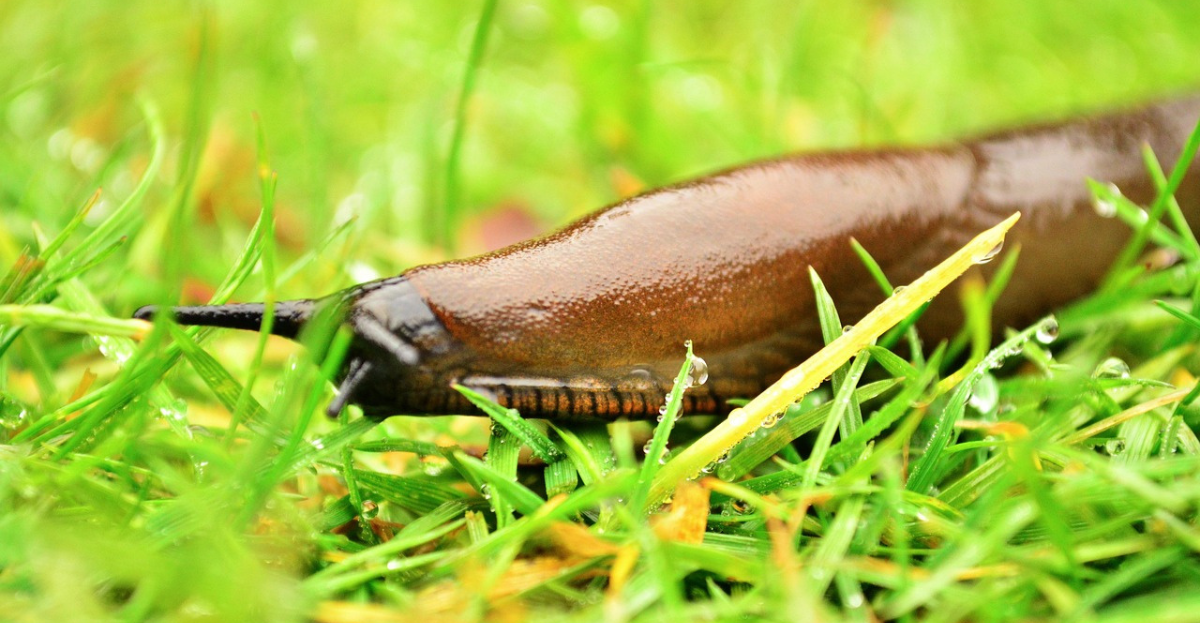
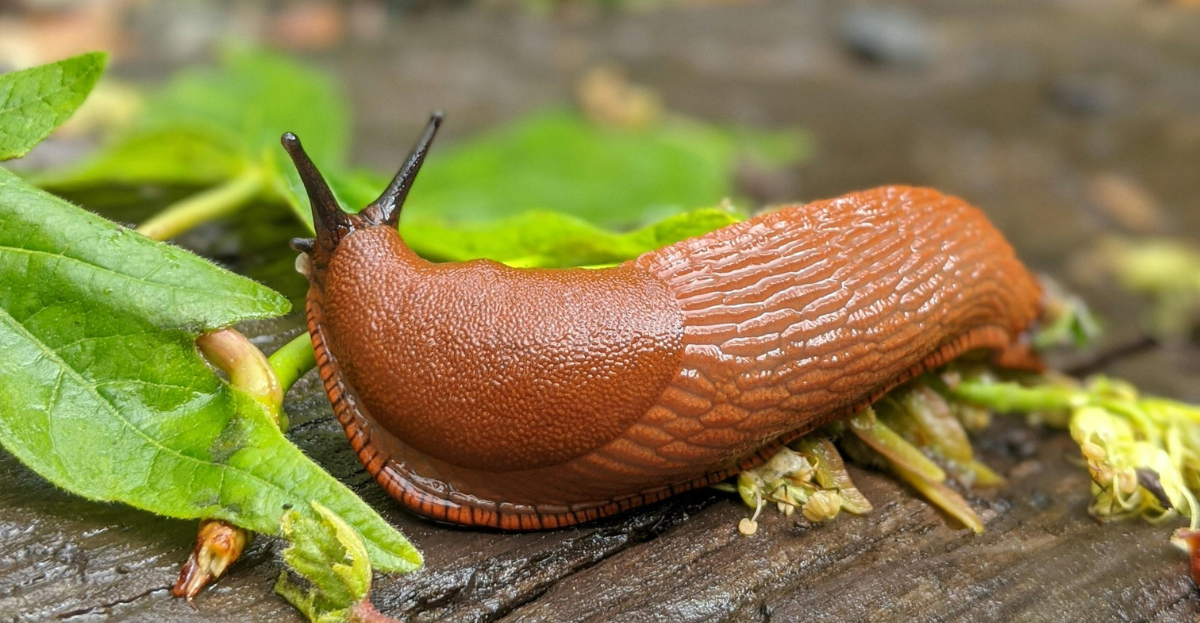
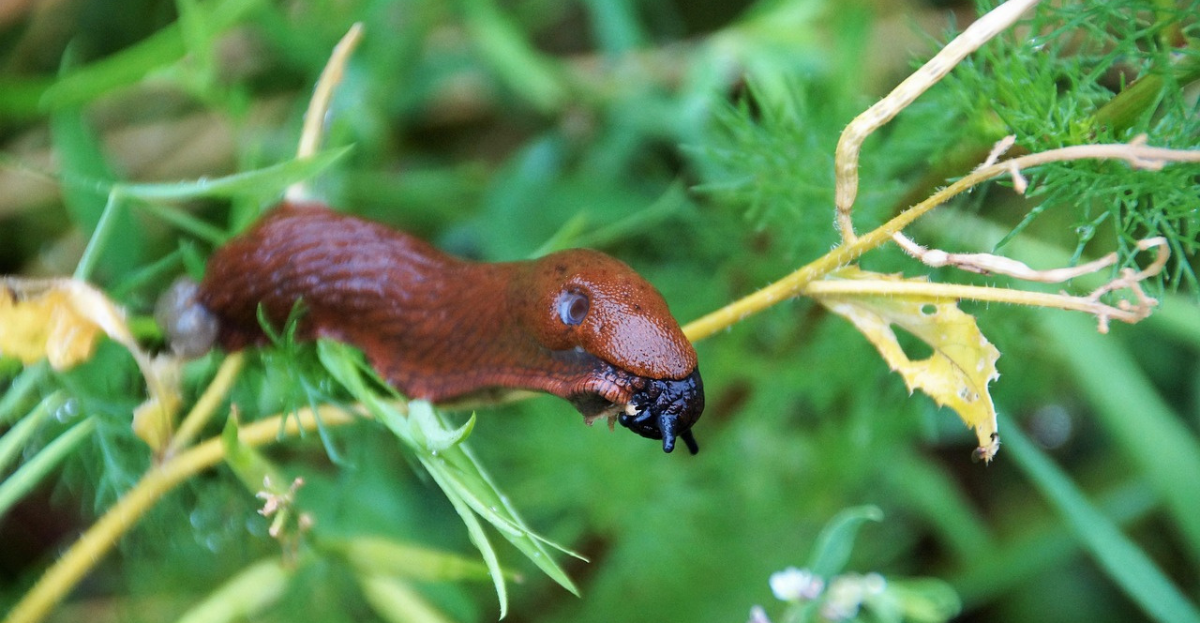
Slugs need moisture to survive. Wet soil allows them to move freely, feed longer, and lay eggs in sheltered areas. After heavy rain, slug activity spikes, especially in mild temperatures.Slugs feed mostly at night and hide under debris, stones, or plant covers during the day. Their silver slime trails help them navigate back to feeding spots, making them more visible after damp spells.
Crops Most Vulnerable to Slugs
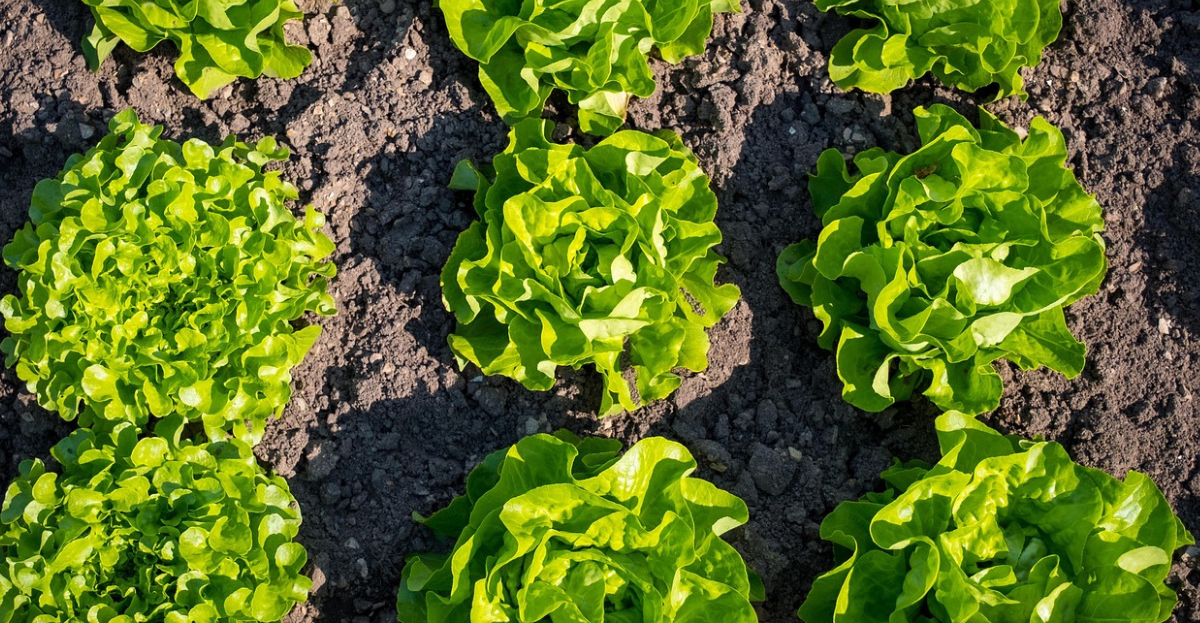
Slugs are particularly attracted to young, tender plants:- Lettuce and salad leaves
- Spinach and chard
- Brassicas: cabbage, broccoli, cauliflower
- Courgettes, pumpkins, and squash
- Beans and peas
- Dahlia shoots

Ways to Protect Your Allotment from Slugs
1. Regular Inspection and Handpicking
Check your allotment in the early morning or late evening. Look under pots, stones, and boards, and remove any slugs you find. Regular handpicking reduces populations significantly.
2. Physical Barriers
- Copper tape or rings: Slugs avoid contact with copper; wrap around pots, raised beds, or individual plants.
- Grit, crushed eggshells, or diatomaceous earth: Rough surfaces discourage slugs. Reapply after rain.
- Raised beds: Elevate plants to reduce access and keep soil drier.
Frogs, toads, birds, hedgehogs, and ground beetles all eat slugs. Provide ponds, log piles, and undisturbed corners to support wildlife and naturally reduce slug numbers.
4. Biological Controls
Slug-specific nematodes target young slugs and larvae. They are most effective in moist soil during spring and autumn.
5. Use Organic Slug Pellets Carefully
Iron phosphate pellets are safe for pets and wildlife. Avoid metaldehyde pellets, which are toxic to wildlife.
6. Water Strategically
Water in the morning rather than evening to allow soil and foliage to dry by night. Focus watering at the base of plants to reduce damp conditions that slugs prefer.
7. Plant Stronger, Less Vulnerable Crops
Starting seedlings in pots or modules before transplanting strengthens plants. Established plants withstand minor slug damage better.
8. Sacrificial Plants
Plant slug-favourite crops, like lettuce or marigolds, at the edges of your allotment to attract slugs away from main crops. Check these plants regularly and remove slugs.
Quick Tips to Reduce Slug Damage
- Keep plots tidy by removing debris, weeds, and unused materials.
- Avoid dense mulches that retain moisture.
- Combine methods—barriers, handpicking, predators, and sacrificial plants work best together.
- Monitor plots after wet weather to catch infestations early.
The Positive Role of Slugs
While often seen as pests, slugs play an important role in your allotment ecosystem:
Natural Decomposers: They feed on decaying plant material, recycling nutrients back into the soil.
Soil Health Contribution: Movement through soil aerates the top layer and supports the soil microbiome.
Food Source for Wildlife: Slugs feed birds, hedgehogs, frogs, toads, and beetles, supporting biodiversity.
Indicators of Healthy Soil: Their presence often signals moist, nutrient-rich soil.
Encourage Integrated Pest Management: Slugs encourage gardeners to diversify growing methods, leading to a more resilient allotment.
Working With Slugs
Instead of eliminating all slugs, consider:
- Allowing limited feeding on sacrificial plants to reduce overall pressure.
- Supporting natural predators with ponds, log piles, and wildlife habitats.
- Using slugs in compost areas to help break down organic waste.
- Observing activity to intervene only when necessary.
Conclusion
Knowing how to protect your allotment from slugs is about early action, combined strategies, and regular monitoring. Using natural barriers, encouraging predators, and planting stronger crops helps reduce damage while supporting soil health and biodiversity.
Slugs are part of the natural cycle—coexisting with them thoughtfully ensures your crops thrive and your allotment ecosystem stays balanced.
Become a National Allotment Society member and help to preserve and protect allotments for future generations.
You'll also gain a range of benefits, including free liability insurance, initial legal support, expert advice and much more.
Non Member Newsletter Signup

National Society of Allotment & Leisure Gardeners Ltd
Registered in 1930 under the Industrial & Provident Societies Acts no. 11144R
VAT No. 1212930 14
Patron His Majesty King Charles III
© 2022-2023 National Society of Allotment & Leisure Gardeners Ltd