May allotment jobs-what to do on your plot this month
May is when the allotment really moves into its stride. Growth accelerates quickly, soil is warm enough for confident planting, and the focus shifts from preparation to keeping pace with everything that is now actively growing. Small, regular attention this month makes a big difference later in the season.
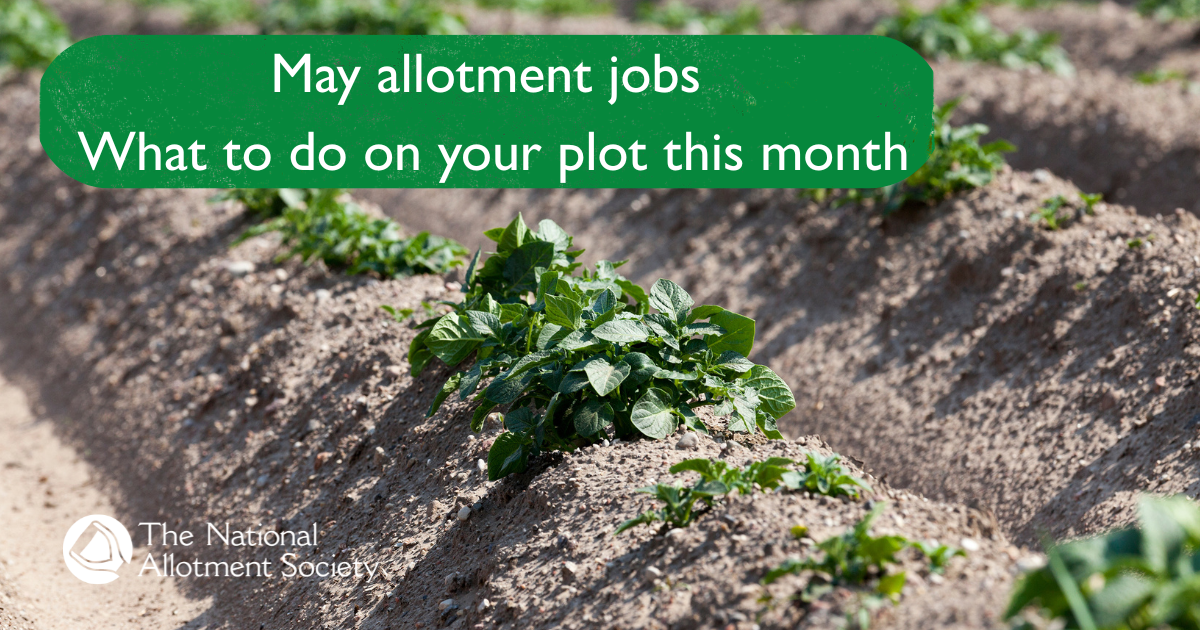
Everything on the plot is moving faster than it looks on paper. Beds can go from tidy to crowded in a matter of days, especially after warm rain.
If you only visit once a week, you will notice changes you did not expect — and sometimes missed opportunities too. May is the month where timing matters more than effort.
Soil care and keeping weeds under control
With warmer conditions, both crops and weeds respond quickly. Staying ahead now prevents problems building up later.- Hoe beds regularly to keep weeds down while they are small
- Rake soil lightly to maintain a fine surface for sowing
- Mulch around established plants to conserve moisture and reduce weeding
- Prepare new beds with compost or well-rotted manure to support strong growth

What to sow and plant in May
- Carrots, beetroot, lettuce, radish, spinach, peas, beans, spring onions, kale, swede, and turnip
- Courgettes, squash, pumpkins, sweetcorn, and French beans
- Courgettes, celeriac, celery, and maincrop potatoes in milder regions
- In cooler areas, it is still worth being cautious with more tender crops.

Common mistake in May
Trying to do everything at once.
May encourages enthusiasm, but the most productive plots are rarely the ones where everything is planted in a single weekend. Succession sowing — small, repeated sowings every 1–2 weeks — almost always produces better results than filling every space immediately.
Supporting and managing fast growth
As plants establish, structure and spacing become important.
- Earth up early potatoes as foliage develops
- Put supports in place for peas and climbing beans
- Thin seedlings such as carrots and salads to prevent overcrowding
- Check spacing regularly as plants expand quickly

What experienced allotment growers are doing now
More experienced plot holders are usually focusing less on “new jobs” and more on rhythm:
- keeping beds lightly but consistently worked
- sowing in small, staggered batches
- prioritising spacing and airflow over volume
- protecting young growth rather than rushing new sowings
Greenhouse and hardening off plants
Greenhouses are still important but increasingly transitional in May.- Harden off tender plants before planting outdoors
- Move plants outside during the day and protect at night if needed
- Plant tomatoes, peppers, cucumbers, melons, and aubergines into greenhouse beds or containers
- Prick out seedlings early to reduce competition and improve growth
- Good ventilation and steady watering become increasingly important.

Fruit and soft fruit tasks
Fruit areas begin to demand more attention as growth speeds up.
- Mulch strawberry beds with straw to protect developing fruit
- Thin autumn raspberry canes for stronger growth
- Tie in new shoots on trained fruit trees and bushes
- Mulch fruit trees with compost or manure to retain moisture and improve soil health

Pest control in May
As temperatures rise, pest activity increases sharply.
- Check regularly for slugs and snails, especially after wet weather
- Watch for aphids on soft new growth
- Deal with problems early using simple, consistent control methods
- Inspect crops often rather than waiting for damage to spread

What to harvest in May
Even in this busy growing month, early harvests are now available.
- Asparagus
- Rhubarb
- Radishes
- Early spinach and overwintered greens

Weather watch
A warm spell can move everything forward quickly, but a single cold night can still affect tender plants. May is a month of progress, not certainty — flexibility matters as much as planning.
Final thoughts
May is not about finishing jobs — it is about staying in rhythm with the allotment as it moves into full growth. Those who keep pace with small, regular actions will find the rest of the season far easier to manage.
Become a National Allotment Society member and help to preserve and protect allotments for future generations.
You'll also gain a range of benefits including free liability insurance, initial legal support, expert advice and much more.
Non Member Newsletter Signup

National Society of Allotment & Leisure Gardeners Ltd
Registered in 1930 under the Industrial & Provident Societies Acts no. 11144R
VAT No. 1212930 14
Patron His Majesty King Charles III
© 2022-2023 National Society of Allotment & Leisure Gardeners Ltd