March Allotment Gardening Checklist
March marks the full arrival of spring, with longer days, rising temperatures, and early signs of growth. Weather can still be unpredictable, especially in northern or upland areas, but it’s the perfect time to prepare your garden and allotment for a productive year.
.jpg)
With the first signs of spring appearing, March is also a great month to focus on planning and setting up your growing spaces. This is the time to assess soil health, prepare new beds, check tools and supports, and start early sowings under cover. By taking these steps now, you can give your vegetables, fruits, and flowers the best possible start for a productive season.
Vegetable Tasks
Undercover Sowing:
Greenhouses, cold frames, or cloches can be used to sow early cauliflower, broccoli, celery, early cabbage, and lettuce. This protects seedlings from frost and accelerates growth.
Broad Beans:
Sow directly in mild areas, or start undercover in colder regions. Consider trench planting and mulch with straw to protect against frost and birds.
Onions & Leeks:
Plant sets and seeds now; choose varieties suited to your local conditions. Onion sets are faster, but sowing seeds gives a wider variety.
Perennial Vegetables:
Establish horseradish, seakale, and asparagus beds now. Dividing older clumps helps rejuvenate the plants. Add compost or well-rotted manure when planting to boost soil fertility.
Spinach, Rocket & Salad Leaves:
Sow in sheltered spots or under cloches for an early spring harvest. Use fine netting to protect seedlings from pigeons.
Carrots & Potatoes:
Start early carrots under cloches. Plant early potatoes under cloches for a head start; choose certified seed potatoes to reduce disease risk.
Peas & Broad-Leafed Veg:
Sow hardy peas outdoors; consider early dwarf varieties for quicker cropping.
Fruit Tasks
Strawberries:Final chance to plant new beds. Choose disease-resistant varieties, and mulch to retain moisture.
Fruit Tree Care:
Protect blossoms on early peaches, apricots, and nectarines with fleece during late frosts. Check and adjust tree ties, stake new trees firmly, and prune lightly to remove dead winter growth.
Berry Bushes:
Prune blackcurrants, redcurrants, and gooseberries before buds swell, removing old, weak, or crossing stems to encourage vigorous growth.
Greenhouse Care Tasks
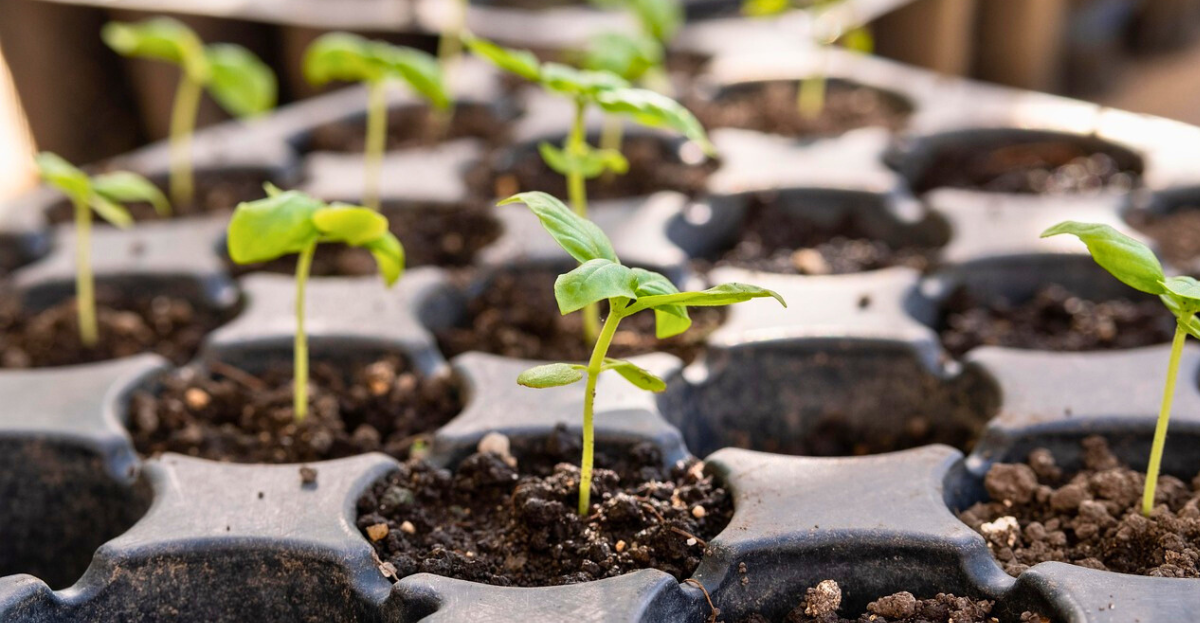
Heated Greenhouse:Sow tomatoes, peppers, cucumbers, melons, and aubergines. Keep seedlings close to glass and rotate trays to avoid legginess.
Unheated Greenhouse:
Be cautious with watering; overwatering can promote fungal diseases. Ventilate on warm days to reduce humidity.
Indoor Fruit:
Start seeds of tender herbs or tropical fruits such as figs, passionfruit, or citrus in pots indoors.
Flowers Tasks
Sweet Peas:Plant autumn-sown seedlings outdoors; otherwise, sow in sheltered spots. Use netting or bamboo supports to protect young growth.
Dahlias & Corms:
Pot up tubers in the greenhouse or a light, frost-free area. Check for rot and remove damaged sections before planting.
Hardy Annuals:
Sow directly outdoors, such as cornflowers, calendula, nigella, or calendula. These attract pollinators and add early colour.
Bulbs:
Lift and divide summer-flowering bulbs planted in previous years if overcrowded. Plant new gladioli, lilies, and Eucomis bulbs in well-drained soil.
Garden Maintenance & Top Jobs
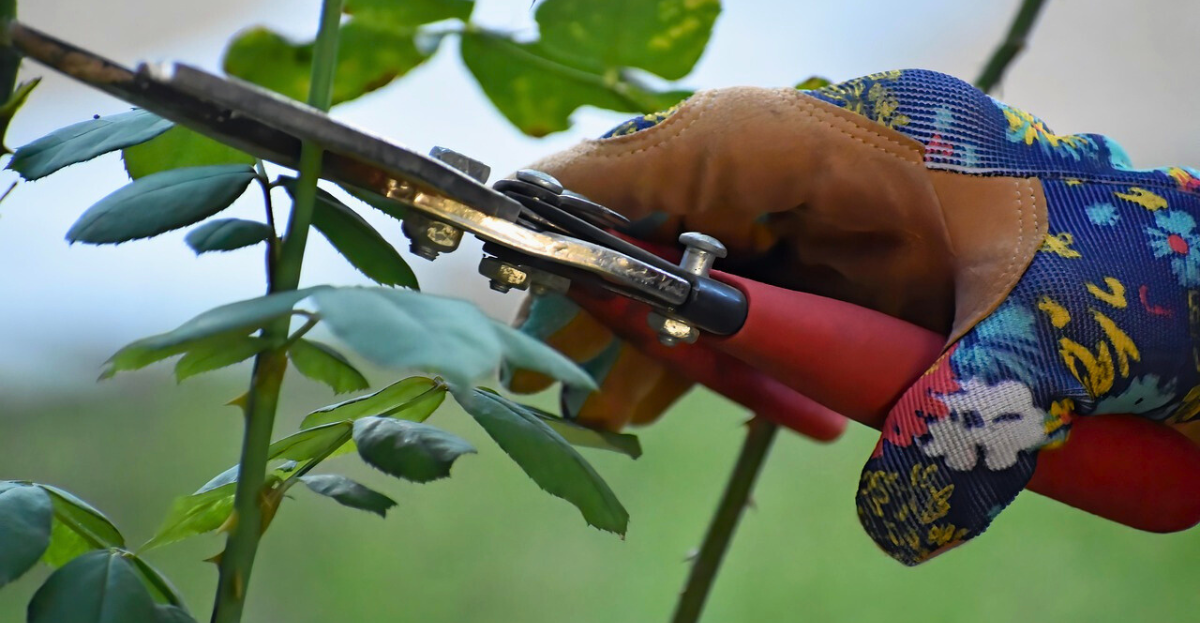
Prune Roses:March is the last chance to prune bush and climbing roses before spring growth. Remove dead or damaged stems and shape the bush to encourage air circulation.
Divide Perennials:
Overgrown clumps of hostas, astrantias, or geraniums can be split and replanted for better vigour.
Mow & Feed Lawns:
If weather allows, lightly mow lawns to remove winter debris. Apply a spring feed to encourage healthy growth.
Support Bees & Pollinators:
Leave dandelions and other early flowers to bloom. Consider planting early nectar-rich flowers like hellebores, winter aconites, or primroses to support pollinators.
Prune Buddleja & Summer Flowering Shrubs:
Cut back to a low framework to encourage abundant blooms.
Mulching & Soil Prep:
Prepare beds for summer planting with compost or well-rotted manure. Mulching helps retain moisture and suppress weeds.
Pest & Disease Monitoring:
Check overwintered crops for aphids, slugs, and fungal issues. Apply organic controls where necessary.
Composting:
Turn compost heaps to aerate and speed decomposition. Start adding early spring garden waste.
Optional Extra Tasks for Ambitious Gardeners
Herbs:
Sow hardy herbs like parsley, chives, and thyme under cover for early harvest.
Training & Supports:
Check stakes, trellises, and canes for peas, beans, and fruit. Replace or reinforce where needed.
Seedling Care:
Thin indoor seedlings to prevent overcrowding, ensuring strong stems.
Watering System Check:
Inspect irrigation, hoses, and rainwater harvesting systems before the summer rush.
March is a month of fresh beginnings. Take advantage of milder spells to get ahead with sowing, planting, pruning, and soil preparation. With careful planning now, you’ll set yourself up for a vibrant and productive spring and summer. To see last years blog please visit here.
Join Now
Become a National Allotment Society member and help to preserve and protect allotments for future generations.
You'll also gain a range of benefits, including free liability insurance, initial legal support, expert advice, and much more.
Non Member Newsletter Signup

National Society of Allotment & Leisure Gardeners Ltd
Registered in 1930 under the Industrial & Provident Societies Acts no. 11144R
VAT No. 1212930 14
Patron His Majesty King Charles III
© 2022-2023 National Society of Allotment & Leisure Gardeners Ltd