The June Foraging Bucket List
June is one of the most rewarding months for foraging in the UK, with hedgerows, meadows, woodlands, and field margins bursting into life. From fragrant elderflowers and wild roses to flavour-packed herbs and edible blooms, nature's pantry is at its summer best. Whether you're an experienced forager or just starting out, June offers an abundance of seasonal ingredients perfect for cordials, teas, desserts, and savoury dishes. In this guide, we'll explore some of the best wild foods to look out for this month and how to enjoy them safely and sustainably.
As always, forage responsibly and only harvest plants you can confidently identify. Take only what you need, leave plenty for wildlife and other foragers, and avoid picking from polluted areas such as busy roadsides or sprayed field margins. With a little care and curiosity, June's wild harvest can provide a wonderful way to connect with nature while discovering new flavours and seasonal traditions.
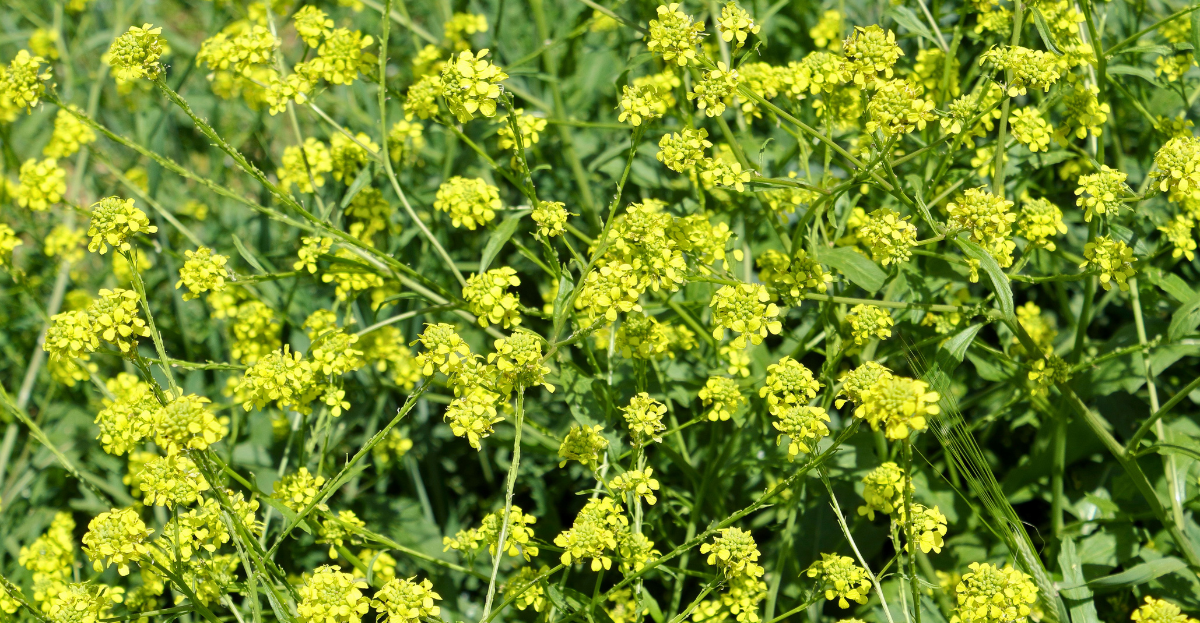
1. White Mustard (Sinapis alba)
Where to Find It:Look for white mustard on field margins, disturbed ground, allotment edges, roadside verges, and recently cultivated soil.
What to Pick:
- Young leaves
- Flower buds
- Flowers
- Developing seed pods later in summer
- Add leaves to salads for a peppery kick.
- Stir flower buds into stir-fries.
- Pickle the seed pods as "poor man's capers."
- Save mature seeds to make homemade mustard.
Many gardeners now deliberately sow white mustard as a green manure crop, making it increasingly easy to find in rural and allotment areas.
Storage:
Leaves keep for 2–3 days refrigerated. Seeds can be dried and stored for up to a year.
Honeysuckle Summer Cordial
Capture the sweet fragrance of early summer with this simple honeysuckle cordial. Perfect served with sparkling water, added to cocktails, or drizzled over desserts.Ingredients
- 30 freshly picked honeysuckle flowers (green parts removed)
- 1 litre water
- 500g granulated sugar
- Juice of 2 lemons
- Zest of 1 lemon
- Gently shake the honeysuckle flowers to remove any insects, but avoid washing them as this can remove some of the flavour.
- Place the flowers and lemon zest into a large bowl.
- Bring the water and sugar to a gentle boil, stirring until the sugar has dissolved completely.
- Pour the hot syrup over the flowers and zest.
- Add the lemon juice, stir well, and cover.
- Leave to infuse for 24 hours in a cool place.
- Strain through a fine sieve or muslin cloth into a clean saucepan.
- Bring back to a gentle simmer for 2–3 minutes.
- Pour into sterilised bottles and seal.
To Serve
Mix one part cordial with four parts sparkling water and plenty of ice for a refreshing summer drink. It also makes a wonderful addition to prosecco, gin cocktails, fruit salads, and homemade ice lollies.
Storage
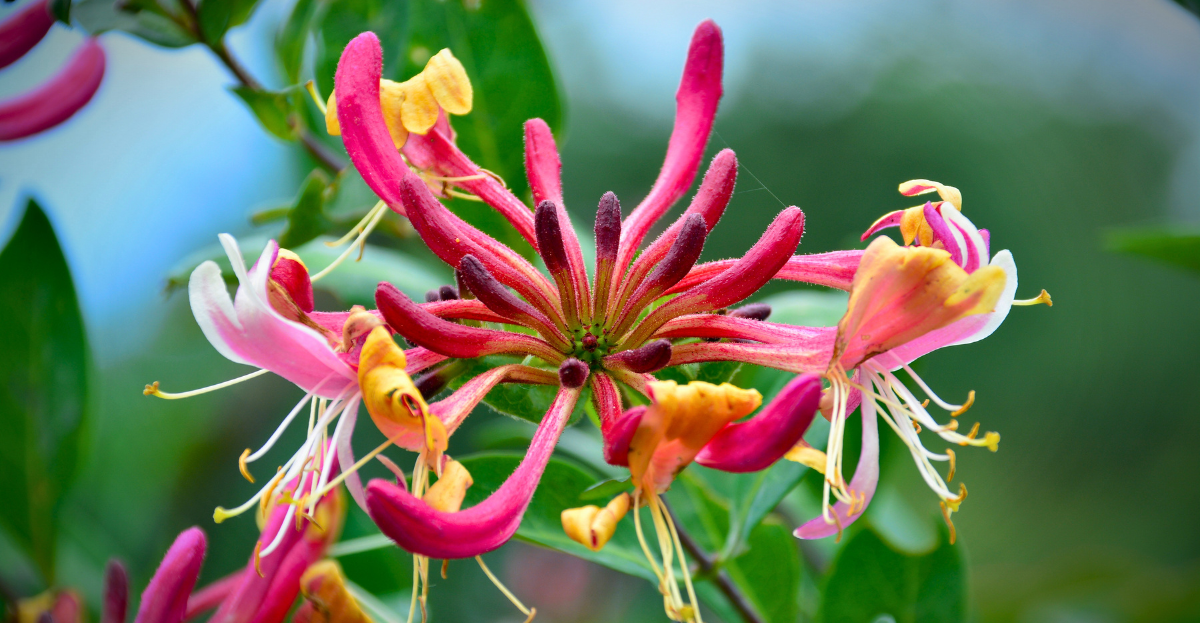
Store in the refrigerator and use within 4 weeks, or freeze in small portions for longer storage.2. Honeysuckle (Lonicera periclymenum)
Where to Find ItTwining through hedgerows, woodland edges, and old fences.
What to Pick
Freshly opened flowers only.
Important:
- Never eat the berries, which are toxic.
- Floral syrup for lemonades and cocktails.
- Honeysuckle iced tea.
- Botanical vinegar infusions.
- Summer desserts and jellies.
Try freezing honeysuckle syrup into ice cubes for gin, tonic, elderflower drinks, or sparkling water.
Storage
Use fresh or dry for teas and infusions.
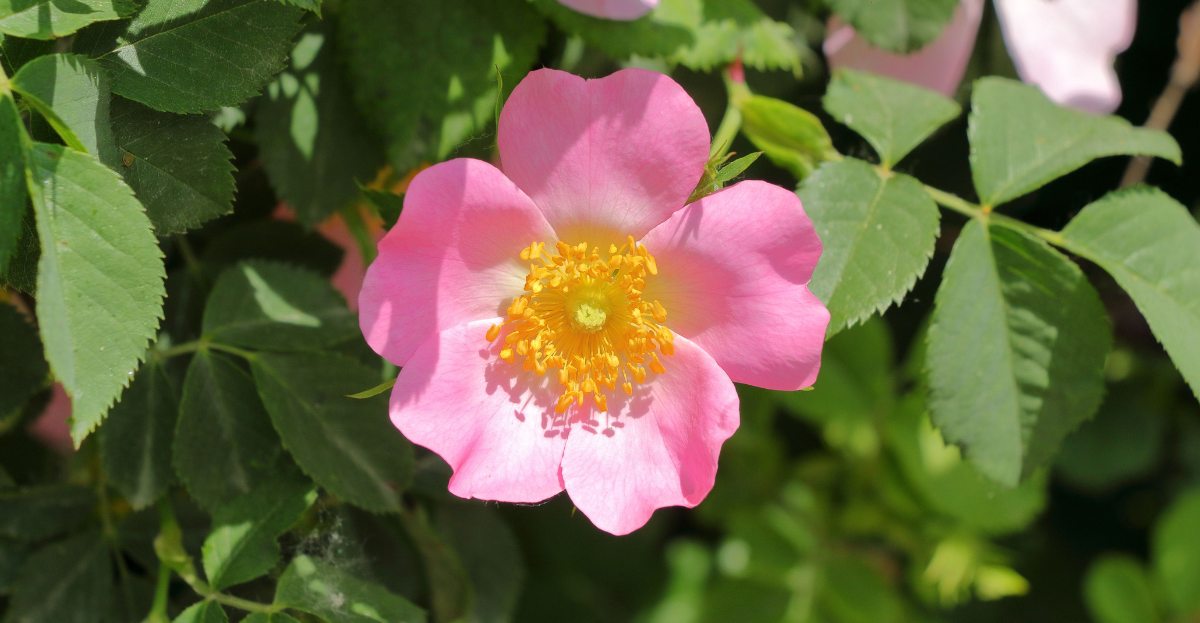
3. Wild Rose (Rosa canina & Rosa rugosa)
Where to Find ItSunny hedgerows, paths, scrubland, and woodland margins.
What to Pick
Fragrant petals from freshly opened blooms.
How to Use It
- Rose petal cordial.
- Rose sugar.
- Wild Turkish delight.
- Botanical cocktails.
- Homemade skincare oils.
The resurgence of natural perfumery and botanical cooking has made wild rose one of the most sought-after flowers of early summer.
Storage
Dry petals quickly and store in airtight jars.
4. Meadowsweet (Filipendula ulmaria)
Where to Find ItDamp meadows, riverbanks, ditches, and marshy grassland.
What to Pick
Fresh flower heads before they begin browning.
How to Use It
- Cordials and syrups.
- Ice cream infusions.
- Custards.
- Traditional mead flavouring.
- Wild panna cotta.
Contains natural salicylates, compounds related to aspirin.
Storage
Dry thoroughly and use within a year.
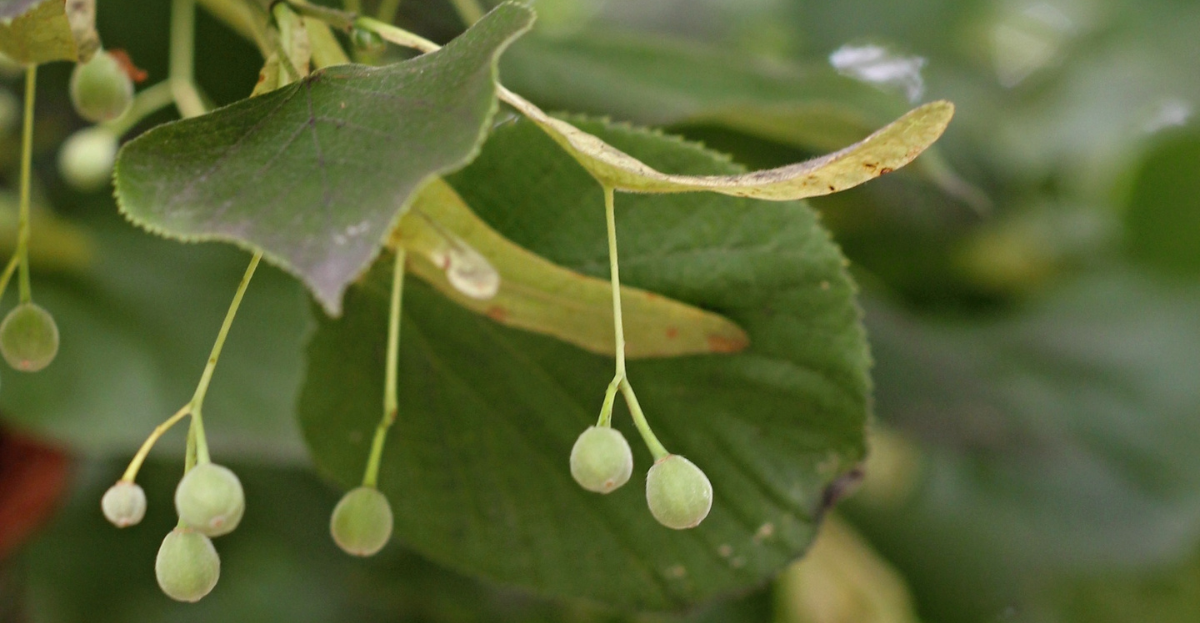
5. Lime Tree Flowers (Tilia species)
Where to Find ItParks, avenues, churchyards, and mature streets lined with lime trees.
What to Pick
Fresh flowers and their pale green bracts.
How to Use It
- Relaxing herbal tea.
- Summer cordials.
- Botanical desserts.
- Homemade bath sachets.
Combine lime flowers with elderflower and lemon verbena for a fragrant summer tea blend.
Meadowsweet & Strawberry Summer Cordial
With its delicate aroma of honey, vanilla, and almonds, meadowsweet makes a wonderfully fragrant cordial. Combined with sweet British strawberries, this recipe captures the essence of early summer in a bottle.Ingredients
- 20 fresh meadowsweet flower heads
- 500g ripe strawberries, hulled and sliced
- 1 litre water
- 750g granulated sugar
- Juice of 2 lemons
- Gently shake the meadowsweet flower heads to remove any insects.
- Place the flowers and sliced strawberries into a large heatproof bowl.
- Bring the water and sugar to a boil, stirring until the sugar has completely dissolved.
- Pour the hot syrup over the flowers and strawberries.
- Add the lemon juice and stir gently.
- Cover and leave to infuse for 24 hours in a cool place.
- Strain through a fine sieve or muslin cloth, pressing gently to extract the flavour.
- Return the liquid to a saucepan and simmer for 2–3 minutes.
- Pour into sterilised bottles and seal.
Serve diluted with still or sparkling water over ice, add a splash to prosecco, or drizzle over summer fruit salads and desserts. It also makes a delicious base for homemade ice lollies.
Store in the refrigerator and use within 4 weeks, or freeze in small batches for up to 6 months.
Harvest meadowsweet flowers on a dry, sunny day when their fragrance is strongest. Avoid collecting flowers that are browning or growing beside busy roads.
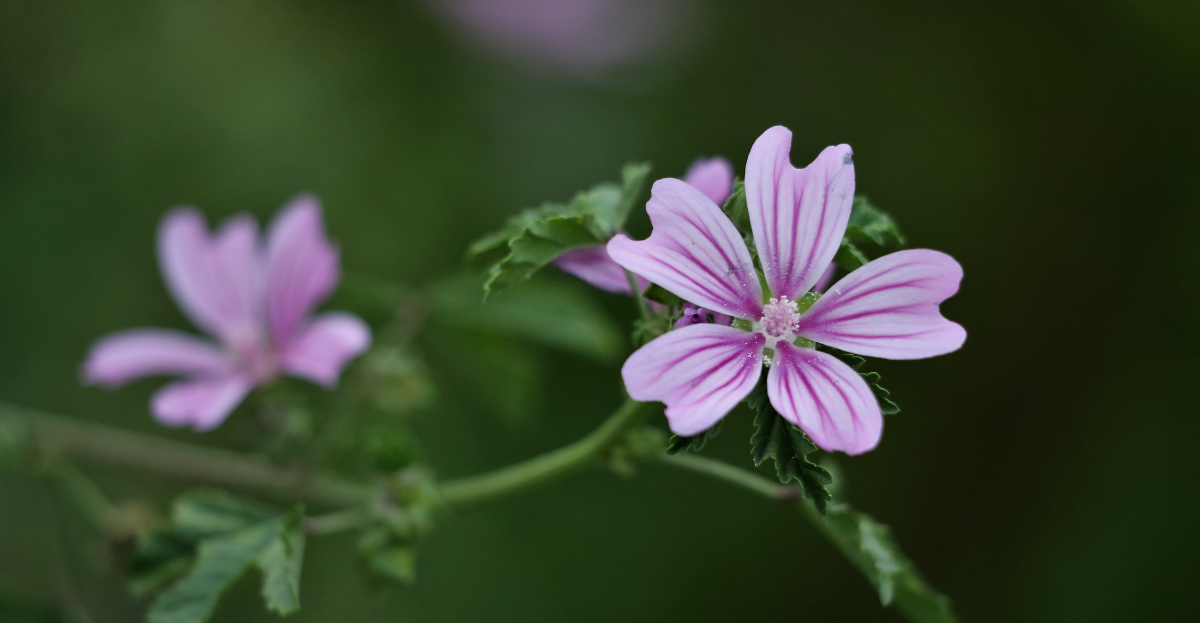
6. Common Mallow (Malva sylvestris)
Where to Find ItRoadsides, field margins, waste ground, and coastal areas.
What to Pick
Young leaves and flowers.
How to Use It
- Colourful salad garnish.
- Soothing herbal tea.
- Homemade skin balms.
Dry flowers separately from leaves for best quality.
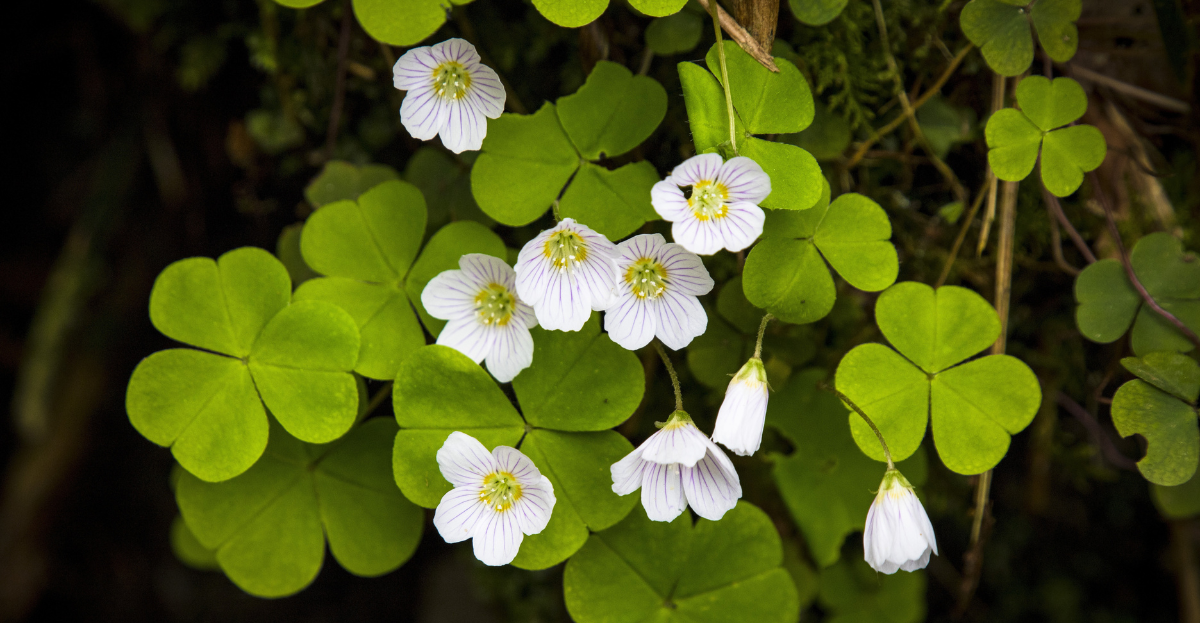
7. Wood Sorrel (Oxalis acetosella)
Where to Find ItShady woodlands, moss-covered banks, and beneath deciduous trees.
What to Pick
Leaves and flowers.
How to Use It
- Woodland salads.
- Fish garnishes.
- Sorbets.
- Wild herb butter.
A bright, lemony sharpness that chefs increasingly use as a natural citrus substitute.
Storage
Best enjoyed immediately after picking.
New Foraging Finds for June 2026
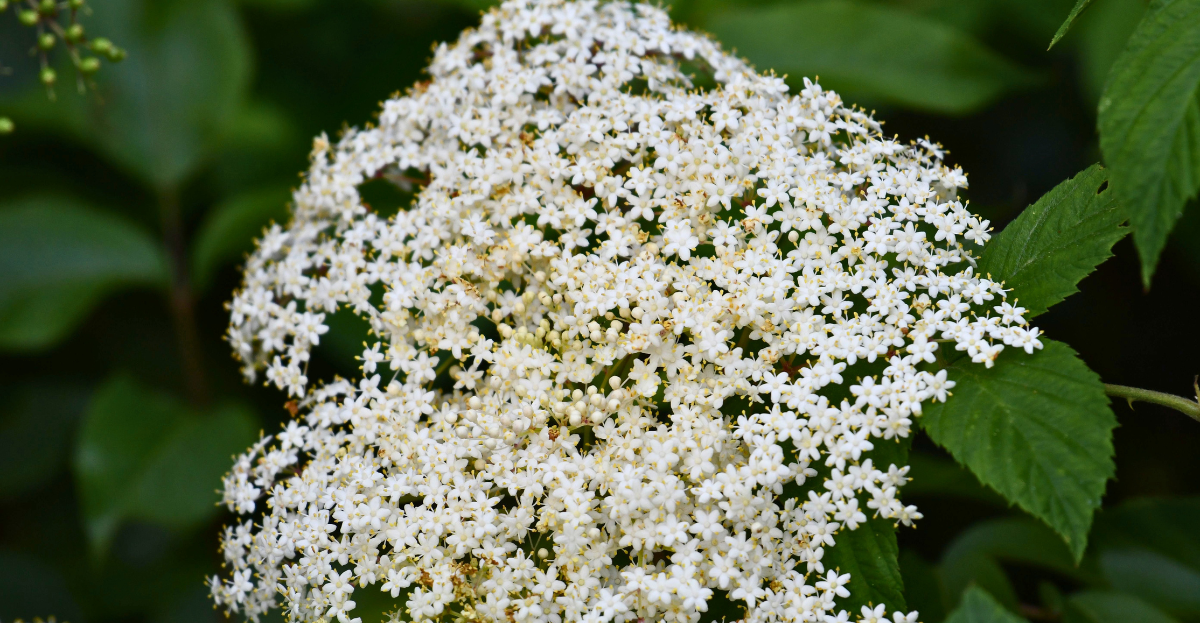
8. Elderflowers (Sambucus nigra)
Where to Find ItOne of June's signature plants, growing in hedgerows, woodland edges, and country lanes.
What to Pick
Fresh creamy flower heads on dry, sunny mornings.
How to Use It
- Cordial.
- Champagne-style ferments.
- Pancake fritters.
- Cheesecakes.
- Ice cream.
Homemade elderflower sparkling drinks continue to be one of the UK's most popular seasonal foraging projects.
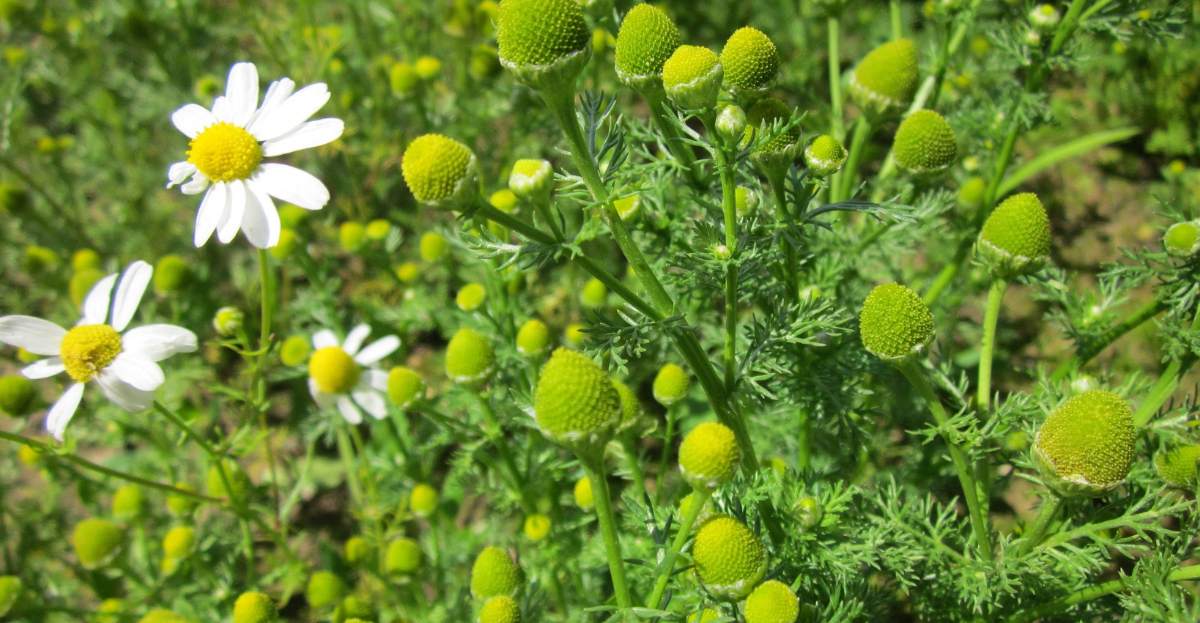
9. Pineapple Weed (Matricaria discoidea)
Where to Find ItFootpaths, driveways, compacted ground, and urban spaces.
What to Pick
Flower heads.
How to Use It
- Tea.
- Syrups.
- Infused honey.
Crush the flower heads and you'll notice a surprising pineapple aroma.
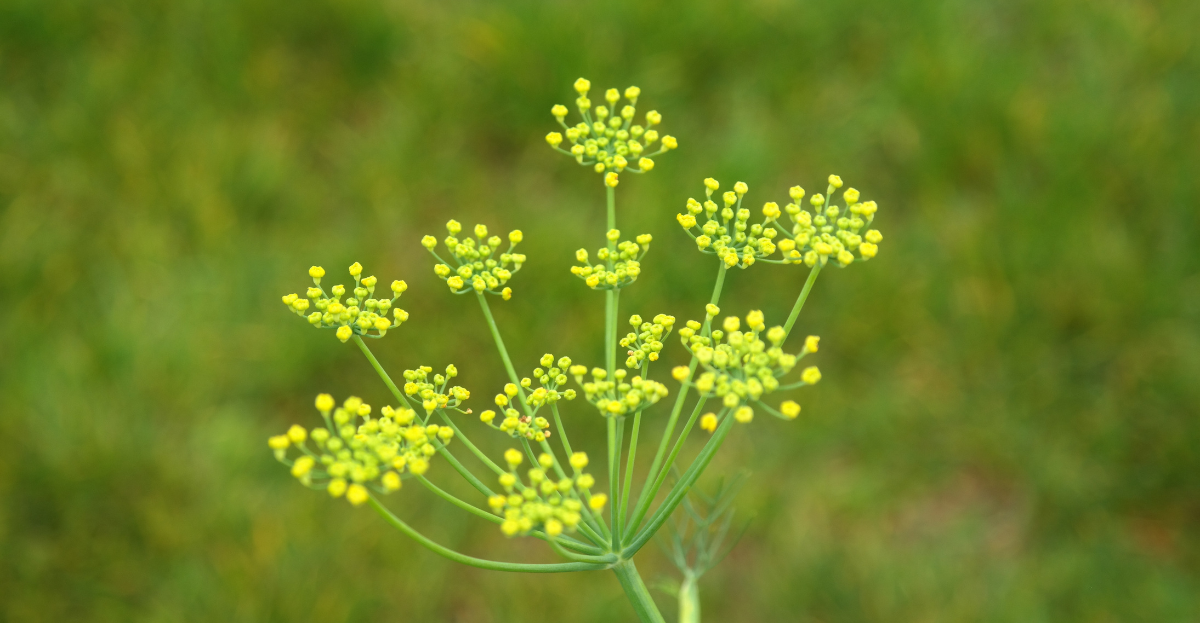
10. Wild Fennel (Foeniculum vulgare)
Where to Find ItCoastal paths, railway embankments, and sunny waste ground.
What to Pick
Young feathery foliage.
How to Use It
- Fish dishes.
- Herb oils.
- Pickles.
- Salads.
- Storage
Wild Fennel & Lemon Butter
This quick wild fennel butter is perfect for grilled fish, new potatoes, or summer vegetables.Ingredients
100g unsalted butter, softened
2 tbsp finely chopped wild fennel leaves
Zest of 1 lemon
1 tsp lemon juice
Sea salt and black pepper
Method
Mix the softened butter with the chopped fennel, lemon zest, lemon juice, salt, and pepper.
Spoon onto baking parchment, roll into a log, and chill until firm.
Slice and melt over grilled fish, potatoes, or vegetables.
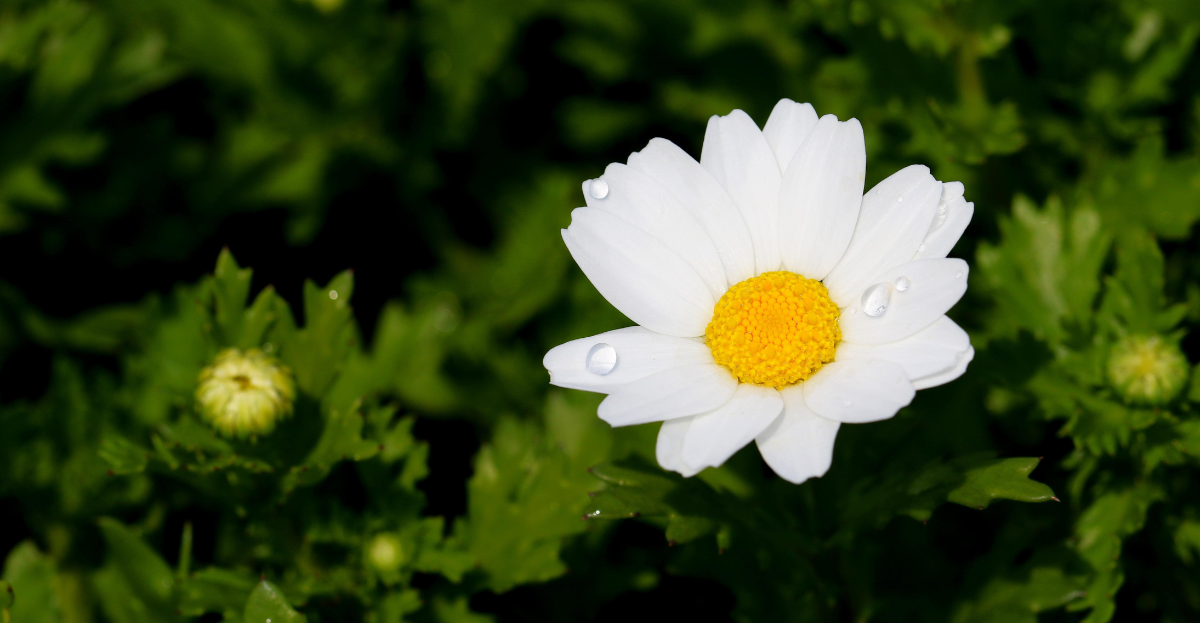
11. Oxeye Daisy (Leucanthemum vulgare)
Where to Find It
Flower-rich meadows and roadside verges.
What to Pick
Young flower buds and petals.
How to Use It
- Salad garnish.
- Pickled buds.
- Decorative summer dishes.
Only harvest sparingly as these flowers are valuable to pollinators.
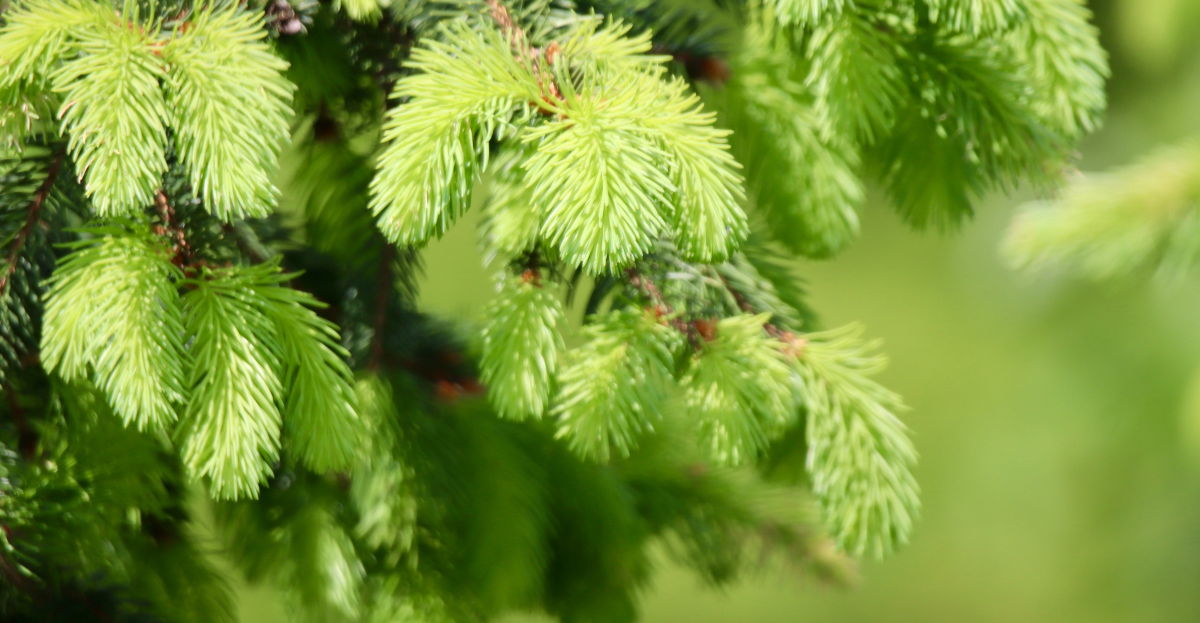
12. Spruce Tips (Late Season Finds)
Where to Find It
Young spruce growth in parks, estates, and forestry plantations.
What to Pick
Soft bright-green tips where still available.
How to Use It
- Syrups.
- Vinegars.
- Ice cream infusions.
- Wild soft drinks.
Their citrus and pine flavour has become a favourite among craft brewers and artisan food producers.
There's also a growing focus on pollinator-friendly harvesting, urban foraging in parks and green spaces, and creating dedicated "foraging gardens" at home to help reduce pressure on wild plant populations. More than ever, modern foraging is about sustainable harvesting, supporting biodiversity, and enjoying seasonal experiences rather than simply gathering food.
Non Member Newsletter Signup

National Society of Allotment & Leisure Gardeners Ltd
Registered in 1930 under the Industrial & Provident Societies Acts no. 11144R
VAT No. 1212930 14
Patron His Majesty King Charles III
© 2022-2023 National Society of Allotment & Leisure Gardeners Ltd