July 2026 Allotment Checklist
July is one of the most rewarding months on the allotment. The hungry gap is behind us, crops are filling baskets daily, and plots are bursting with colour and life. However, July can also bring prolonged dry spells, heatwaves, water restrictions, and an increase in pests and diseases.
.png)
This is the month when regular attention pays dividends. A little time spent watering wisely, harvesting frequently, and planning ahead for autumn and winter crops will keep your plot productive throughout the rest of the season.
Soil Preparation & General Maintenance
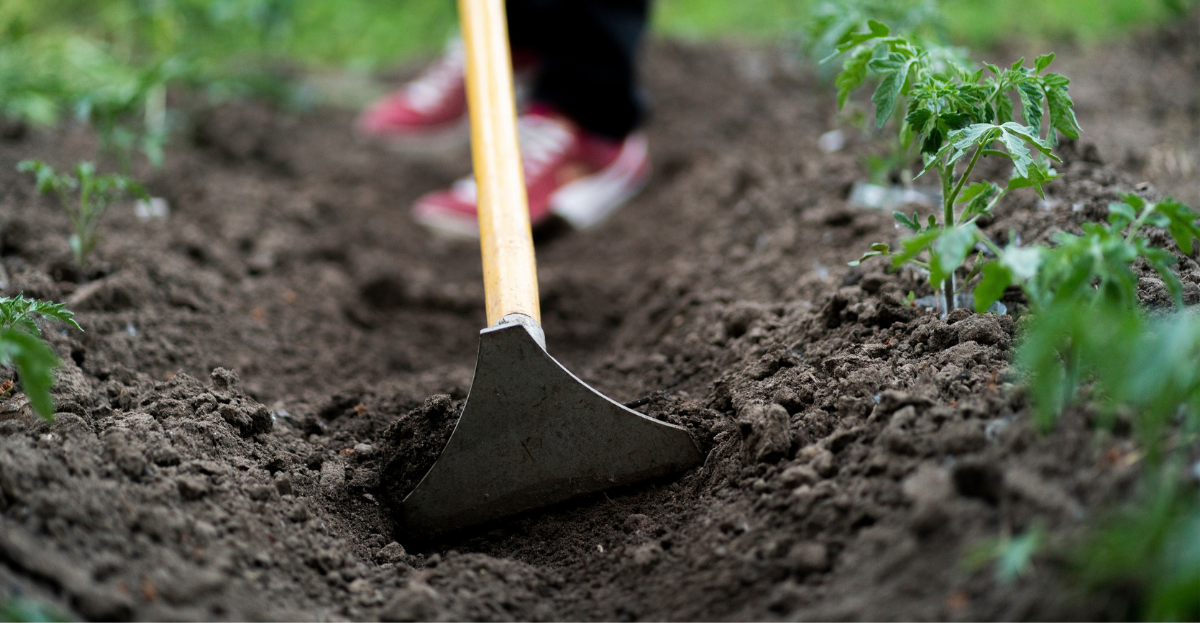
Keep Hoeing - A sharp hoe remains one of your best tools in July. Regular hoeing on dry days removes young weeds before they establish and reduces competition for valuable water and nutrients.Mulch, Mulch, Mulch -If there is one task that makes a difference during hot weather, it's mulching. Apply a thick layer of compost, leaf mould, grass clippings (in thin layers), or well-rotted manure around thirsty crops such as:
- Courgettes
- Pumpkins and squashes
- Sweetcorn
- Beans
- Tomatoes
- Outdoor cucumbers
Water Efficiently -With many areas experiencing increasingly dry summers, water conservation is more important than ever.
- Water early in the morning or late in the evening.
- Water the soil, not the leaves.
- Use watering cans rather than sprinklers where possible.
- Install water butts if you haven't already.
- Consider using grey water on ornamental plants where appropriate.
- Deep watering once or twice a week is generally more effective than frequent shallow watering.
- Watch for Signs of Heat Stress
Vegetable Tasks
Feed Hungry CropsMany crops are now reaching peak production and benefit from regular feeding.
Feed weekly with a high-potash liquid feed:
- Tomatoes
- Peppers
- Chillies
- Cucumbers
- Courgettes
- Aubergines
- Sweetcorn also benefits from additional feeding during dry periods.
Don't let empty spaces appear on your plot.
Sow:
- Lettuce
- Rocket
- Mizuna
- Pak choi
- Spring onions
- Beetroot
- Turnips
- Coriander
- Dill
Start Thinking About Winter
July is the perfect time to prepare for colder months.
Plant out:
- Kale
- Winter cabbage
- Purple sprouting broccoli
- Brussels sprouts
- Leeks
Harvest Frequently
Regular harvesting encourages continued production.
Pick:
- Courgettes while small
- Runner beans every few days
- French beans regularly
- Cucumbers before they become oversized
- Peas while pods are tender
Earth Up Leeks and Celery
Continue earthing up leeks to encourage long white stems. Self-blanching celery may also benefit from additional soil or protective wrapping.
Fruit Tasks
July is one of the busiest fruit-harvesting months of the year.Harvest Soft Fruit
Pick regularly:
- Strawberries
- Raspberries
- Gooseberries
- Currants
- Cherries
- Early blueberries
Protect Fruit Crops
Birds quickly discover ripening fruit.
- Use netting carefully to protect:
- Cherries
- Blueberries
- Currants
Summer Prune Trained Fruit Trees
Prune:
- Cordons
- Espaliers
- Fans
Thin Apples and Pears
Where fruits are clustered heavily, remove smaller fruits to improve size and quality while reducing the risk of branch breakage.
Finish Harvesting Rhubarb
Take the final harvests of rhubarb this month and allow plants to rebuild energy reserves for next year.
.png)
Greenhouse & Polytunnel
Ventilation Is Essential Temperatures can rise dangerously quickly under cover.- Open vents daily.
- Leave doors open where safe.
- Install automatic vent openers if possible.
- Shade glass during extreme heat.
Continue tying in:
- Tomatoes
- Cucumbers
- Melons
- Cucamelons
Prevent Blossom End Rot
Inconsistent watering causes many tomato problems.
Maintain:
- Even soil moisture
- Regular feeding
- Good ventilation
- Avoid allowing compost to completely dry out.
- Check for Pests Daily
- Red spider mite
- Whitefly
- Aphids
- Thrips
Flower Tasks
July is peak flowering season.Deadhead Regularly
Remove spent flowers from:
- Sweet peas
- Cosmos
- Dahlias
- Calendula
- Marigolds
Harvest Cut Flowers
The more you pick many annual flowers, the more blooms they produce.
Support Pollinators
Keep flowering plants around your plot, including:
- Borage
- Calendula
- Cosmos
- Lavender
- Nasturtiums
- Sunflowers
.png)
Pest Control & General Allotment Maintenance
Potato and Tomato BlightWarm, humid conditions increase the risk of blight.
Watch for:
- Brown patches on leaves
- White fungal growth
- Blackened stems
Cabbage White Butterflies
- Inspect brassicas frequently for eggs and caterpillars.
- Protect crops using insect-proof mesh or netting.
Large colonies can develop rapidly in warm weather.
Encourage natural predators such as:
- Ladybirds
- Lacewings
- Hoverflies
- Wasps
What to Harvest
July is a month of abundance. Depending on your region and sowing dates, you may be harvesting:🥔 New potatoes
🧅 Shallots and early onions
🥕 Baby carrots
🌱 Beetroot
🥒 Cucumbers
🥬 Lettuce and salad leaves
🌽 Early sweetcorn
🫘 Runner and French beans
🥬 Chard and spinach
🍓 Strawberries
🫐 Blueberries
🍒 Cherries
🍇 Currants
🌿 Herbs
🌱 Early courgettes
.png)
Final Thoughts
July is often the month when allotments are at their most productive and beautiful. The key to success is consistency. A little time spent harvesting, watering, feeding, and observing your crops every few days can make the difference between a good season and a great one.Enjoy the rewards of all your hard work, share surplus produce with neighbours and friends, and remember to take time to sit back and appreciate everything your plot has achieved so far this year.
Join The National Allotment Society
Become a National Allotment Society member and help to preserve and protect allotments for future generations.
You'll also gain a range of benefits, including free liability insurance, initial legal support, expert advice and much more.
Non Member Newsletter Signup

National Society of Allotment & Leisure Gardeners Ltd
Registered in 1930 under the Industrial & Provident Societies Acts no. 11144R
VAT No. 1212930 14
Patron His Majesty King Charles III
© 2022-2023 National Society of Allotment & Leisure Gardeners Ltd