January Winter Foraging and Preserving for Allotment Communities
January can feel quiet on the allotment — beds lie bare, frost lingers, and daylight is short. Yet for those who know where to look, winter offers hidden abundance in roots, twigs, buds, and berries.
Foraging in January is also about community: swapping tips, sharing jars of preserves, and passing on knowledge to fellow plot holders keeps the winter months vibrant and social.
If you missed it, last year’s January foraging guide explored nettles, rosehips, dandelion roots, chickweed, whitebeam berries, sow thistle, and winter mushrooms. You can read it here.
This year, we focus on different species and preservation techniques, including syrups, jams, infused oils, and tinctures, highlighting their traditional uses and social value.
Hazel: Nuts, Twigs, and Winter Buds
Why forage for hazel in January?
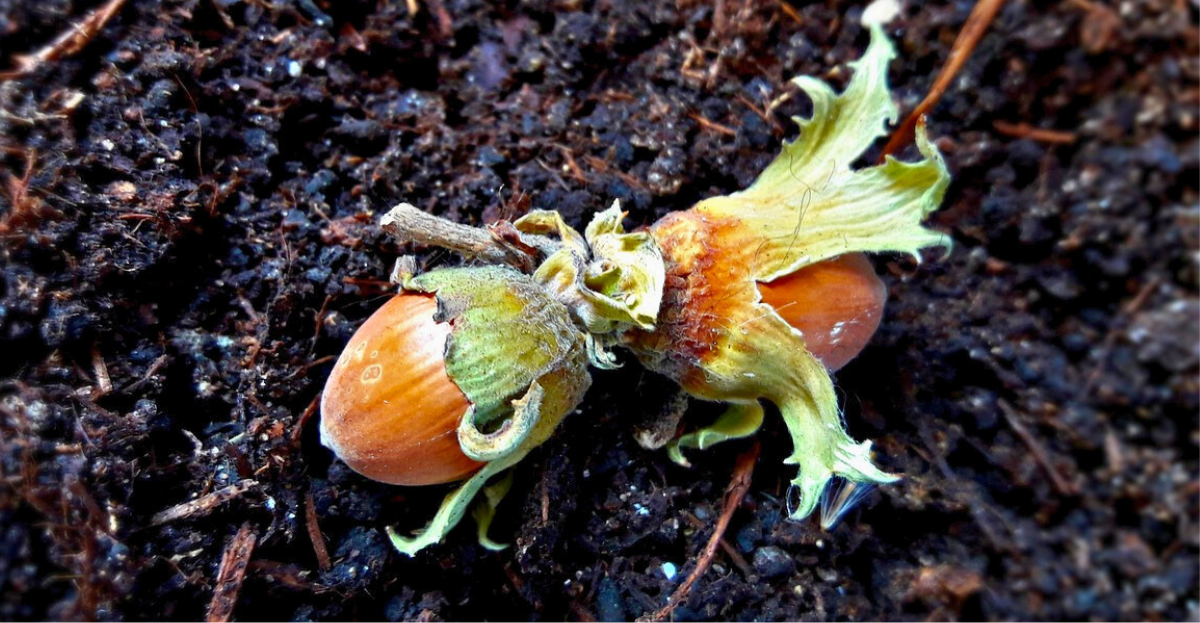
Even after most hazelnuts have fallen, some can still be found hidden in leaf litter or squirrel caches. Young twigs and buds can be made into tinctures, which some people use traditionally to support digestion and circulation.
Where to find it:
Woodland edges, hedgerows, and allotment boundaries.
Preserving ideas:
- Roasted hazelnut butter: Roast shelled hazelnuts, blend until smooth, and store in sterilised jars.
- Hazel twig tincture: Steep twigs and buds in alcohol for 4–6 weeks; traditionally used by some as a gentle winter tonic.
Burdock Root: A Deep Winter Staple
Why forage it?
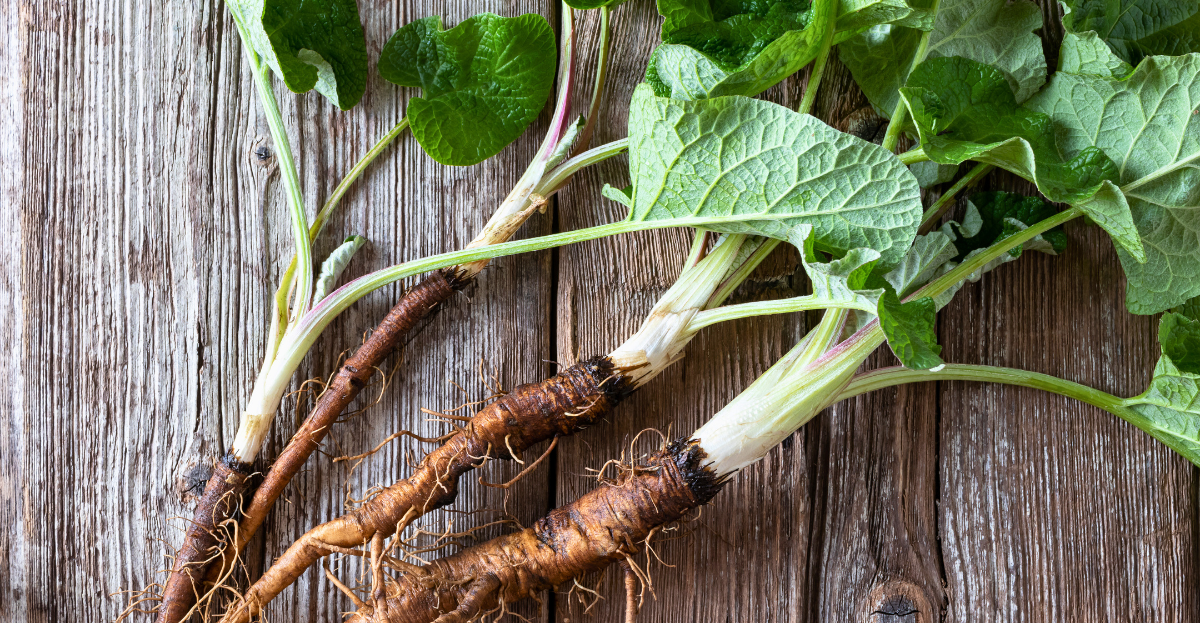
Burdock roots are earthy and starchy, and some people use tinctures made from the root in traditional herbal practices for digestive support or liver health. Roots can also be roasted as a caffeine-free alternative to coffee.
Where to find it:
Road verges, rough ground, field margins, and uncultivated corners of allotments.
Preserving ideas:
- Burdock root pickle: Thinly slice cleaned roots and pickle in vinegar with ginger and garlic.
- Burdock root tincture: Steep cleaned roots in alcohol for several weeks; some traditional uses suggest small doses may support digestion.
Evergreen Herbs: Rosemary, Bay, and Sage
Why forage them?
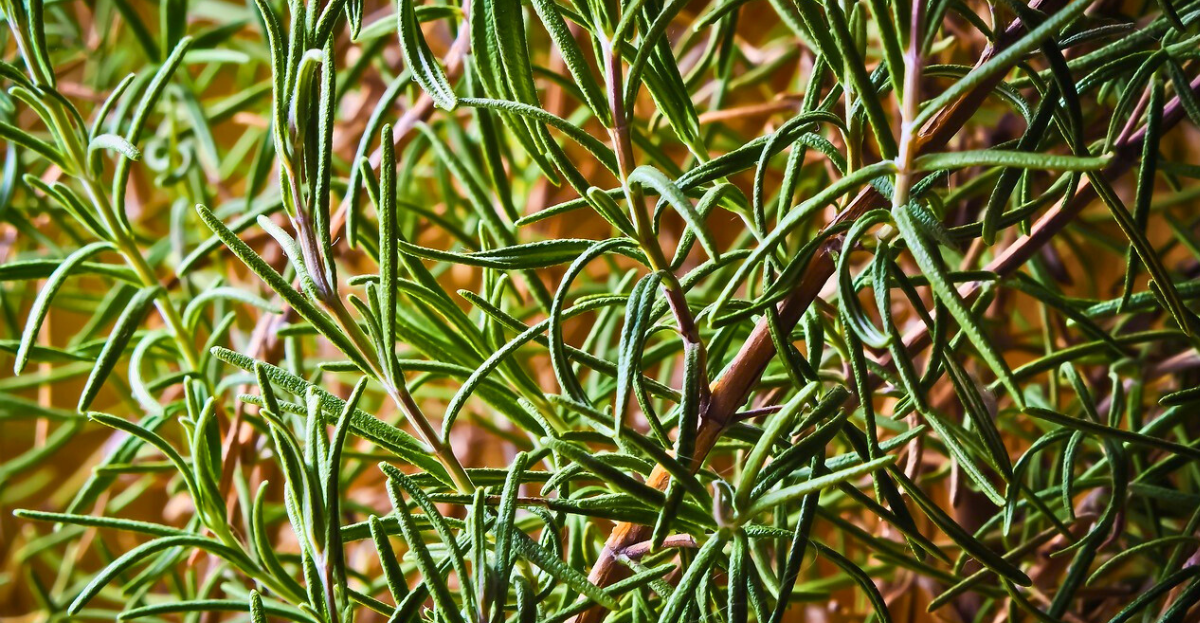
Evergreen herbs have concentrated oils in winter, ideal for culinary use, infusions, or tinctures. Rosemary and sage tinctures are sometimes used traditionally to support digestion and overall wellness.
Where to find them:
Old allotments, abandoned gardens, churchyards, and village edges.
Preserving ideas:
- Herbal salt: Chop herbs finely and mix with sea salt.
- Infused oil: Gently warm herbs in oil for long-lasting flavour.
- Herbal tincture: Steep fresh or dried leaves in alcohol to capture active compounds, sometimes used traditionally as a gentle winter tonic.
Pine and Spruce Needles: Winter Vitamin Boost
Why forage them?
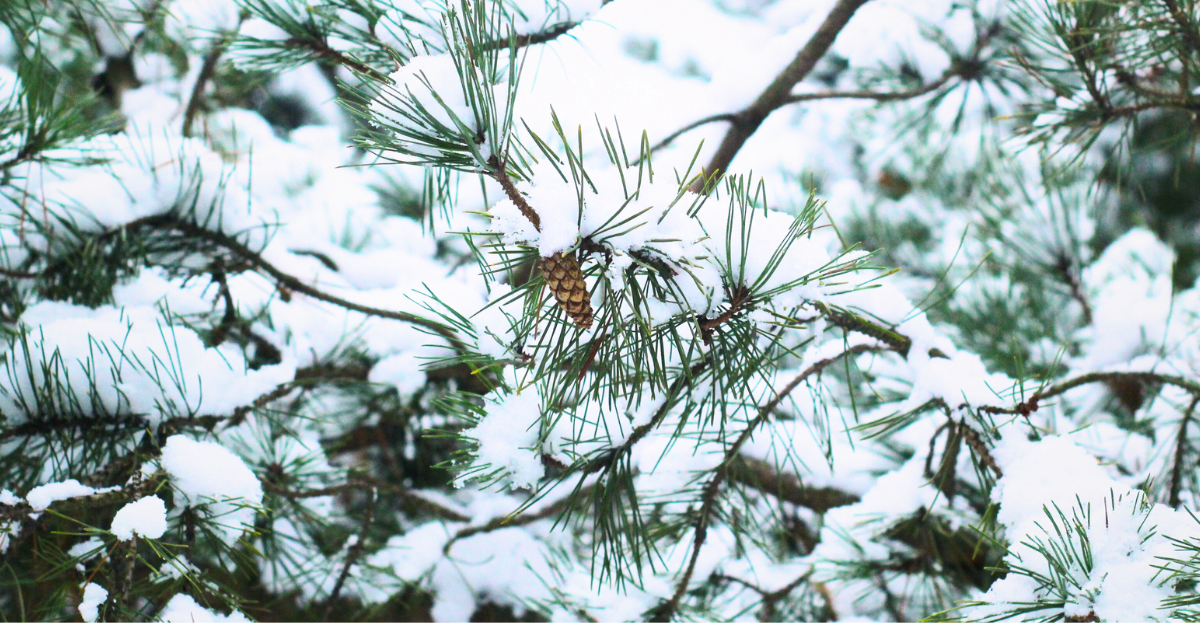
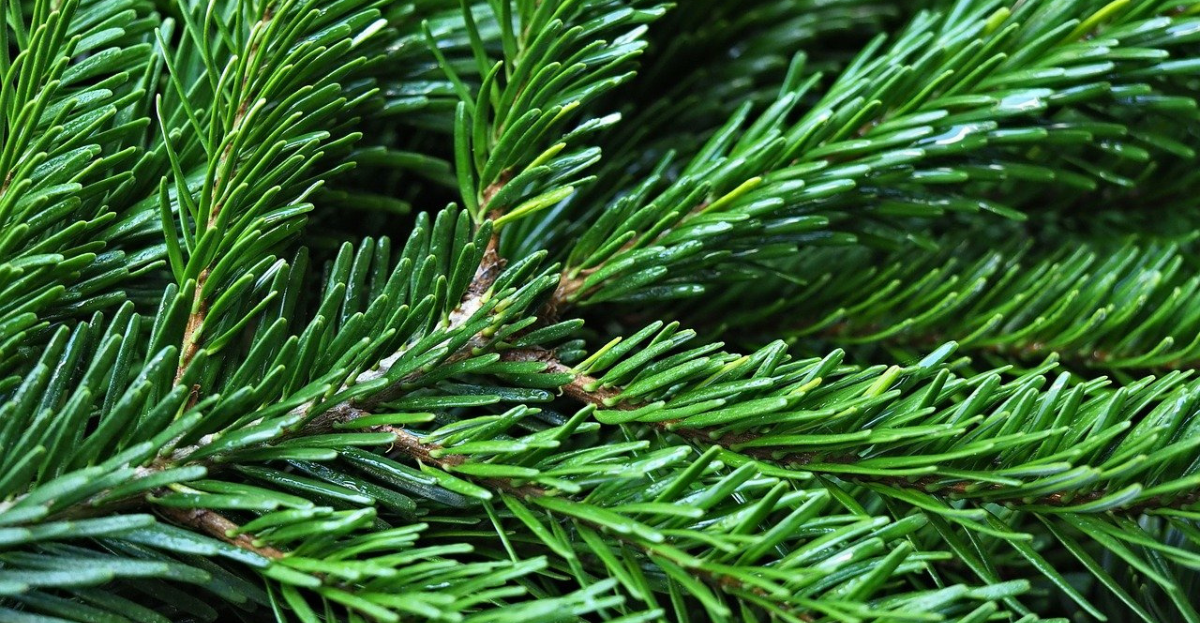
Pine and spruce needles are rich in vitamin C and resinous oils. Syrups or tinctures made from needles are traditionally used by some to support general winter wellness, digestion, or as a warming drink.
Where to find them:
Forestry edges, parks, shelterbelts, and windbreaks near allotments.
Preserving ideas:
- Pine needle syrup: Simmer chopped needles with water and sugar. Great in tea or drizzled over porridge.
- Pine needle tincture: Steep needles in alcohol for a concentrated winter tonic, traditionally used by some to support general wellness.
Crab Apples: The Last of the Winter Fruit
Why forage them?
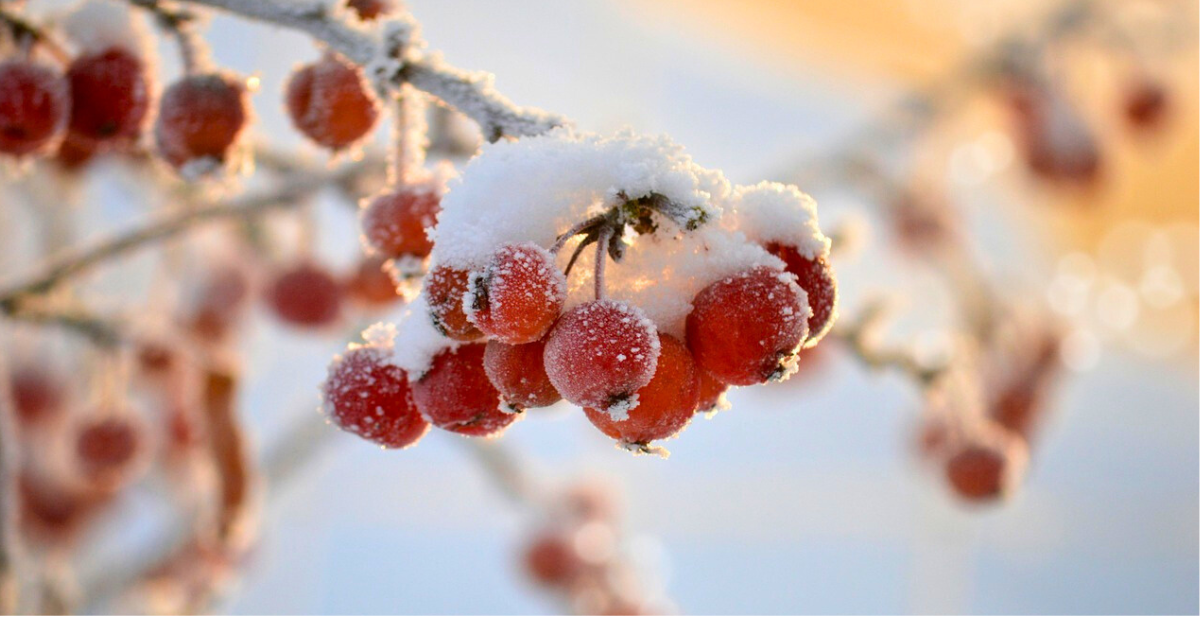
Crab apples cling on into January and are excellent for jelly, vinegar, and tinctures. Some people use crab apple tinctures traditionally to support digestion and circulation.
Where to find them:
Hedgerows, old orchards, roadside trees, and allotment boundaries.
Preserving ideas:
- Crab apple jelly: Sweet and tart, perfect on toast or as a gift.
- Crab apple vinegar: Fermented for weeks for cooking or mild tonics.
- Crab apple tincture: Alcohol extracts of the fruit, traditionally used by some in small doses.
Foraging Responsibly
Only take what you can positively identify.Harvest sparingly — winter resources are precious for wildlife.
Respect private land and local regulations.
Leave plenty behind for regeneration.
A Quiet Month, Well Used
January may appear dormant, but it’s rich with opportunity. Foraging now is about slowing down, observing nature, and connecting with others. Through syrups, preserves, and tinctures — and the exchange of knowledge and jars among plot holders — winter becomes a time of community, creativity, and seasonal enjoyment.
Non Member Newsletter Signup

National Society of Allotment & Leisure Gardeners Ltd
Registered in 1930 under the Industrial & Provident Societies Acts no. 11144R
VAT No. 1212930 14
Patron His Majesty King Charles III
© 2022-2023 National Society of Allotment & Leisure Gardeners Ltd