How to get an Allotment in the UK
Thinking about getting an allotment? We explain how to apply for a plot, what to expect from the process, and how waiting lists work. Allotments remain a popular way to grow fresh food, spend time outdoors, and enjoy the many wellbeing benefits that gardening can bring, so applying early is always recommended.
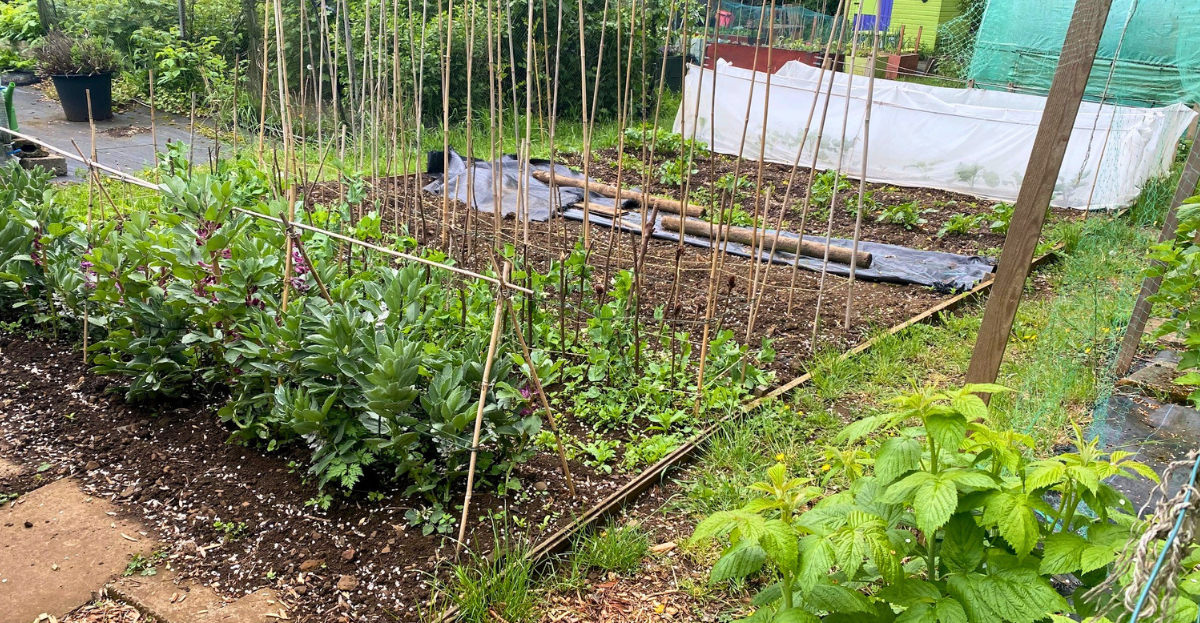
With the acknowledged benefits of allotmenteering, including positive impacts on mental, physical and social wellbeing, demand remains consistently strong in many areas. Waiting times vary depending on location and site, however applicants are encouraged to apply as early as possible and remain on the list, as you will get to the top of the top of the list maybe quicker than you think.
Types of allotment provision in the UK
Council (statutory) allotments
These are the most common form of allotment provision and the main focus of this guidance.- Managed by local authorities
- Allocated via waiting lists
- Governed by allotment legislation Allotment Acts 1908–1950)
- Long-term tenancy agreements
- Protected from easy redevelopment
Temporary allotments / meanwhile growing space
These are growing spaces provided on land owned by the council that will be used for an alternative purpose in the future.Often located on land awaiting development
- Short-term agreements (typically 1–5 years)
- Can be reclaimed at relatively short notice
- Lower security of tenure than statutory allotments
Private or commercial growing spaces
These operate independently of the council allotment system.- Run by private landowners, charities, or organisations
- Often described as community gardens or grow-your-own schemes
- Membership or rental-based access rather than allocation lists
- Variable pricing structures, usually higher than council rents
- May offer enhanced facilities or services
- Waiting lists may be shorter or not applicable
- Less protection


Council allotments: application process
The following steps apply specifically tocouncil-run statutory allotments.
Step 1: Find your local council allotment service
Applicants should contact their local authority to identify allotment sites and application procedures.
This is usually done by:
- Searching the council website for “allotments”
- Contacting the council switchboard
- Reaching out to the allotments officer or parks/green spaces department
Applications are typically made via:
- Online forms
- Telephone (in some areas)
- Name
- Address
- Contact details
- Preferred site(s), where applicable

Step 3: Join the waiting list
Once registered:
- Applicants are placed on one or more waiting lists
- Confirmation of registration is normally provided
- Some councils issue queue positions, others do not
- Applicants may join multiple site lists whre permitted
- Follow-up is recommended if no contact is received after several months
- Waiting times vary significantly depending on location and demand.
- When a plot becomes available:
- The applicant will be contacted by the council or site representative
- A viewing appointment is usually offered
- A decision is required within approximately
- 7–14 days
Council allotment costs
Costs are set locally and apply only to council-run allotments.Typical annual charges:
- Full plot rent: £20–£100 per year
- Half plot rent: £10–£50 per year
- Water charges: variable, sometimes included
- Key deposits: occasionally required and refundable
Initial setup costs (tools, compost, seeds, and basic materials) typically range from £150–£300 in the first year.
Viewing a council allotment plot
Applicants are strongly advised to view a plot before acceptance.
Key considerations include:
- Sunlight
- Most edible crops require at least 6–8 hours of direct sunlight during the growing season.
- Water access
- Distance from water sources will affect ease of cultivation and ongoing workload.
- Soil condition - do you need to add a lot of compost for example
- Plot condition -Overgrown plots are common but and are usually fully cultivable.
- Surrounding plots - Well-maintained neighbouring plots may indicate an active and well-managed site.

Summary
Most allotment “problems” are not really problems at all—they are differences in practice, timing, or expectation. With clear guidance, a fair approach, and a focus on practical solutions, associations can resolve issues quickly and maintain good relationships both within the site and with the wider community.
Allotments thrive best when they are well-managed, considerate, and cooperative—and most of that comes down to good communication and a willingness to make small, workable adjustments.
Allotments thrive best when they are well-managed, considerate, and cooperative—and most of that comes down to good communication and a willingness to make small, workable adjustments.
Join The National Allotment Society
Become a National Allotment Society member and help to preserve and protect allotments for future generations.
You'll also gain a range of benefits including free liability insurance, initial legal support, expert advice and much more.
Non Member Newsletter Signup

National Society of Allotment & Leisure Gardeners Ltd
Registered in 1930 under the Industrial & Provident Societies Acts no. 11144R
VAT No. 1212930 14
Patron His Majesty King Charles III
© 2022-2023 National Society of Allotment & Leisure Gardeners Ltd