Homemade fertilisers and plant teas for your allotment
Feeding your allotment doesn’t need to rely on shop-bought products. Some of the most effective fertilisers are those you can make yourself — using weeds, garden waste, kitchen scraps, and natural by-products.
What is Homemade Fertiliser?
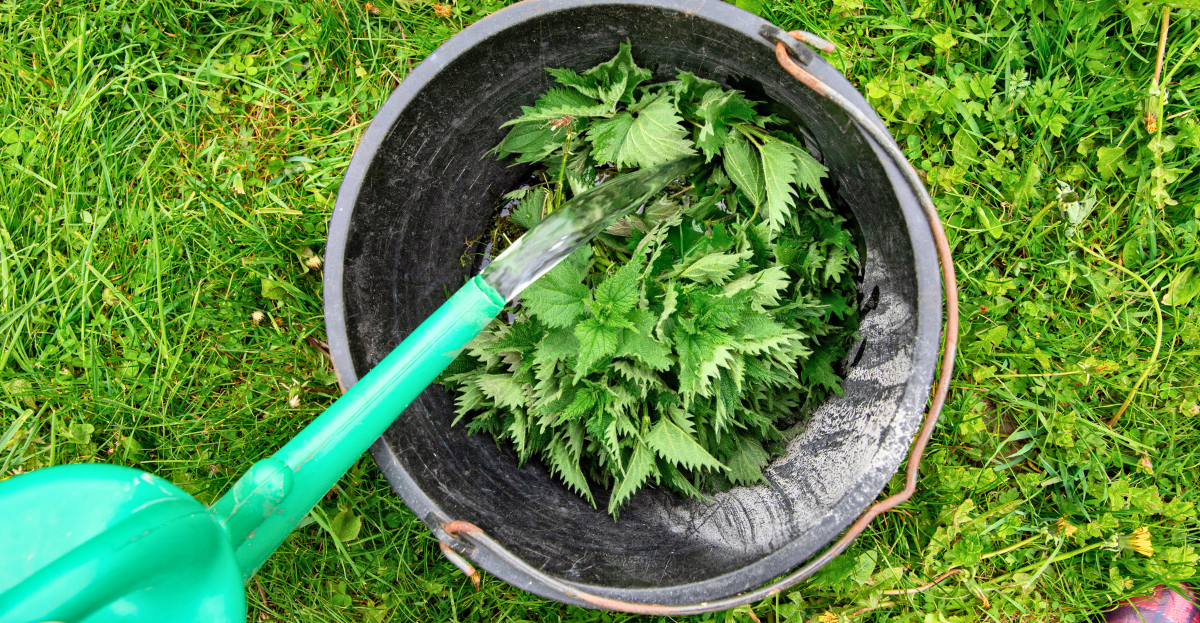
Homemade fertiliser is usually a liquid feed made from plants, manure, or homemade compost.The liquid is produced by rotting down plant material or steeping manure or compost in water. This nutrient-rich liquid is then diluted and applied to crops to boost growth.
Because the ingredients are derived from plant or animal matter, these feeds are organic and naturally based.
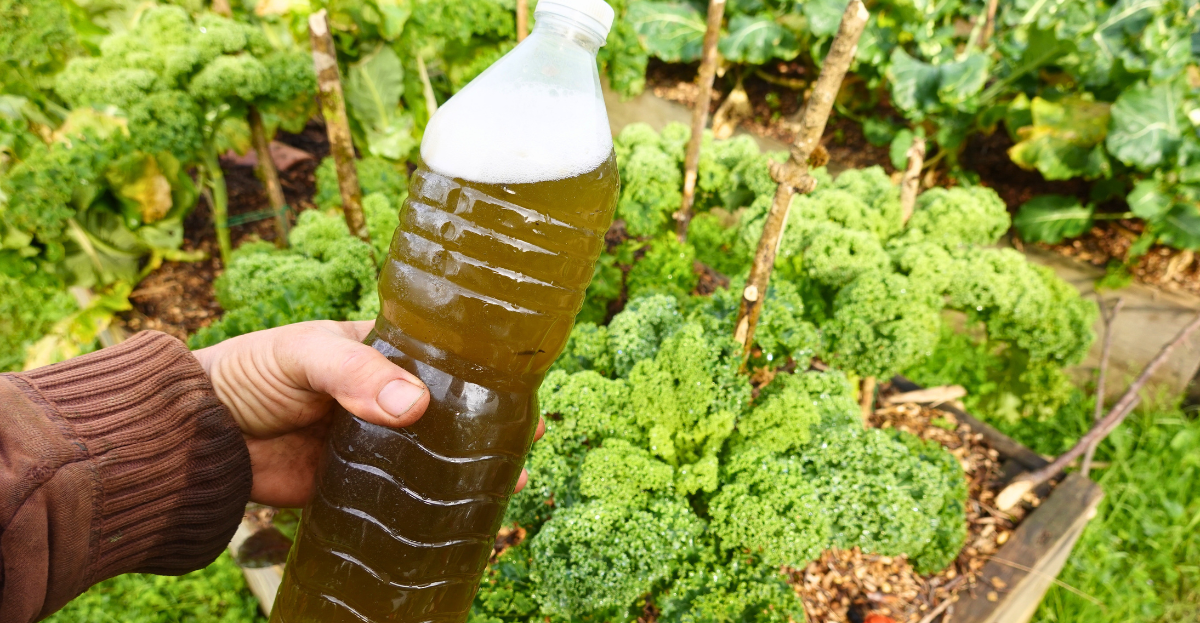
Why Use Homemade Fertilisers?
- Reduce waste by reusing garden and kitchen materials
- Avoid chemicals and artificial inputs
- Improve soil structure and microbial life
- Save money while maintaining productive crops
Understanding the Main Types of Homemade Fertiliser
Different fertilisers provide different nutrients. The key is knowing
which type to use and when.
1. Nitrogen-Rich Feeds (Leaf Growth Boosters)
Best for:leafy crops and early growth stages
Use on:
lettuce, spinach, brassicas, courgettes
Nitrogen promotes lush, green growth and is essential in the early stages of plant development.
Common ingredients:
- Nettles
- Grass clippings
- Young green weeds
- Urine (diluted)
- Fast-growing and widely available
- Produces a strong, nutrient-rich liquid
- Ideal for giving plants a spring boost
Apply every 1–2 weeks during active growth, diluted to the colour of weak tea.
2. Potassium-Rich Feeds (Flowering and Fruiting)
flowering and fruiting plants
Use on:
tomatoes, peppers, beans, strawberries
Potassium supports flower development, fruit quality, and overall plant health.
Common ingredients:
- Comfrey
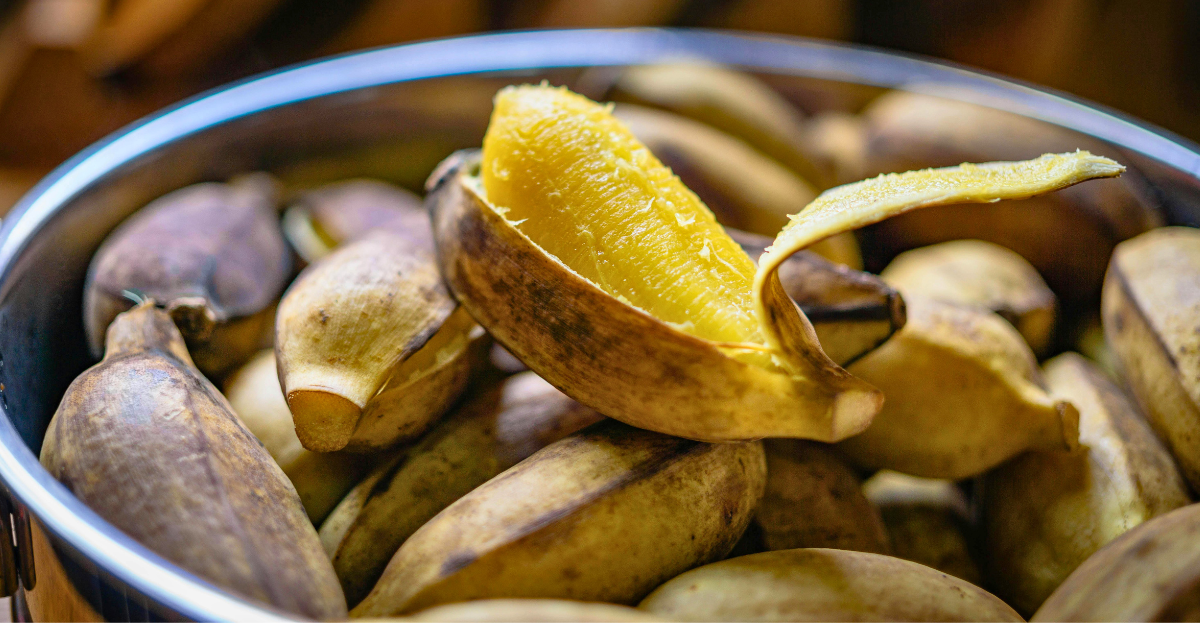
- Banana peels
- Wood ash (in small amounts)
- One of the best natural feeds available
- Particularly high in potassium
- Encourages higher yields and better fruit development
Start feeding once flowers appear and continue through the fruiting period.
3. Balanced Feeds (General Plant Health)
all-round feeding
Use on:
most crops, especially containers and young plants
Balanced feeds provide a mix of nutrients and help maintain steady growth.
Common ingredients:
- Compost
- Mixed plant material
- Wormery liquid
- Gentle and safe for most plants
- Improves soil biology as well as feeding plants
Apply regularly as a general tonic for your allotment.
4. Manure-Based Feeds (Strong Nutrient Boost)
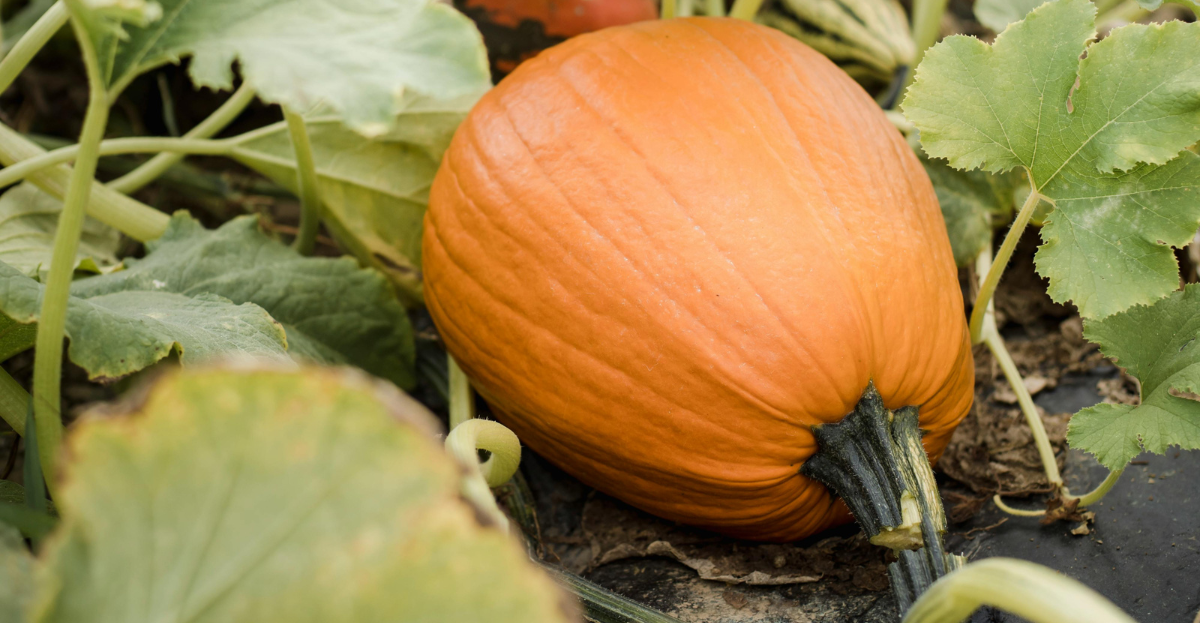
Best for:heavy feeders
Use on:
pumpkins, squash, sweetcorn, brassicas
Manure-based feeds are stronger and richer than plant teas.
How to make:
- Soak well-rotted manure in water
- Leave to steep, then strain
Dilute well (1:10) and apply less frequently than plant-based feeds.
5. Waste-Based Fertilisers (Sustainable Solutions)
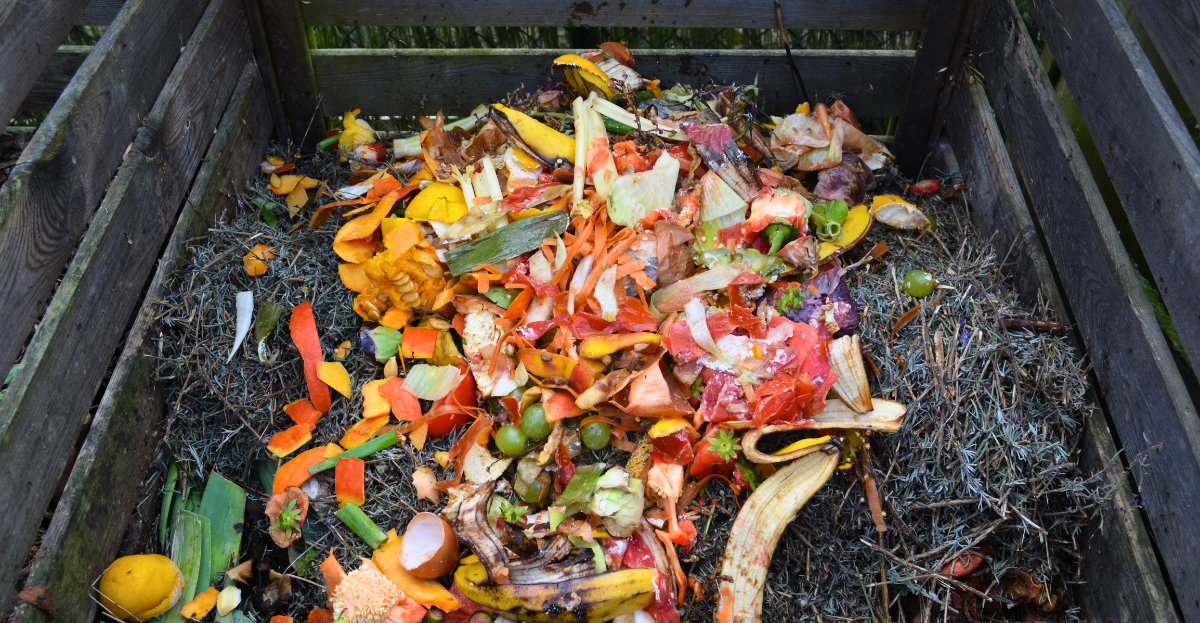
These are ideal for reducing household waste while feeding your crops.
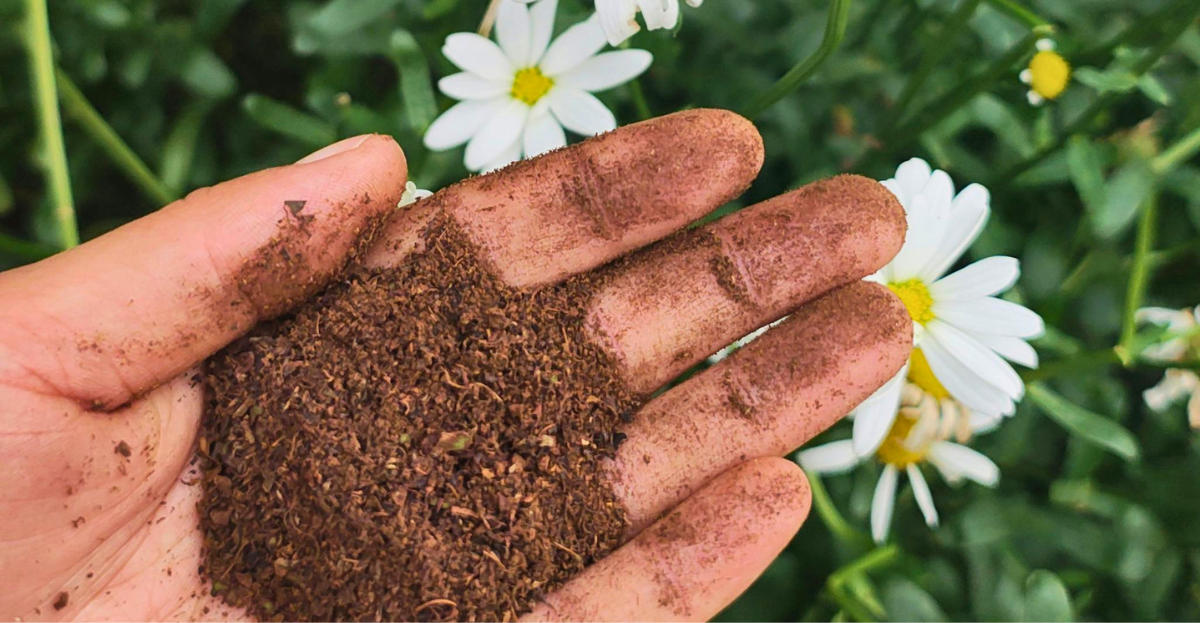
Coffee Grounds
- Add to compost or soil
- Provide nutrients and improve soil life
- Attract earthworms
- High in potassium
- Can be soaked or buried near plants
- Quick nitrogen boost
- Easy to make during mowing season
6. Specialist Additions
These can be used to enhance your fertilisers:
- Wood ash – boosts potassium (avoid acid-loving plants)
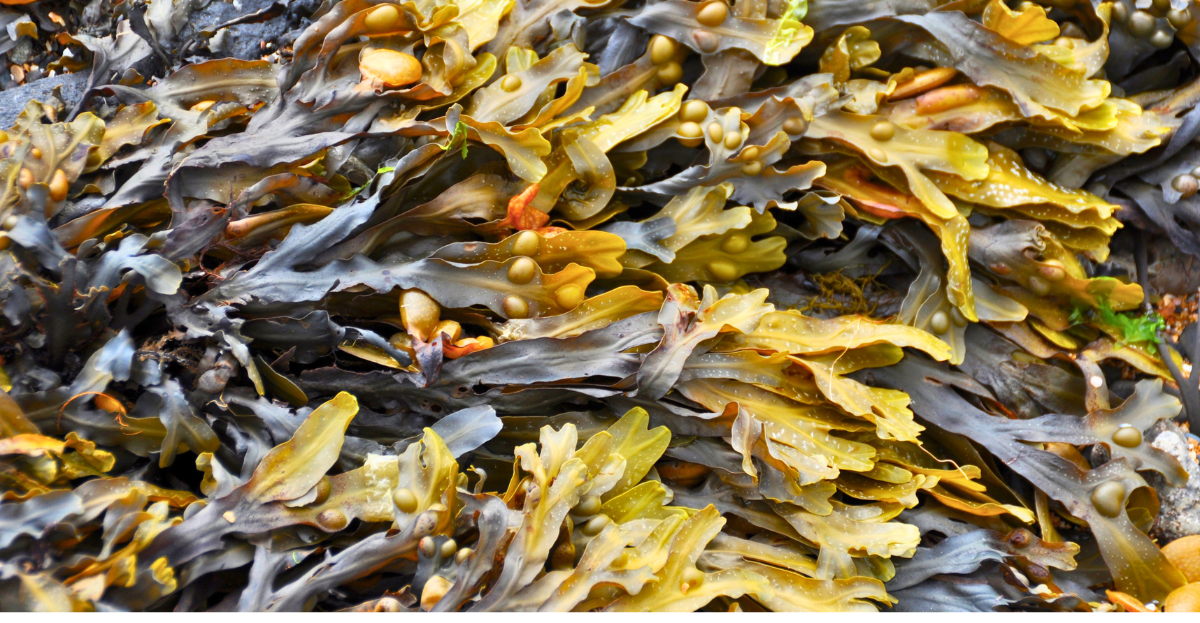
- Seaweed – rich in trace elements (check permissions before collecting)
- Bokashi liquid – very concentrated, dilute heavily (1:100)
- Wormery liquid – excellent balanced feed
How to Make Plant Teas (Step-by-Step)
- Fill a container with plant material
- Press down firmly
- Add water if needed
- Cover with a lid
- Leave to decompose (days to weeks)
- Strain off the liquid
- Store and label
- Dilute before use
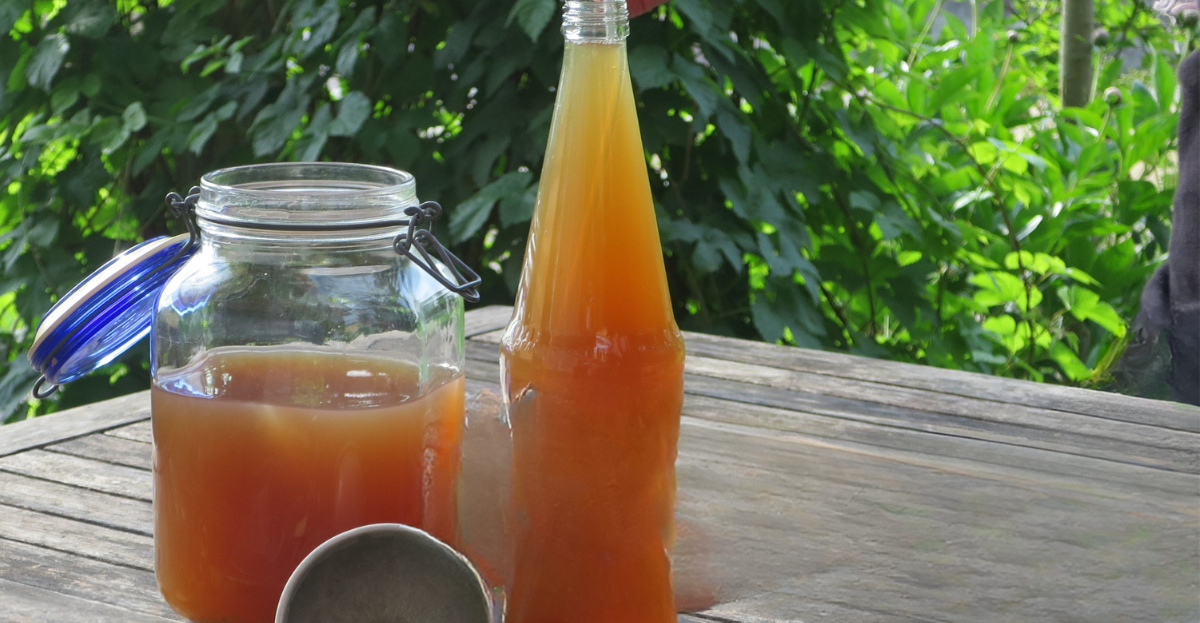
- The liquid is ready when it turns dark and smells strong.
Dilution Guide
Always dilute before applying:
Plant material (no added water): 1:20
Plant material (with water): 1:10
Manure and wormery liquid: 1:10
Bokashi liquid: 1:100
Aim for a colour similar to weak tea.
When and How to Use
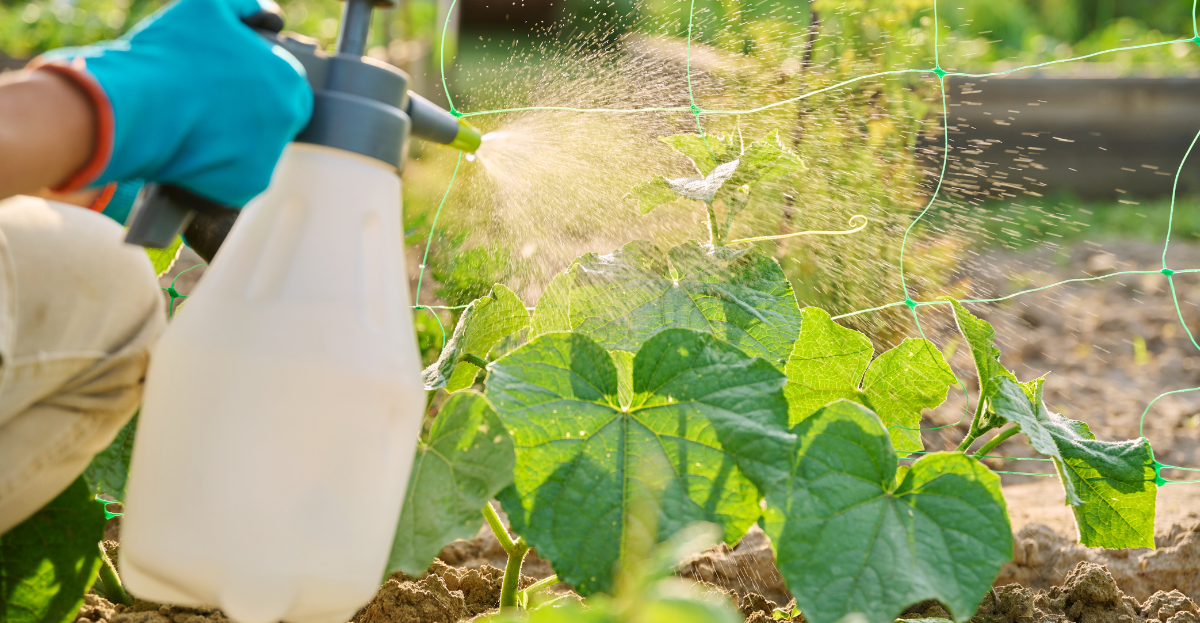
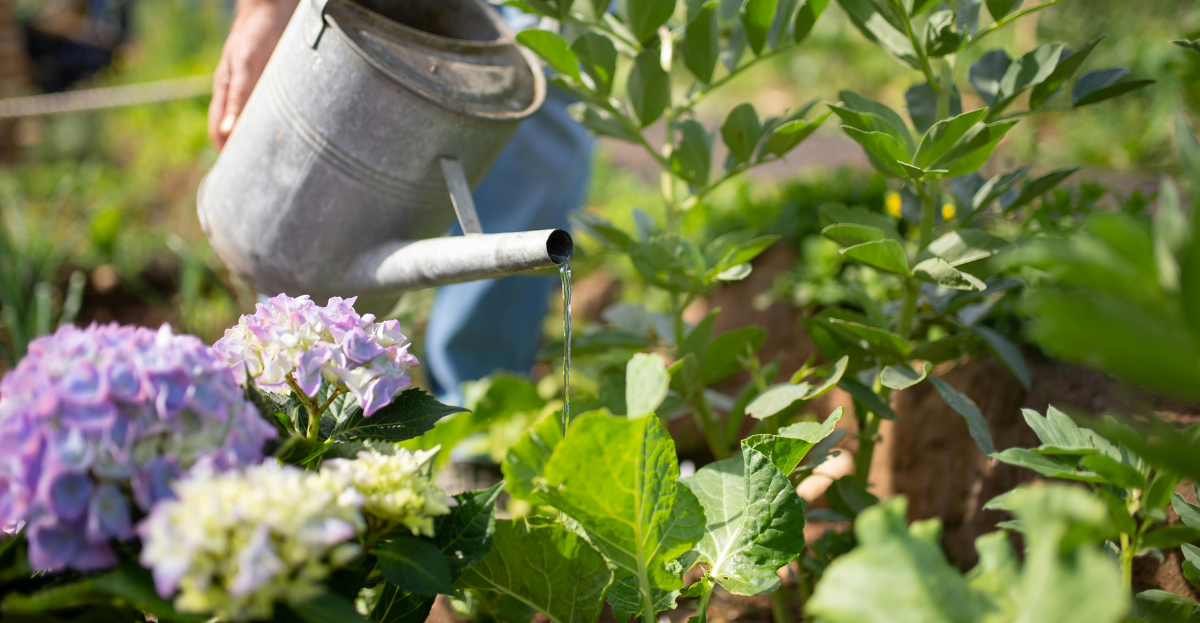
- Apply to soil, not leaves
- Use little and often for best results
- Focus feeding during active growth periods
- Avoid feeding dormant plants
Safety and Practical Tips
- Wear gloves when handling strong mixtures
- Never use as a spray (to avoid inhaling microbes)
- Label your containers clearly
- Keep away from children and pets
- Expect strong smells — that’s normal!
A Natural Way to Feed Your Allotment
Homemade fertilisers reconnect us with traditional growing methods while helping tackle modern challenges like soil degradation and waste.By understanding the different types of feeds and their uses, you can create a simple, effective feeding routine tailored to your crops — all while making the most of what you already have.
And perhaps best of all, you’ll never look at a pile of weeds or kitchen scraps the same way again.

Become a National Allotment Society member and help to preserve and protect allotments for future generations.
You'll also gain a range of benefits including free liability insurance, initial legal support, expert advice and much more.
Non Member Newsletter Signup

National Society of Allotment & Leisure Gardeners Ltd
Registered in 1930 under the Industrial & Provident Societies Acts no. 11144R
VAT No. 1212930 14
Patron His Majesty King Charles III
© 2022-2023 National Society of Allotment & Leisure Gardeners Ltd