Digging for the Future: A History of Allotments in the UK
Allotments have been more than just patches of land—they are spaces for growing food, building community, and nurturing a greener future. We take a closer look at their history and ongoing importance.

What Is an Allotment?
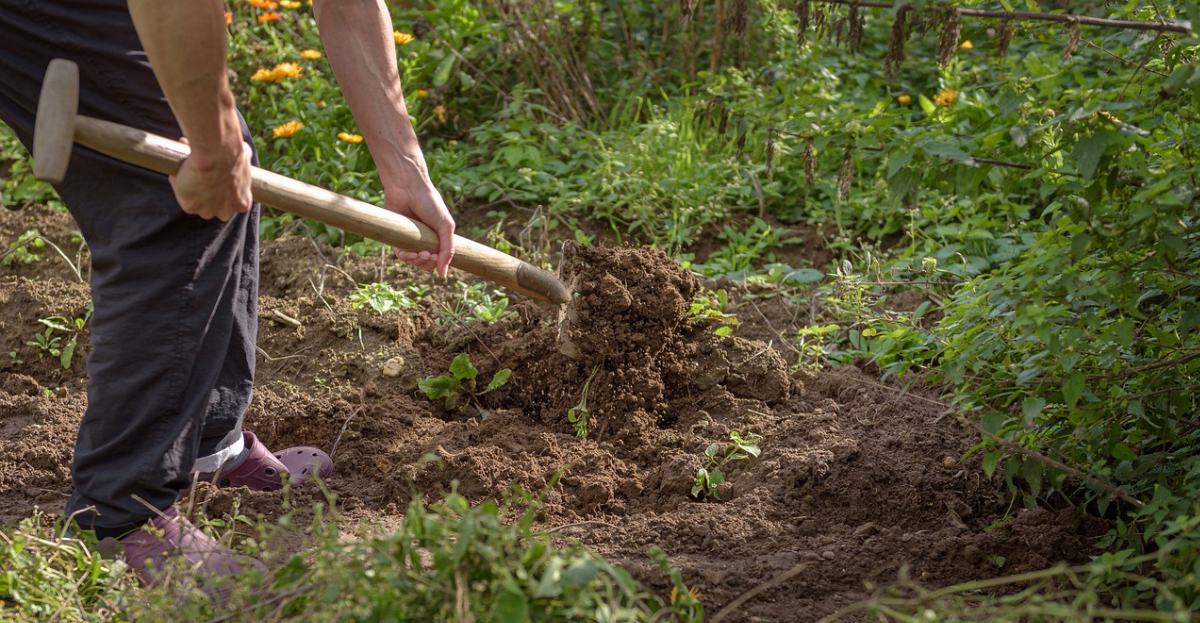
An allotment is a small plot of land rented for growing vegetables, fruits, or flowers. Most plots are around 10 rods (about 253 square metres), but sizes vary. Land can be owned by local councils, self-managed associations, or even churches.
Allotments are classified as statutory or temporary. Statutory sites are protected by law, meaning local authorities must get government approval before repurposing them. Temporary sites may be moved or redeveloped, but still offer valuable space for gardeners. Rental costs vary widely, typically £30–£90 per year, with some discounts sometimes available.
Early Origins
The roots of allotments stretch back over a thousand years. Saxon communities used cleared woodland for common cultivation. After the Norman Conquest, land became concentrated in the hands of the aristocracy and the church, limiting access for ordinary people.
By the late 1500s, enclosures began to restrict common lands, leaving many unable to grow food. In response, small plots were attached to cottages for personal cultivation—the first formal “allotments” in Britain.

Growth Through Legislation
The 17th and 18th centuries saw urban populations grow rapidly, increasing the need for land to supplement diets. Industrialisation brought more people to towns, where, without social security, access to even a small plot of land could mean the difference between hunger and sustenance.
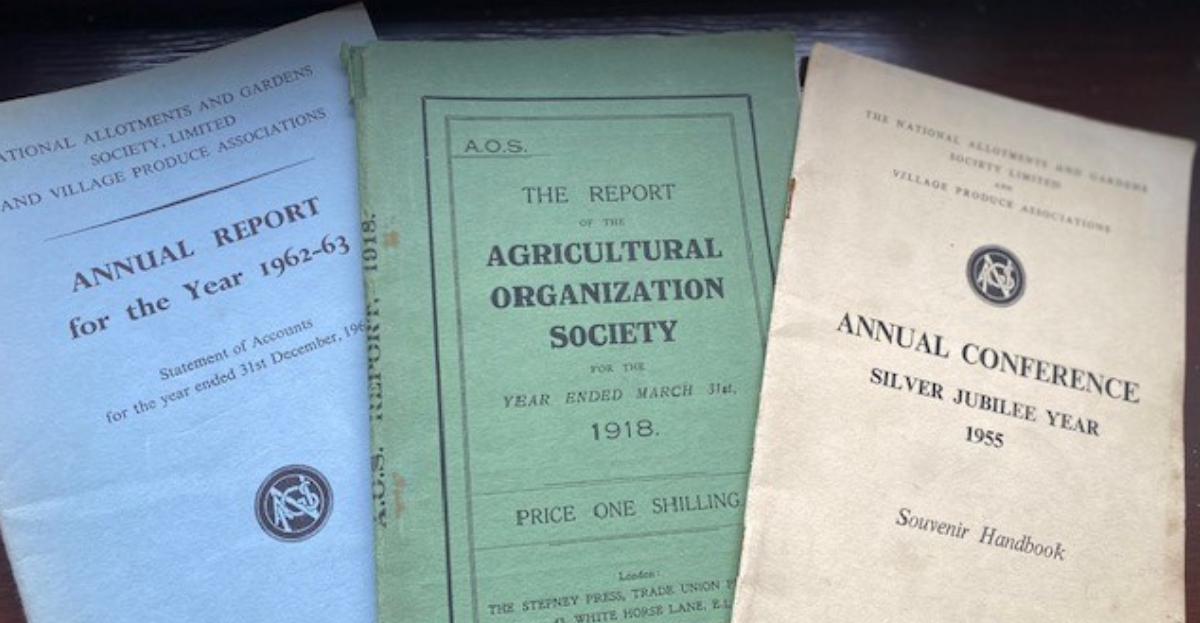
The General Enclosure Acts of the 19th century allowed landowners to enclose land, but also mandated that a portion be set aside for “field gardens” for the landless poor. These early protections marked the beginning of the modern allotment system, formalising small plots for growing food.

20th Century Developments
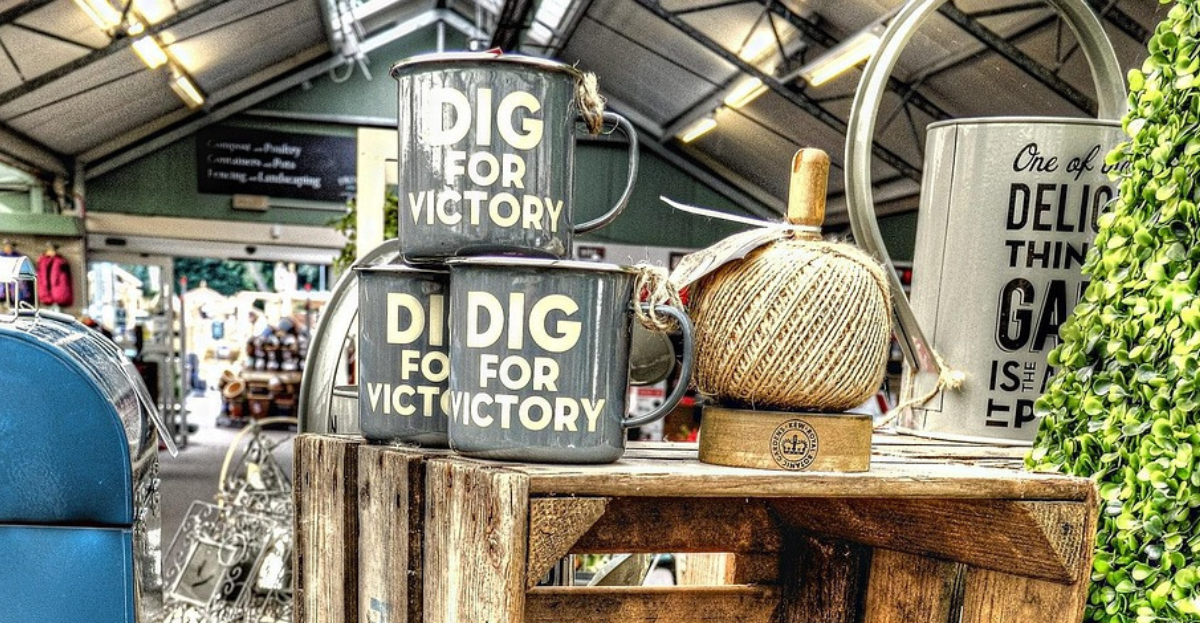
The 20th century saw allotments gain further recognition and support. During both world wars, allotments played a critical role in food production. Campaigns such as “Dig for Victory” encouraged people to grow their own food, while large-scale distribution of seeds helped sustain families across the UK.
Post-war legislation, including the Allotment Act 1950, secured land for gardening and ensured ongoing protection for allotment holders. Over the decades, improvements in site management, surveys, and competitions for well-kept plots helped maintain high standards and encouraged community involvement.
Allotments Today
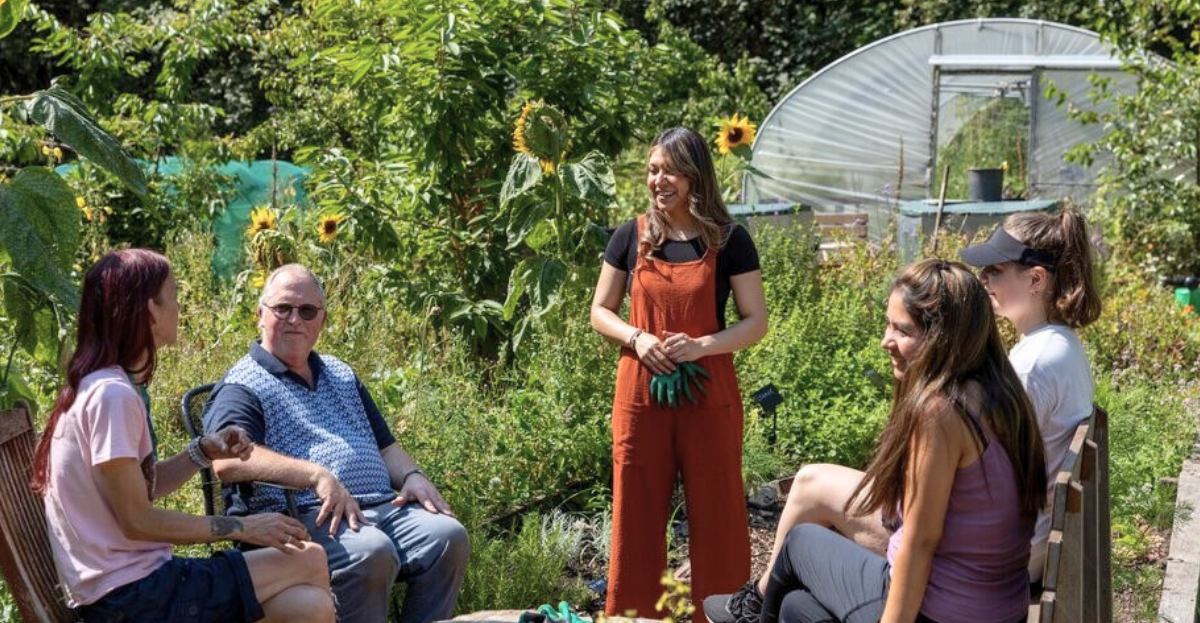
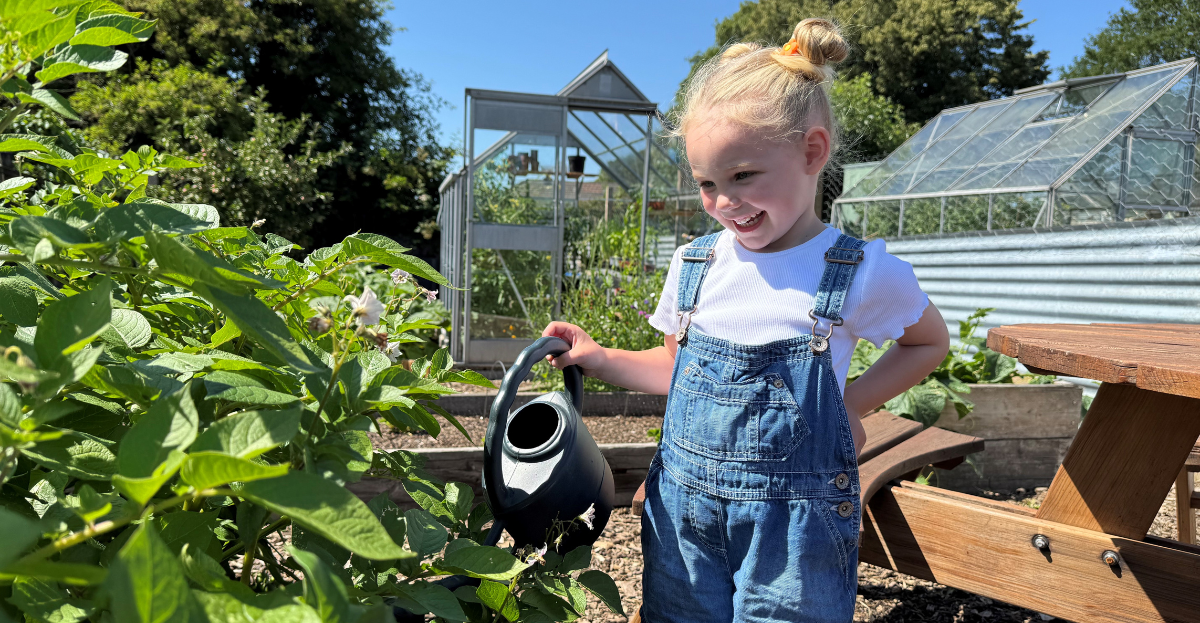
Interest in allotments has surged in recent years, often outstripping availability. Modern allotments are not only about food production—they are spaces for education, wellbeing, and environmental stewardship. They support biodiversity, encourage physical activity, and provide green spaces in increasingly urban areas.
Allotments remain places where individuals learn, share knowledge, and connect with their communities. They demonstrate that even small plots of land can have a lasting impact on food security, health, and social cohesion.
Why Allotments Matter
Allotments offer far more than just soil and seeds:
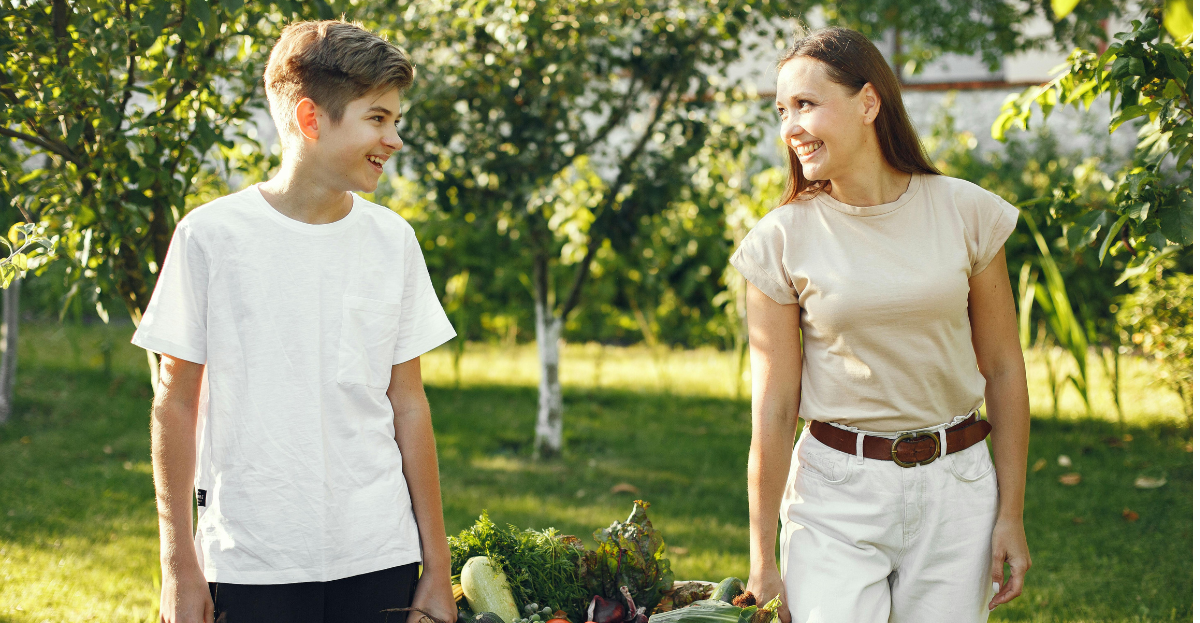
- Fresh, home-grown produce for health and nutrition
- Physical activity and time outdoors for wellbeing
- Social interaction and community building
- Environmental benefits, from improved soil to increased biodiversity
- Food security
- Mental health wellbeing
Why Allotments Remain Essential
As demand for allotments grows and green spaces become ever more precious, it’s clear that allotmenting is more important than ever. By tending a plot, we preserve a tradition that supports food security, community wellbeing, and the environment.
Every seed sown and every row dug is a step toward a healthier, more sustainable future—proving that allotments are not just a part of our history, but a vital part of our tomorrow.
Become a National Allotment Society member and help to preserve and protect allotments for future generations.
Non Member Newsletter Signup

National Society of Allotment & Leisure Gardeners Ltd
Registered in 1930 under the Industrial & Provident Societies Acts no. 11144R
VAT No. 1212930 14
Patron His Majesty King Charles III
© 2022-2023 National Society of Allotment & Leisure Gardeners Ltd