February Fruit Pruning to Boost Your Allotment Harvest
February may feel quiet on the allotment, but for fruit growers, it’s a critical month . Pruning now not only reduces disease
risk but also encourages stronger growth, better flowering, and larger harvests later in later in the season.
A careful winter prune can make all the difference to your allotment yield.
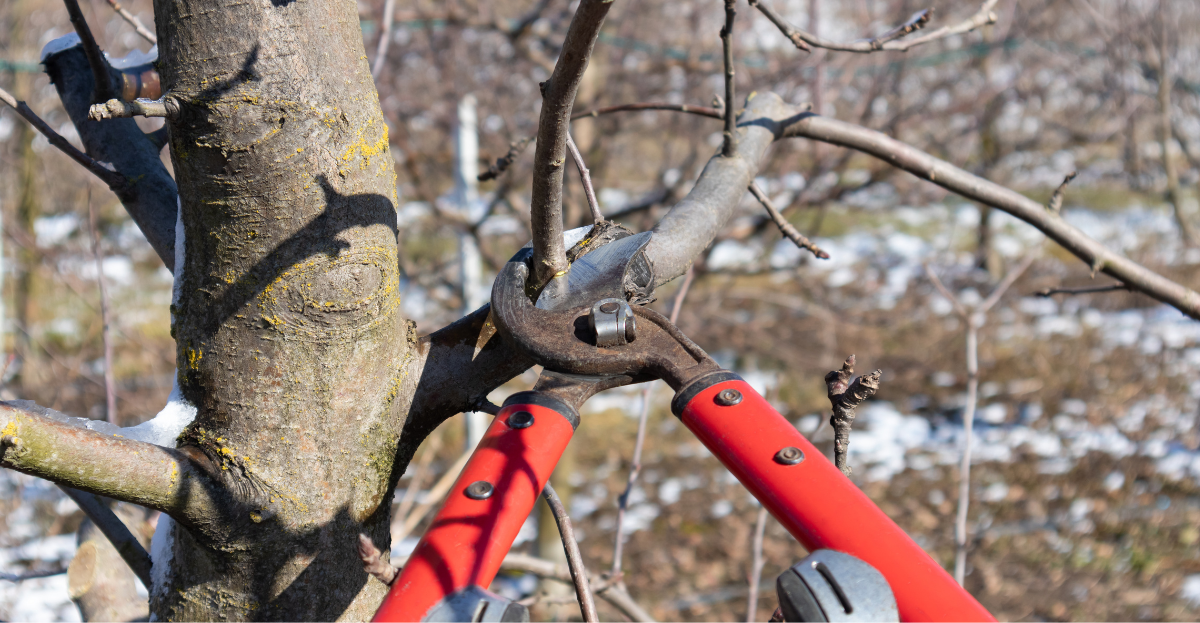
1. Apples
Apple trees are best pruned while fully dormant in February. Start by removing dead, diseased, or crossing branches , then thin the canopy to let in light and air. Cut back last season’s growth by about one-third to encourage fruiting spurs. For standard trees , aim for a goblet shape, while
bush or fan-trained trees benefit from trimming side branches to maintain an open, manageable structure. Always step back and assess the tree’s natural shape before cutting.

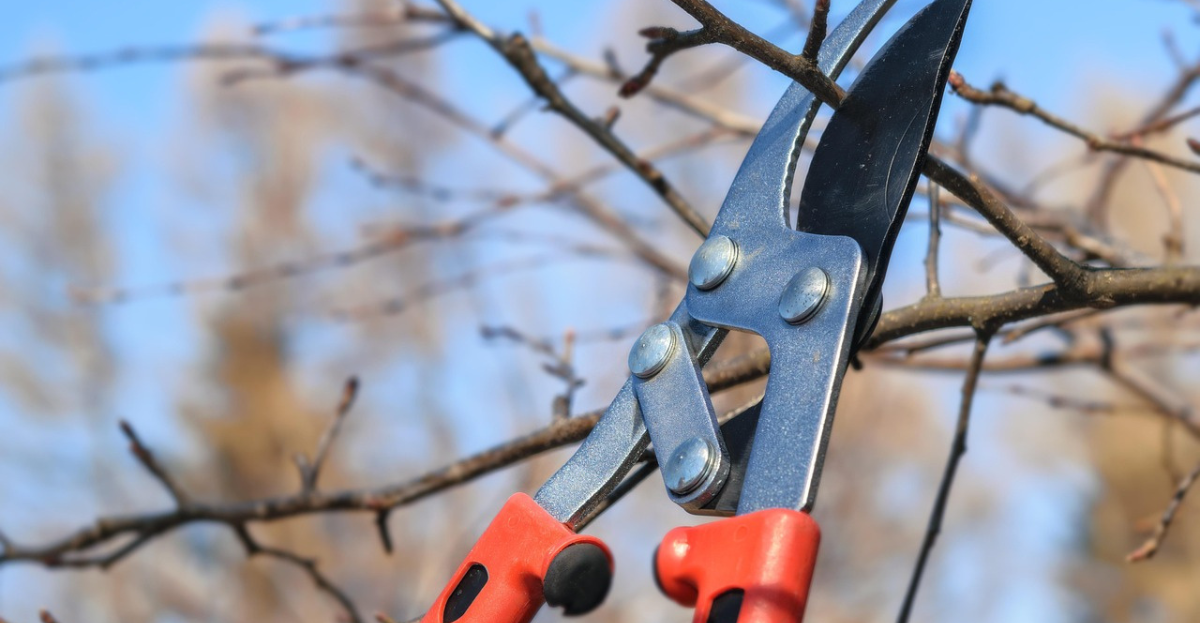
2. Pears
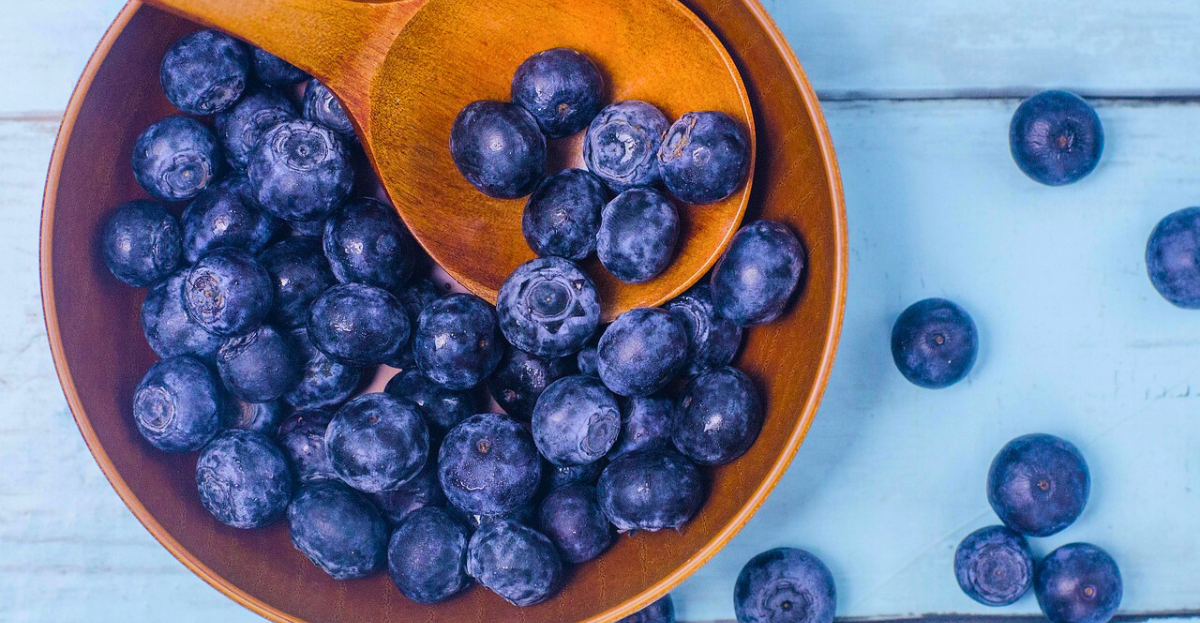
Pears follow a similar pruning approach to apples but are slightly more sensitive to over-pruning . Remove weak or overcrowded branches first, then thin the centre. Avoid cutting too aggressively — too much new growth in spring can reduce fruiting. For espaliered or cordon pears, carefully trim lateral shoots to maintain neat lines while encouraging fruit along the main stems.3. Blueberries
Blueberries need winter pruning to stay healthy and productive. Start by removing any weak, damaged, or dead stems , then thin out crowded branches to allow sunlight into the centre. Aim to leave a mix of older, fruiting wood and younger shoots, which will produce the next year’s crop. Trim outer branches to varying heights to encourage fruiting along the stems, not just at the tips. Don’t prune more than one-third of the bush at a time to avoid stressing the plant.
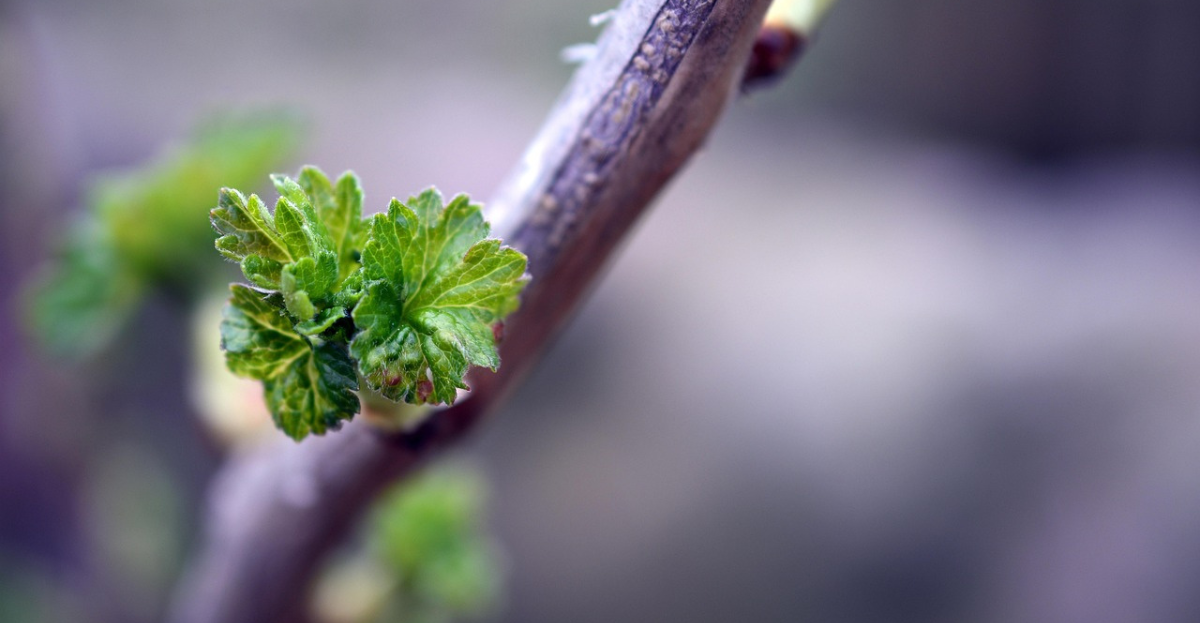
4. Currants and Gooseberries
These shrubs fruit on 2–3-year-old wood , so selective pruning is key. Remove the oldest canes at the base and leave 5–6 of the strongest new shoots . Thin the centre slightly to improve air circulation and light penetration, which reduces disease risk. Clip away any and shape the plant so it remains manageable for harvesting. For gooseberries, avoid leaving shoots too long, as heavy fruiting can cause branches to bend or snap.
5. Raspberries (Fall-Fruiting)
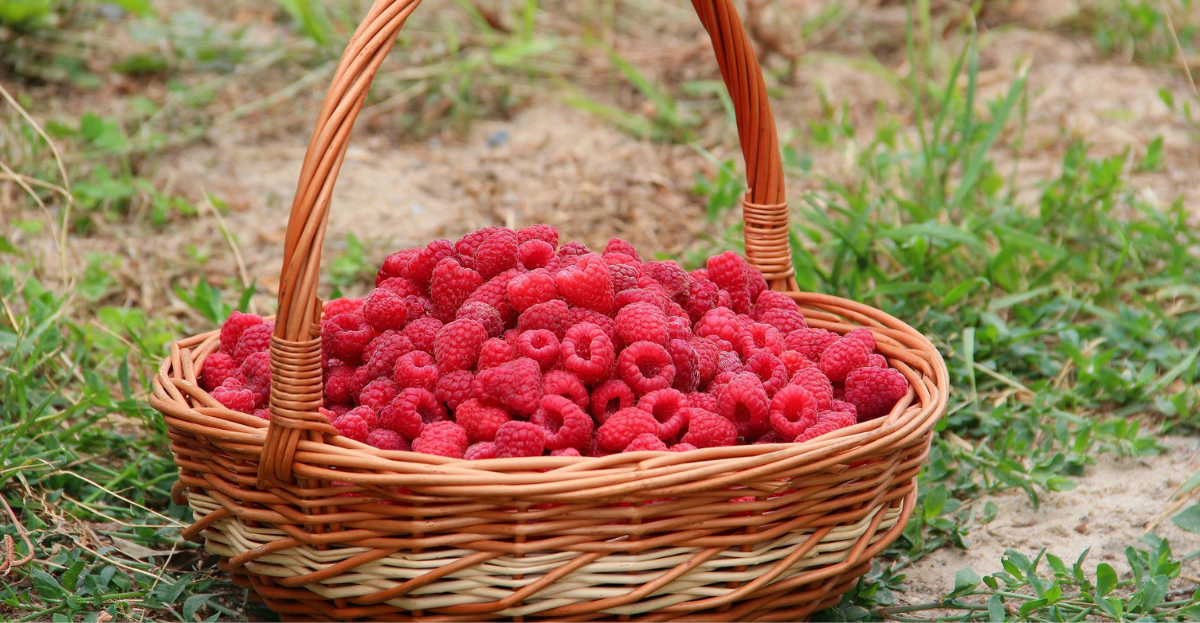
Fall-fruiting raspberries produce fruit on primocanes (this year’s growth).
In February, cut all canes down to ground level. This encourages vigorous new growth and a larger, cleaner autumn harvest. Summer-bearing varieties produce on floricanes (second-year canes), so prune only the old fruiting canes and thin out weaker stems to leave 4–6 strong canes per metre. Always tidy up the base to reduce disease risk.
6. Grapevines
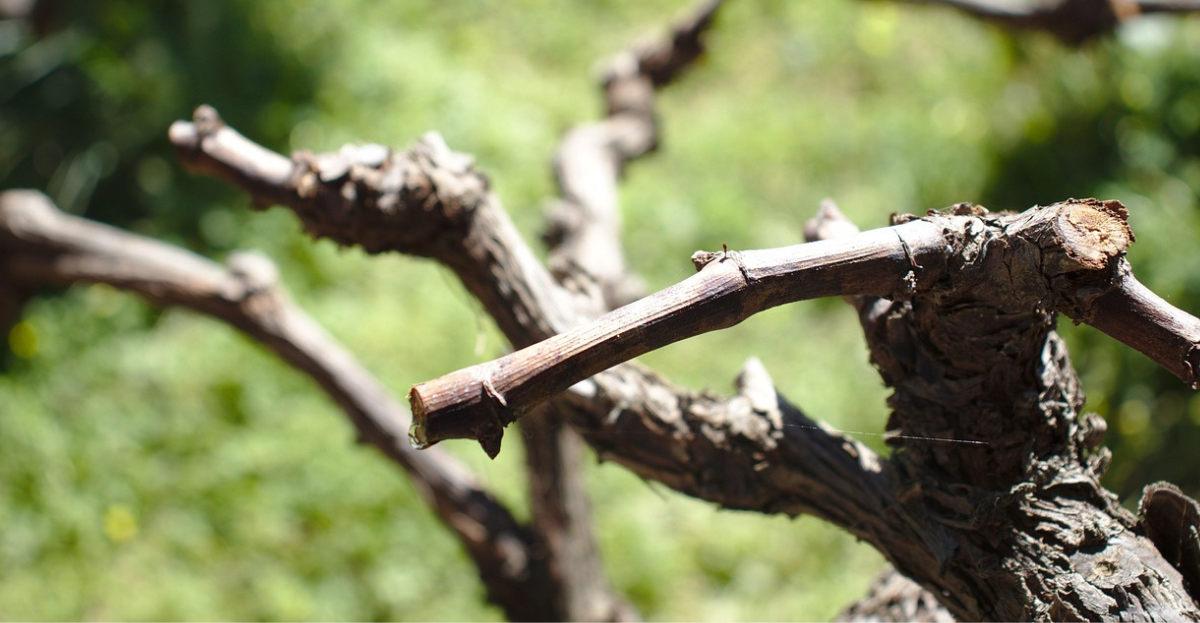
Grapes respond best to a hard winter prune . Reduce each vine to 10–12 canes with 4–5 buds per cane, focusing on healthy, well-placed buds. This encourages balanced growth , prevents sap loss, and allows you to train vines on trellises or arches. Remove any dead, crossing, or weak stems. If you grow multiple varieties, prune them individually to suit their growth habits, whether for table grapes or wine.
7. Strawberries (Summer- and Autumn-Fruiting)
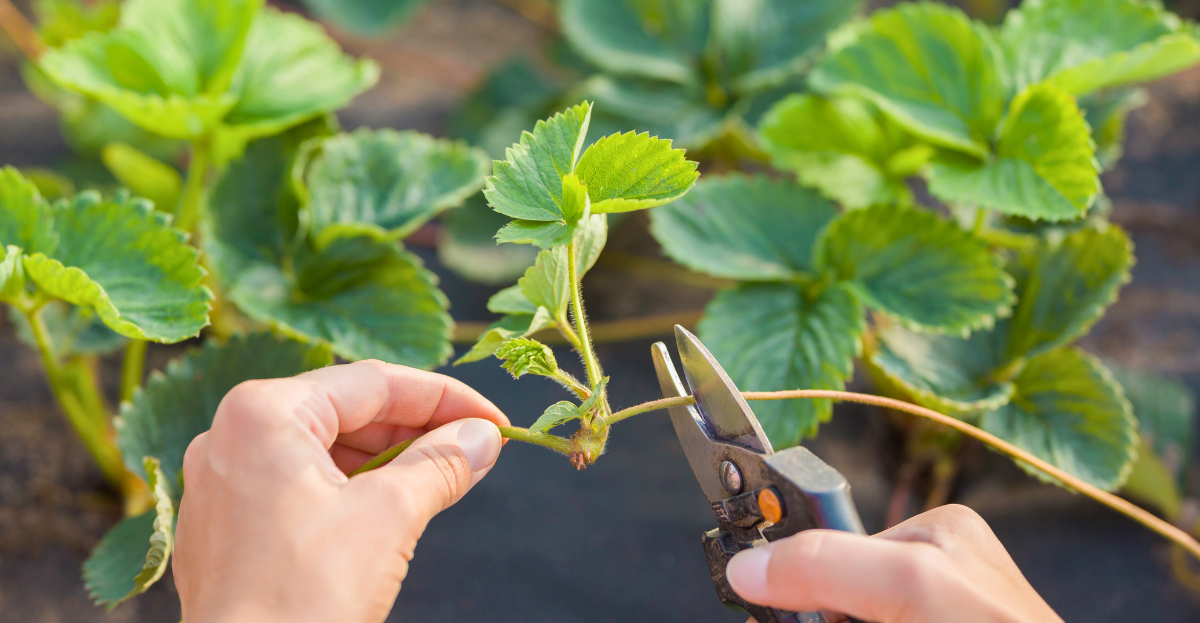
Winter pruning strawberries improves airflow and reduces disease. Remove
dead leaves and old runners . For summer-fruiting varieties, leave the strong crowns and runners that will fruit in the coming season. For autumn-fruiting types, cut back all foliage to just above the crown to stimulate fresh, productive growth in spring. Keep the soil clear of debris and mulch lightly to protect crowns over winter.
8. Blackberries
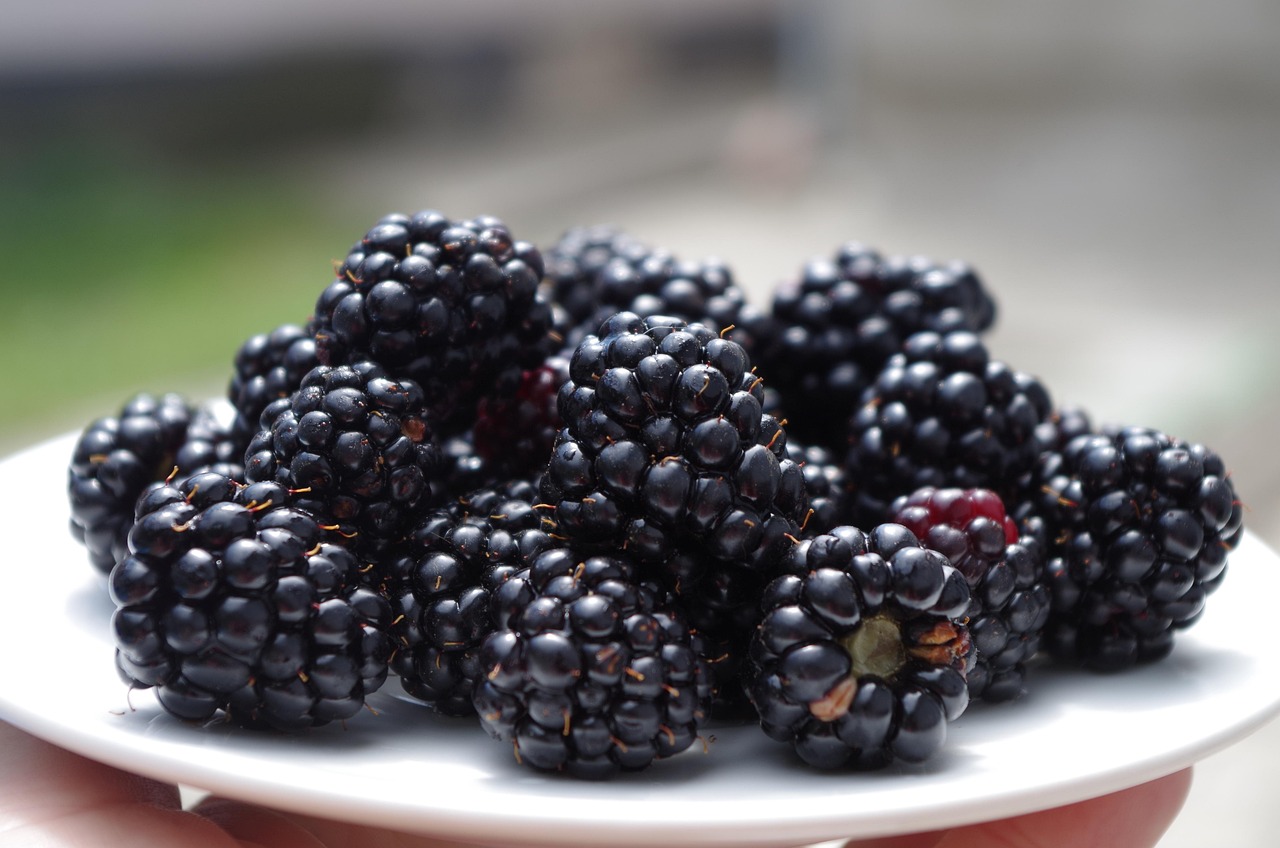
Blackberries fruit on second-year canes (floricanes) for summer-bearing varieties. Remove any weak, dead, or spindly canes. Thin the remaining stems to 6–8 strong canes per plant , tying them to supports if needed. Autumn-fruiting varieties are simpler: cut all canes down to the ground to encourage strong new growth and a tidy, productive patch. Pruning helps prevent disease and makes picking easier.
Key Winter Pruning Tips for Allotmenteers
Sterilise your tools — even in winter, diseases can spread from plant to plant.Avoid pruning frozen wood — wait for a dry, frost-free day.
Less is more — never remove more than one-third of a plant in one session. You can always prune more later if needed.
Keep airflow in mind — thinning crowded centres reduces fungal infections and improves sunlight penetration.
Pruning in February is a quiet but rewarding task. Take your time on the allotment, enjoy the winter calm, and you’ll be ready for a season of
healthy, productive fruit.
Become a National Allotment Society member and help to preserve and protect allotments for future generations.
You'll also gain a range of benefits including free liability insurance, initial legal support, expert advice and much more.
Non Member Newsletter Signup

National Society of Allotment & Leisure Gardeners Ltd
Registered in 1930 under the Industrial & Provident Societies Acts no. 11144R
VAT No. 1212930 14
Patron His Majesty King Charles III
© 2022-2023 National Society of Allotment & Leisure Gardeners Ltd