How to Feed Your Family from an Allotment
With food prices continuing to place pressure on household budgets, more people are looking for practical ways to strengthen their food security. One solution that has supported families for generations is the allotment.
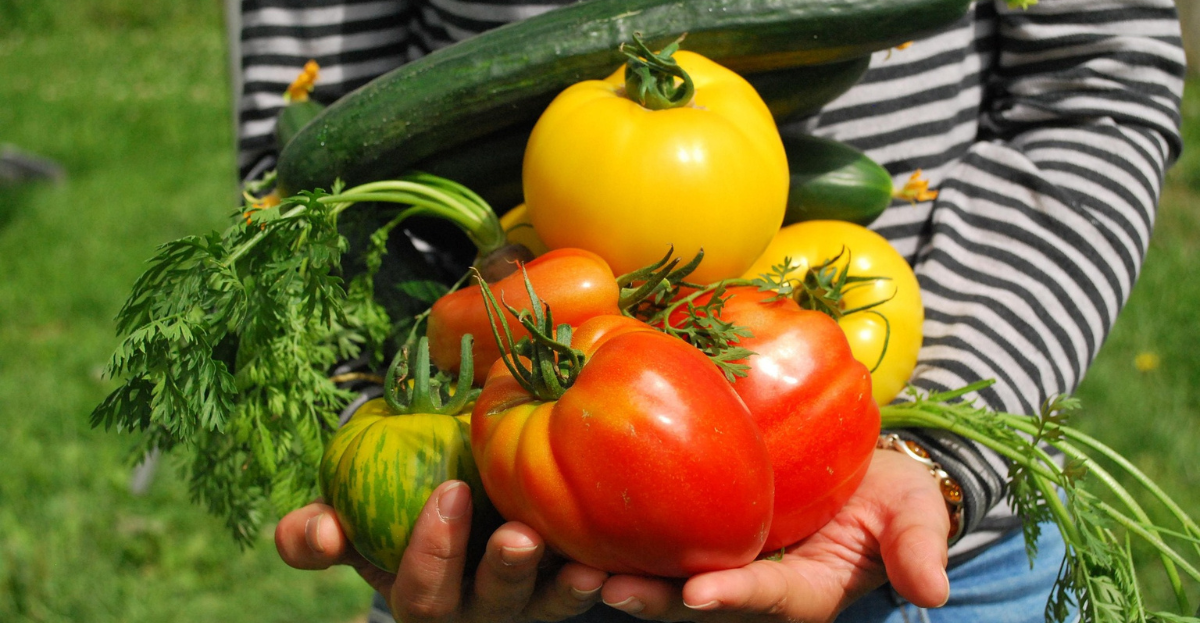
At the National Allotment Society , we see first-hand how growing your own food can help households manage costs while providing fresh, nutritious produce. What might appear to be a modest plot can produce a remarkable quantity of food across the year, helping families become more resilient in uncertain economic times.
Designed to Feed Families
Allotments have always been about food production. Historically they were created to give working households the opportunity to grow their own food and supplement their diets.Their value became particularly clear during Second World War , when
allotments played a critical role in supporting the nation’s food supply. At their peak, around 1.4 million allotment plots across the UK produced an estimated 1.3 million tonnes of vegetables.
This demonstrates something that remains true today: small-scale food production is highly efficient in terms of land use.
While large-scale agriculture is often more efficient in terms of labour and mechanisation, allotments can be incredibly productive when it comes to the amount of food produced from relatively small areas of land.
In short, allotments have always been designed with one purpose in mind —helping households grow food to support themselves and their families.
A Practical Way to Reduce Food Bills
Today, that role remains just as important. Rising food prices mean many households are feeling the impact at the supermarket checkout.
Through our work with plot holders across the country, the National
Allotment Society regularly hears from members who save hundreds of pounds each year by growing their own fruit and vegetables.
Research by the Brighton & Hove Food Partnership shows just how valuable allotments can be at a local level. Their analysis found that allotments in Brighton and Hove collectively produce the equivalent of
around £1.12 million worth of food every year.
For many families, an allotment provides a steady supply of fresh produce throughout the growing season — something that can make a real difference to household budgets.
What Can You Grow to Feed Your Family?
A well-managed allotment can produce a wide range of crops throughout the year. Many common vegetables are highly productive and provide excellent value for the space they use.Reliable crops for family food production include:
- Potatoes
- Onions and garlic
- Carrots, beetroot and parsnips
- Peas and beans
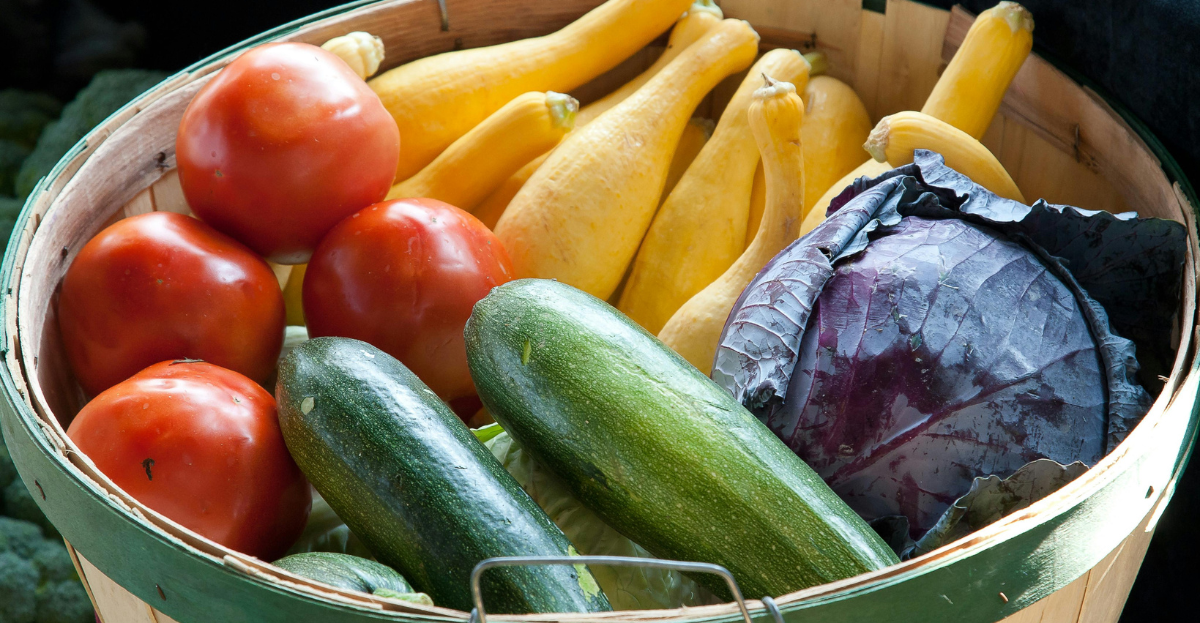
- Courgettes and squashes
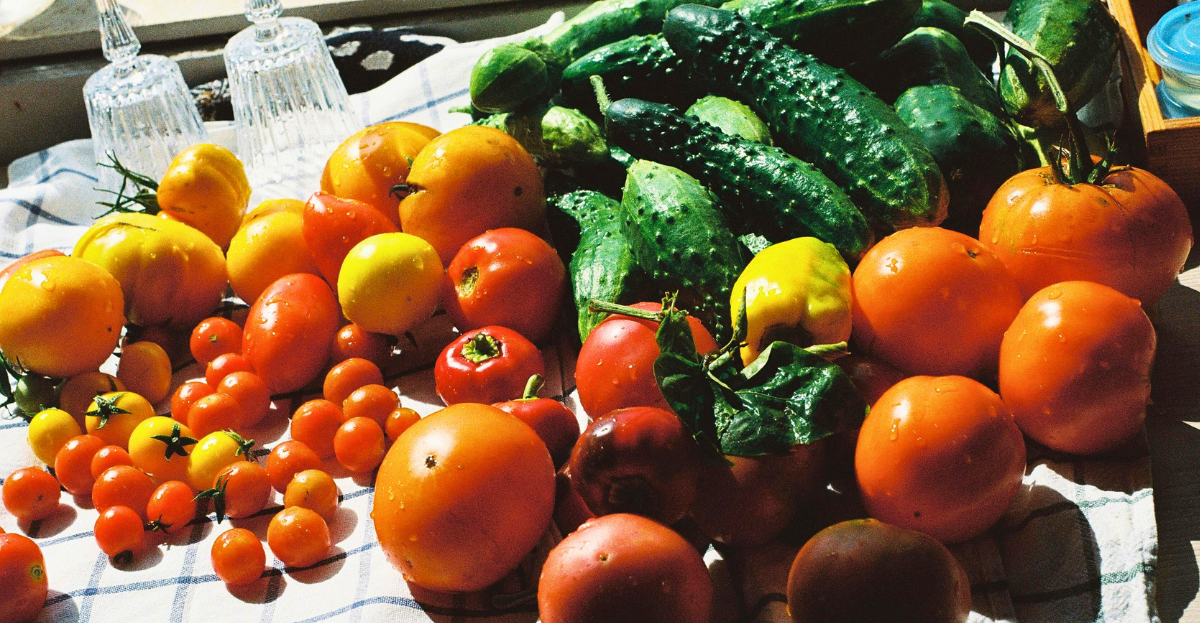
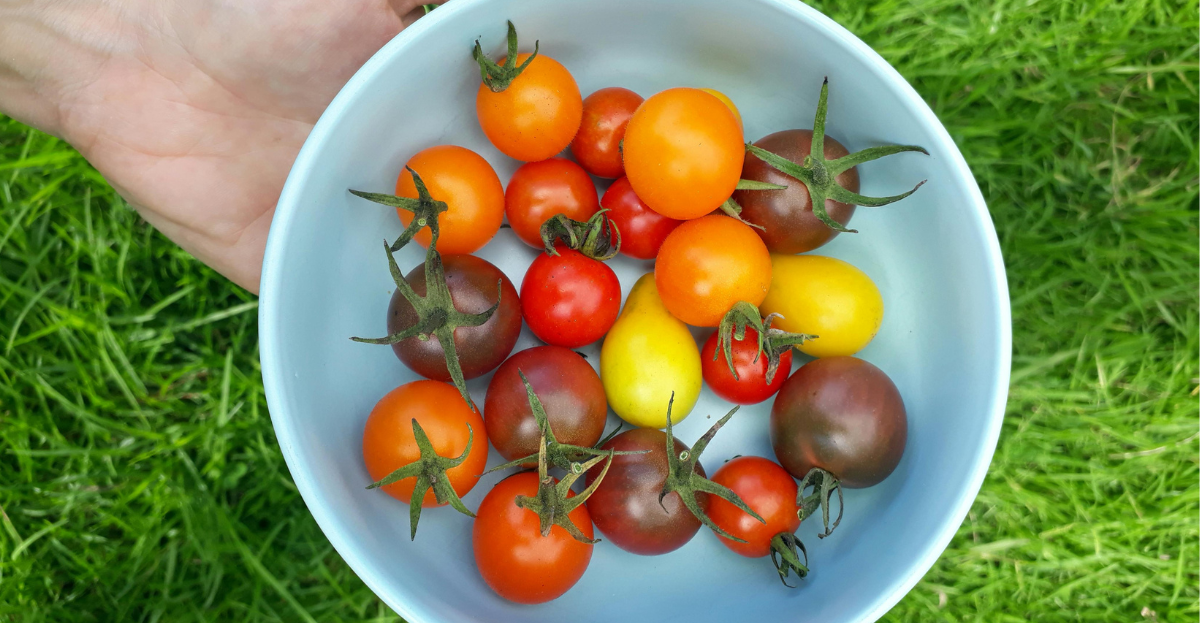
- Tomatoes and cucumbers
- Leafy greens such as kale, chard and spinach
- Soft fruit including strawberries and raspberries
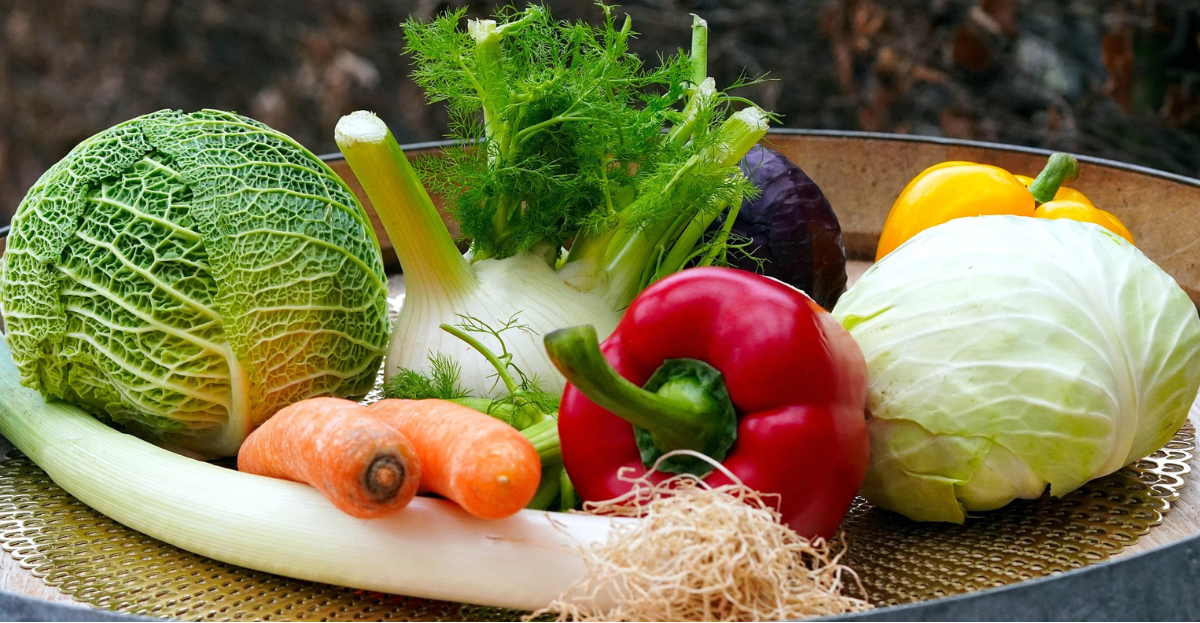
With a little planning, allotment growers can also produce food well into winter, including crops such as:
- Leeks
- Winter cabbage
- Brussels sprouts
- Purple sprouting broccoli
Making the Most of Your Plot
For those already managing a plot, a few simple practices can help maximise food production:Grow productive crops – Choose varieties known for heavy yields.
Sow little and often – Regular sowing spreads harvests across the season.
Use vertical space – Climbing crops like beans and peas make the most of limited space.
Extend the season – Cloches, cold frames or polytunnels can bring crops forward in spring and protect them later into autumn.
Grow what you eat – Focus on crops your household regularly uses.
These small adjustments can make a significant difference to the amount of food produced.
The Real Savings of Growing Your Own Food
Allotments are not just productive in a local sense — they make a measurable contribution to food production on a national scale. According to official statistics, allotments and community growing spaces in Great Britain produced an estimated 116 million kilograms of fruit and vegetables in 2021 , with a combined annual value of roughly £274 million in England , plus millions more in Scotland and Wales, highlighting their economic and nutritional contribution to communities.
Research also shows that small‑scale food growers in urban areas can be as productive per square metre as conventional farms , with pilot studies in Brighton and Hove recording harvests of around 1 kg of produce
per square metre , well within the output range of many commercial operations.
At the household level, studies from the University of Sheffield found that growers who produce their own fruit and veg — whether on allotments or in gardens — can meet around half of their annual vegetable needs and 20 % of their fruit needs , while eating significantly more fresh produce and wasting far less.
These figures demonstrate the real potential for allotments to boost food security, reduce reliance on supermarket produce, and make the most of limited land for food production.
main column

Thinking About Getting an Allotment?
Interest in allotments continues to grow as more people recognise their value. Waiting lists exist in many areas, but registering with your local council is the first step.
For new plot holders, starting small is often the best approach. Productive and beginner-friendly crops such as potatoes, courgettes, salad leaves and runner beans can quickly provide satisfying harvests.
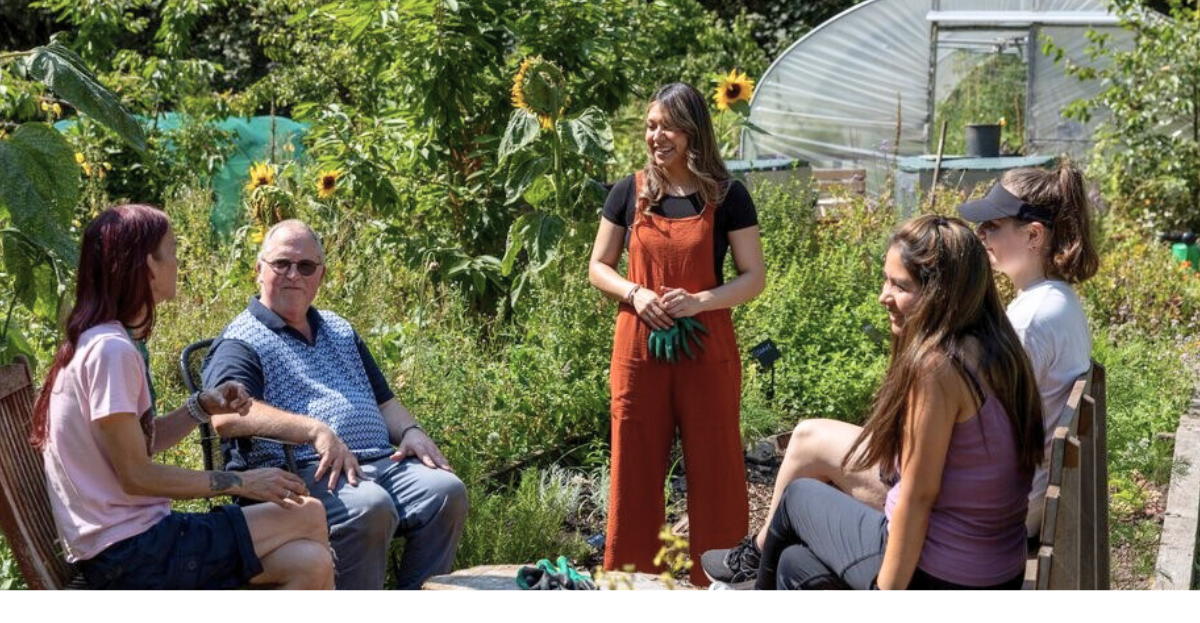
Allotment sites are also supportive communities where knowledge is shared, making them welcoming places for new growers to learn.
A Valuable Community Resource
Beyond food production, allotments provide wider benefits including physical activity, improved wellbeing, and opportunities to connect with others in the community.
However, their role in local food resilience should not be overlooked. As economic pressures continue, access to growing space becomes increasingly important.
That is why the National Allotment Society continues to advocate for the protection and expansion of allotment sites across the UK. These spaces are a long-standing, low-cost resource that helps communities produce fresh food close to home.
In challenging times, the ability to grow even a portion of your own food can make a meaningful difference. Allotments have supported households for generations — and they continue to provide a practical way for families to strengthen their food security today.
Join The National Allotment Society
Become a National Allotment Society member and help to preserve and protect allotments for future generations.You'll also gain a range of benefits including free liability insurance, initial legal support, expert advice and much more.
Non Member Newsletter Signup

National Society of Allotment & Leisure Gardeners Ltd
Registered in 1930 under the Industrial & Provident Societies Acts no. 11144R
VAT No. 1212930 14
Patron His Majesty King Charles III
© 2022-2023 National Society of Allotment & Leisure Gardeners Ltd