February Foraging and Winter Recipes
February can feel like the coldest, quietest month in the UK. The garden lies dormant, fields are frosted, and the woods are still—but foragers know that winter holds hidden treasures packed with flavour, nutrition, and creativity.
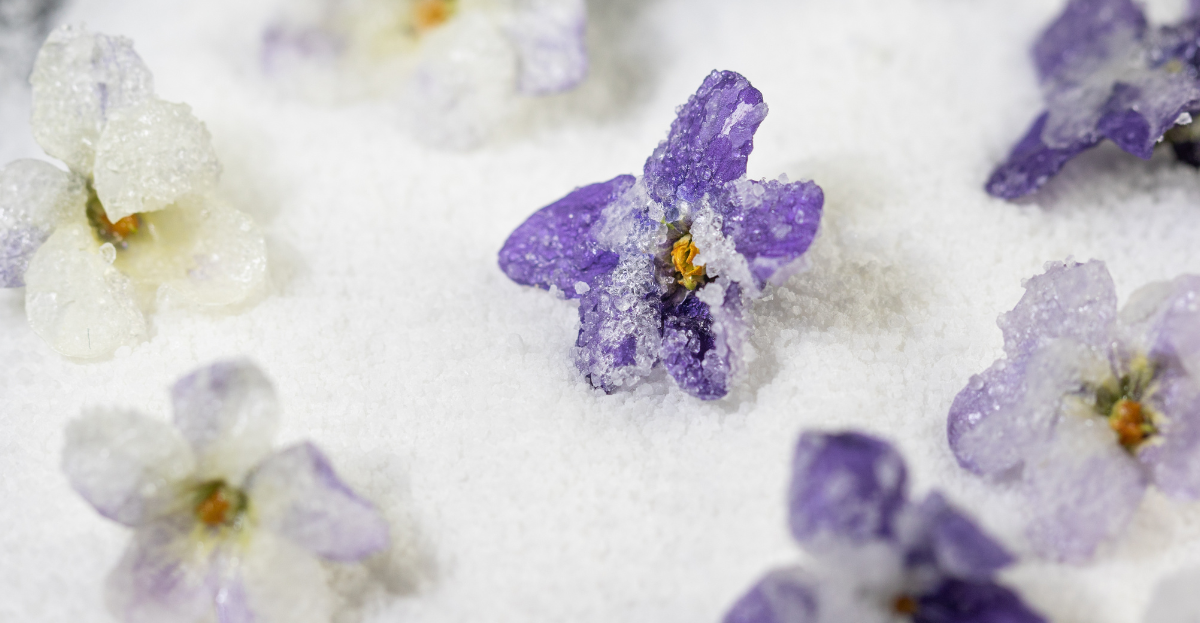
This month, foraging is about boosting immunity, uplifting the spirit, and adding unexpected taste and texture to your winter cooking. With the right eye and a little patience, February can be a month of wild abundance.
Below, we explore some of the best things to forage this month, their health benefits, and three ways to preserve or use each.
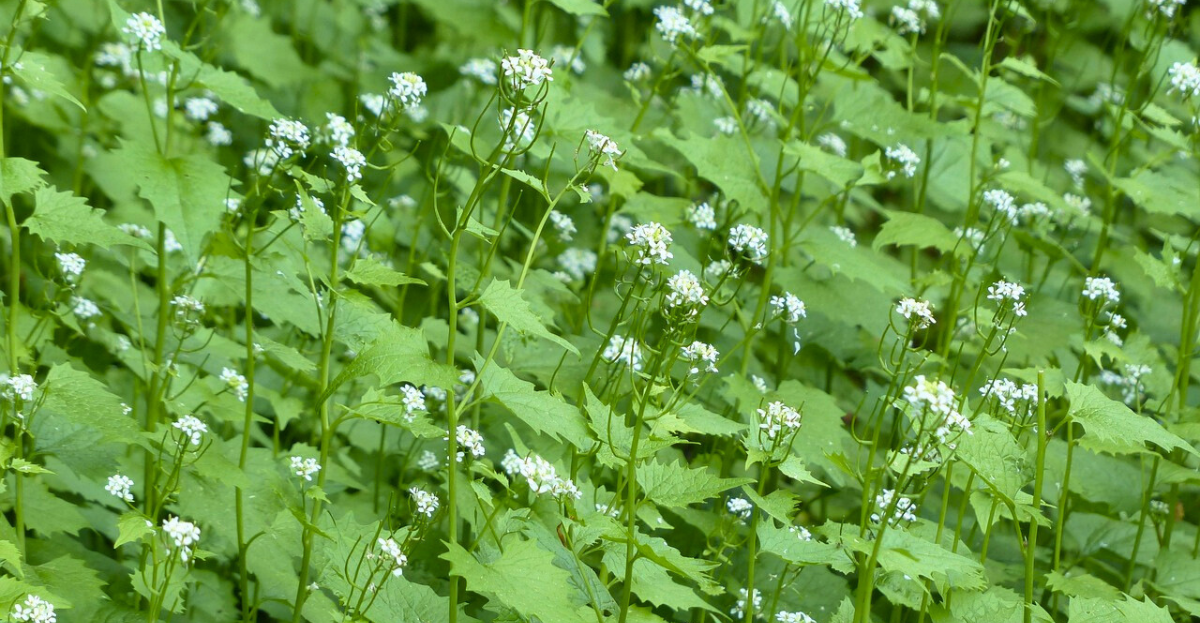
Garlic Mustard (Alliaria petiolata)
What it is:A hardy biennial plant with heart-shaped, heavily veined leaves.
Where to find it:
Common in hedgerows, woodland edges, and disturbed ground.
Benefits:
Rich in vitamins A and C, calcium, iron, and antioxidants. Traditionally used to support digestion and immune health. Its strong garlic-mustard aroma also stimulates appetite in midwinter.
Three Ways to Preserve or Use:
Garlic Mustard Pesto:
Blend leaves with nuts, parmesan, garlic, and olive oil. Freeze in small portions to brighten pasta or roasted vegetables.
Infused Oil:
Add crushed leaves to olive oil for a fragrant, spicy oil ideal for dressings or marinades.
Winter Green Soup:
Sauté garlic mustard with onions, potato, and stock; blend and season with nutmeg and a splash of cream. Freeze in portions for a quick winter meal.
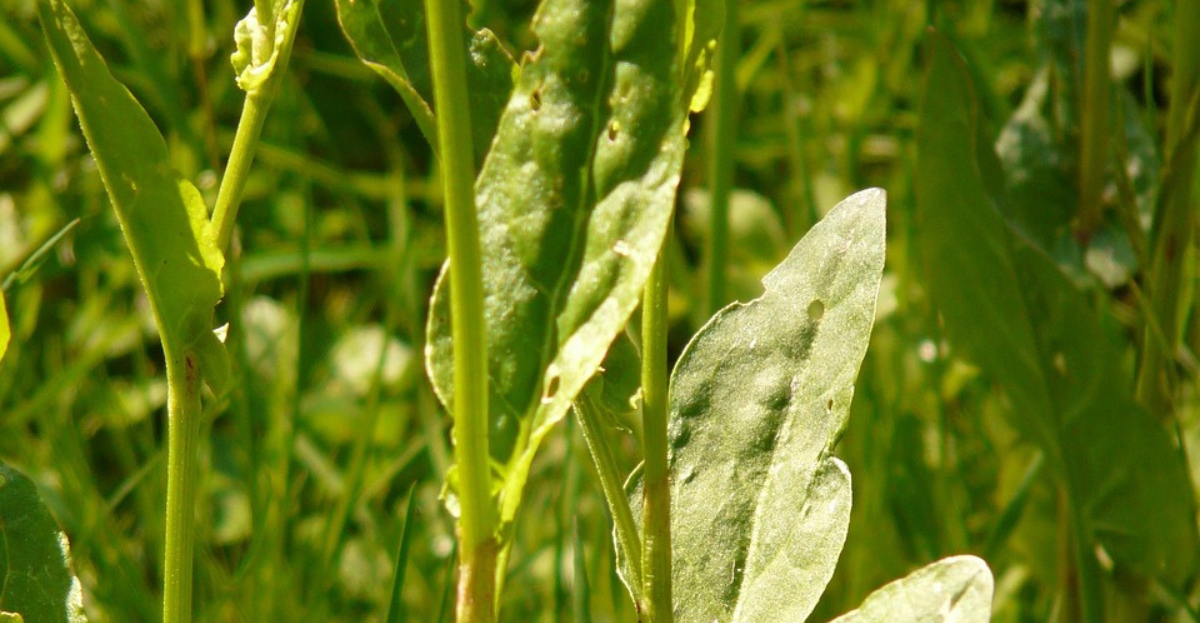
Sorrel (Rumex acetosa)
What it is:
A perennial herb with elongated, spear-shaped leaves.
Where to find it:
Meadows, hedgerows, and grassy banks.
Benefits:
High in vitamin C, antioxidants, and potassium. Its tart flavour helps
stimulate digestion and add a fresh zing to winter dishes.
Three Ways to Preserve or Use:
Sorrel Soup:
Simmer sorrel with potato and onions, blend smooth, finish with cream. Freeze or refrigerate for up to 3 days.
Sorrel Pesto:
Blend with walnuts, olive oil, and parmesan for a tangy, vibrant condiment. Freeze in ice cube trays.
Pickled Sorrel:
Quickly pickle in vinegar, sugar, and salt; perfect for adding to winter salads or sandwiches.

Dandelion Leaves (Taraxacum officinale)
What it is:
Young, tender leaves of the common dandelion plant.
Where to find it:
Lawns, hedgerows, and meadows in pesticide-free areas.
Benefits:
Detoxifying, high in vitamins A, C, K, and minerals like iron and calcium. Traditionally used to support liver health and aid digestion.
Three Ways to Preserve or Use:
Dandelion Leaf Crisps:
Toss leaves in olive oil and a pinch of sea salt; bake at 150°C until crisp. Store in an airtight container for a healthy snack.
Blanched & Frozen:
Boil leaves briefly, shock in cold water, and freeze for later use in soups or sautés.
Dandelion Tea:
Dry leaves and steep in hot water for a vitamin-rich, detoxifying tea.

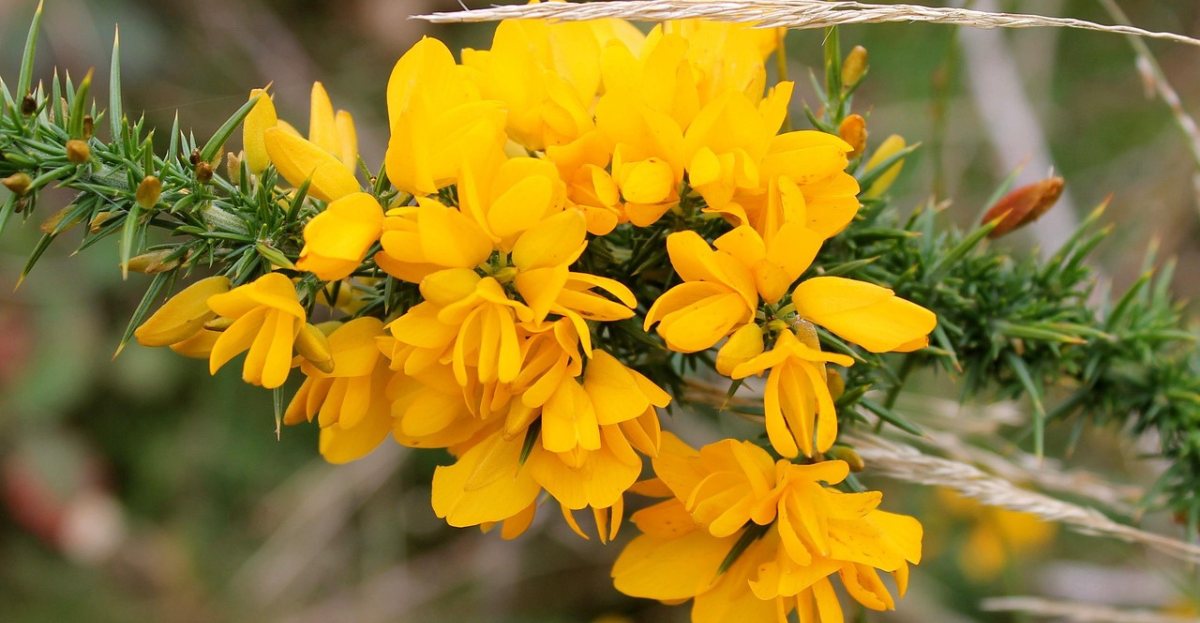
Gorse Flowers (Ulex europaeus)
What it is:
Bright yellow, fragrant flowers from the prickly gorse shrub.
Where to find it:
Coastal areas, moorlands, and hedgerows; grows year-round.
Benefits:
Aromatic flowers with small amounts of antioxidants; traditional use in mild infusions for digestive comfort. Brightens desserts and syrups.
Three Ways to Preserve or Use:
Gorse Flower Custard:
Infuse flowers in milk and cream for a delicately scented dessert.
Gorse Syrup:
Simmer flowers with sugar and water; use in drinks, desserts, or as a pancake topping.
Gorse Sugar:
Layer flowers in sugar jars; shake daily for a fragrant sugar to sweeten tea or baked goods.
Sweet Violet (Viola odorata)
What it is:
Small, fragrant purple flowers with heart-shaped leaves.
Where to find it:
Shady, damp areas like woodland edges and garden borders.
Benefits:
Mildly diuretic and traditionally used to soothe coughs and support respiratory health. Edible flowers are rich in antioxidants.
Three Ways to Preserve or Use:
Candied Violets:
Coat in egg white and sugar for edible garnishes on cakes and desserts.
Sweet Violet Sugar:
Layer flowers in sugar jars; perfect for teas, yoghurt, or baking.
Violet Syrup:
Simmer flowers with water and sugar to create a fragrant, purple syrup for cocktails or desserts.
Wood Ear Mushrooms (Auricularia auricula-judae)
What it is:
Jelly-like brown fungi growing on dead or living elder trees.
Where to find it:
On elder tree trunks in woodlands or hedgerows.
Benefits:
Low in calories, it contains fibre and minerals like iron and potassium. Traditionally used in Chinese medicine for circulation and lung health.
Three Ways to Preserve or Use:
Stir-Fry:
Sauté with ginger, garlic, vegetables, and soy sauce; can be frozen for later meals.
Soup Add-In:
Add to broths or stews for a chewy texture.
Dried Mushrooms:
Dry in a low oven or dehydrator; rehydrate as needed to extend shelf life.

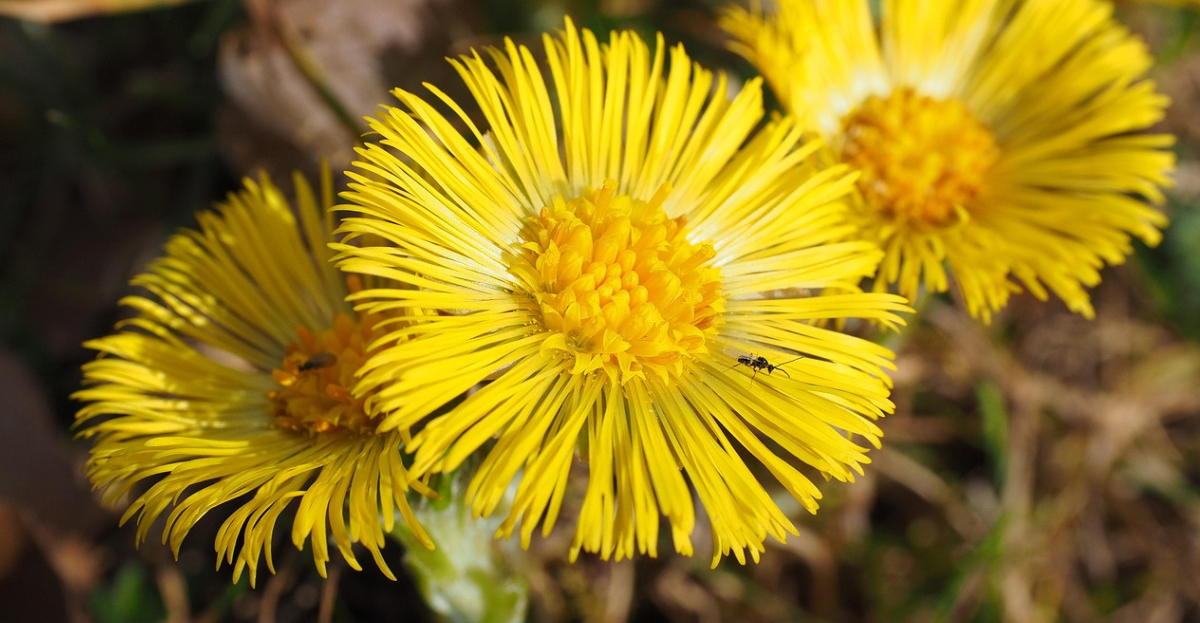
Coltsfoot (Tussilago farfara)
What it is:
Early-flowering plant with bright yellow blooms that appear before leaves.
Where to find it:
Sunny banks, roadsides, and open woodlands.
Benefits:
Traditionally used for respiratory support, especially soothing coughs and sore throats. Early blooms add vitamin C and antioxidants.
Three Ways to Preserve or Use:
Coltsfoot Tea:
Dry flowers and steep in hot water to make a soothing winter tea.
Coltsfoot Syrup:
Infuse in honey or sugar for cough relief and natural sweetness.
Garnish:
Use fresh flowers to brighten salads or desserts with a subtle floral note.
Tips for February Foraging & Preserving
Always identify carefully:
Winter leaves, frost, or early growth can make identification trickier.
Mindful harvesting:
Take small amounts from multiple locations; leave plenty for wildlife.
Preservation techniques:
Freezing, sugaring, infusions, pickling, and drying are all ideal ways to extend your finds.
Layer flavours:
Winter greens often have stronger, sharper flavours—balance with creamy, sweet, or fatty ingredients.
Even in February, the wild offers tangy greens, fragrant flowers, chewy fungi, and nutrient-dense berries. By foraging mindfully and preserving creatively, you can nourish your body, boost immunity, and add colour and flavour to your winter kitchen. This month is an invitation to slow the quiet abundance of nature down, explore, and celebrate the quiet abundance of nature
If you would like more details on February foraging, see last year’s blog, February Foraging | National Allotment Society
Become a National Allotment Society member and help to preserve and protect allotments for future generations.
You'll also gain a range of benefits, including free liability insurance, initial legal support, expert advice and much more.
Non Member Newsletter Signup

National Society of Allotment & Leisure Gardeners Ltd
Registered in 1930 under the Industrial & Provident Societies Acts no. 11144R
VAT No. 1212930 14
Patron His Majesty King Charles III
© 2022-2023 National Society of Allotment & Leisure Gardeners Ltd