Downsizing with Dignity
When You Love Your Allotment but Can't Manage It Like You Used To
For many allotment holders, their plot is far more than a patch of land. It is a second home; a place of peace, purpose, friendship and countless memories. It may have been part of your life for decades, helping you through good times and bad. The thought of giving it up can be heartbreaking.
.png)
Yet there may come a time when maintaining a plot becomes physically challenging. Health issues, reduced mobility, caring responsibilities, or simply the natural effects of ageing can make digging, weeding and carrying heavy loads much harder than they once were.If you find yourself in this position, remember that there is no shame in adapting. Downsizing, sharing a plot, switching to raised beds, or even retiring from your plot altogether is not giving up—it is finding a way to continue enjoying gardening that suits your circumstances.
Most importantly, your value to the allotment community is not measured by the size of your plot. The knowledge, experience and friendship you have shared over the years are just as important as the crops you grow.
Recognising When Change is Needed
Many gardeners push themselves too hard because they do not want to lose the plot they have nurtured for years. However, struggling to keep up can quickly turn a source of enjoyment into a source of stress.
Ask yourself:
Ask yourself:
- Are you spending more time worrying about the plot than enjoying it?
- Have certain areas become difficult to reach or maintain?
- Are weeds and grass becoming overwhelming?
- Do you avoid visiting because the work feels too daunting?
.png)
Consider a Smaller Plot
One of the simplest solutions is to move to a smaller plot if your site offers them. A half plot or quarter plot can still provide plenty of fresh produce while requiring significantly less maintenance.
Many allotment sites are recognising the needs of older gardeners and those with health conditions by offering smaller plots, accessible growing spaces and raised-bed areas. Some sites even provide dedicated raised beds, allowing members to continue growing and remain part of the allotment community without the pressure of maintaining a full plot.
A smaller plot often means more time enjoying gardening and less time feeling overwhelmed.
Many allotment sites are recognising the needs of older gardeners and those with health conditions by offering smaller plots, accessible growing spaces and raised-bed areas. Some sites even provide dedicated raised beds, allowing members to continue growing and remain part of the allotment community without the pressure of maintaining a full plot.
A smaller plot often means more time enjoying gardening and less time feeling overwhelmed.
.png)
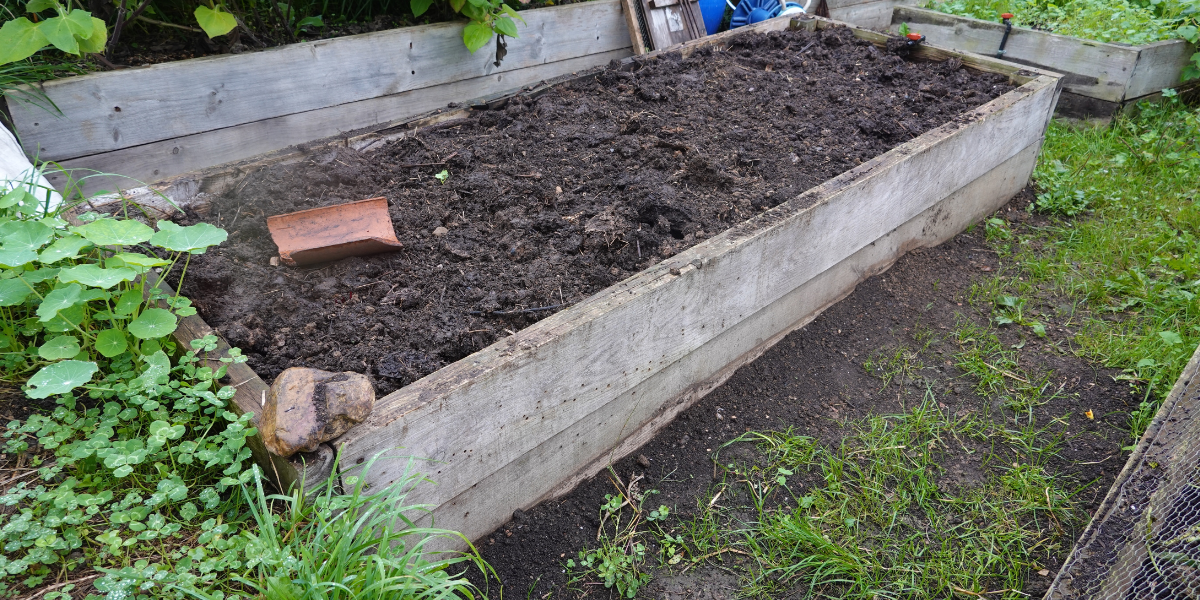
Raised Beds and No-Dig Gardening
Raised beds can be transformative for gardeners with limited mobility. They reduce bending and kneeling, improve drainage and make weeding much easier.
No-dig gardening is another excellent option. Rather than spending hours digging, gardeners add compost or organic matter to the soil surface and let nature do the hard work. The benefits include:
No-dig gardening is another excellent option. Rather than spending hours digging, gardeners add compost or organic matter to the soil surface and let nature do the hard work. The benefits include:
- Less physical effort
- Fewer weeds
- Better moisture retention
- Improved soil health
- Excellent crop yields
Grow Smarter, Not Harder
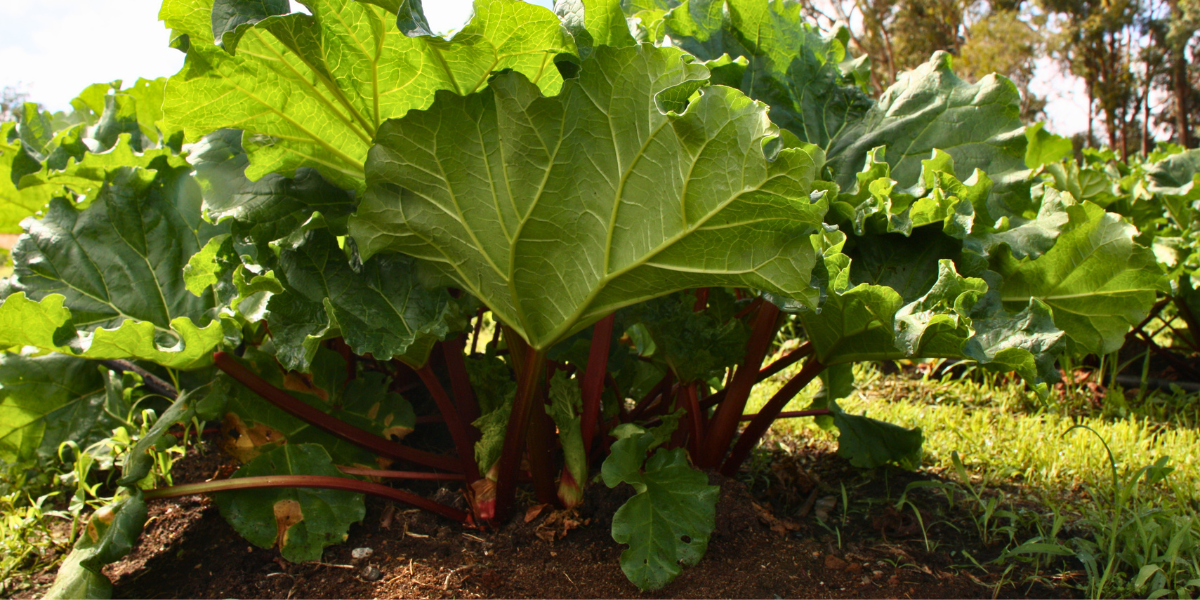
If maintaining your plot is becoming difficult, focus on crops that provide excellent returns for less work.Perennial vegetables are particularly valuable because they return year after year with minimal effort. Consider:
- Rhubarb
- Asparagus
- Globe artichokes
- Sea kale
- Good King Henry
- Sorrel
- Perennial kale
By choosing crops that work harder for you, a smaller plot can remain surprisingly productive.
Ask for Help
One of the greatest strengths of the allotment movement is its sense of community.Many plot holders are reluctant to ask for assistance, but friends, family and fellow allotmenteers are often more than willing to help with heavier tasks such as carrying compost, strimming paths, digging over beds or watering during holidays.
Some sites even organise volunteer work parties to support members who need a helping hand.
Accepting help is not a sign of weakness; it is often what allows people to continue doing what they love.
Share Your Plot
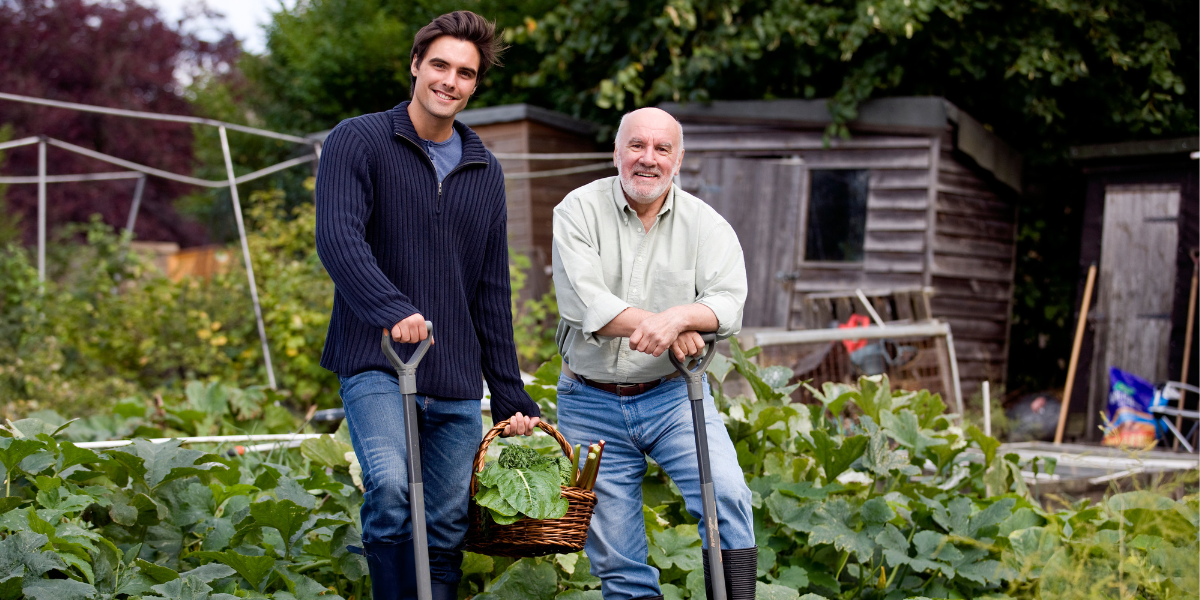
If you are not ready to downsize or give up your plot completely, consider sharing it.A family member, friend or fellow gardener may be delighted to share the workload while learning valuable growing skills. Plot sharing can reduce physical demands while ensuring the plot remains productive and well cared for.
It is also a wonderful way of passing knowledge and experience to the next generation of growers.
Staying Connected
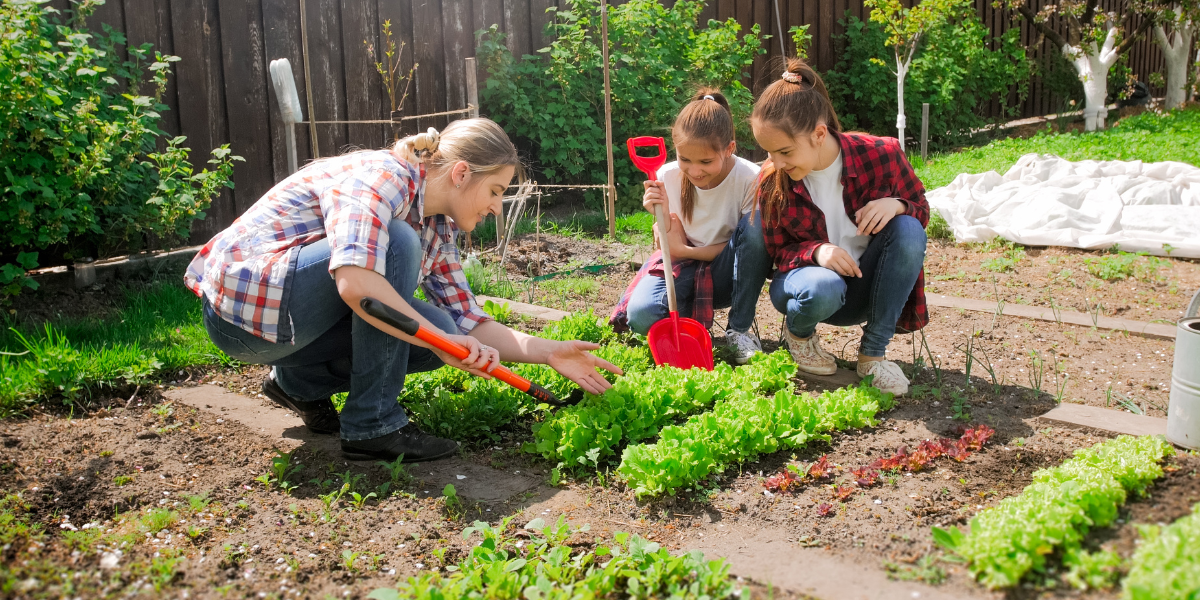
For many people, the greatest loss is not the vegetables—it is the community, routine and sense of purpose that allotments provide.Even if you decide to retire from your plot, you do not have to leave the allotment community behind. Many former plot holders continue to visit their sites, help at events, serve on committees, mentor new gardeners or simply enjoy catching up with friends.
Being an allotmenteer is about far more than the land you cultivate. It is about the friendships you build, the knowledge you share and the lifelong connection to growing.
There is no shame in changing the way you garden. The goal is not to prove how much you can do. The goal is to continue enjoying gardening, community and the outdoors for as long as possible.
After all, an allotment is not measured by the number of beds you cultivate or the weight of vegetables you harvest. It is measured by the happiness it brings—and that is something worth preserving.
Join The National Allotment Society
Become a National Allotment Society member and help to preserve and protect allotments for future generations.
You'll also gain a range of benefits including free liability insurance, initial legal support, expert advice and much more.
Non Member Newsletter Signup

National Society of Allotment & Leisure Gardeners Ltd
Registered in 1930 under the Industrial & Provident Societies Acts no. 11144R
VAT No. 1212930 14
Patron His Majesty King Charles III
© 2022-2023 National Society of Allotment & Leisure Gardeners Ltd