To Dig or Not to Dig? That is the Question
Few topics in allotment gardening generate as much discussion as how we manage our soil. From traditional digging routines to modern no-dig systems, gardeners continue to explore what works best for productivity, soil health, and long-term sustainability.
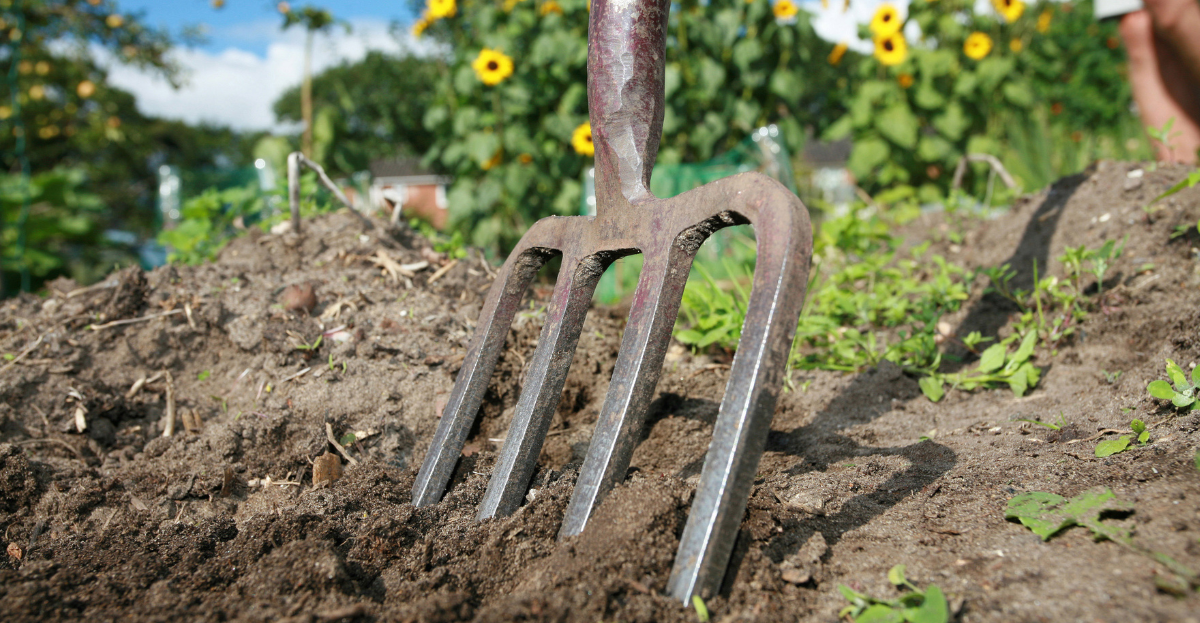
At the National Allotment Society, we take a neutral and practical view: there is no single correct method — only approaches that suit different soils, sites, and growers . This article explores the history and science behind digging, including double digging, alongside the principles and evidence behind no-dig gardening.
The Tradition of Single Digging
Single digging has long been the foundation of allotment preparation. Typically carried out in autumn or winter, it involves turning over a spade’s depth of soil and incorporating organic matter such as manure or compost.Historically, this approach developed as a practical response to:
- Heavy or compacted soils needing aeration
- Weed control through burial and removal
- Preparation of a fine seedbed for spring sowing
- Incorporation of bulky organic materials
While effective, it is physically demanding and involves regular disturbance of the soil ecosystem.
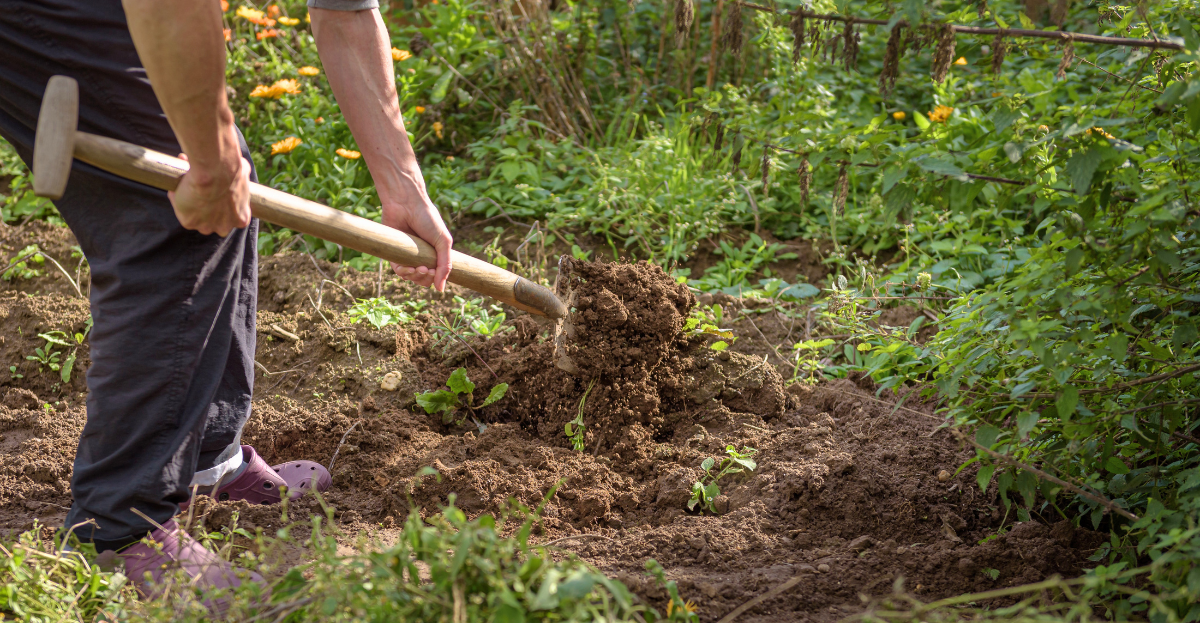
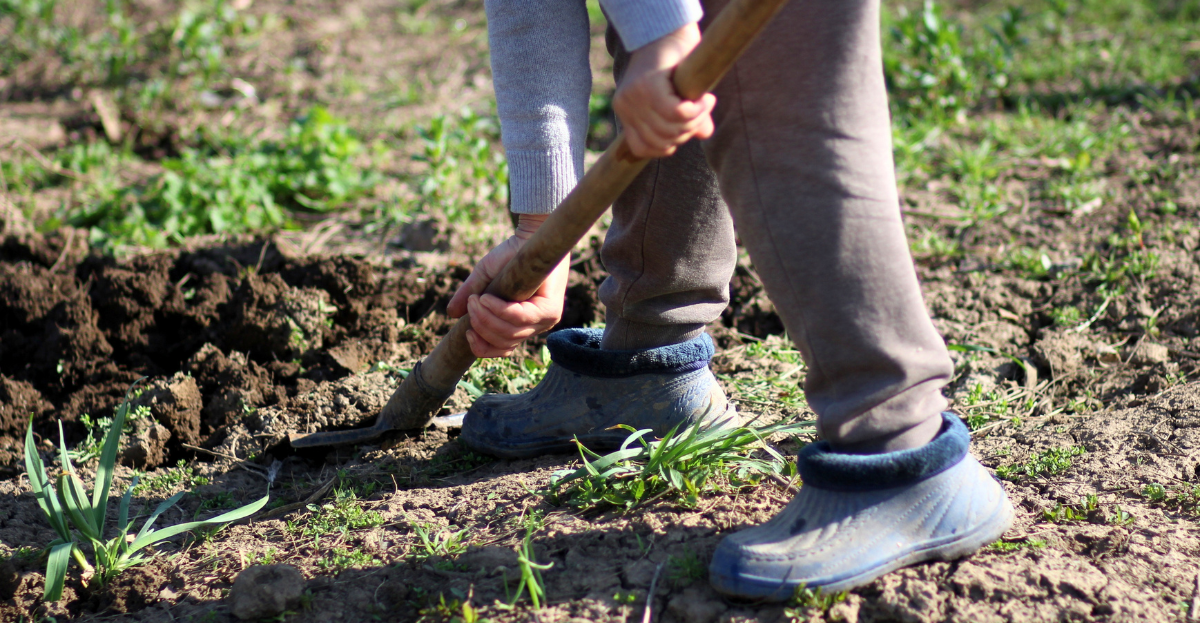
Double digging
Double digging is a more intensive method that was once widely promoted in traditional gardening systems. It involves removing the top spade layer of soil and loosening a second layer beneath it, often to a depth of 45–60 cm (18–24 inches), sometimes incorporating organic matter into both layers.The aim of double digging is to:
- Improve deep soil aeration
- Break up compacted subsoil layers (“hard pans”)
- Encourage deeper root growth for certain crops
- Improve drainage in heavy soils
However, double digging is highly labour-intensive and not always necessary. Modern soil science suggests that while deep cultivation can temporarily improve structure in compacted soils, it also significantly disrupts soil biology and long-established soil layers.
For this reason, it is now more commonly used as an initial soil improvement technique rather than a routine annual practice.
The Rise of No-Dig Gardening
The no-dig movement offers a contrasting approach, based on the principle that:Soil functions best when its structure and biology are left undisturbed.
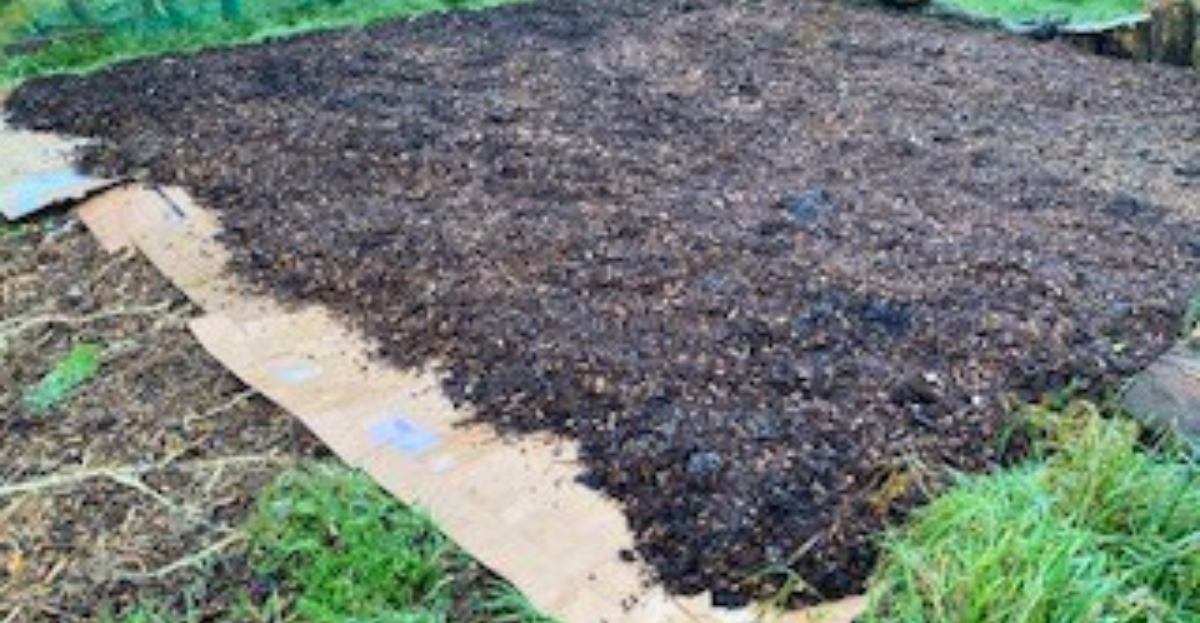
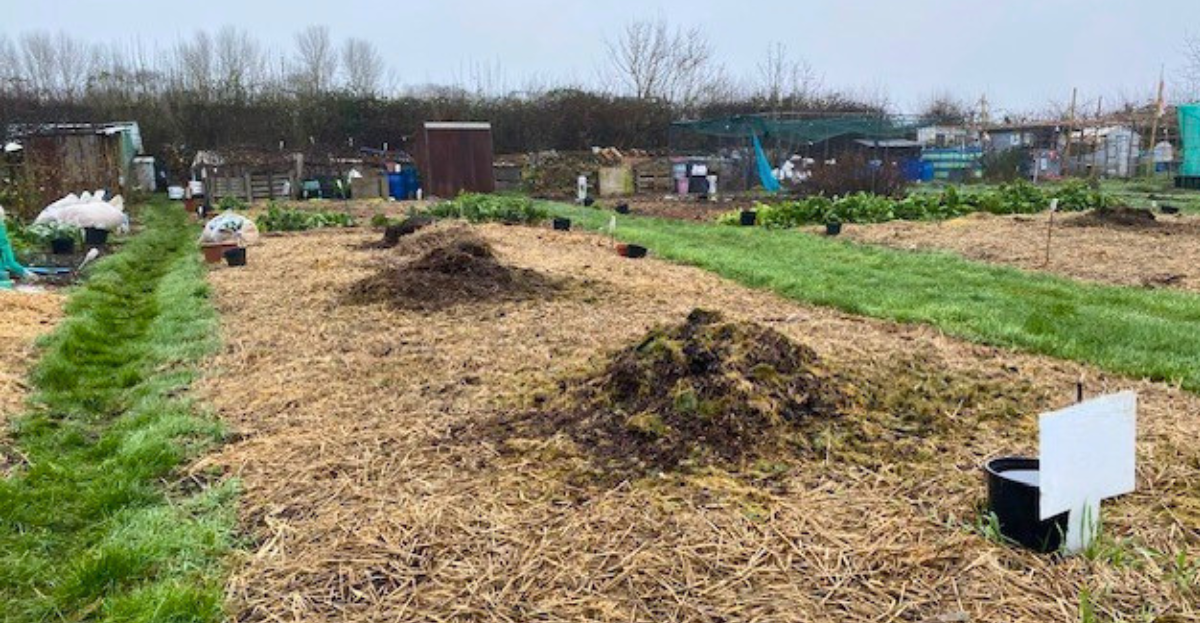
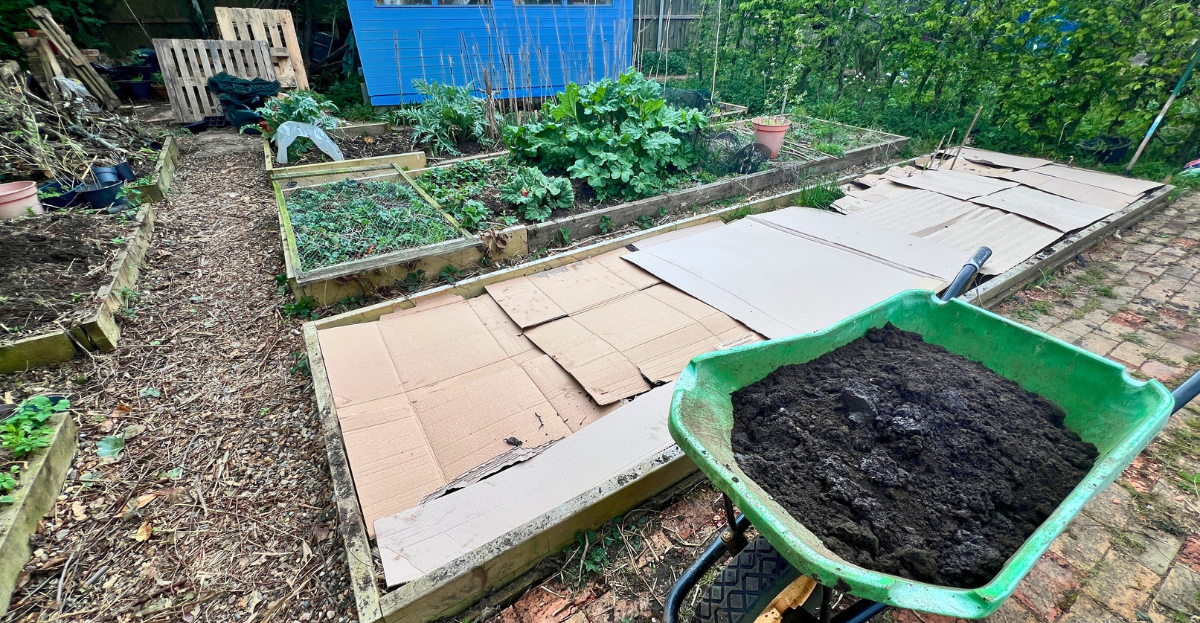
Instead of turning the soil, gardeners apply compost or organic matter to the surface, allowing soil organisms to incorporate it naturally over time.
Further guidance from the National Allotment Society can be found here:
www.thenas.org.uk/nodig
Understanding Soil Structure When We Dig
Soil is a complex, living ecosystem containing:- Earthworms and invertebrates
- Bacteria and fungi
- Organic matter in varying stages of decomposition
- Air and water-filled pore spaces
- Stable aggregates (“crumb structure”)
- Fungal networks (including mycorrhizae) are disrupted
- Earthworm burrows are destroyed
- Soil layers are mixed, breaking natural stratification
- Organic carbon is exposed to oxygen, increasing decomposition rates
- Weed seeds can be brought to the surface
The Science Behind No-Dig
No-dig systems aim to protect and build soil structure rather than rebuild it annually.
By applying compost on the surface:
- Soil organisms gradually incorporate organic matter
- Worm activity increases natural aeration channels
- Fungal networks remain intact
- Soil moisture retention improves
- Soil carbon is more effectively retained
The Case for Digging
Despite the advantages of no-dig, traditional cultivation still has an important role.
Single digging remains useful for:
- Incorporating organic matter into active soil layers
- Managing moderately compacted ground
- Preparing seedbeds in established plots
- Seasonal resetting of beds
- Establishing new allotment plots on neglected or compacted land
- Breaking up severe soil compaction or hard pans
- Improving drainage in very heavy clay soils
- Deep preparation for long-term vegetable beds
, rather than a repeated annual practice.

The Challenges of No-Dig
While increasingly popular, no-dig systems do present practical considerations:- High demand for compost, especially in early years
- Time required for soil transition and stabilisation
- Need for initial removal of persistent perennial weeds
- Slower warming of soil in early spring in some conditions
- Dependence on reliable organic matter supply
A Balanced Approach
The reality on allotments is that most gardeners do not follow a single strict system.
Instead, they adapt:
- Digging new or problematic areas
- Using no-dig principles on established beds
- Occasionally double digging where deep improvement is needed
- Adjusting methods based on soil type, crops, and time available
The debate over “to dig or not to dig” — and whether to double dig — is less about choosing a winner and more about understanding context.
- Digging offers immediate, practical soil improvement and control
- Double digging provides deep, structural change in specific situations
- No-dig focuses on long-term soil health and ecosystem stability
Join The National Allotment Society
Become a National Allotment Society member and help to preserve and protect allotments for future generations.
You'll also gain a range of benefits including free liability insurance, initial legal support, expert advice and much more.

Non Member Newsletter Signup

National Society of Allotment & Leisure Gardeners Ltd
Registered in 1930 under the Industrial & Provident Societies Acts no. 11144R
VAT No. 1212930 14
Patron His Majesty King Charles III
© 2022-2023 National Society of Allotment & Leisure Gardeners Ltd