How to Compost and Recycle Your Post-Christmas Waste
Christmas is a wonderful time of year, but it also produces a huge amount of waste. From leftover turkey and peelings to wrapping paper, cards, trees, and decorations, the festive season can leave bins overflowing just as gardeners are thinking about fresh starts and New Year's resolutions.
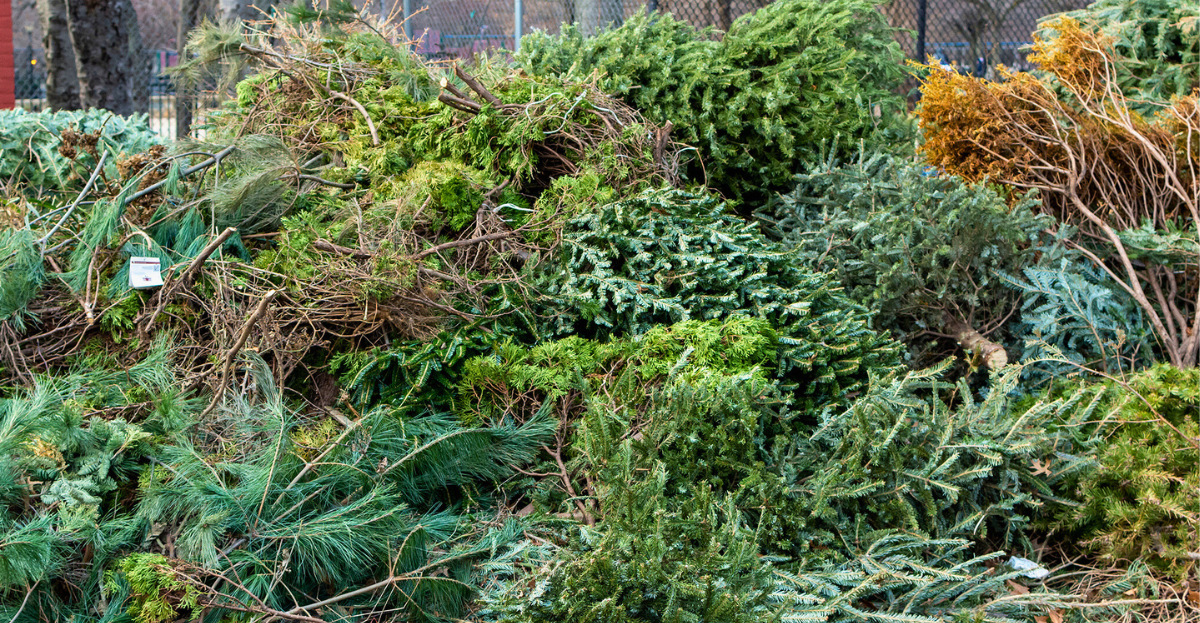
This post looks at how to deal responsibly with Christmas food waste, non-food festive waste, and the composting systems that can cope with it all.
Christmas Food Waste
It may be too late to have a cooked-food composter in place for Christmas itself, but it is the perfect time to order one and start the New Year with a resolution to convert food waste into compost at home.
Traditional compost bins often struggle with items such as cooked food, meat, dairy, and fats. These materials can smell, attract vermin, and cause neighbourly disputes if the system isn’t suitable. Any bin that accepts cooked food must therefore be rat-proof and well-managed.
Depending on your space, budget, and volume of waste, several systems can handle both Christmas leftovers and year-round kitchen waste.
- An insulated compost bin fitted with an internal aeration system, removing the need for manual turning. The insulation helps maintain composting activity during winter, making it suitable for festive food waste alongside normal garden materials.
HotBins
HotBins are heavily insulated and ideal for winter composting. With regular feeding, they can maintain temperatures of 40–55°C, hot enough to safely break down cooked food.
- Woodchip works well as a main bulking agent, with shredded paper added to absorb moisture
- Fast and reliable if managed correctly
- Designed to handle all kitchen waste, including cooked food, meat, and dairy, as well as garden waste.
- A winter jacket can be purchased separately to keep it active below 5°C
- Alternatively, it can be wrapped (mine is wrapped in several layers of bubble wrap)
- A good option for households wanting one all-purpose bin
Tumblers are off the ground, making them less accessible to rats. However, many plastic models lack insulation and are too small for a continuous supply of waste.
Joraform 125
One of the best food-composting tumblers available.
- Galvanised steel, rust-proof, and insulated with polyethene
- Rat- (and even bear-) proof
- Easy to aerate due to the tombola drum design
- Wood pellets or shavings are recommended
Not a composter but a food digestion system.
- Takes cooked food, meat, bones, and dairy
- Will accept limited pet faeces
- Does not take garden waste
- Bokashi Bins
- Ideal for those without gardens or for pre-treating cooked food waste.
- Can be kept in the kitchen, shed, or outdoors
- Fermented waste is later composted or buried in soil
- A useful stepping stone into food composting.
Composting and Recycling Non-Food Christmas Waste
Cardboard- Excellent compost “browns”, especially corrugated card
- Tear into small pieces and scrunch before adding to compost
- For recycling, flatten boxes, keep them dry, and remove tape and plastic film
- Wet, mouldy cardboard cannot be recycled.
Buy better. Choose cards certified by the Forest Stewardship Council (FSC)
Recycling and composting
- Plain card can be composted or recycled
- Councils and supermarkets often run card collections
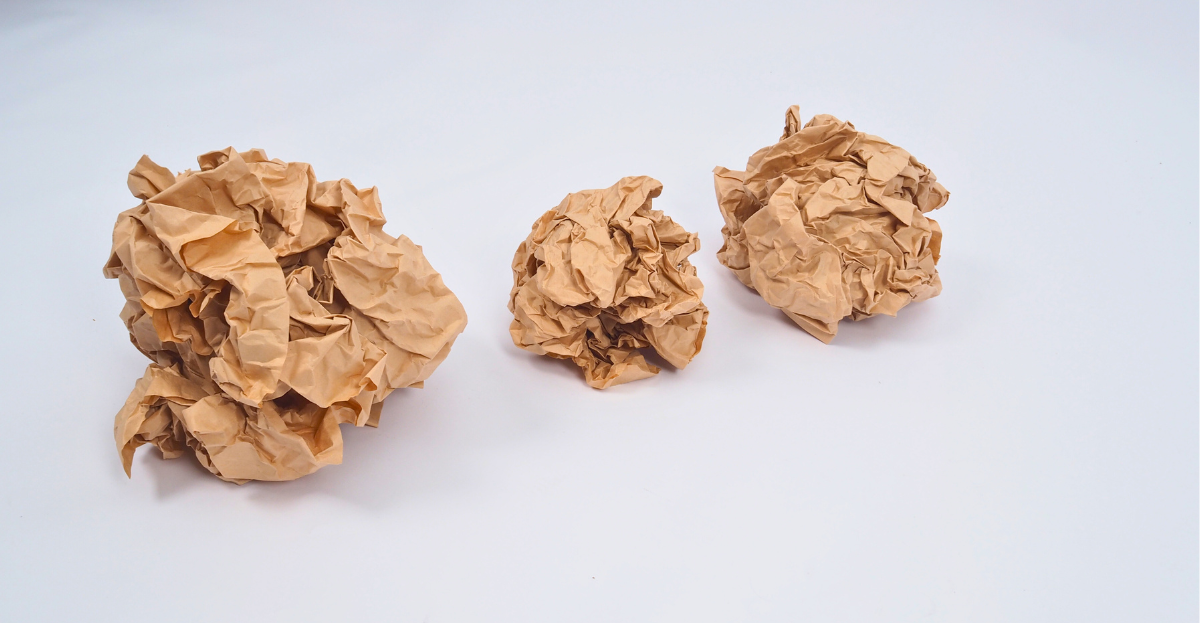
- Do the scrunch test:
- If it scrunches and stays scrunched → compost or recycle
- If it springs back → landfill
- Glittered or metallic cards must go to landfill
- The backs of non-coated cards can often be composted
- Can be composted, but are best shredded first
- Many councils offer early-January drop-off or collection services
- Chipped trees are reused locally in parks
- If no service exists, cut into small pieces and add to the garden waste bin
- Pine needles can be composted or turned into leaf mould, but they decompose slowly and are best treated separately.
Corks
Natural corks can be composted but break down slowly and may need returning to the bin for a second round.
- can be composted once plastic ties are removed
- Plastic or foil tags cannot be composted
- Most glitter contains microplastics such as PET and PVC.
- Do not compost or recycle
- Seal glittery waste in a bag before landfill disposal
- Avoid buying glittered products in future
- Paper hats, jokes, and napkins can be composted
- Ribbons and bows may contain plastic or foil, so check before composting
Ash from open fires or wood burners can be composted in moderation, mixed well with other materials.
Compostable, but to protect pets, collect them in a container and empty directly into the compost or food caddy.
- Holly, ivy, and mistletoe can all be composted. Holly benefits from shredding and is best used for leaf mould.
- Paper and card provide valuable compost “browns”
- Remove plastic tape before composting
- Use the scrunch test to check compostability
- Shred paper for reuse as packaging or even as window- and mirror-cleaning cloths
A New Year's Resolution That Feeds Your Soil
Post-Christmas composting is about more than waste reduction — it’s about
closing the loop. What starts as festive excess can end as rich compost feeding next year’s crops,
With the right composting system, a bit of sorting, and a firm refusal to buy glitter ever again, Christmas can become a surprisingly productive time for gardeners.
Here’s to less waste, better compost, and healthier soil in the year ahead
Join The National Allotment Society
Become a National Allotment Society member and help to preserve and protect allotments for future generations.
You'll also gain a range of benefits, including free liability insurance, initial legal support, expert advice and much more.
Non Member Newsletter Signup

National Society of Allotment & Leisure Gardeners Ltd
Registered in 1930 under the Industrial & Provident Societies Acts no. 11144R
VAT No. 1212930 14
Patron His Majesty King Charles III
© 2022-2023 National Society of Allotment & Leisure Gardeners Ltd