Five Lessons Children Learn from Vegetable Gardening
There’s something quietly powerful about watching a child pull their first carrot from the soil. It’s not just about vegetables—it’s about discovery, patience, curiosity, and a deeper connection to the world around them.
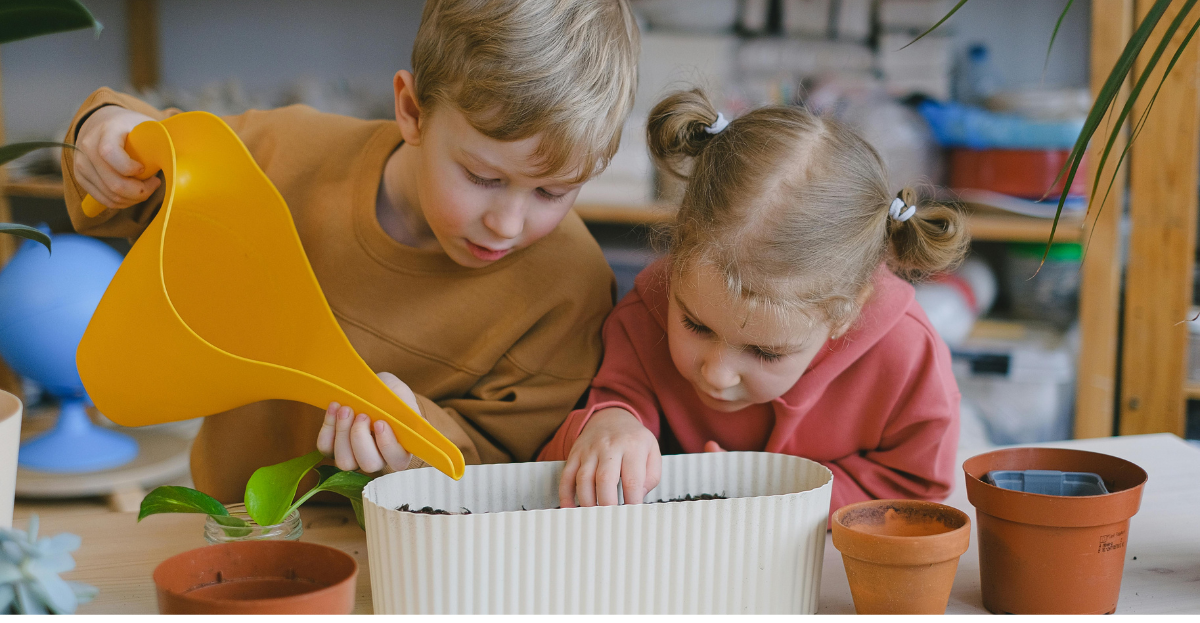
Allotmenteering is more than just gardening. It’s a culture of shared knowledge, seasonal living, and quiet generosity. It’s the conversations over fences, the swapping of surplus, and the understanding that growing is something richer when it’s done together. And when children are part of that—even in small ways—they absorb far more than how to sow a seed.
Here are five of the most important things growing your own can teach them.
Food has a story—and they can be part of it
On an allotment, this understanding expands. They see others growing too—rows of vegetables, greenhouses, compost heaps working away in the background. It becomes clear that food is part of a much bigger system of care, effort, and time, and that they can be part of it too.
Starting small with growing food in any space
- Try growing mustard and cress on a kitchen counter using damp cotton wool in a shallow tray
- Chit a potato on a sunny windowsill and then plant it in a large pot on a patio or doorstep
- Grow easy crops like radishes or lettuce in a small raised bed or container garden
- Start herbs such as basil, mint or chives in pots on a windowsill for quick, regular harvesting
- Visit a local allotment to see how different crops grow side by side across the seasons
- Explore a nearby farm or pick-your-own site to connect home growing with larger-scale food production
Good things take time
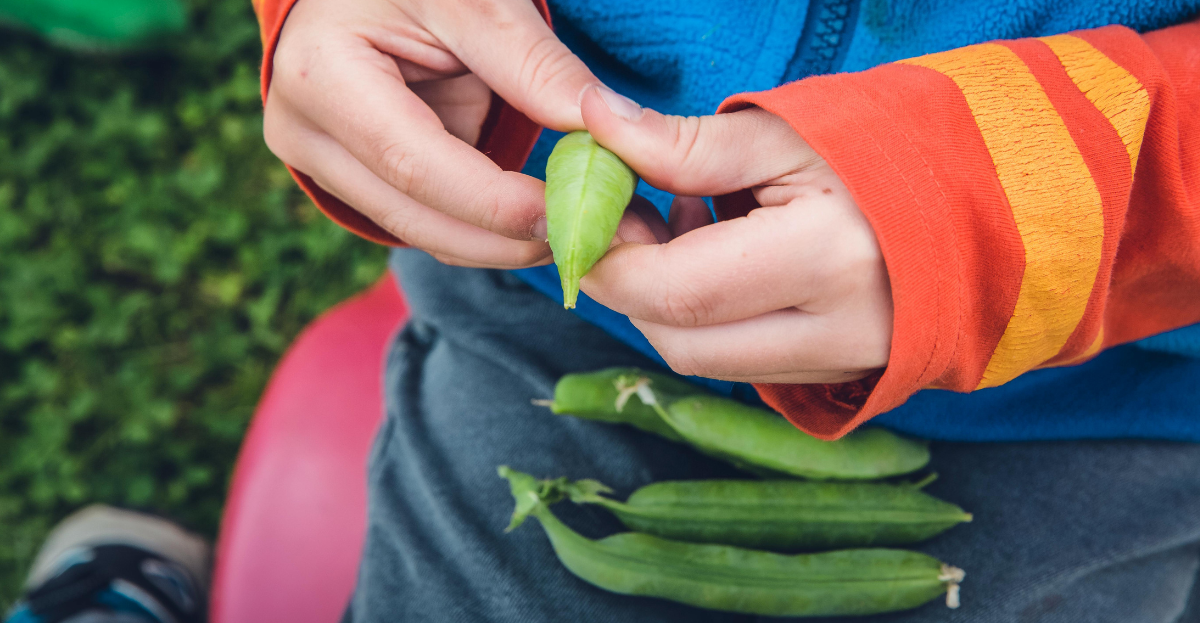
In a world built on immediacy, this slow rhythm is invaluable. Allotmenteering deepens it further, as children see everyone working within the same seasons, waiting, watching, and hoping together. It teaches patience—not as a rule, but as a natural part of life that everyone shares, from the newest gardener to the most experienced plot holder.
Start and see
- Plant fast-growing crops like radishes or salad leaves so children can see quick changes and stay engaged.
- Grow a bean in a clear jar or pot so roots and shoots can be watched developing day by day.
- Keep a simple growing diary or draw weekly pictures to track slow changes over time.
- Visit an allotment regularly through the seasons to notice how everything changes month by month.
- Compare different plants to show that some grow quickly while others take much longer.
- Let children take responsibility for one plant so they experience the full wait from seed to harvest.
It’s okay when things don’t go to plan
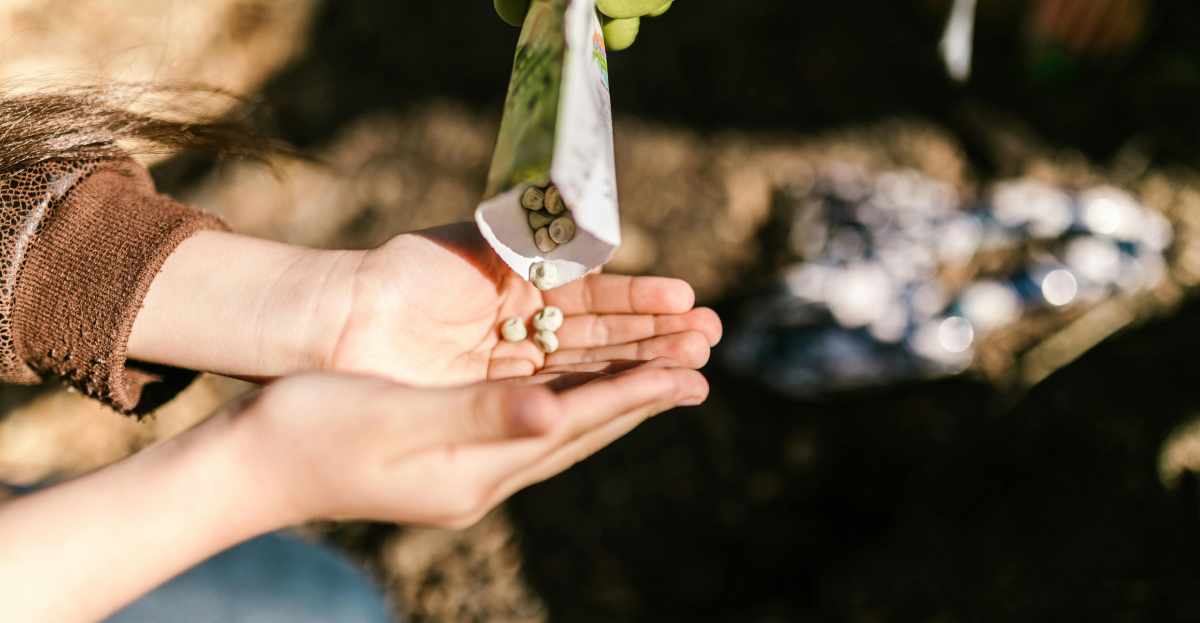
On an allotment, failure isn’t hidden—it’s talked about openly. A failed row of beans, a crop eaten by slugs, or seeds sown too early all become shared experiences rather than private disappointments. Advice is always close by, often offered casually over a fence or while watering.
Children learn that mistakes aren’t something to avoid, but something to learn from. That resilience, built quietly over time, becomes one of gardening’s most valuable lessons.
We’re part of nature, not separate from it
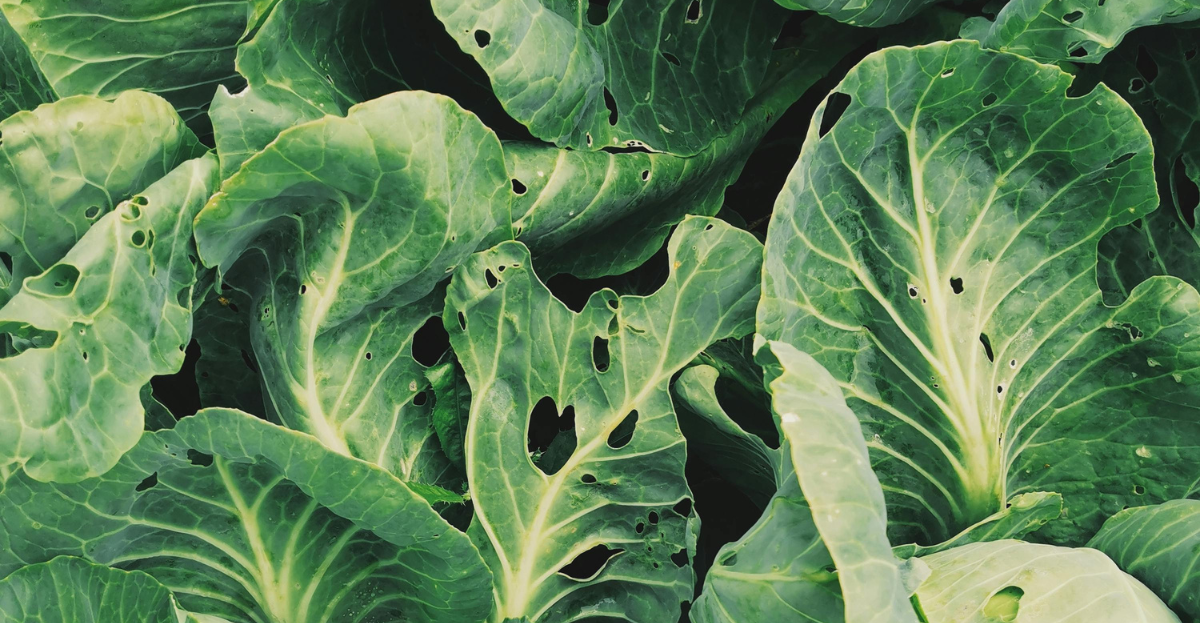
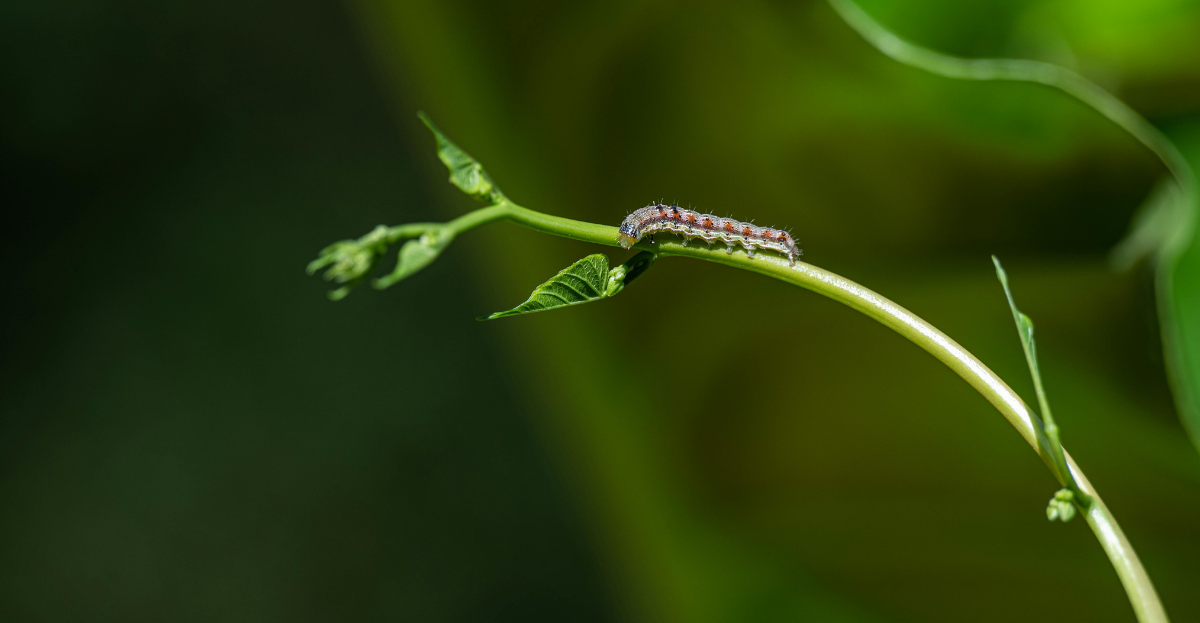
Through growing, children begin to notice the small but important details—worms improving the soil, bees visiting flowers, rain changing plans, and sunlight shaping growth.Allotmenteering adds a sense of shared stewardship. It’s not just about one plant or one plot, but the whole space working together. Paths, compost bins, wildlife corners, and shared water butts all form part of a living system. Children begin to understand that caring for nature isn’t individual—it’s collective.
And in that understanding, they start to see themselves as part of nature too, not separate from it.
Nature insights
- Look closely at soil to spot worms, insects and other life that helps plants grow
- Plant bee-friendly flowers like calendula, borage or lavender to attract pollinators
- Create a simple compost bin or wormery to show how nature recycles waste
- Leave a small wild corner in a garden or allotment for insects and biodiversity
- Collect rainwater in a butt or container and use it for watering plants
- Visit an allotment or community garden to see how shared spaces support wildlife as well as crops
Growing is good—but sharing is even better
Allotments are full of quiet generosity—extra courgettes, spare seedlings, gluts of beans passed along without fuss. Children see that abundance is meant to be shared, not stored away.
Even in small spaces, this idea still holds. A few herbs grown in pots on a patio, a handful of tomatoes from a balcony container, or a tray of lettuce from a windowsill can still be shared with family, neighbours, or friends. It turns growing into something social, not solitary.
Getting started wherever you are
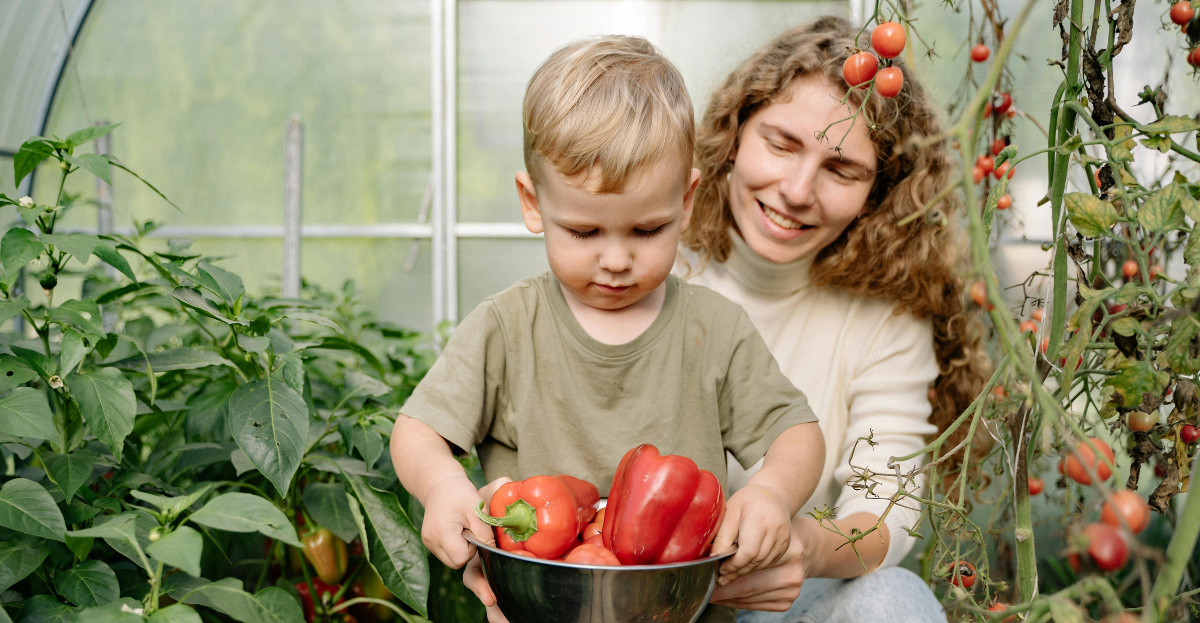
The beauty of these lessons is that they don’t depend on having an allotment. The spirit of allotmenteering can start anywhere.
A small garden can become a child’s growing space, even if it’s just a single bed or a corner they can call their own. A few pots on a patio or balcony can bring the same sense of responsibility and excitement. Even a windowsill with herbs, mustard and cress, or a potato in a container can spark curiosity and connection.And if growing space is limited, there are still ways in. Visiting local farms, exploring pick-your-own sites, or wandering through open gardens helps children see food growing in the real world. It connects the dots in a way that sticks. Even a visit to an allotment open day can offer a glimpse into that unique community spirit—rows of plots, shared tools, and conversations that stretch across generations.
Because in the end, allotmenteering isn’t really about the size of the space or even the quantity of food produced. It’s about connection—to the land, to the seasons, and to each other.
And it all starts, quite simply, with a seed.Join The National Allotment Society
Become a National Allotment Society member and help to preserve and protect allotments for future generations.
You'll also gain a range of benefits including free liability insurance, initial legal support, expert advice and much more.
Non Member Newsletter Signup

National Society of Allotment & Leisure Gardeners Ltd
Registered in 1930 under the Industrial & Provident Societies Acts no. 11144R
VAT No. 1212930 14
Patron His Majesty King Charles III
© 2022-2023 National Society of Allotment & Leisure Gardeners Ltd